
A Seasonal Guide to India’s Most Rewarding Wildlife Experiences
Summer is often misunderstood as an off-season for nature travel. In reality, for wildlife enthusiasts, photographers, and birders, April, May and June are among the most dynamic months to explore India’s wilderness.
As water sources shrink and temperatures rise, animals move predictably across landscapes, predator sightings improve, migratory bird activity shifts, and forests prepare for the arrival of the monsoon. Each habitat — from Himalayan foothills to Central Indian jungles — offers a completely different wildlife experience during this period.
Rather than choosing a destination, the better question becomes:
What kind of wildlife experience are you looking for this summer?
Himalayan Birding Escapes: Slow Exploration in Living Forests
Pangot – Vanghat Birding Expedition
For travellers drawn to quiet observation rather than vehicle safaris, the western Himalayan foothills offer one of India’s richest birding landscapes.
Situated along the northern fringes of the famed Jim Corbett National Park, the forests surrounding Vanghat and Pangot combine riverine valleys, temperate woodland, and montane ecosystems. These community forests bordering the Kalagarh division provide rare opportunities to experience wilderness on foot through guided walking safaris.
Walking through forest trails changes the way wildlife is experienced. Bird calls replace engine sounds, pugmarks become storytelling clues, and even subtle movements — a lizard crossing the trail or leaves disturbed by unseen mammals — become part of the journey.
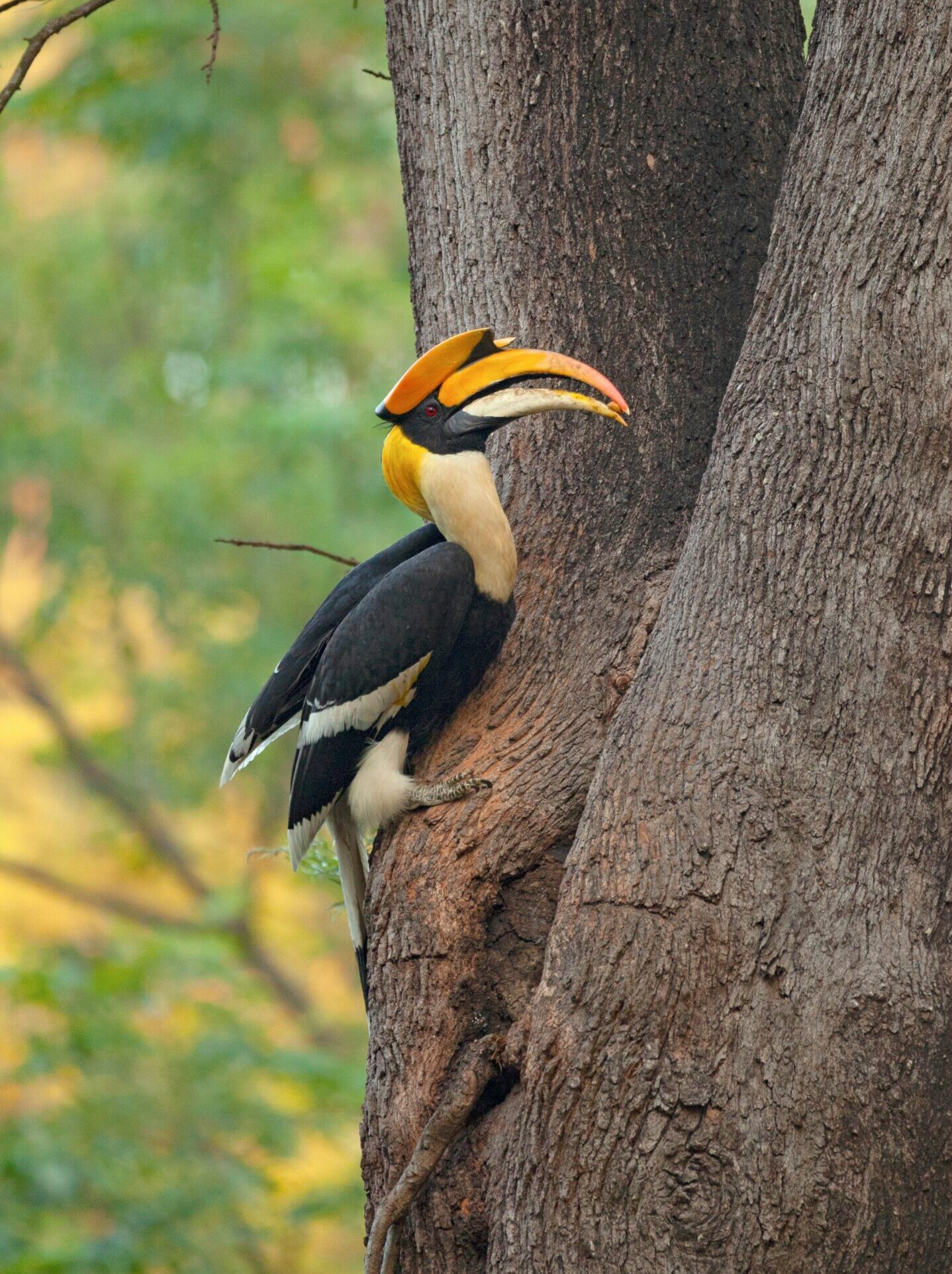
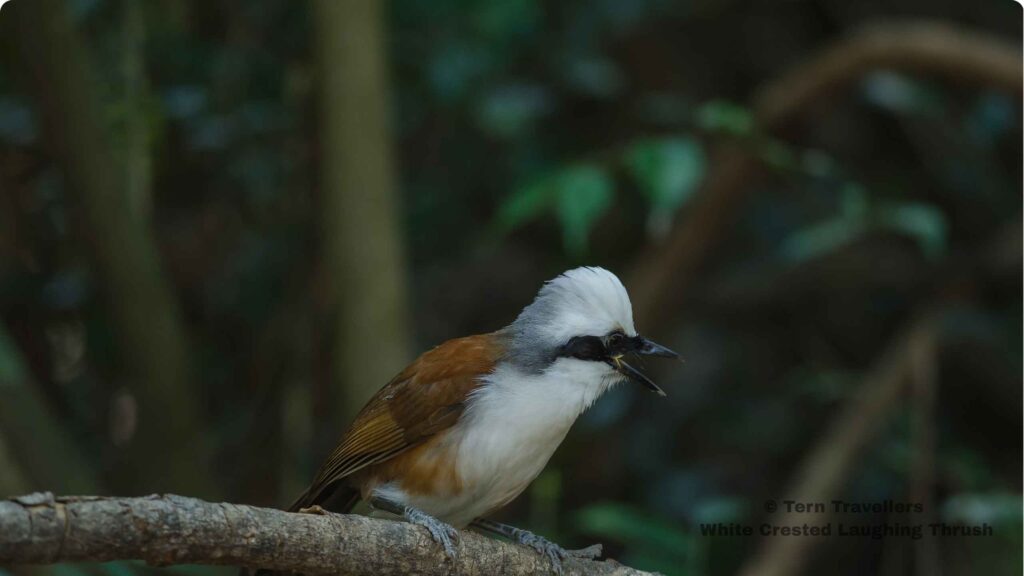
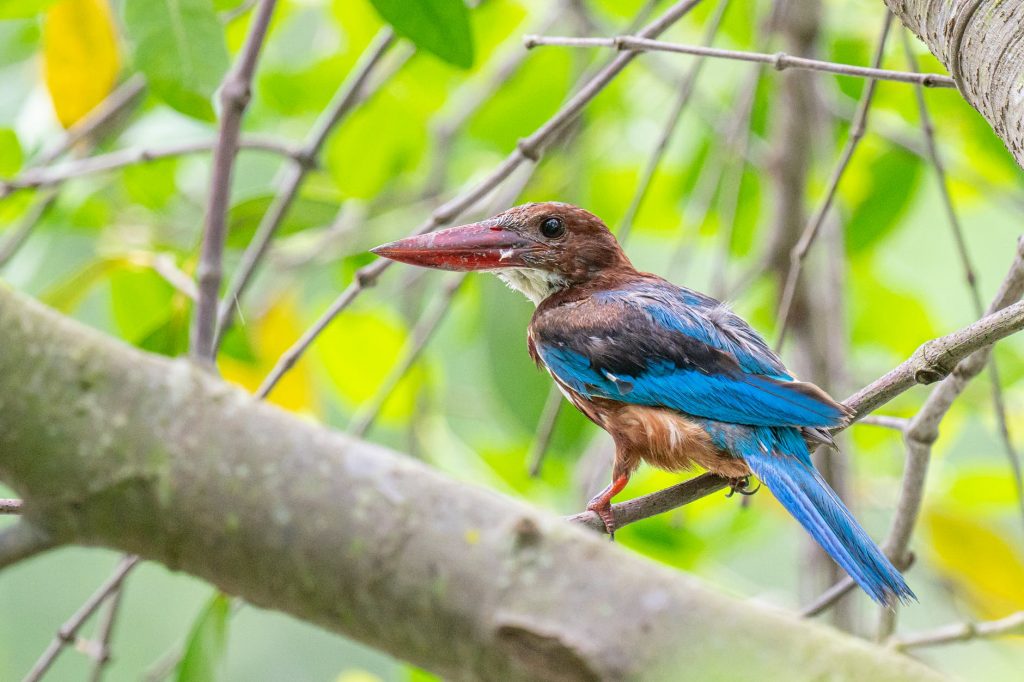
The region supports over 600 bird species across habitats ranging from grasslands to oak and conifer forests. Raptors such as Pallas’s Fish Eagle and Mountain Hawk Eagle soar above valleys, while Great Hornbills, cuckoos, pittas, and Himalayan migrants animate the canopy through early summer.
Large mammals including elephants, leopards, and occasionally tigers inhabit these buffer forests, adding an element of true wilderness to the experience.
Ideal for:
Travellers seeking immersive nature walks, serious birdwatchers, and those interested in understanding forest ecosystems beyond vehicle-based safaris.
Living Inside the Jungle: Core Forest Safari Experience
Dhikala Wildlife Safari – Corbett
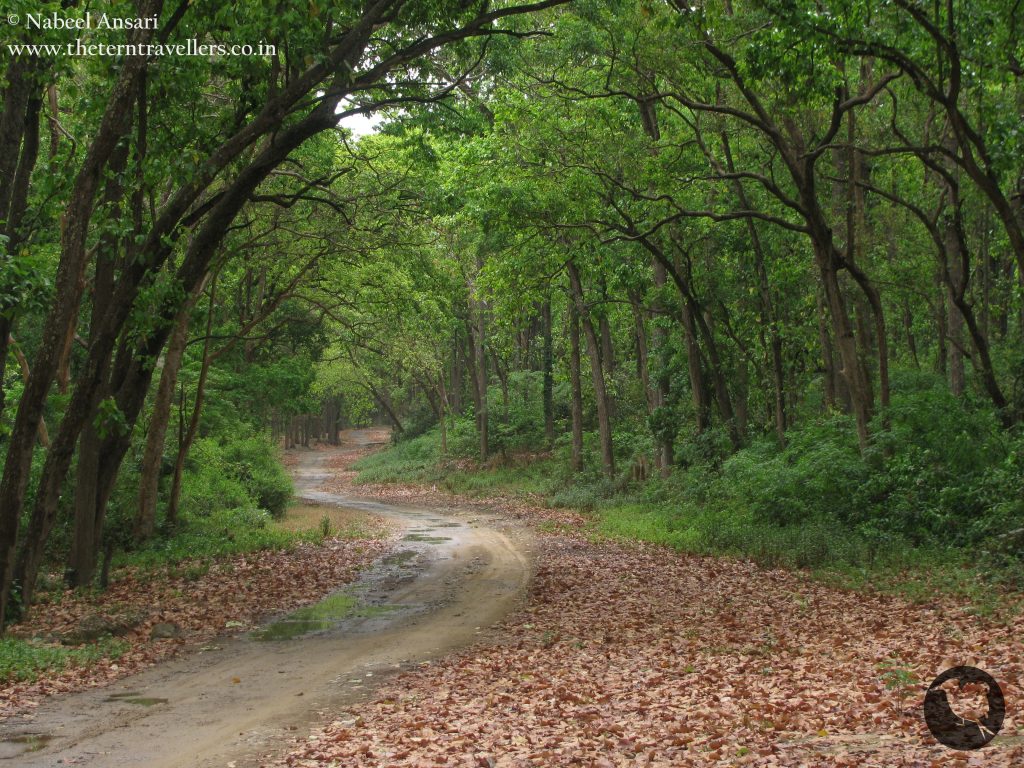
Few wildlife experiences in India compare to staying inside the core zone of a tiger reserve. The Dhikala region of Corbett Tiger Reserve represents one of the country’s most iconic safari landscapes.
Vast grasslands known as chaurs, river systems fed by the Ramganga, and Himalayan foothill terrain create ideal habitats for elephants, deer herds, gharials, and large predators. Summer months increase wildlife movement toward water bodies, improving chances of observing natural behaviour.
Early morning safaris begin before outside visitors enter the park, while evenings often end with distant alarm calls echoing across grasslands — reminders that predators remain active long after sunset.
Ideal for:
Wildlife photographers, first-time safari travellers, and anyone wishing to experience life within a protected forest landscape.
The Only Home of the Asiatic Lion
Gir Wildlife Safari
In western India, the dry deciduous forests of Gir National Park offer a completely different ecological experience.
Gir remains the only natural habitat in the world where Asiatic Lions roam freely. Summer visibility improves significantly as vegetation thins and animals frequent perennial water sources.
Beyond lions, the landscape supports leopards, marsh crocodiles, hyenas, antelope species, and a thriving bird population. Cultural interactions with Maldhari pastoral communities add another dimension, reflecting coexistence between wildlife and traditional livelihoods.

Ideal for:
Big-cat enthusiasts, photographers, and travellers interested in landscapes where conservation and culture intersect.
Peak Tiger Season in Central India
Bandhavgarh • Pench • Kanha • Tadoba Wildlife Safaris
Late summer is widely considered the best period for tiger safaris in Central India. Reduced foliage and concentrated water availability increase animal movement, making sightings more consistent across reserves.
Bandhavgarh National Park
Located within the Vindhyan ranges, Bandhavgarh National Park is known for one of the highest tiger densities in the country. Rocky hills, historic caves, and open meadows combine wildlife exploration with deep historical context linked to the ancient Bandhavgarh Fort.
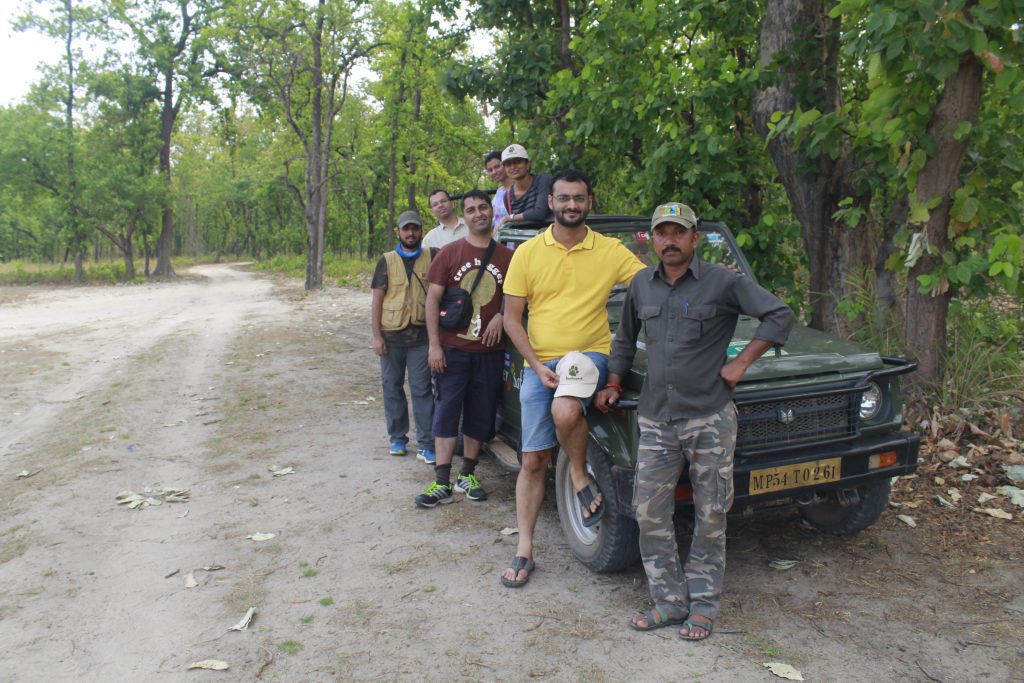
Pench National Park
Straddling Madhya Pradesh and Maharashtra, Pench National Park inspired the landscapes of The Jungle Book. Teak forests and river systems support tigers, leopards, wild dogs, and over 300 bird species.
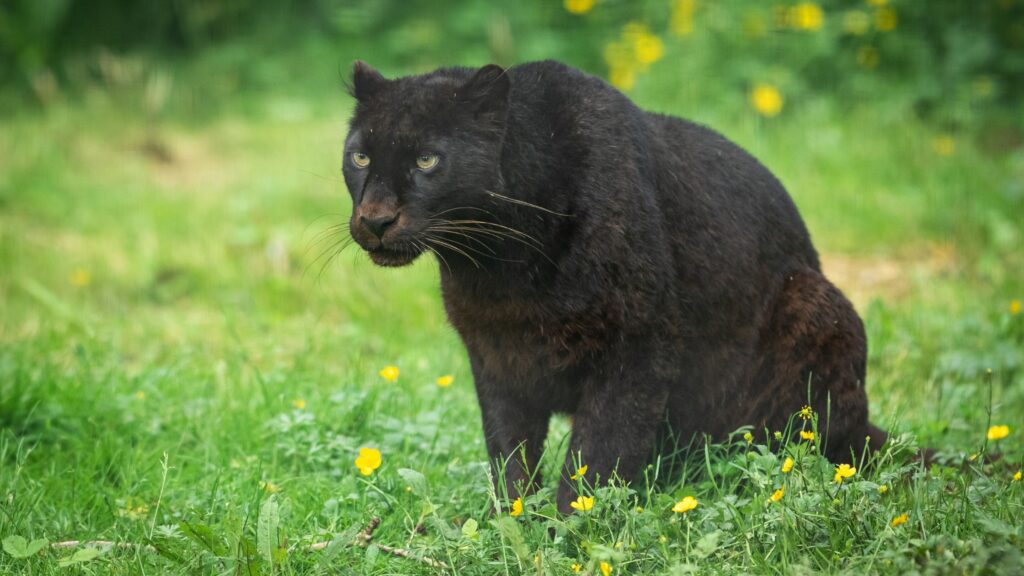
Kanha National Park
The sweeping meadows of Kanha National Park represent one of India’s finest conservation success stories, particularly for the endangered hard-ground barasingha. Its sal forests and open grasslands offer both dramatic sightings and serene forest experiences.
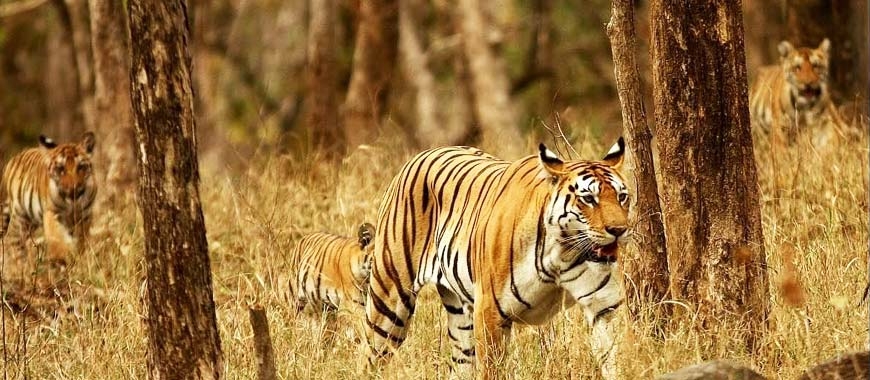
Tadoba Andhari Tiger Reserve
Often called Maharashtra’s premier tiger landscape, Tadoba Andhari Tiger Reserve is renowned for frequent tiger encounters alongside sloth bears, crocodiles, and rich birdlife around Tadoba Lake.
Across these reserves, safaris reveal the rhythm of summer jungles — predators resting near shade, herbivores gathering at waterholes, and forests alive with alarm calls and movement.
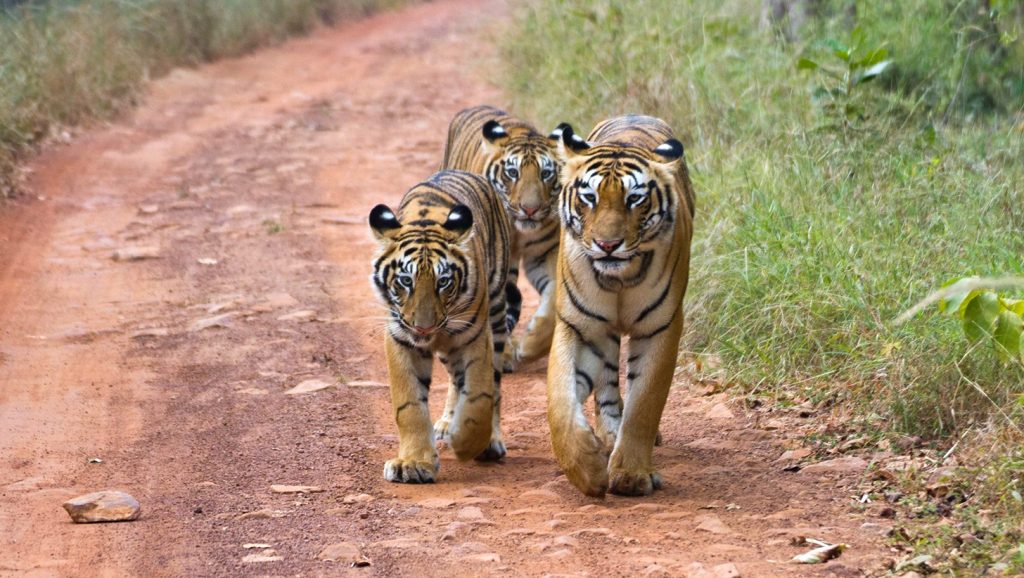
Ideal for:
Wildlife photographers, tiger enthusiasts, families, and travellers seeking classic Indian jungle safaris.
Short Yet Rewarding Jungle Escapes
Some wildlife journeys do not require extended expeditions. Three-day safaris across Gir, Bandhavgarh, Pench, Kanha, and Tadoba allow travellers to experience diverse ecosystems within limited timeframes while still benefiting from peak seasonal wildlife activity.
These shorter departures are particularly suited for travellers balancing work schedules with meaningful nature experiences.
Read: Tadoba vs Pench vs Bandhavgarh: Which Tiger Reserve Should You Choose?
The Monsoon Transition: Fireflies Lighting the Forest
Fireflies Special Camping Experience – Near Mumbai
As May progresses toward early June, western India witnesses one of nature’s most remarkable seasonal phenomena.
Just before the monsoon arrives, forests surrounding Mumbai briefly illuminate as thousands of fireflies emerge during their mating cycle. Locations around Bhandardara, Rajmachi, and nearby forested regions transform into glowing landscapes where synchronized bioluminescent flashes light entire valleys.
Unlike safari-based wildlife travel, this experience focuses on stillness — quiet trails, night walks, stargazing, and observing nature after dark with minimal disturbance.
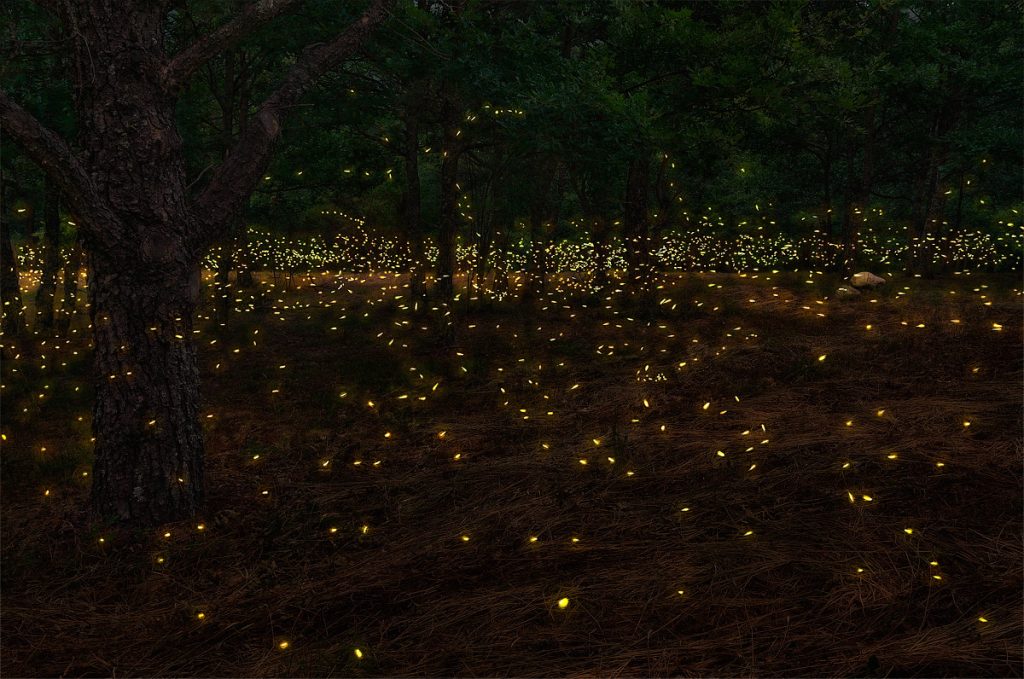
The phenomenon lasts only a few weeks each year, making timing essential.
Ideal for:
Weekend travellers, families, first-time nature explorers, and those seeking a gentle introduction to outdoor experiences.
Read: Fireflies Camping Near Mumbai – A Magical Weekend Getaway, Why Fireflies Appear Before the Monsoon: The Science Behind the Glow
Choosing the Right Summer Wildlife Experience
India’s wildlife season between May and June is less about escaping heat and more about understanding ecological transitions.
Himalayan forests offer immersive birding and walking safaris
Northern grasslands deliver classic tiger reserve experiences
Western India reveals rare lion habitats
Central Indian jungles reach peak predator visibility
Pre-monsoon forests glow with seasonal firefly activity
Each journey represents a different way of connecting with nature — through patience, exploration, observation, or adventure.
The most rewarding expedition is ultimately the one aligned not with destination popularity, but with how you prefer to experience the wild.
If any of these wildlife experiences interest you, feel free to connect with us on WhatsApp for detailed itineraries, upcoming departures, and booking information. Our team will be happy to help you plan the perfect summer wildlife escape.
Discover more: Why Summer Is the Best Season for Tiger Sightings in Central India, Wildlife You May Encounter on Summer Treks, Find the Right Wildlife Expedition for Your Travel Style