
India is one of the most diverse wildlife destinations in the world. From dense rainforests and grasslands to dry deciduous forests and Himalayan foothills, the country offers extraordinary opportunities for wildlife photography and safari experiences. With more than 100 national parks and hundreds of wildlife sanctuaries, photographers and nature lovers can encounter iconic species such as the Bengal tiger, Asian elephant, leopard, rhinoceros, and thousands of bird species.
For wildlife photographers, choosing the right national park can make a huge difference. Some landscapes are famous for frequent tiger sightings, while others are known for rare birds, rainforest biodiversity, or dramatic forest backdrops.
If you are planning a wildlife photography trip in India, here are some of the top national parks that offer exceptional safari experiences and unforgettable wildlife encounters.
Ranthambore National Park – A Legendary Tiger Photography Destination
Located in Rajasthan near the city of Sawai Madhopur, Ranthambore National Park is one of India’s most famous wildlife destinations and a dream location for tiger photographers.
The park’s open landscapes, ancient ruins, and scenic lakes create a dramatic setting for wildlife photography. Tigers here are often seen walking through dry forests, resting near water bodies, or moving around historic ruins.
Wildlife photographers frequently capture:
➤ Bengal Tigers
➤ Leopards
➤ Sloth Bears
➤ Sambar Deer
➤ Marsh Crocodiles
➤ Crested Serpent Eagles
➤ Painted Stork
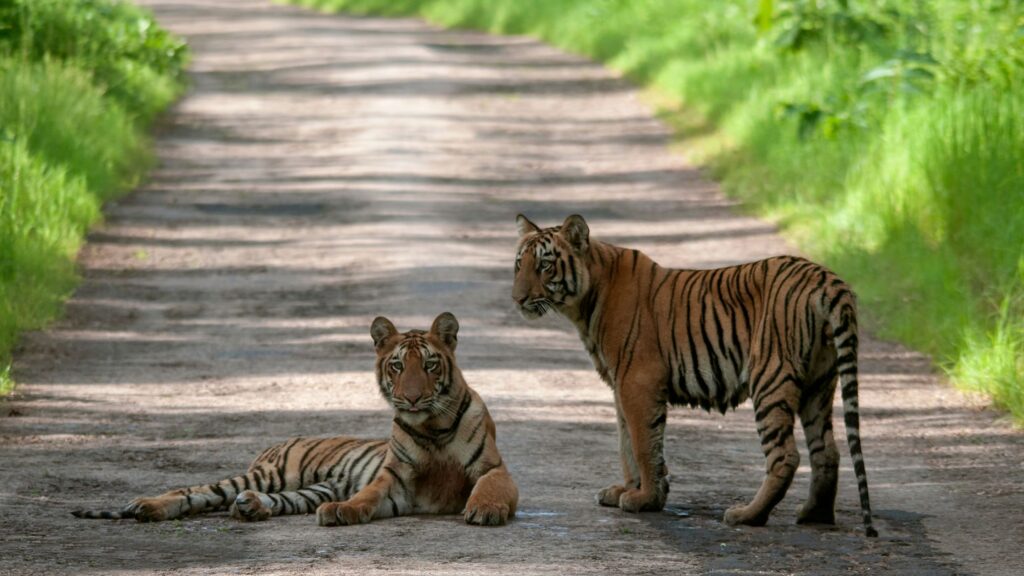
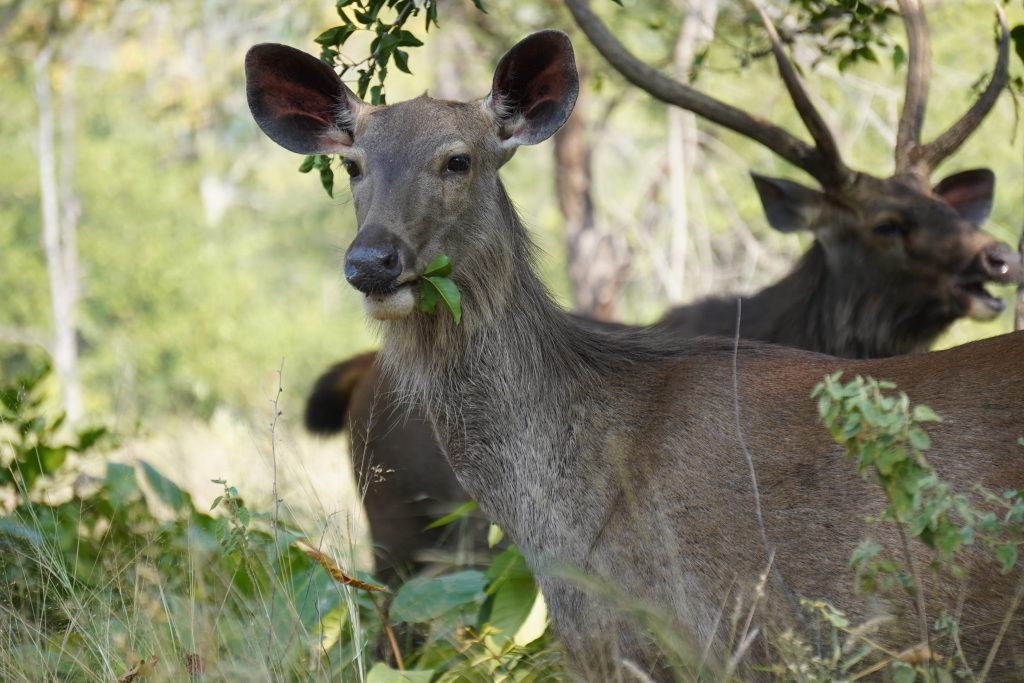
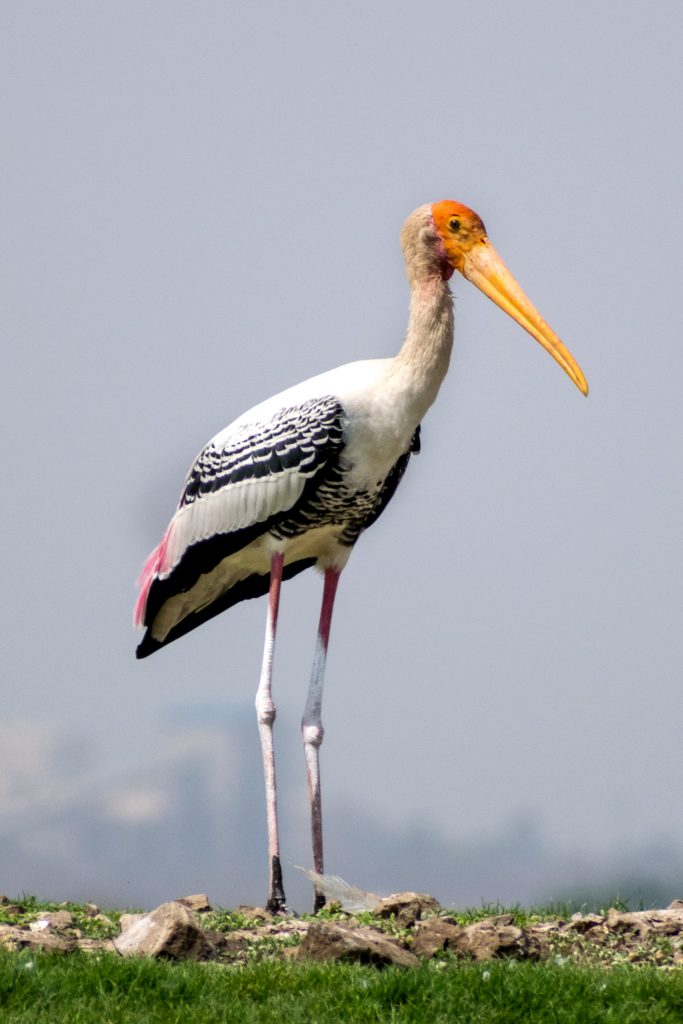
The combination of wildlife and heritage structures like Ranthambore Fort makes this park one of the most photogenic tiger reserves in India.
Bandhavgarh National Park – One of the Best Places to Photograph Tigers
Located in Madhya Pradesh, Bandhavgarh National Park is widely regarded as one of the best destinations in the world for tiger photography.
Bandhavgarh has one of the highest tiger densities in India, which significantly increases the chances of sightings during jeep safaris. The landscape includes dense sal forests, bamboo thickets, grasslands, and rocky hills.
Wildlife photographers visiting Bandhavgarh often photograph:
➤ Bengal Tigers
➤ Indian Leopards
➤ Sloth Bears
➤ Wild Boars
➤ Chital Deer
➤ Jungle Owlets
➤ Changeable Hawk Eagles
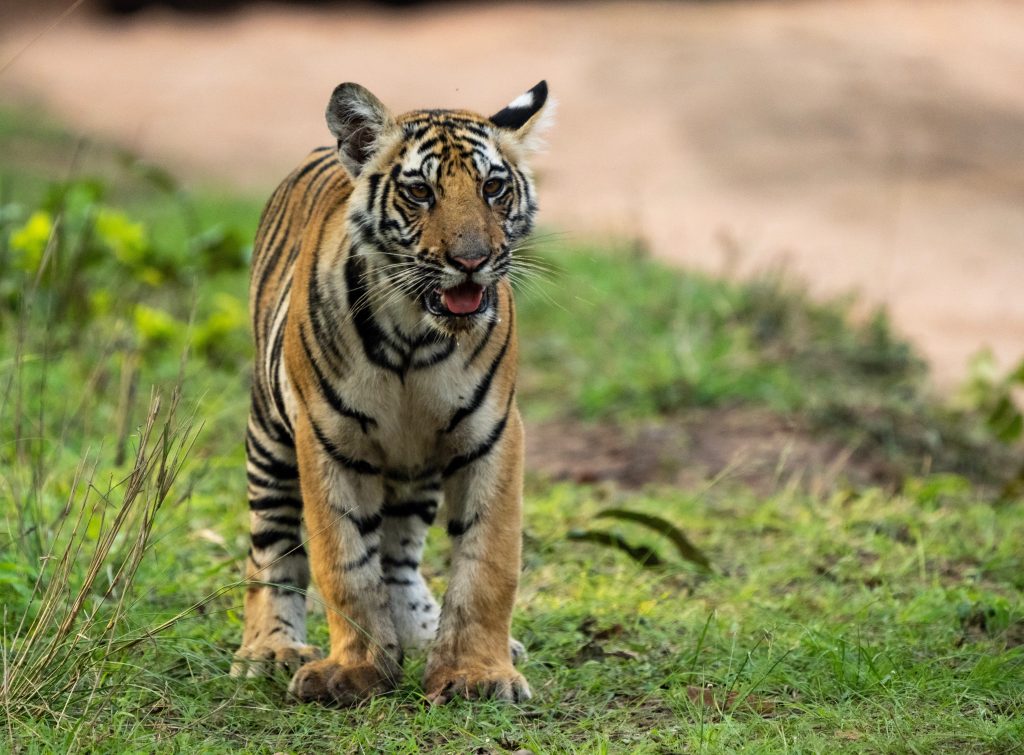
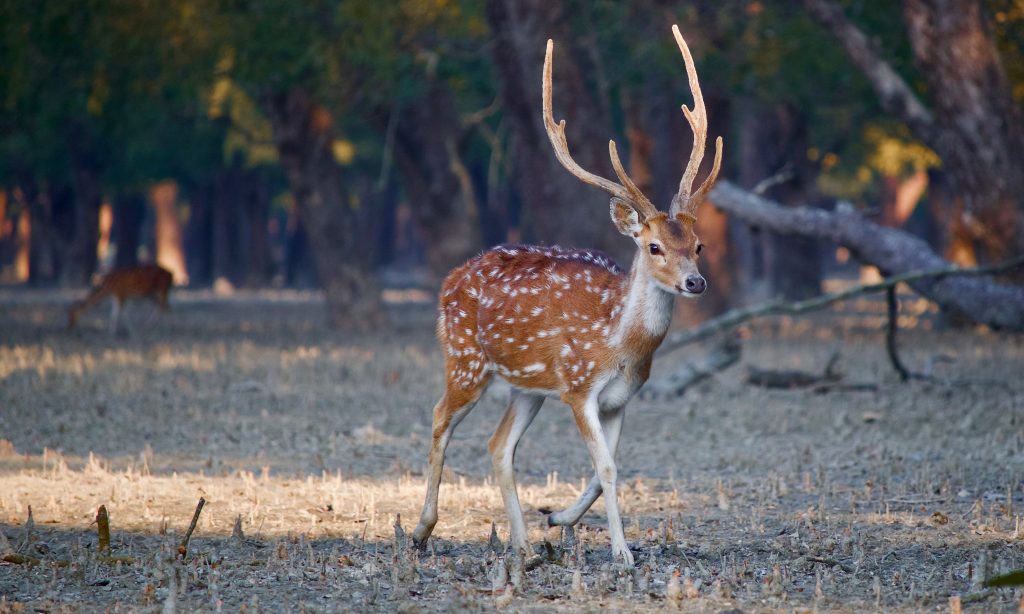
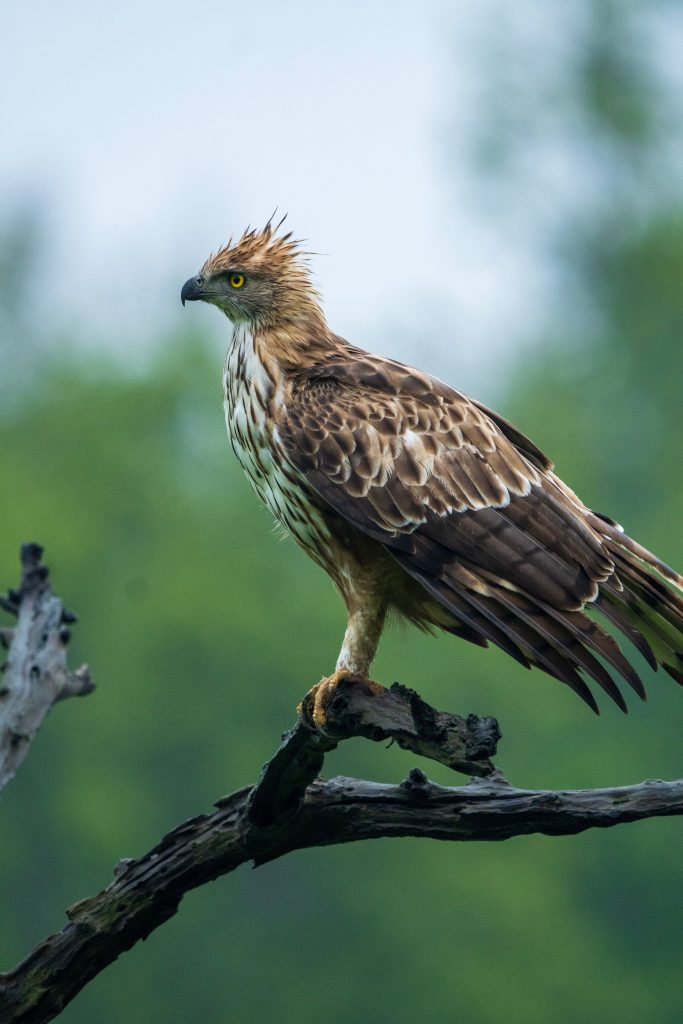
The historic Bandhavgarh Fort inside the park adds dramatic landscape elements for wildlife photography.
Read more: Bandhavgarh Wildlife Safari Guide: Best Zones, Wildlife & When to Visit
Kaziranga National Park – Land of the One-Horned Rhinoceros
Located in Assam, Kaziranga National Park is a UNESCO World Heritage Site and one of the most unique wildlife habitats in Asia.
Kaziranga is globally famous for protecting the Greater One-Horned Rhinoceros, and its vast floodplain grasslands provide excellent conditions for photographing large mammals.
Wildlife commonly seen and photographed here includes:
➤ One-Horned Rhinoceros
➤ Asian Elephants
➤ Wild Water Buffalo
➤ Swamp Deer
➤ Hog Deer
➤ Pallas’s Fish Eagle
➤ Bar-Headed Geese
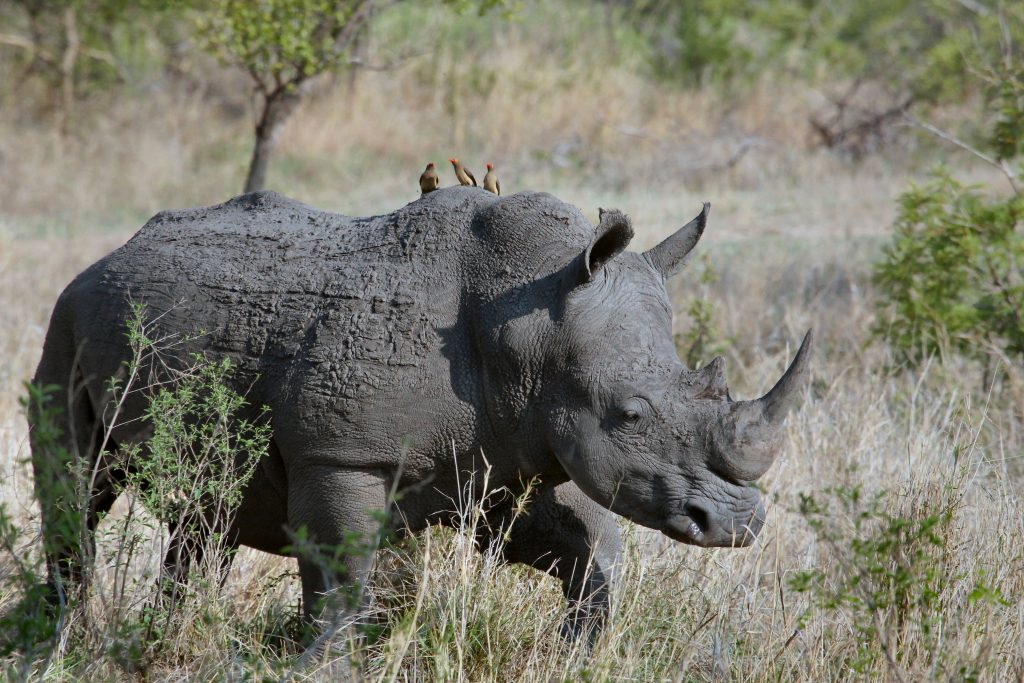
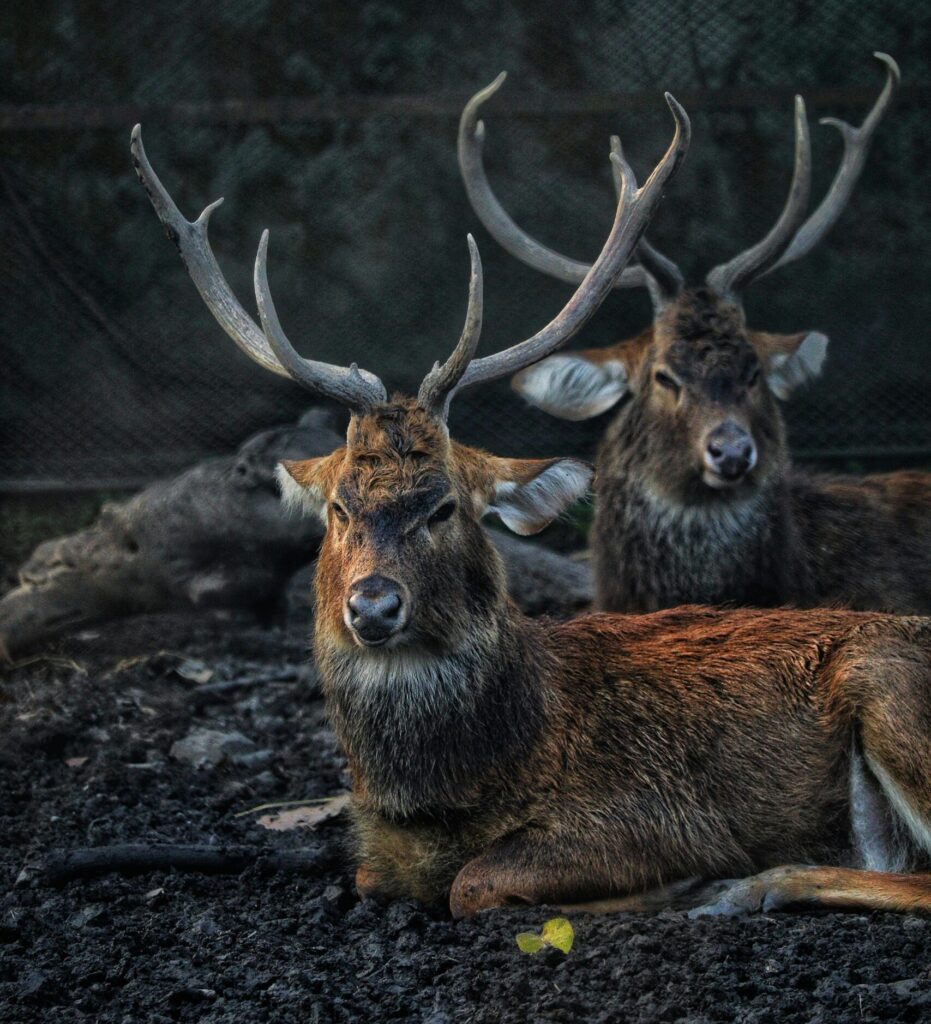
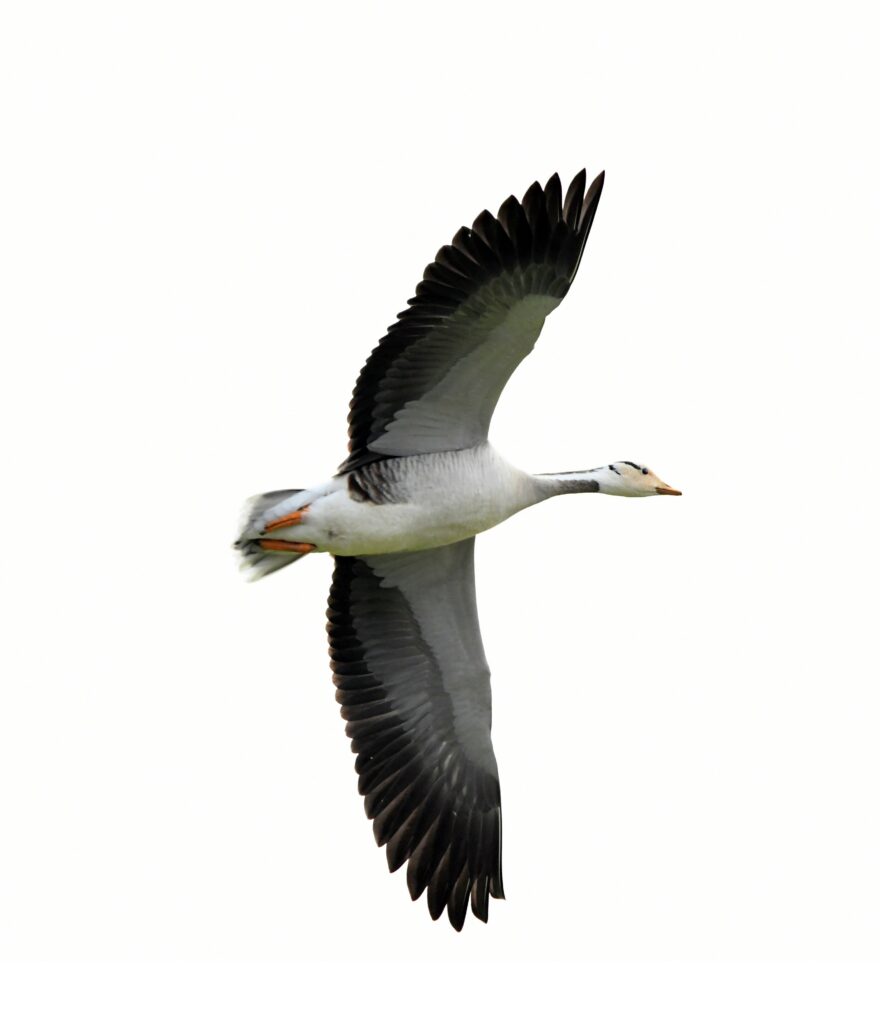
Jeep safaris and elephant safaris offer incredible opportunities to photograph wildlife in open grasslands and wetlands.
Jim Corbett National Park – India’s Oldest National Park
Established in 1936 in Uttarakhand, Jim Corbett National Park is India’s first national park and one of the most biodiverse protected areas in the country.
Corbett’s landscape includes riverine forests, grasslands, and dense Himalayan foothill forests, making it ideal for both wildlife and landscape photography.
Wildlife sightings often include:
➤ Bengal Tigers
➤ Asian Elephants
➤ Leopards
➤ Gharials
➤ Otters
➤ Crested Kingfishers
➤ Great Hornbills
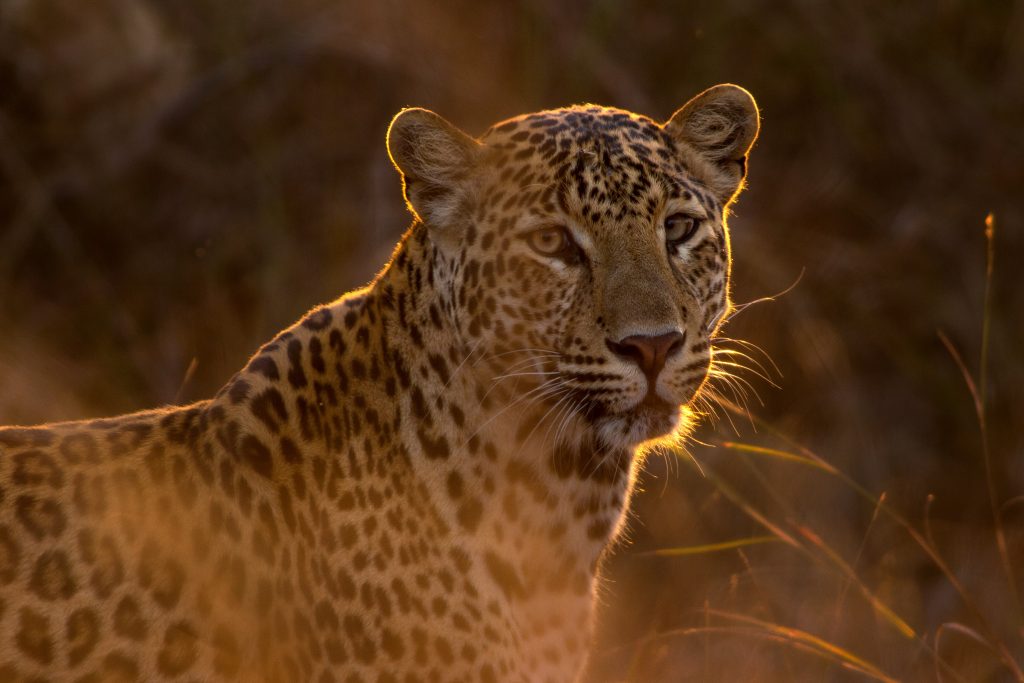
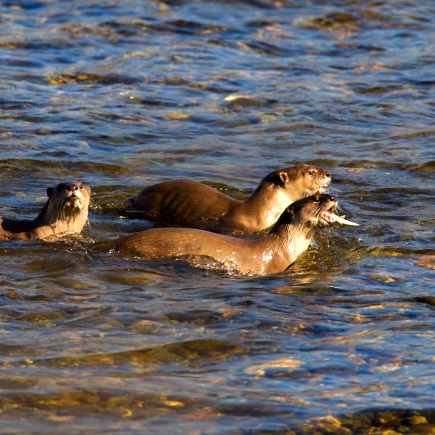
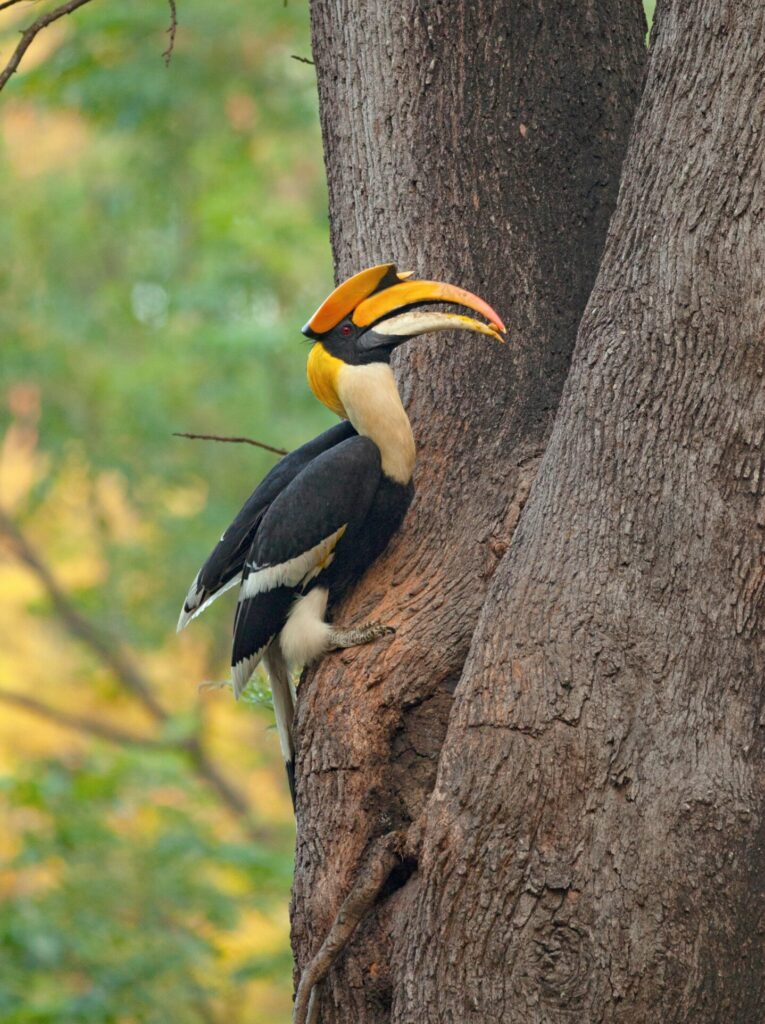
The scenic Ramganga River flowing through the park also creates beautiful settings for wildlife photography.
Tadoba-Andhari Tiger Reserve – Maharashtra’s Tiger Photography Hotspot
For wildlife photographers based near Mumbai, Tadoba-Andhari Tiger Reserve in Maharashtra is one of the best places for tiger safaris.
Tadoba is known for its excellent tiger sighting rates and relatively open forests, which make wildlife easier to photograph compared to denser jungles.
Wildlife photographers frequently encounter:
➤ Bengal Tigers
➤ Indian Leopards
➤ Sloth Bears
➤ Wild Dogs (Dholes)
➤ Indian Gaur
➤ Grey-headed Fish Eagles
➤ Indian Pitta during migration season
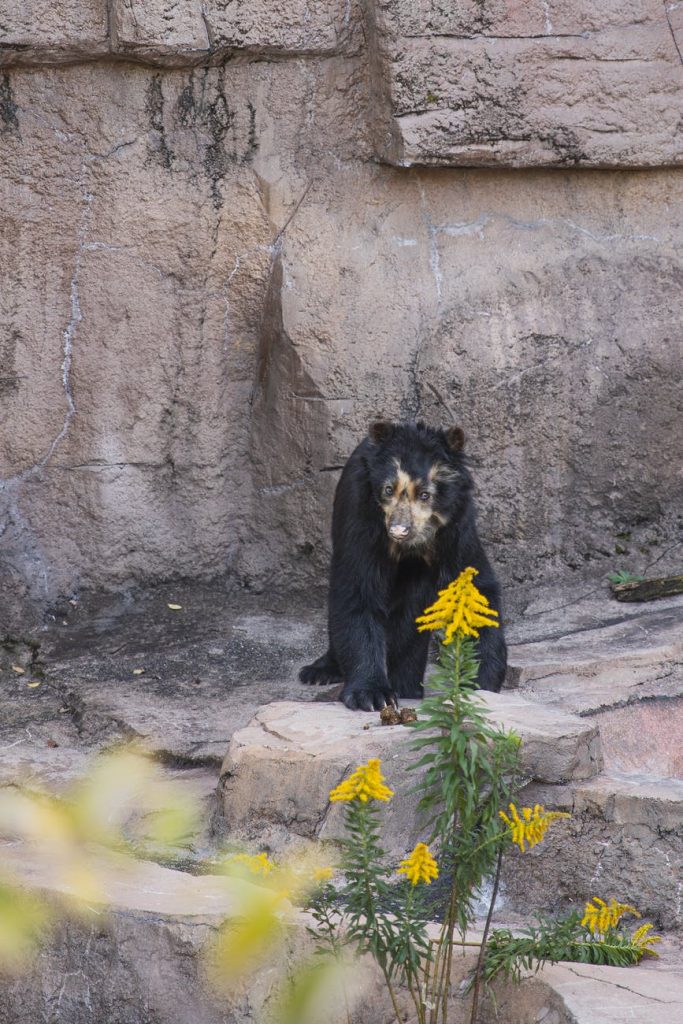
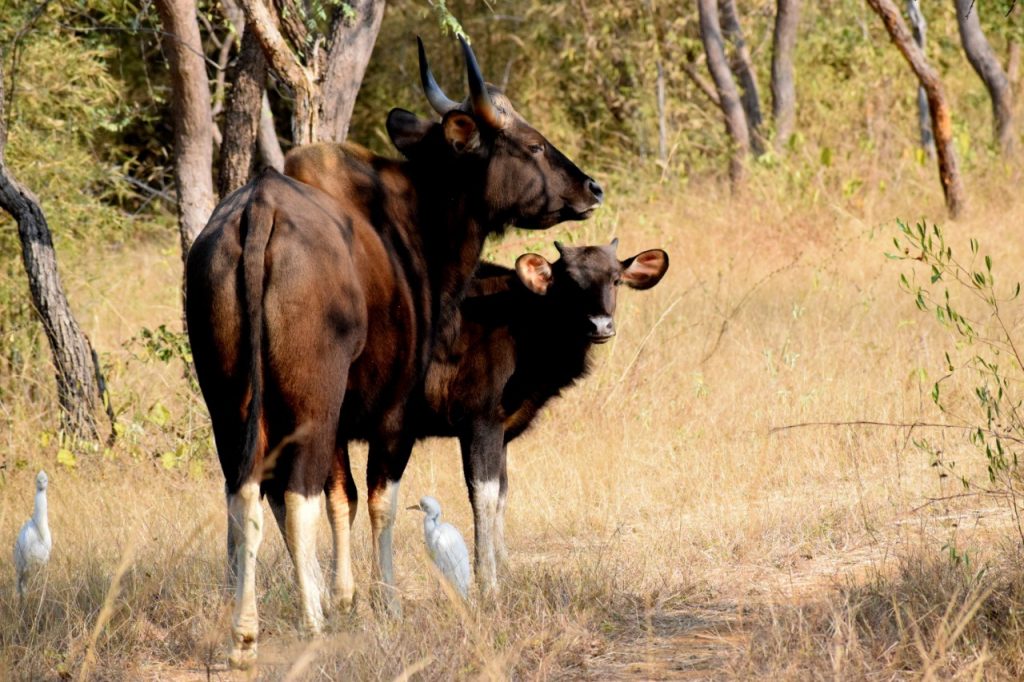
Waterholes and forest clearings often attract wildlife during summer, creating spectacular photography opportunities.
Nagarhole National Park – Rainforest Wildlife Photography
Located in Karnataka, Nagarhole National Park forms part of the Nilgiri Biosphere Reserve and is one of South India’s most scenic wildlife destinations.
The park’s misty forests, rivers, and bamboo landscapes make it an excellent location for photographing rainforest wildlife.
Photographers often capture:
➤ Asian Elephants
➤ Tigers
➤ Leopards
➤ Malabar Giant Squirrels
➤ Malabar Trogon
➤ Crested Hawk Eagles
➤ Malabar Grey Hornbills
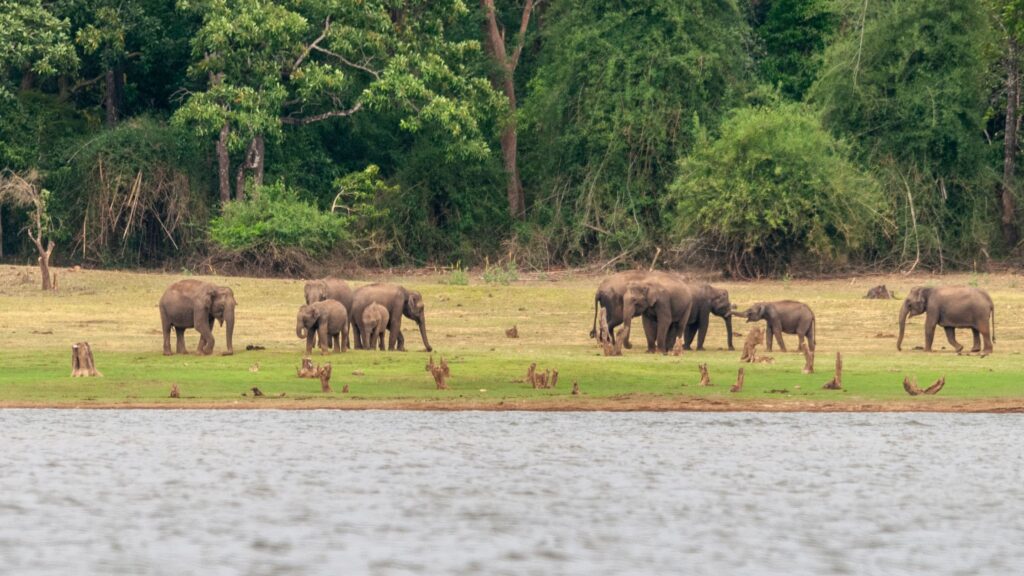
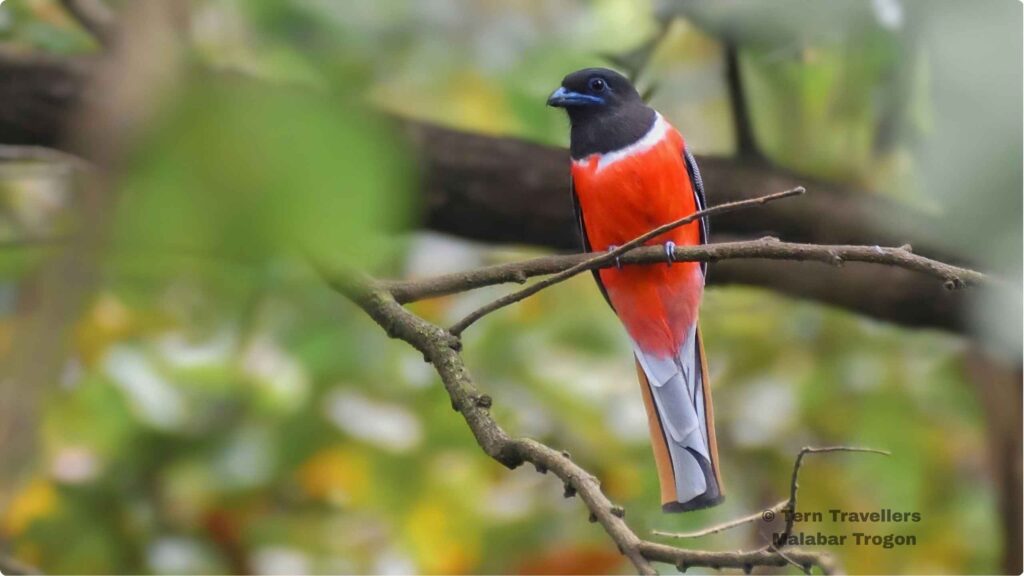
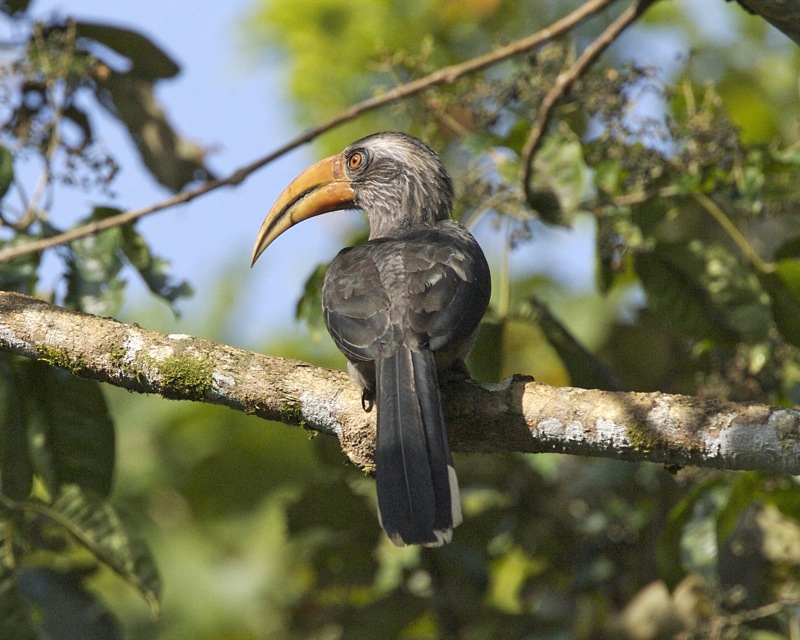
The diverse habitats also make Nagarhole one of the best locations for bird photography in southern India.
Essential Tips for Wildlife Photography in National Parks
Wildlife photography requires patience, preparation, and respect for the natural environment. Following a few basic principles can greatly improve your safari experience.
➤ Use telephoto lenses between 300mm and 600mm for safe wildlife photography.
➤ Maintain silence during safaris to avoid disturbing animals.
➤ Focus on animal behaviour rather than just close-up portraits.
➤ Early morning and evening safaris offer the best lighting conditions.
➤ Always follow park rules and maintain a safe distance from wildlife.
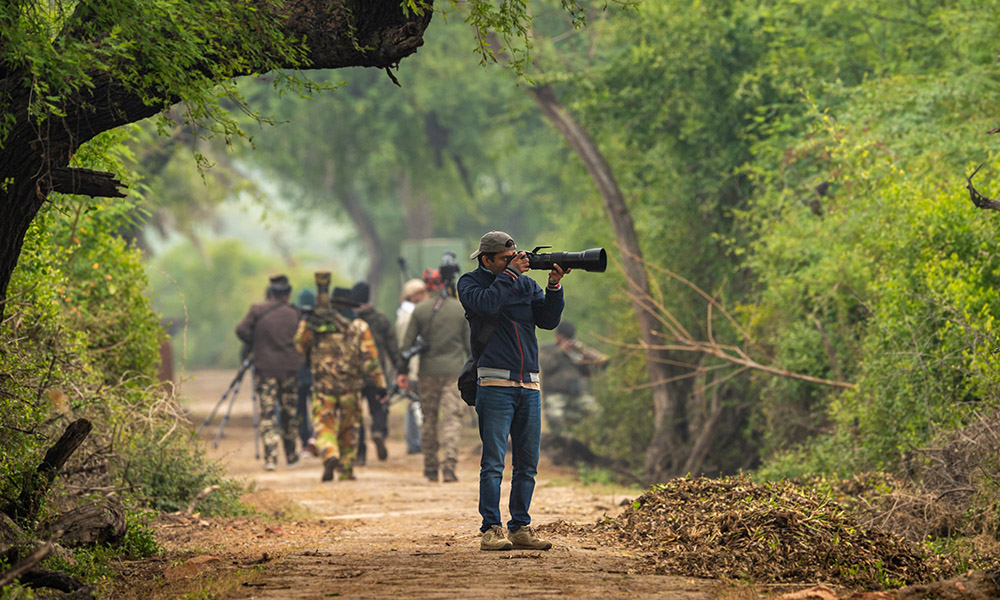
Often, the most memorable wildlife photographs come from observing natural behaviour patiently rather than chasing sightings.
Learn Wildlife Observation Through Guided Forest Walks
Before heading into large national parks, many wildlife enthusiasts begin by learning observation skills through guided forest walks and birding trails. These experiences help participants understand bird calls, animal tracks, insect diversity, and forest ecosystems.
Some beginner-friendly nature experiences near Mumbai include:
➤ Sanjay Gandhi National Park Forest Walk
➤ Karnala Bird Sanctuary Birding Trail
➤ Matheran Forest Biodiversity Trail
➤ Bhandardara Forest and Grassland Bird Walk
➤ Tungareshwar Wildlife Sanctuary Nature Trail
➤ Yeoor Hills Forest Walk
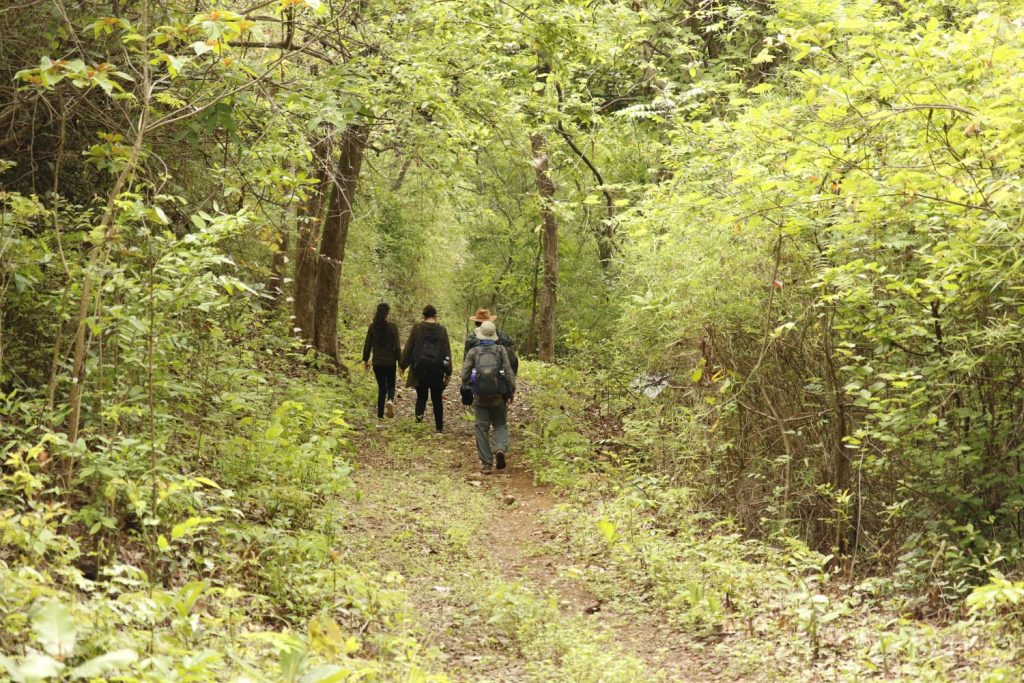
These guided trails help participants learn how to spot birds, insects, reptiles, and mammals while understanding the ecological relationships within forests.
Experience India’s Wild Landscapes Responsibly
India’s national parks offer some of the most exciting wildlife photography opportunities in the world. Whether it is photographing a tiger in Bandhavgarh, a rhinoceros in Kaziranga, or elephants in Nagarhole, every park offers a unique ecological experience.
Wildlife photography is not only about capturing stunning images — it is about understanding nature, appreciating biodiversity, and supporting conservation through responsible travel.
With patience, preparation, and the right destination, every safari in India can become an unforgettable wildlife experience. 🌿📷🦜
Still reading? Explore more: Wildlife Photography Destinations in India, Safari Destinations in India, Best Wildlife Expeditions in India for Nature Lovers – 2026 Guide