
Wildlife photography is one of the most exciting ways to experience nature. From photographing a tiger emerging from the forest to capturing a colourful bird perched on a branch, wildlife photography allows travellers to document rare moments in the wild while developing a deeper appreciation for nature.
India is among the best countries in the world for wildlife photography. Its diverse ecosystems — ranging from grasslands and rainforests to Himalayan foothills — support an incredible variety of animals and birds. National parks such as Bandhavgarh National Park, Ranthambore National Park, Kaziranga National Park, and Tadoba-Andhari Tiger Reserve offer photographers opportunities to capture some of Asia’s most iconic wildlife.
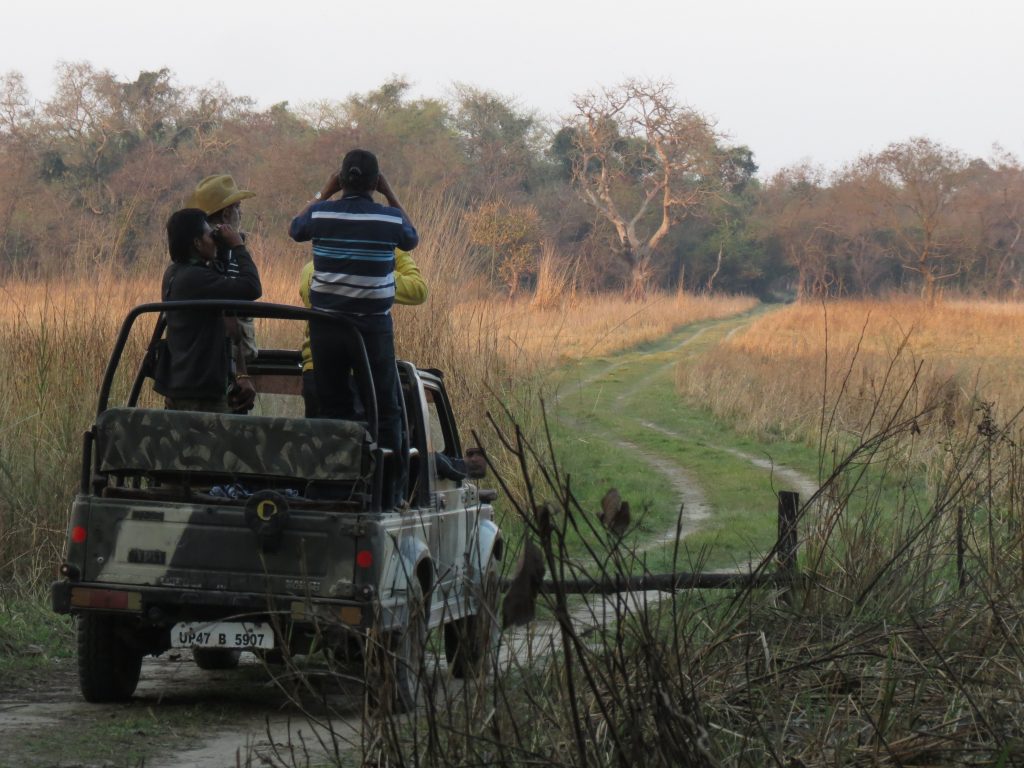
If you are just starting your wildlife photography journey, this beginner’s guide will help you understand how to prepare for photographing animals in India’s national parks.
Understand Wildlife Behaviour Before Photographing
The most successful wildlife photographers are not simply skilled with cameras — they are skilled observers of animal behaviour.
Understanding how animals move, feed, and respond to their environment helps photographers anticipate the perfect moment. For example, a Bengal tiger walking along a forest trail may pause near a waterhole or turn its head when it hears a sound. Recognising these behavioural cues can help photographers prepare for a powerful shot.
During safaris in parks like Jim Corbett National Park, naturalists often explain how alarm calls from langurs or spotted deer may indicate the presence of a predator nearby. These signals can help photographers prepare their cameras before the animal appears.
Some wildlife behaviours that photographers often observe include:
➤ Tigers patrolling forest tracks
➤ Leopards resting on rocky outcrops
➤ Elephants bathing in rivers
➤ Kingfishers diving for fish
➤ Hornbills flying across forest canopies
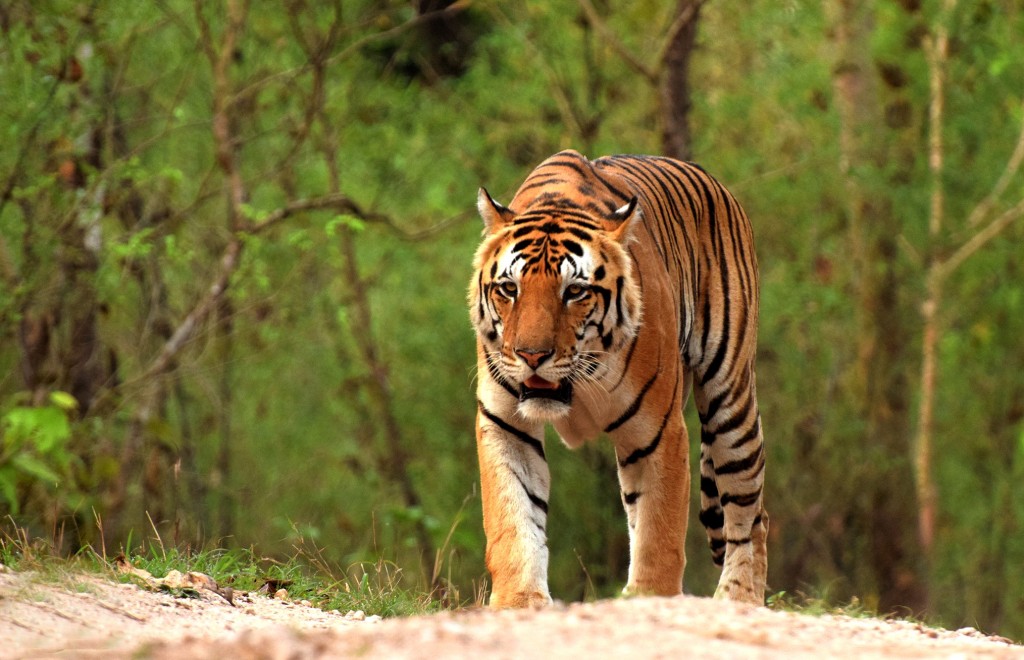
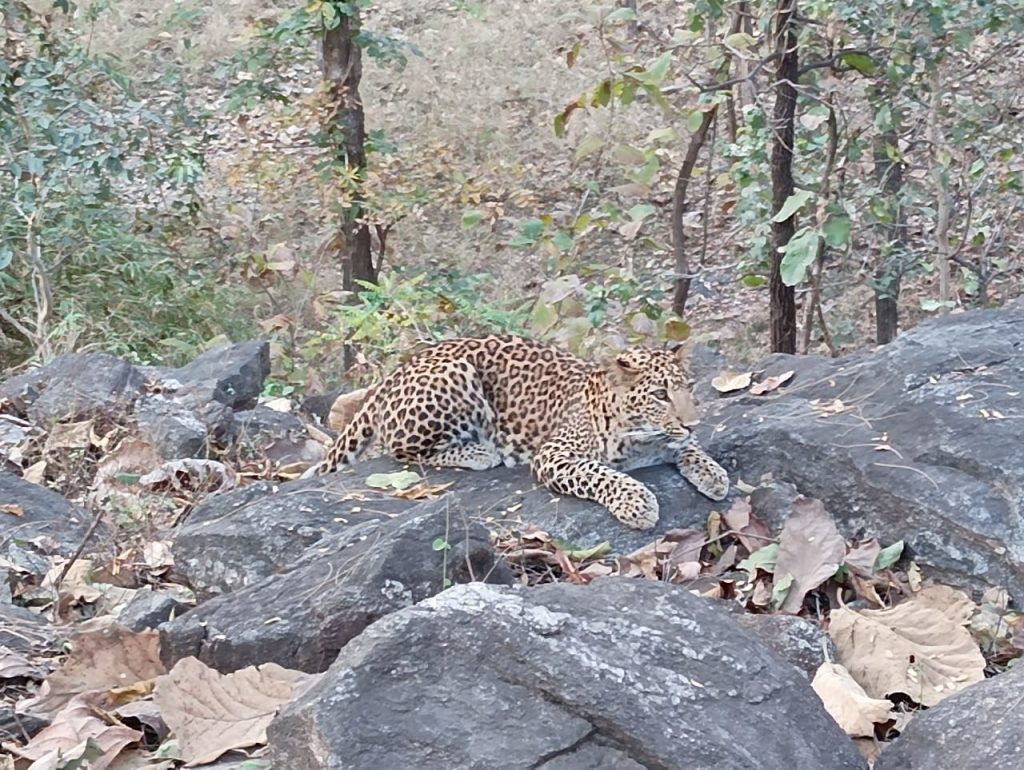
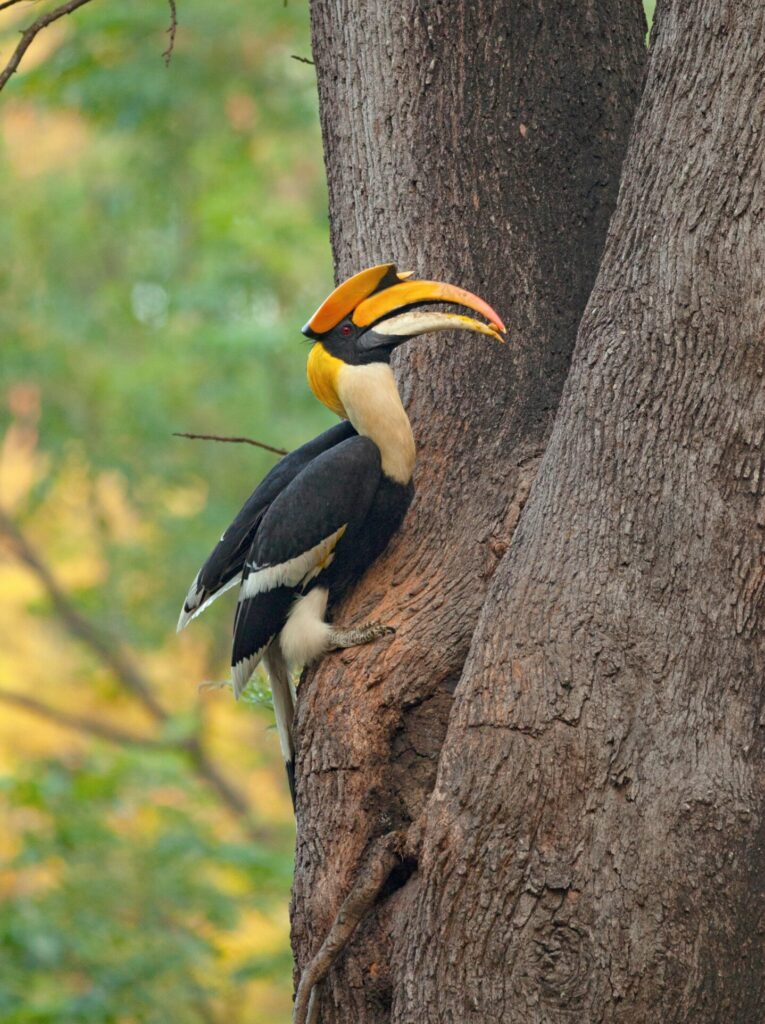
Learning to observe behaviour makes wildlife photography far more rewarding.
Use the Right Camera and Lens
Wildlife animals are rarely close to vehicles or trails, so a telephoto lens is essential for capturing clear images.
For beginners, a lens between 300mm and 600mm is usually ideal for photographing wildlife at a safe distance. Telephoto lenses allow photographers to capture detailed images without disturbing animals.
Recommended equipment for beginners often includes:
➤ DSLR or mirrorless camera with fast autofocus
➤ Telephoto lens (300mm–600mm)
➤ Extra batteries and memory cards
➤ Bean bag or camera support for safari vehicles
➤ Lens cleaning cloth for dusty conditions
While high-end gear can improve results, patience and observation are often more important than expensive equipment.
Focus on Natural Light and Timing
Lighting plays a crucial role in wildlife photography. The best lighting conditions usually occur during early morning and late evening safaris, when sunlight is softer and animals are more active.
Many national parks in India conduct safaris during these periods because wildlife activity tends to peak during cooler hours.
Golden morning light can beautifully illuminate animals such as:
➤ Bengal Tigers walking through forest clearings
➤ Indian Gaur grazing in grasslands
➤ Bar-Headed Geese flying across wetlands
➤ Crested Serpent Eagles perched on tall trees
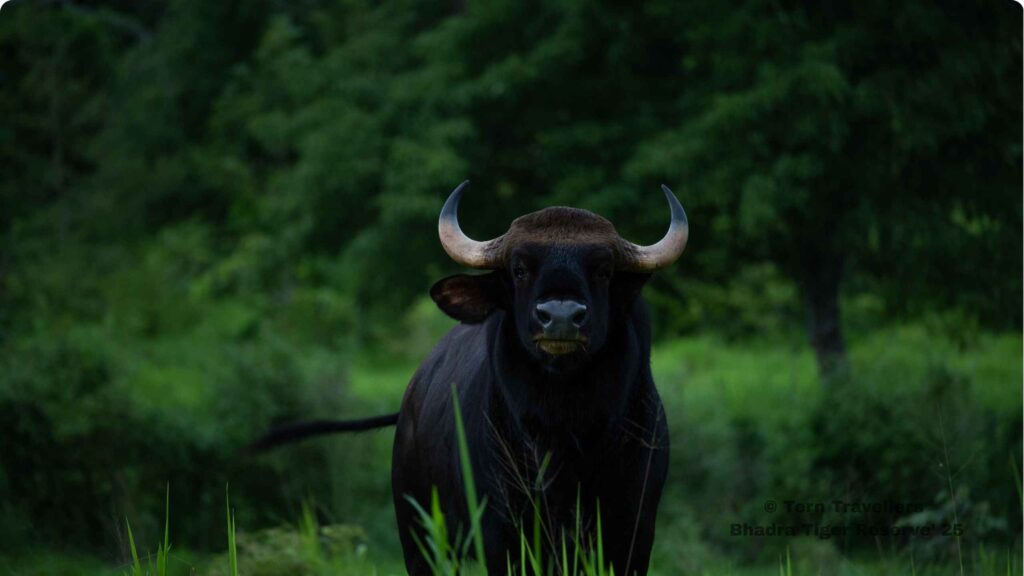
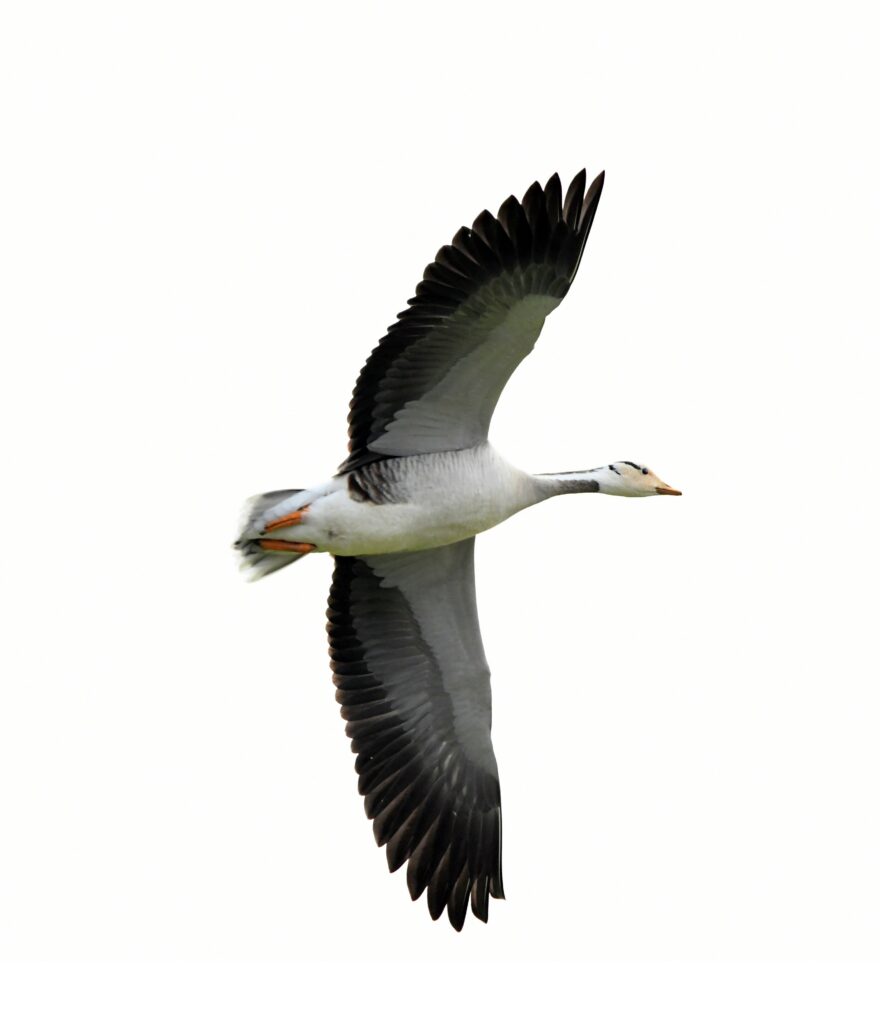
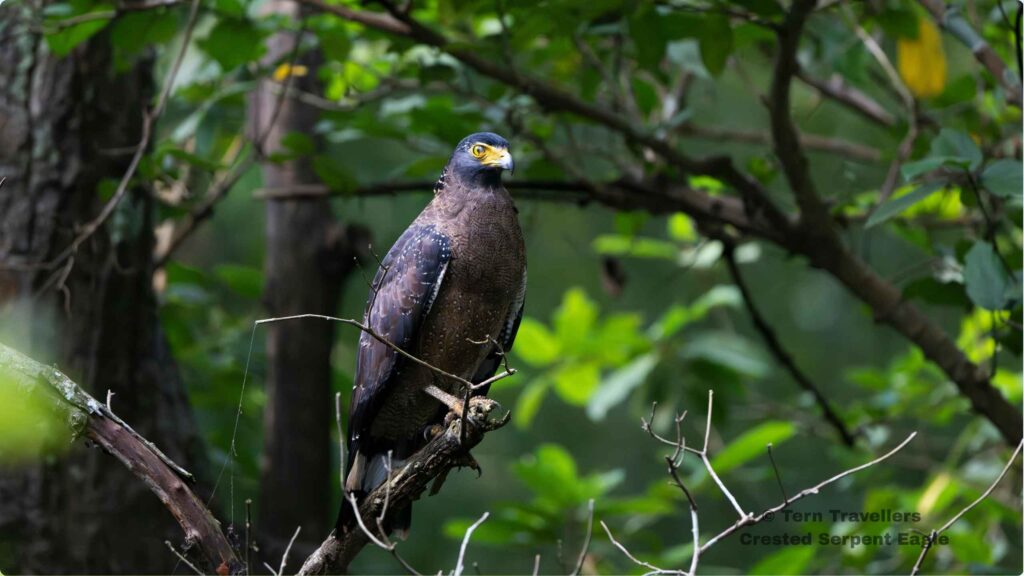
Learning to work with natural light helps photographers capture more dramatic and visually appealing images.
Practice Patience During Safaris
Wildlife photography requires patience. Animals do not appear on schedule, and sometimes the most memorable sightings occur after long periods of waiting.
Experienced photographers often spend hours observing a single location, such as a waterhole or forest clearing, where wildlife is likely to appear.
In parks like Kaziranga National Park, photographers may quietly wait for a rhinoceros to emerge from tall grasslands. In tiger reserves like Bandhavgarh National Park, waiting near forest tracks can sometimes lead to spectacular sightings.
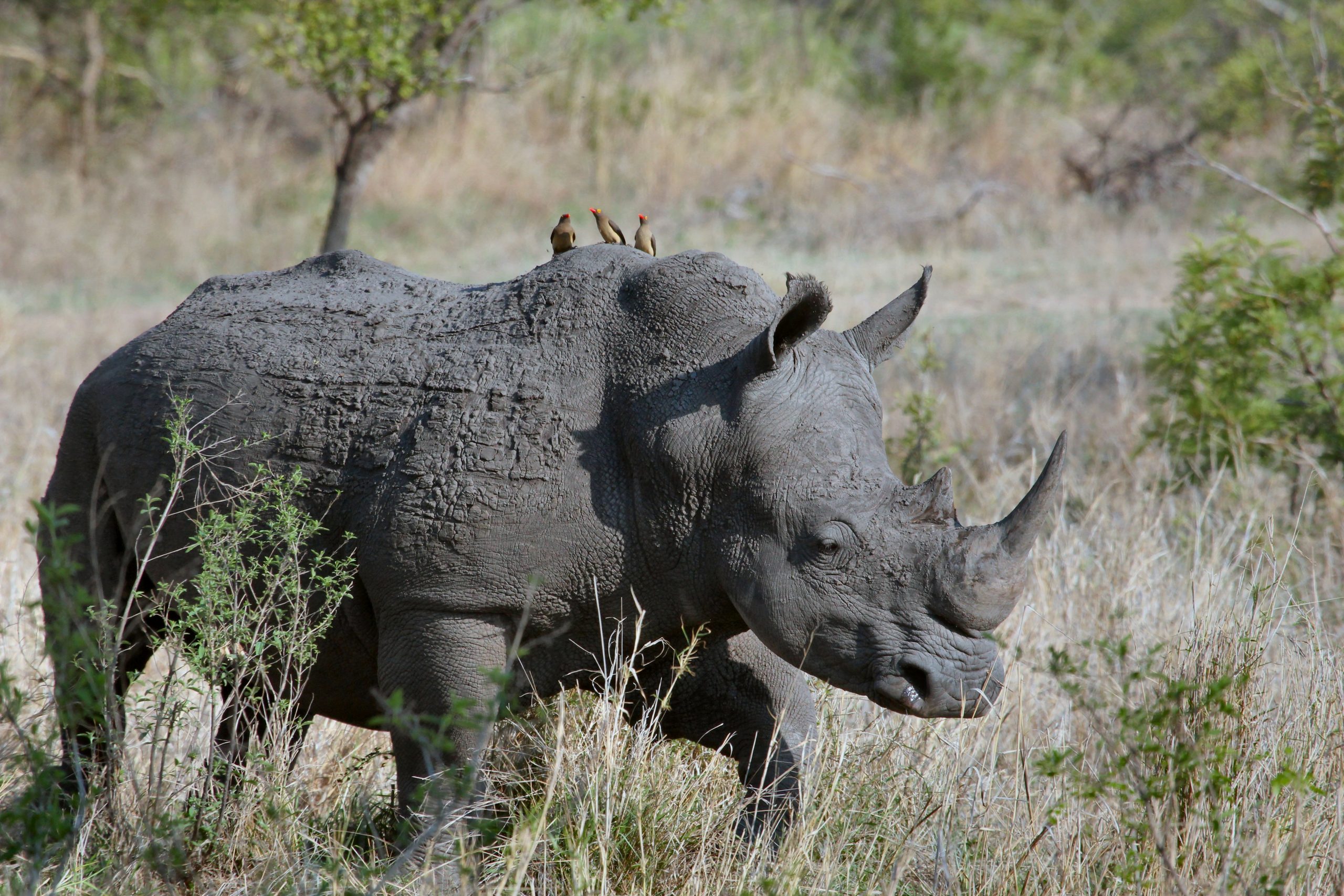

Patience allows photographers to capture behaviour rather than simply documenting sightings.
Read: Bandhavgarh Wildlife Safari Guide: Best Zones, Wildlife & When to Visit
Respect Wildlife and Follow Ethical Photography Practices
Responsible wildlife photography is essential for protecting animals and their habitats. Photographers should always prioritise the safety and well-being of wildlife over capturing the perfect shot.
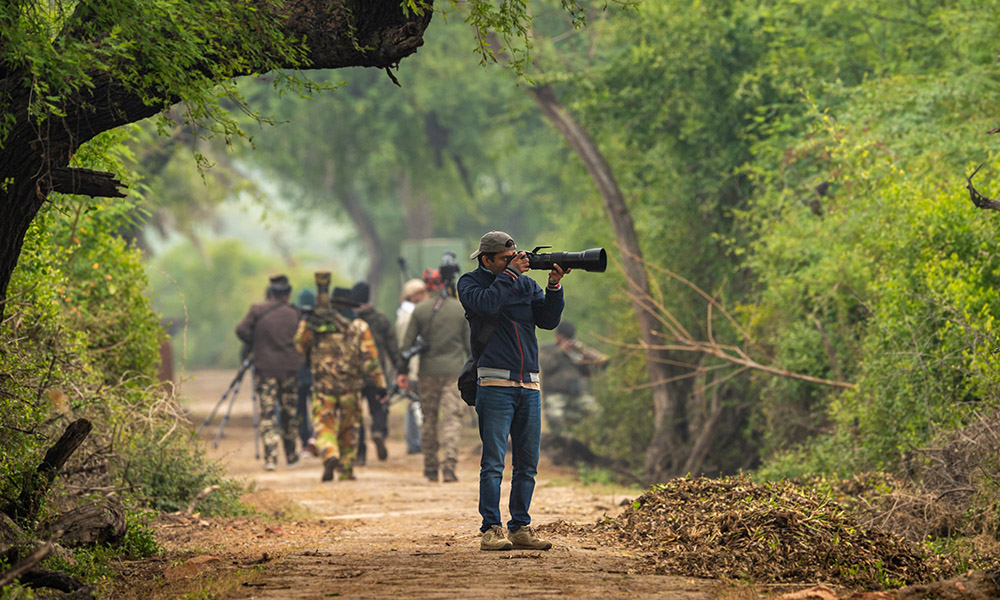
Important ethical practices include:
➤ Maintaining a safe distance from animals
➤ Avoiding loud noises or sudden movements
➤ Never feeding or attracting wildlife
➤ Following park regulations and naturalist instructions
➤ Respecting nesting birds and sensitive habitats
Ethical photography ensures that wildlife remains undisturbed while allowing photographers to capture natural behaviour.
Start Practicing with Forest Walks and Birding Trails
Before visiting major national parks, many wildlife photographers begin by practising their skills during guided forest walks and birding trails.
These experiences allow beginners to photograph smaller wildlife such as birds, butterflies, insects, and reptiles while learning about natural ecosystems.
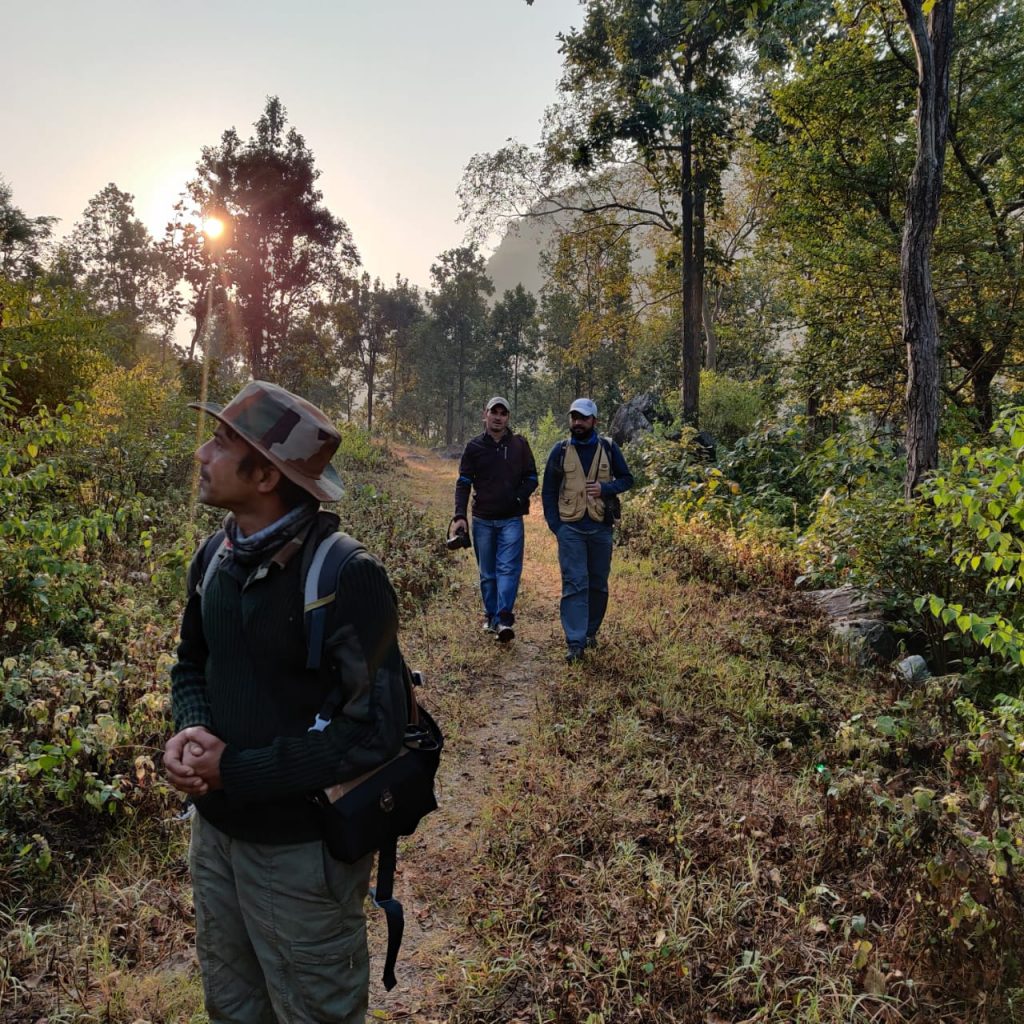
Beginner-friendly nature trails near Mumbai include:
➤ Sanjay Gandhi National Park Forest Walk
➤ Karnala Bird Sanctuary Birding Trail
➤ Matheran Forest Biodiversity Trail
➤ Bhandardara Forest and Grassland Bird Walk
➤ Tungareshwar Wildlife Sanctuary Nature Trail
➤ Yeoor Hills Forest Walk
These walks are excellent opportunities to practice photographing species like sunbirds, drongos, woodpeckers, butterflies, and forest reptiles.
Join Our Guided Forest Walks
Explore forests, learn about birds and ecosystems, and discover the hidden biodiversity around Mumbai with expert naturalists.
Still reading? Explore more: Top Biodiversity Forest Trails in Maharashtra Every Nature Lover Should Explore, A Beginner’s Guide to Planning Your First Jungle Safari in India, Top Wildlife Photography Destinations in India for 2026