
A Complete Wildlife Guide for Tiger Safari Travellers 🐅🌞
Many travellers assume that summer is not the ideal time to visit forests because of the heat. In reality, summer is one of the best seasons for tiger sightings in Central India. As temperatures rise and water sources begin to shrink, wildlife activity becomes more predictable, dramatically increasing the chances of spotting tigers and other animals during safaris.
For wildlife photographers, naturalists, and safari enthusiasts, the summer months from March to May offer some of the most rewarding wildlife experiences in India’s famous tiger reserves such as Tadoba, Pench, Bandhavgarh, and Kanha.
Understanding why summer improves wildlife sightings can help travellers plan a much more successful jungle safari.
How Summer Changes the Forest Ecosystem 🌳
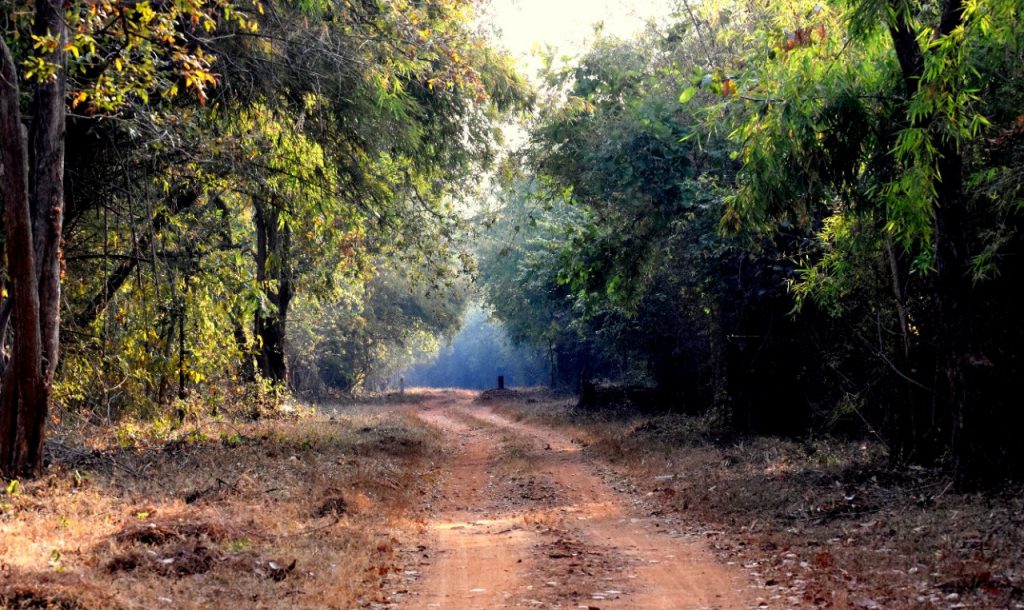
Central India’s forests are primarily dry deciduous forests, dominated by trees such as teak, sal, bamboo, and tendu. During the winter months, these forests are lush and dense, making it harder to spot animals hidden within thick vegetation.
As summer approaches, the landscape gradually transforms.
Leaves fall from many trees, undergrowth becomes thinner, and visibility inside the forest improves significantly. This natural change allows safari guides and visitors to spot wildlife from greater distances, increasing the chances of sightings.
At the same time, animals begin to rely heavily on the few remaining water sources such as lakes, streams, and waterholes.
These ecological changes make wildlife movement more concentrated and predictable, which is exactly what safari travellers hope for.
Why Tigers Are Easier to Spot in Summer 🐅
Tigers are solitary predators that require large territories and reliable access to water. During the hotter months, they frequently visit lakes, ponds, and shaded riverbanks to drink and cool down.
Because water sources become limited during summer, tigers tend to visit the same locations regularly. This makes it easier for experienced forest guides to track their movement.
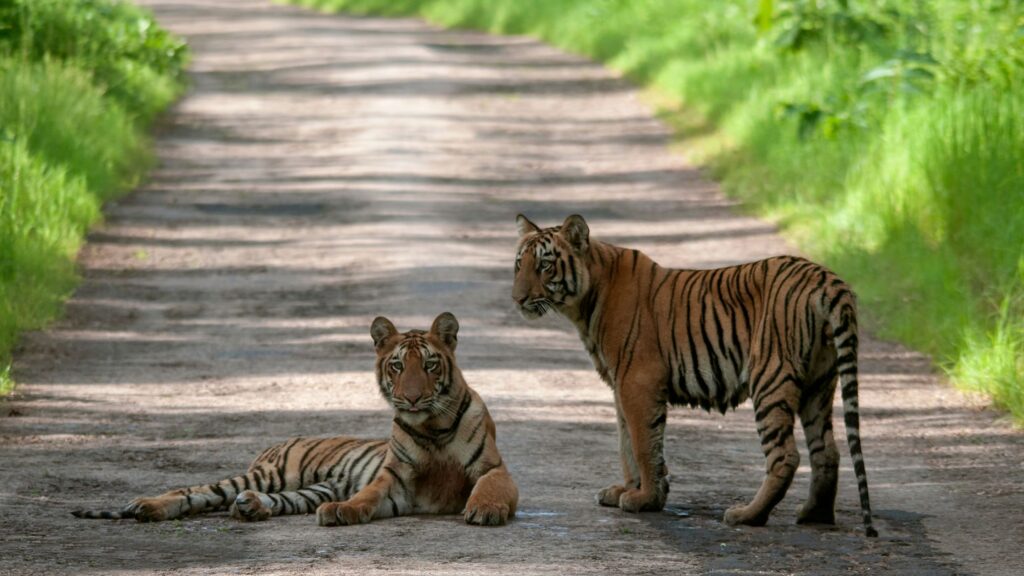
In reserves like Tadoba Andhari Tiger Reserve, sightings of tigers resting near water bodies or walking along forest tracks become much more common during summer safaris.
Visitors often witness incredible scenes such as:
➤ Tigers sitting inside shallow water pools to cool off
➤ Tigers walking along dusty forest roads during early morning safaris
➤ Tigers emerging from bamboo thickets near waterholes
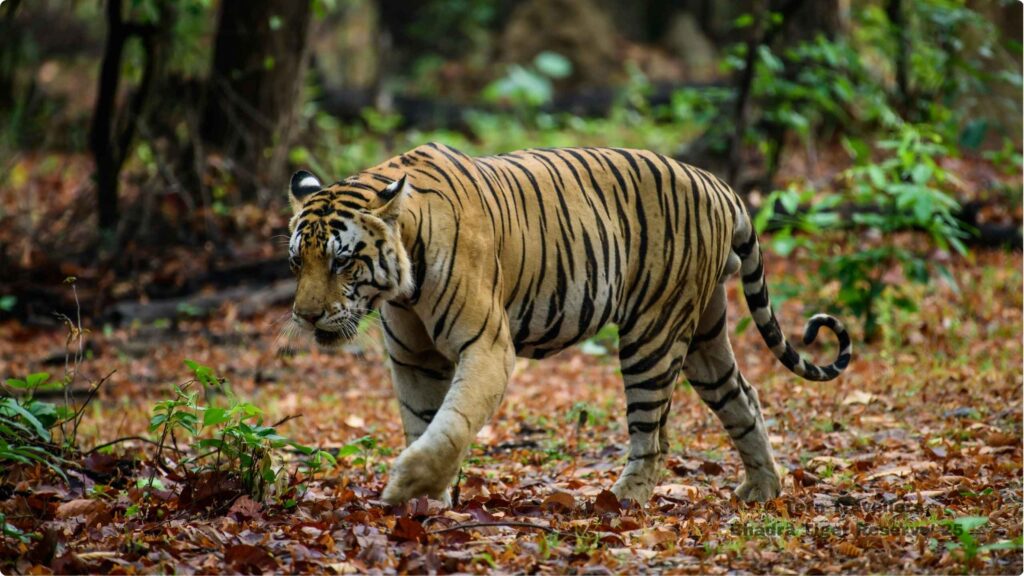
These natural behaviors create some of the most iconic tiger photography moments in India.
Read: Tiger vs Leopard vs Cheetah: Understanding the Differences Between Big Cats
Increased Wildlife Activity Around Water Sources 🦌
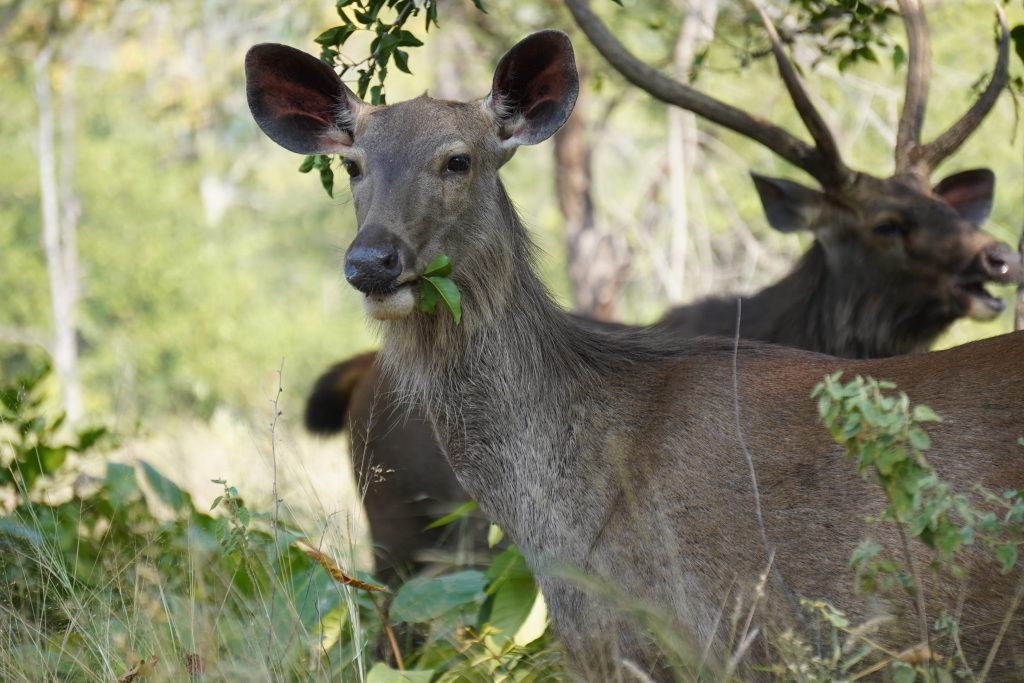
Summer also concentrates prey species near water sources. Herbivores such as sambar deer, chital (spotted deer), nilgai, and gaur frequently visit lakes and rivers to drink, often multiple times a day.
This concentration of prey naturally attracts predators.
Apart from tigers, safari travellers may also encounter leopards, dholes (Indian wild dogs), sloth bears, and striped hyenas near these areas.
Large herbivores such as gaur, wild boar, and langurs are also commonly seen grazing near forest clearings and waterholes.
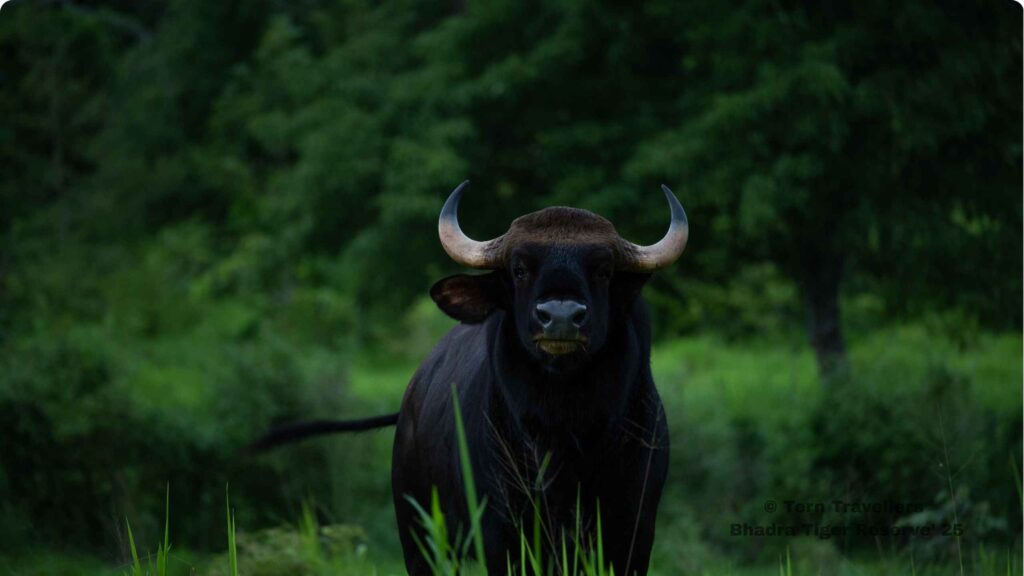
Because many species gather around the same locations, summer safaris often provide multiple wildlife sightings in a single drive.
Open Forest Landscapes Improve Visibility 🌿
Another major advantage of summer safaris is improved visibility. As vegetation dries out and leaves fall, the forest becomes less dense.
This makes it easier to detect wildlife movement, track animals across clearings, and observe predator-prey interactions.
In parks like Bandhavgarh National Park and Pench National Park, open grasslands and river valleys offer spectacular opportunities to watch wildlife from a safe distance.
Safari vehicles can often see animals hundreds of meters away, something that is much more difficult during the dense greenery of winter or monsoon seasons.
Birdwatching Is Excellent During Summer 🦅
While many travellers visit these forests primarily for tiger sightings, summer is also a fantastic time for birdwatching in Central India.
Water bodies attract a wide range of birds, including raptors and water birds. Birdwatchers frequently spot species such as:
➤ Crested Serpent Eagle
➤ Grey-headed Fish Eagle
➤ Changeable Hawk Eagle
➤ Indian Paradise Flycatcher
➤ Lesser Golden-backed Woodpecker
➤ White-throated Kingfisher
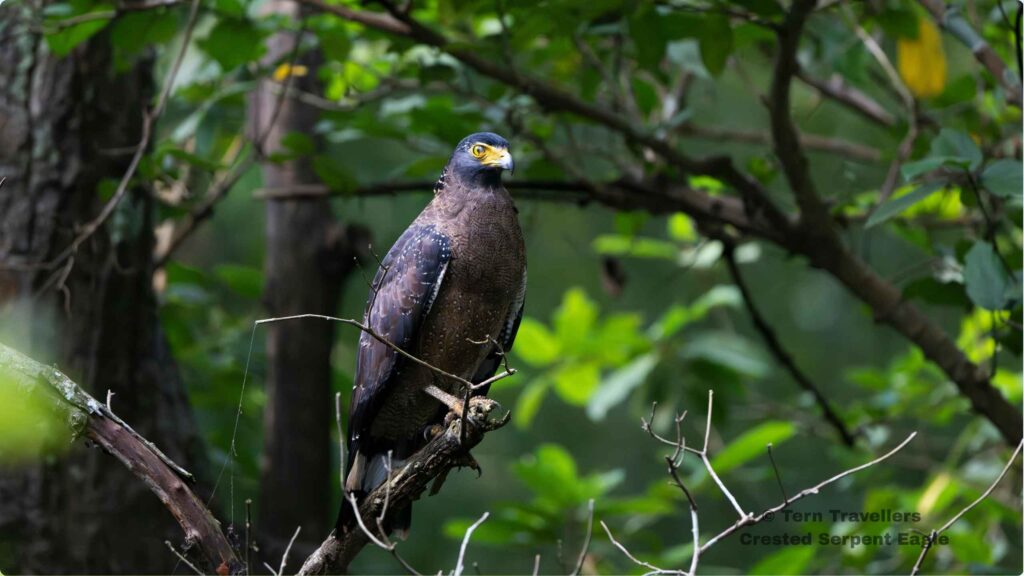
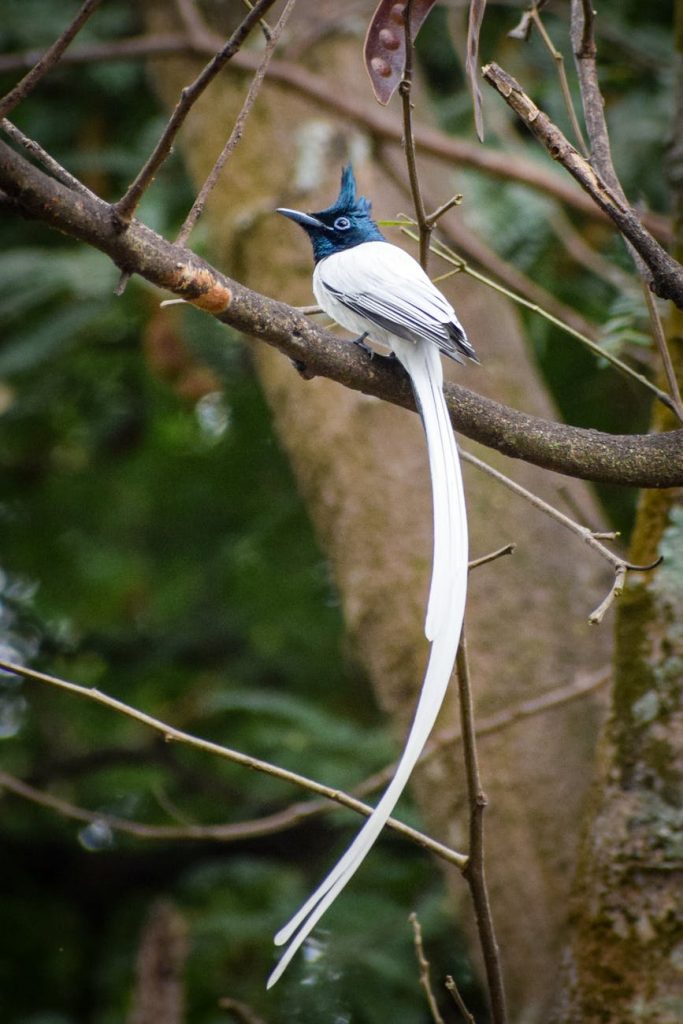
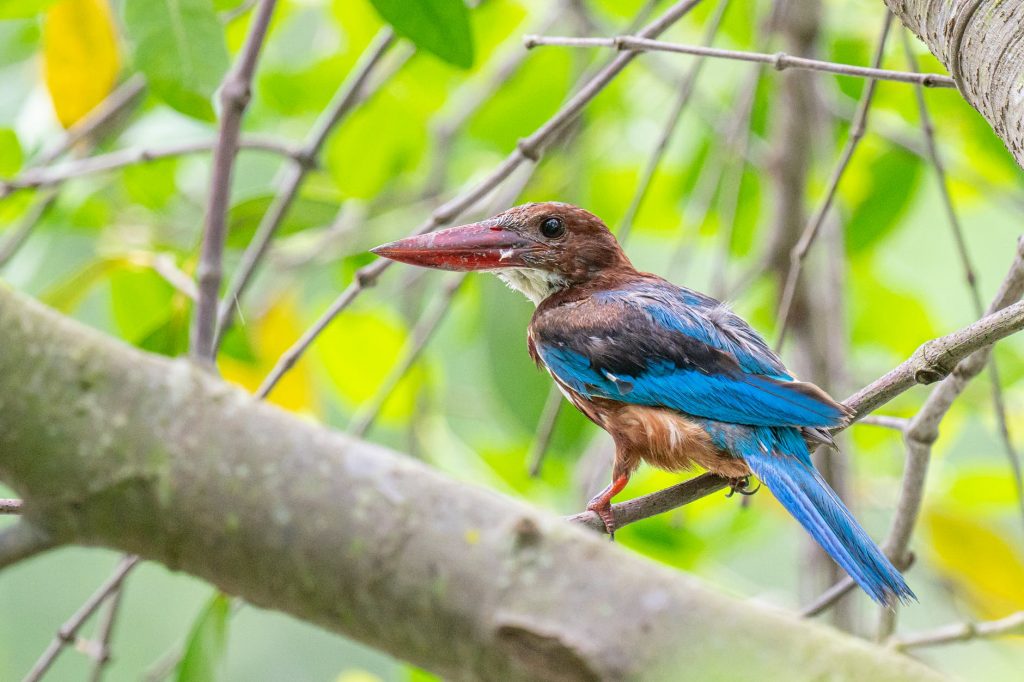
Early morning safaris are particularly rewarding, as bird activity is highest during the cooler hours of the day.
Best Tiger Reserves to Visit in Summer 🌏
Central India hosts some of the best tiger reserves in the world, and summer is the peak season for wildlife sightings in many of them.
Tadoba Andhari Tiger Reserve (Maharashtra)
Tadoba is famous for its high tiger density and open forest landscapes. Summer sightings here are extremely rewarding, with tigers often seen near Tadoba Lake and other water bodies.
Apart from tigers, visitors frequently encounter leopards, sloth bears, dholes, gaur, and marsh crocodiles.
Bandhavgarh National Park (Madhya Pradesh)
Bandhavgarh is often referred to as the Tiger Capital of India. The park’s compact safari zones and strong tiger population make it one of the most reliable places to see tigers in the wild.
Summer sightings here are particularly impressive, especially around grasslands and waterholes.
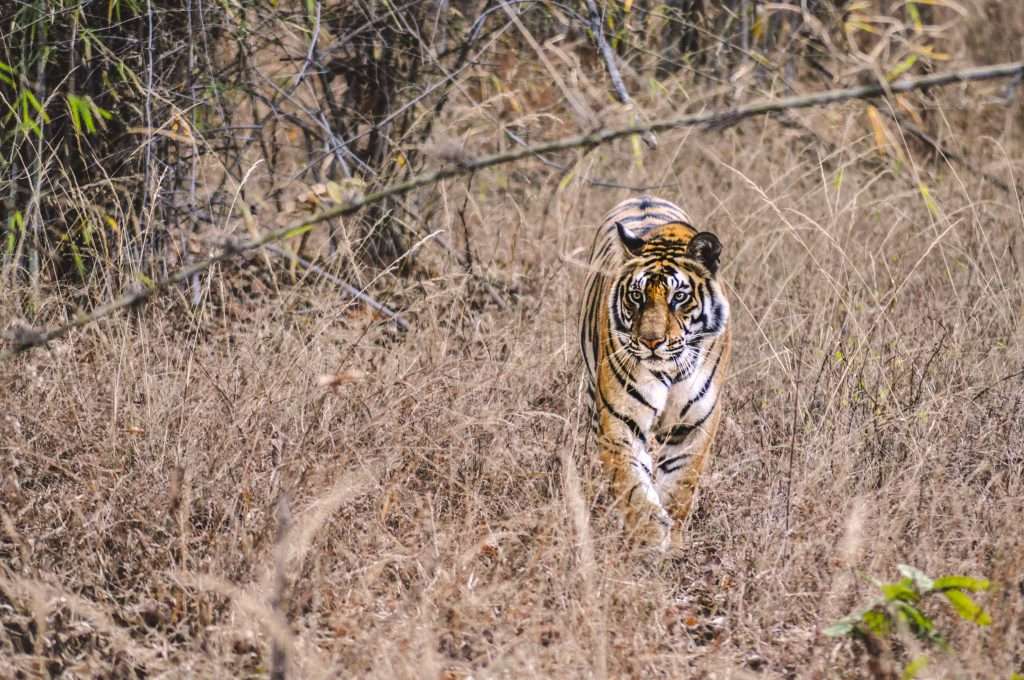
Kanha National Park (Madhya Pradesh)
Kanha is one of the most scenic wildlife reserves in India, known for its beautiful sal forests and expansive meadows.
Apart from tigers, Kanha is famous for the conservation success of the barasingha (swamp deer). Visitors also frequently spot leopards, wild dogs, and gaur.
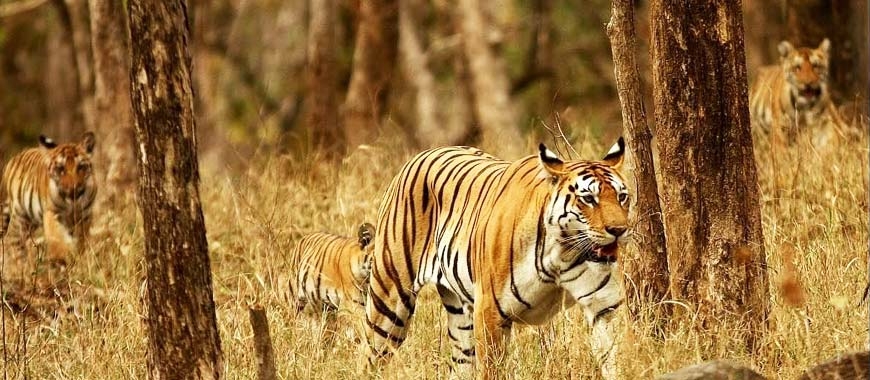
Pench National Park (Madhya Pradesh & Maharashtra)
Known as the inspiration behind Rudyard Kipling’s Jungle Book, Pench offers a classic Central Indian safari landscape.
Its teak forests, open grasslands, and river valleys create excellent conditions for wildlife sightings during summer.
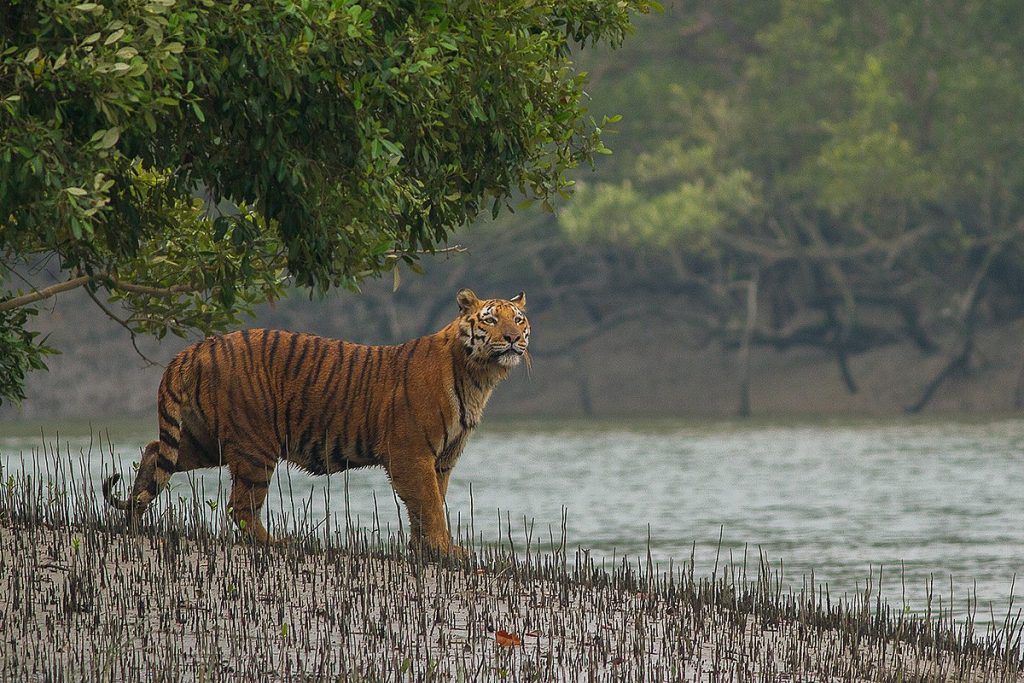
Read: Tadoba vs Pench vs Bandhavgarh: Which Tiger Reserve Should You Choose?
Why Wildlife Photographers Prefer Summer 📸
Many professional wildlife photographers prefer summer for several reasons.
First, animals gather around predictable locations, making photography opportunities more frequent. Second, the golden light of early mornings and evenings creates dramatic lighting conditions inside the forest.
Photographers also get unique chances to capture rare behaviors such as:
➤ Tigers swimming or resting in water
➤ Predator-prey interactions near lakes
➤ Territorial displays between big cats
These moments often produce some of the most powerful wildlife images from India’s forests.
Read: Top National Parks in India for Wildlife Photography and Safari Experiences
Tips for Planning a Summer Tiger Safari 🧭
If you plan to visit during summer, a few simple preparations can make your safari more comfortable.
➤ Choose early morning safaris to avoid peak heat
➤ Wear light cotton clothing in neutral colors
➤ Carry water, sunscreen, and a hat
➤ Bring binoculars for distant wildlife sightings
➤ Always follow forest guide instructions and safari rules
Despite the warm weather, most safari vehicles provide shade, and the thrill of spotting wildlife easily outweighs the heat.
The Magic of India’s Summer Jungles
Summer reveals a completely different side of India’s forests. The landscape may appear dry and rugged, but it becomes a stage for some of the most dramatic wildlife encounters.
With tigers visiting waterholes, predators tracking prey, and birds gathering near lakes, every safari drive holds the possibility of an unforgettable sighting.
For travellers hoping to see the Royal Bengal Tiger in the wild, summer remains one of the most rewarding seasons to explore the legendary jungles of Central India.
If you truly want to experience the thrill of the wild, there is no better time to step into the forest than summer in tiger country. 🐅🌿
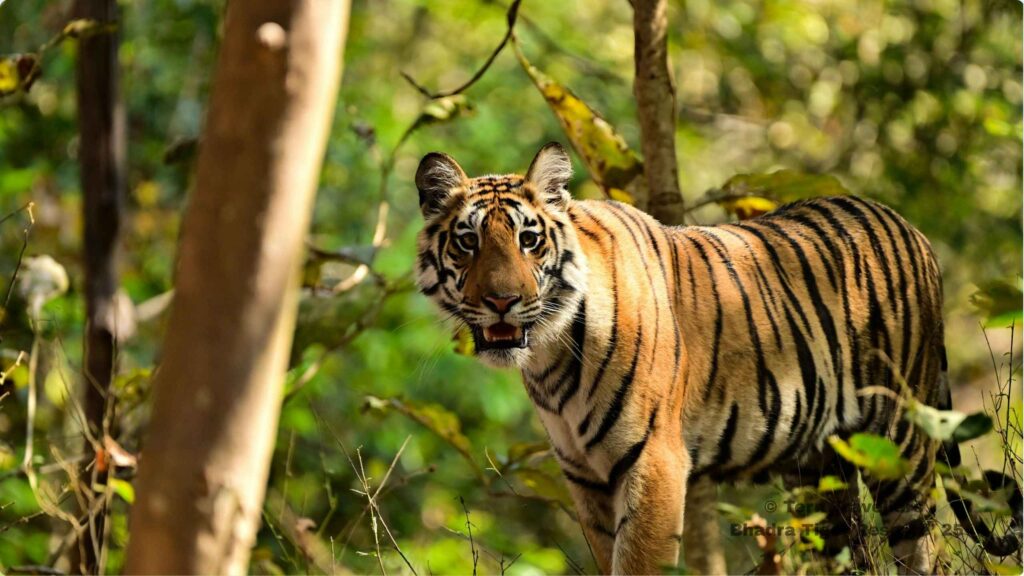
If you’re planning to experience the thrill of spotting a tiger in the wild, we organise curated wildlife trips to some of India’s finest reserves including Tadoba Andhari Tiger Reserve, Bandhavgarh National Park, Kanha National Park, and Pench National Park.
Whether you’re a first-time safari traveller, wildlife photographer, or nature enthusiast, our team can help you plan the right safari experience.
📩 Message us on WhatsApp to get detailed itineraries, safari availability, and upcoming wildlife departures.
Let us help you plan an unforgettable journey into India’s tiger country. 🐅🌿
Read more: Best Tiger Safaris in India for First-Time Wildlife Travelers, Ultimate Guide to Multi-Day Wildlife Safari in India, The Only Gear Checklist You Need for Birding, Safaris & Forest Walks (Complete Guide)