
A Complete Guide to Birdwatching in the Kumaon Himalayas 🐦🏔️
India is one of the world’s most exciting countries for birdwatching, with over 1,300 recorded bird species spread across diverse ecosystems ranging from wetlands and grasslands to rainforests and high mountain forests. Among these remarkable locations, Pangot and Sattal in Uttarakhand stand out as two of the best birding destinations in India.
Situated in the beautiful Kumaon region of the Himalayan foothills, these two locations form one of the most productive birding circuits in North India. With dense oak forests, tranquil freshwater lakes, mid-altitude Himalayan habitats, and close proximity to the rich Corbett landscape, the Sattal–Pangot region supports an incredible diversity of birds.
For birdwatchers, wildlife photographers, and nature enthusiasts, this circuit offers an ideal combination of spectacular scenery, easy access, and extraordinary bird diversity.
A Birding Paradise Between the Himalayas and the Plains 🌿
One of the main reasons Pangot and Sattal are so rich in birdlife is their unique geographical location. The region lies at the transition zone between the Himalayan mountain ranges and the Indo-Gangetic plains, creating a remarkable blend of ecosystems.
The wider Corbett landscape, including surrounding forests, wetlands, river valleys, and foothill habitats, supports over 600 species of birds, making it one of the richest bird habitats in Asia.
This diversity includes a mix of:
➤ Himalayan resident birds
➤ Altitudinal migrants moving between elevations
➤ Long-distance Palearctic migrants
➤ Seasonal summer visitors
Because these birds occupy different ecological niches, birdwatchers can encounter a wide range of species within a relatively small area.
Sattal – A Wetland and Woodland Birding Haven 🌊🐦
The journey usually begins in Sattal, a peaceful lake district whose name literally means “seven lakes.” Surrounded by mixed woodland and freshwater ecosystems, Sattal offers excellent birding opportunities right from the forest trails around the lakes.
The combination of dense forest, bamboo groves, and open water attracts a variety of colorful and charismatic bird species.
Some of the most frequently observed birds in Sattal include:
➤ Great Barbet
➤ Blue-throated Barbet
➤ Rufous-bellied Niltava
➤ Grey-headed Canary Flycatcher
➤ Red-billed Blue Magpie
➤ Blue Magpie
➤ Collared Falconet
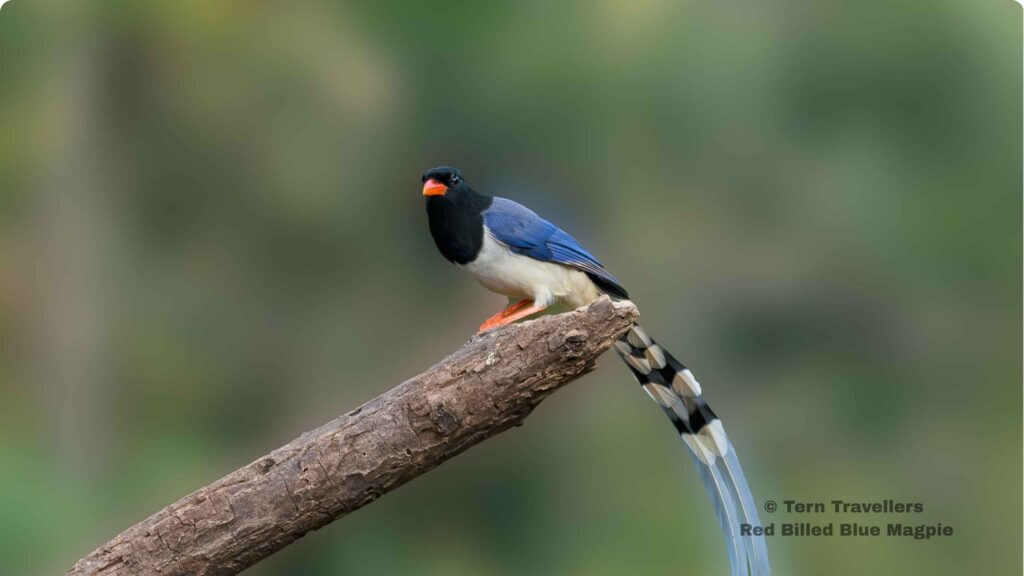
Early mornings around the lakes are particularly rewarding, when the forest comes alive with bird calls and soft golden light filters through the trees. These conditions make Sattal an excellent location for close-range bird photography.
During the warmer months, birdwatchers may also encounter Indian Pitta, Hooded Pitta, and various cuckoo species, which arrive as summer visitors.
Pangot – Mid-Altitude Himalayan Forest Birding 🌲
Just 15 kilometers from Sattal, the village of Pangot lies at a slightly higher elevation and is surrounded by oak, conifer, and rhododendron forests. This change in altitude introduces birders to an entirely different set of Himalayan species.
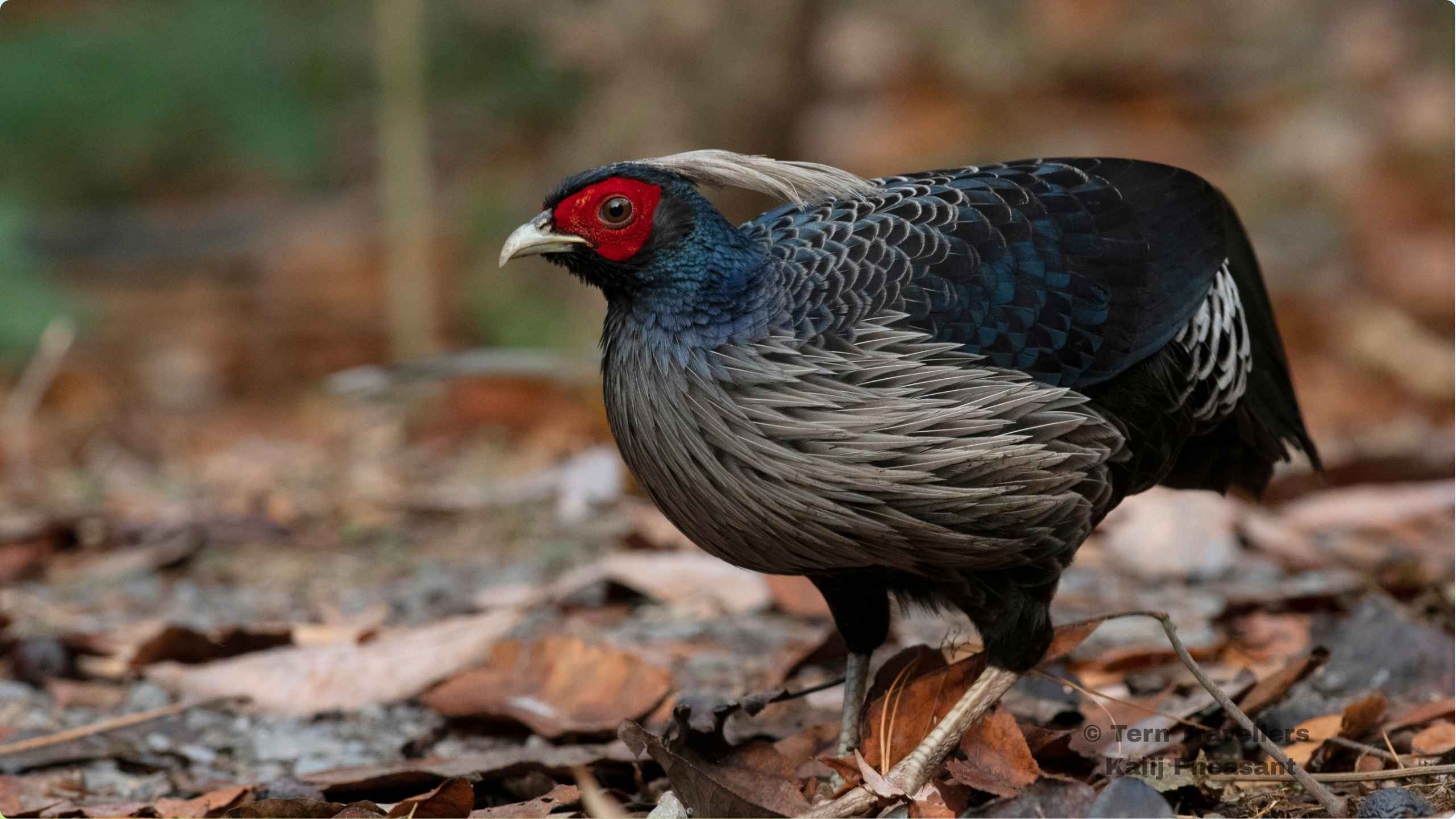
Pangot is particularly famous for its pheasants and forest birds, which thrive in these cool temperate forests.
Birdwatchers visiting Pangot often hope to encounter species such as:
➤ Koklass Pheasant
➤ Kalij Pheasant
➤ Himalayan Woodpecker
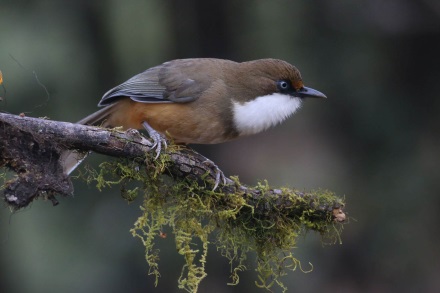
➤ White-throated Laughingthrush
➤ Rufous Sibia
➤ Himalayan Griffon
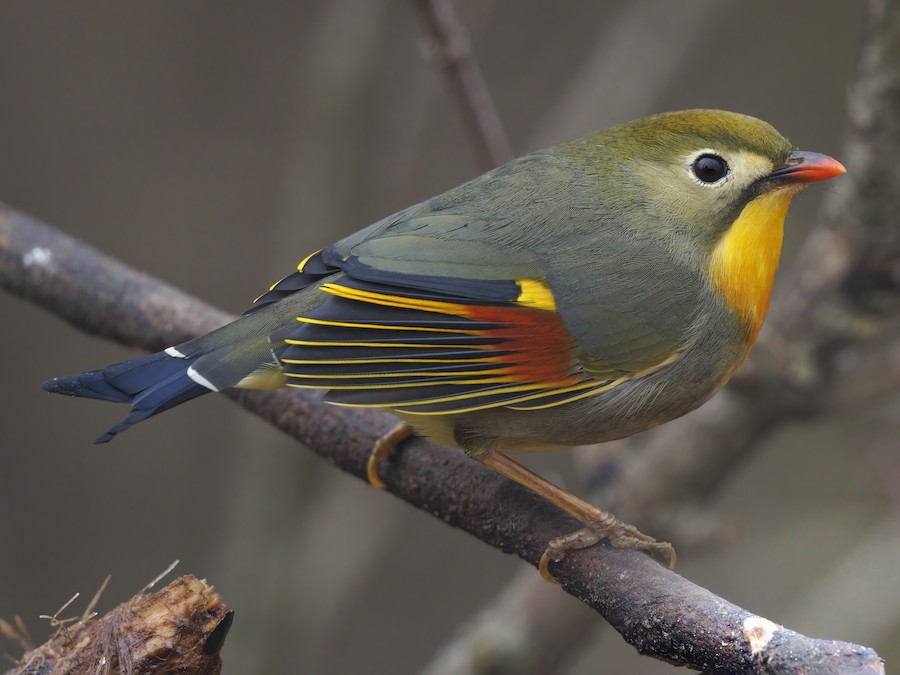
The surrounding forests also host numerous small insectivorous birds like Blue-winged Minla, Red-billed Leiothrix, and Yellow-bellied Fantail, which move actively through mixed hunting flocks.
Because the habitat is relatively undisturbed, bird activity here remains consistently high throughout the day.
A Unique Altitudinal Birding Circuit 🏔️
One of the biggest advantages of the Sattal–Pangot birding circuit is the gradual change in altitude between the two locations.
Within a short travel distance, birders can move from lower elevation lake forests to higher Himalayan woodlands, encountering entirely different bird communities along the way.
This makes the circuit incredibly efficient for birding, especially for international visitors with limited travel time. Instead of traveling long distances between habitats, birdwatchers can experience multiple ecosystems within a compact geographic area.
The region is particularly famous for altitudinal migrants, birds that move between elevations depending on the season.
Some of the most sought-after species in this category include:
➤ Siberian Rubythroat
➤ White-tailed Rubythroat
➤ Ibisbill
➤ Wallcreeper
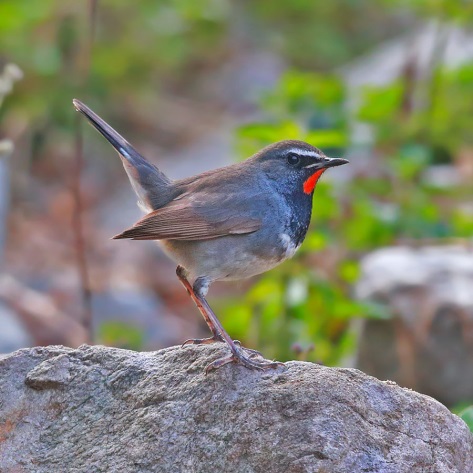
These species are rarely seen in many parts of the world, making sightings here especially exciting for visiting birders.
Rich Habitats Supporting Extraordinary Bird Diversity
The broader birding region around Pangot and Sattal includes a wide variety of habitats such as:
➤ Broad-leaved Himalayan forests
➤ Riverine valleys and streams
➤ Coniferous and rhododendron forests
➤ Wetlands and freshwater lakes
➤ Grasslands and forest clearings
Because each habitat supports different species, the overall bird diversity remains exceptionally high.
Birdwatchers exploring these landscapes may encounter fascinating species including Long-tailed Broadbill, Mountain Hawk Eagle, Pallas’s Fish Eagle, Brown Fish Owl, Tawny Fish Owl, Common Green Magpie, and Himalayan Parakeet.
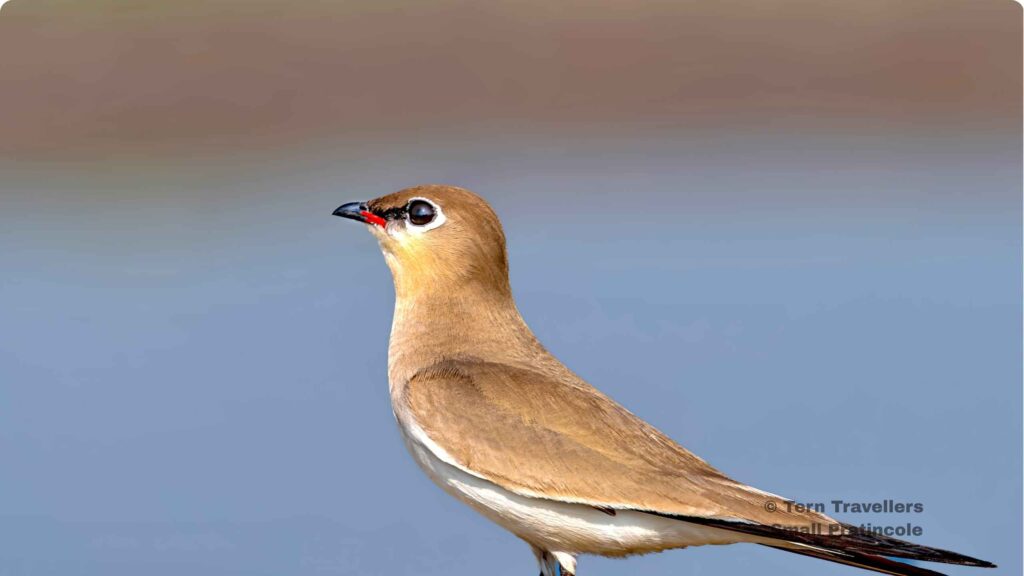
In addition, riverbanks and open gravel beds sometimes reveal rare species such as Ibisbill, Small Pratincole, Temminck’s Stint, and various Forktail species.
More Than Just Birds – Mammals of the Region 🦌
Although birding is the primary focus, the forests of Pangot and Sattal also support a variety of mammals.
Visitors occasionally encounter species such as:
➤ Himalayan Langur
➤ Barking Deer
➤ Sambar Deer
➤ Ghoral (mountain goat antelope)
➤ Indian Crested Porcupine
➤ Smooth-coated Otter
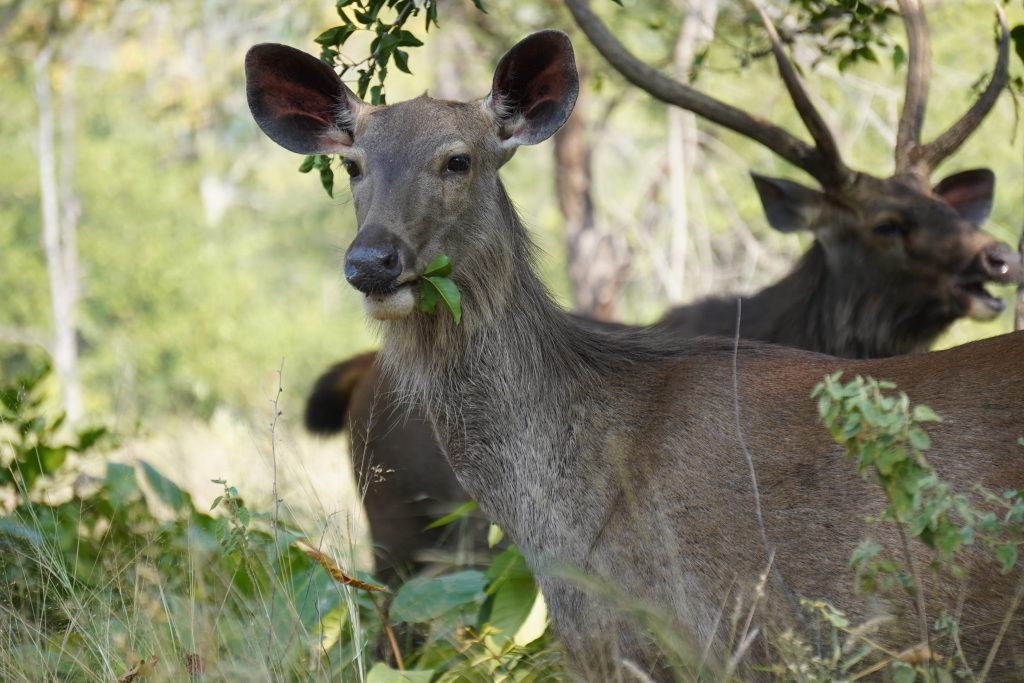

Predators such as leopards are present in the region, although they are rarely seen.
These additional wildlife encounters make the experience even more rewarding for nature lovers.
A Perfect Introduction to Himalayan Birding
For many birdwatchers visiting India for the first time, the Sattal–Pangot circuit provides a gentle introduction to Himalayan birding.
Unlike high-altitude expeditions that require demanding treks, this region offers comfortable eco-lodges, excellent road access, and productive forest trails. Birding often begins right outside the lodge, allowing visitors to maximize their time in the field.
Because experienced bird guides know the best forest trails and bird territories, travellers spend more time observing birds and less time traveling between locations.
Best Time for Birdwatching in Pangot & Sattal 📅
The most productive birding season typically runs from October to April, when migratory birds arrive in the region and forest activity remains high.
However, the months between November and May also offer excellent birdwatching opportunities.
During this period, birders can encounter:
➤ Winter migrants from Central Asia
➤ Altitudinal migrants descending from higher Himalayas
➤ Resident Himalayan forest birds
Spring months also bring increased bird activity as many species begin breeding and singing.
Why Pangot & Sattal Are Among India’s Top Birding Destinations
Few places in India offer such extraordinary bird diversity within such a compact region. The combination of lakes, forests, and Himalayan landscapes creates ideal conditions for birdwatching throughout the year.
From vibrant barbets and laughingthrushes to elusive species like Wallcreeper and Ibisbill, the region continues to attract birdwatchers from across the world.
For anyone interested in Himalayan forest birds, pheasants, migratory species, and scenic mountain birding, Pangot and Sattal remain two of the most rewarding destinations in India.
With their remarkable biodiversity, peaceful landscapes, and world-class birding opportunities, these Himalayan forests truly deserve their reputation as one of the finest birdwatching circuits in the country. 🐦🏔️
Want to book this birding trip to Pangot & Sattal? 🐦🏔️
Explore one of India’s richest Himalayan birding landscapes with guided forest walks, expert birding support, and comfortable nature stays.
Read more: Nameri & Eaglenest: One of the Best Birding Regions in the Eastern Himalaya, Top Birds You Can Spot in Nagarhole National Park, Birding in East Sikkim: Exploring the Eastern Himalaya Biodiversity Hotspot