
Your first bird walk rarely feels extraordinary when you sign up for it. Most people expect a relaxed walk outdoors, a few bird sightings, maybe some photographs, and a pleasant morning in nature.
But somewhere between the first bird call you hear and the final sighting of the walk, something quietly changes. Bird walks reshape the way you observe nature, your surroundings, and even everyday life.

Here are the things people truly notice only after experiencing their very first bird walk.
You Start Hearing Before Seeing
One of the biggest surprises for beginners is realizing that birdwatching begins with listening rather than looking. Experienced birders often identify species through sound long before spotting them visually.
Chirps, whistles, calls, and distant notes that once blended into background noise suddenly stand out. After your first walk, morning sounds feel richer, and you may find yourself trying to identify birds simply by their calls.
Nature stops feeling silent and starts feeling alive.
Read: 10 Birds Every Beginner Birder Should Learn to Identify in India
Familiar Places Feel Completely Different
Places you have visited countless times suddenly reveal hidden activity. A park, lake, or mangrove trail that once seemed ordinary begins to show layers of life — nesting behaviour, feeding patterns, territorial movements, and seasonal visitors.
Urban green spaces transform into thriving ecosystems once you understand where and how to observe. After one bird walk, you rarely see open spaces as empty again.
You Learn the Value of Slowing Down
Birding naturally teaches patience. Unlike fast-paced sightseeing, birds reward stillness and observation.
Standing quietly often leads to the most memorable moments — a kingfisher diving into water, a sunbird hovering near flowers, or a raptor soaring effortlessly overhead. Many participants realize that bird walks are less about chasing sightings and more about being fully present in the moment.
Observation Becomes More Important Than Photography
Many beginners arrive focused on capturing the perfect photograph. However, something shifts during the experience.
Watching behaviour becomes more exciting than taking pictures. Understanding identification feels more rewarding than collecting images. Gradually, binoculars replace screens, and appreciation replaces urgency.
The experience becomes about connection rather than documentation.
You Begin Noticing Small Details Everywhere
After a bird walk, observation skills naturally improve. Movement in treetops, silhouettes in flight, seasonal flowering trees, and habitat differences suddenly become noticeable.
Even daily commutes begin revealing birds you previously overlooked. Birding trains your mind to observe details, making everyday environments more engaging and dynamic.
You Understand Ecosystems in a New Way
Bird walks introduce ecological awareness without feeling technical. Participants begin understanding how habitats function and how wildlife responds to environmental changes.
You notice how wetlands support migratory species, how flowering cycles attract nectar feeders, and how tides or seasons influence bird movement. Conservation becomes meaningful because you have witnessed these connections firsthand.
The Birding Community Feels Unexpectedly Welcoming
Another pleasant surprise is the community itself. Bird walks bring together photographers, students, families, researchers, and curious beginners, all connected by shared curiosity rather than expertise.
There is no competition — only shared excitement when someone spots a new species. The experience becomes collaborative, educational, and enjoyable for everyone involved.
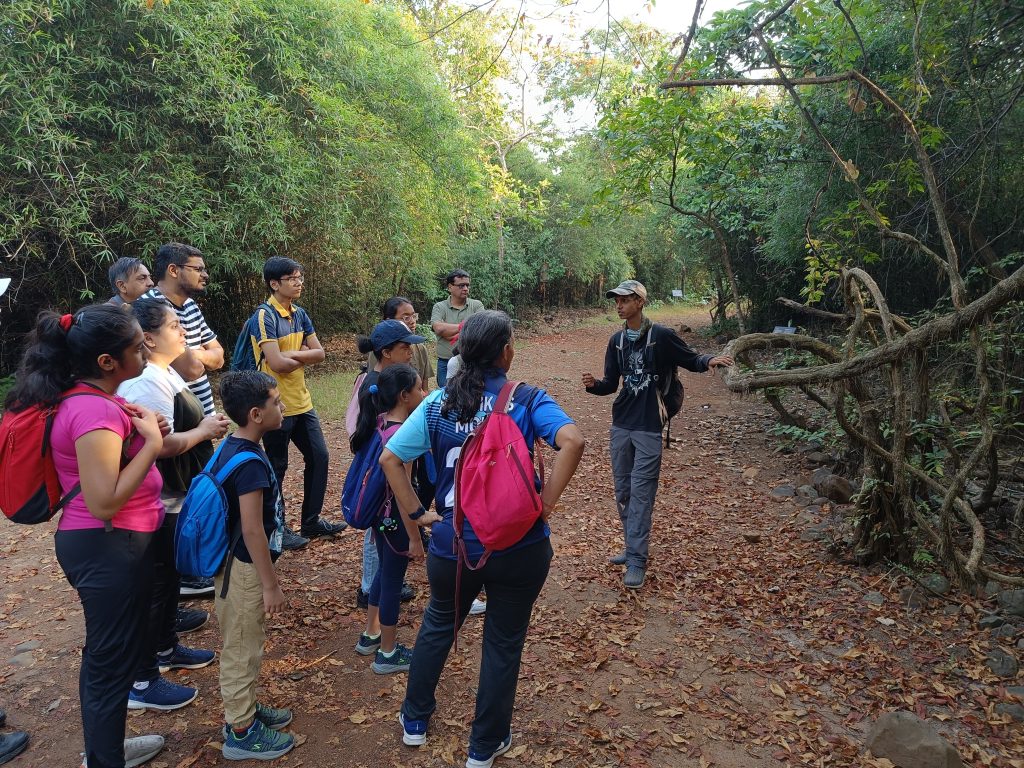
You Leave Feeling Mentally Refreshed
Many participants describe bird walks as deeply calming experiences. Early mornings, natural soundscapes, slow exploration, and mindful observation create a powerful sense of relaxation.
Without realizing it, you disconnect from daily stress and reconnect with nature. Bird walks often feel less like an activity and more like a mental reset.
The Real Change Happens After the Walk
The most interesting realization comes later. Days after your first bird walk, you may find yourself looking up at flying silhouettes, listening more carefully to morning sounds, or planning your next nature outing.
Birdwatching does not end when the walk finishes. It quietly becomes a new way of experiencing the world.
Read: Beginner’s Guide to Birdwatching: Essential Tips for Your First Birding Trip, Best Birdwatching Destinations in India Every Birder Should Visit, Why Guided Bird Walks Are Better Than Exploring Alone
Join our upcoming guided bird walk which are designed for beginners as well as passionate nature enthusiasts who want to explore biodiversity more meaningfully.