
Walking through a forest may seem simple at first — trees everywhere, birds calling in the distance, and insects buzzing around. But to a trained naturalist, every sound, movement, and leaf tells a story. Identifying birds, trees, and wildlife in the wild is a skill developed through observation, patience, and knowledge of ecosystems.
Naturalists rely on a combination of visual clues, sounds, behaviour, habitat, and ecological patterns to identify species during forest walks. This is why guided nature trails are often far more rewarding than exploring alone — an experienced naturalist helps you see the forest in a completely different way.
Here is how naturalists identify wildlife during forest walks.
Listening to Bird Calls and Songs
Birds are often heard before they are seen. Forest canopies are dense, and many species remain hidden among leaves and branches. Naturalists therefore rely heavily on bird calls to identify species.
For example, the Malabar Whistling Thrush is famous for its flute-like whistling song that echoes through forest valleys. The repetitive metallic call of the Coppersmith Barbet sounds like a hammer striking metal, making it easy to recognise even from a distance.
Other distinctive bird calls include:
• the loud, laughing call of the White-throated Kingfisher
• the melodious song of the Tickell’s Blue Flycatcher
• the sharp alarm call of the Rufous Treepie
• the metallic notes of the Greater Racket-tailed Drongo
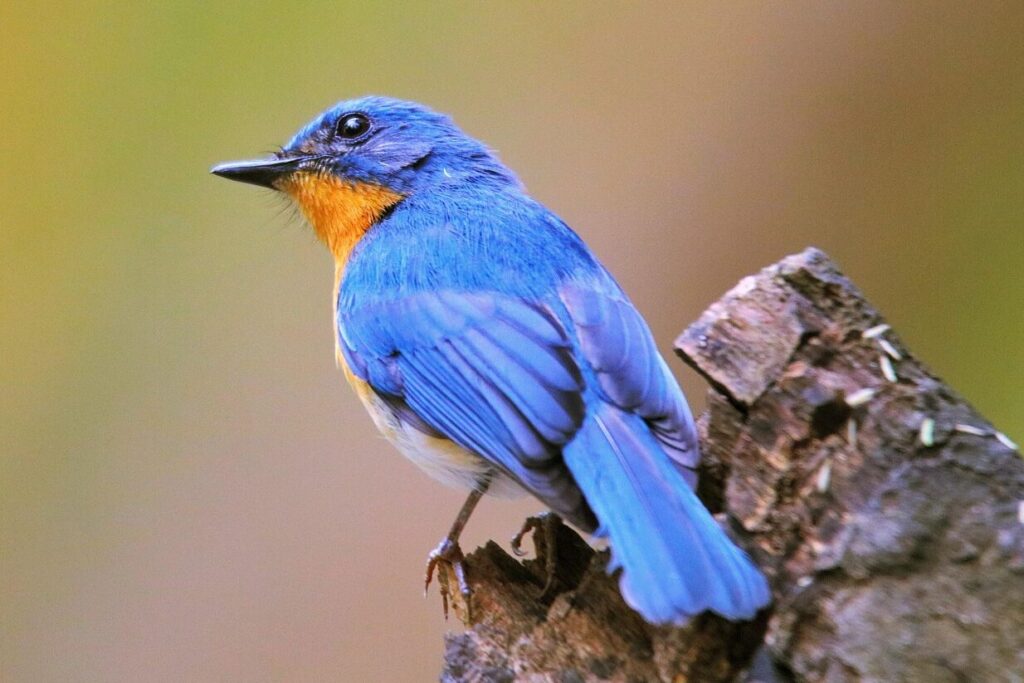

By learning these calls, naturalists can identify birds even when they remain hidden in the canopy.
Observing Bird Behaviour
Behaviour is another important clue when identifying birds. Different species move, feed, and perch in distinctive ways.
For example:
• Flycatchers frequently dart from branches to catch insects in mid-air.
• Woodpeckers cling vertically to tree trunks while tapping for insects.
• Sunbirds hover briefly near flowers while feeding on nectar.
• Drongos often sit on exposed branches before chasing insects.
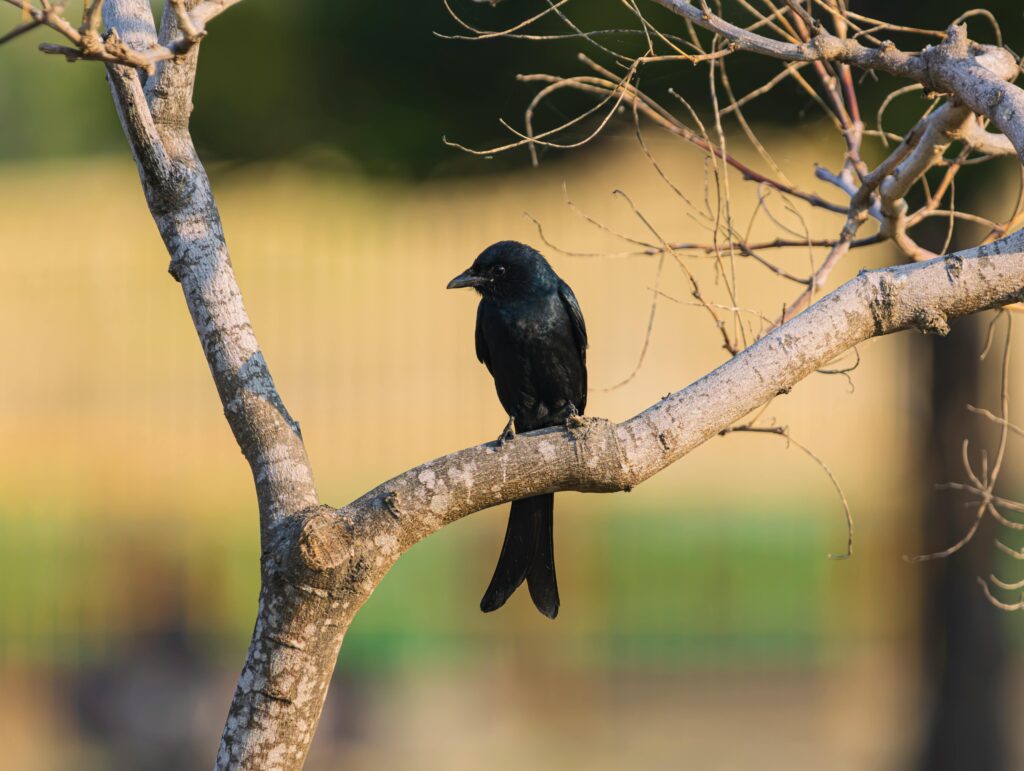
Naturalists also watch for mixed hunting flocks — groups of birds moving together while feeding. These flocks often include species such as drongos, flycatchers, leafbirds, and warblers.
Understanding these patterns helps identify species quickly during forest walks.
Identifying Trees by Leaves, Bark and Fruits
Trees are a fundamental part of forest ecosystems, and naturalists often identify them using features such as leaf shape, bark texture, flowers, and fruit.
In forests around Mumbai and the Western Ghats, common trees include:
• Banyan trees, recognised by their aerial roots and massive canopy
• Jamun trees, known for their glossy leaves and purple fruits
• Teak trees, with large rough leaves and straight trunks
• Ficus species, whose fruits attract numerous birds and mammals
The presence of certain trees can also help predict which animals may be nearby. Fruiting fig trees, for instance, attract barbets, parakeets, hornbills, squirrels, and sometimes monkeys.
This is why naturalists pay close attention to forest vegetation while walking.
Spotting Wildlife Through Tracks and Signs
Animals are often difficult to see directly, especially in dense forests. Naturalists therefore learn to recognise signs left behind by wildlife.
Some common clues include:
• footprints of deer or wild boar in muddy trails
• scratch marks on tree bark from squirrels or civets
• droppings that indicate animal presence
• partially eaten fruits or seeds left by birds and mammals
Bird alarm calls can also indicate the presence of predators. For instance, loud calls from drongos, treepies, or langurs may signal a nearby snake or raptor.
These clues allow naturalists to understand what animals may be present even if they remain hidden.
Finding Camouflaged Insects and Reptiles
Many forest creatures survive by blending perfectly with their surroundings. Naturalists train their eyes to detect subtle shapes and patterns that reveal hidden animals.
During forest walks, they often spot:
• Praying mantises camouflaged among leaves
• Stick insects that resemble twigs
• Orb-weaver spiders building intricate webs between branches
• Green Vine Snakes blending into foliage
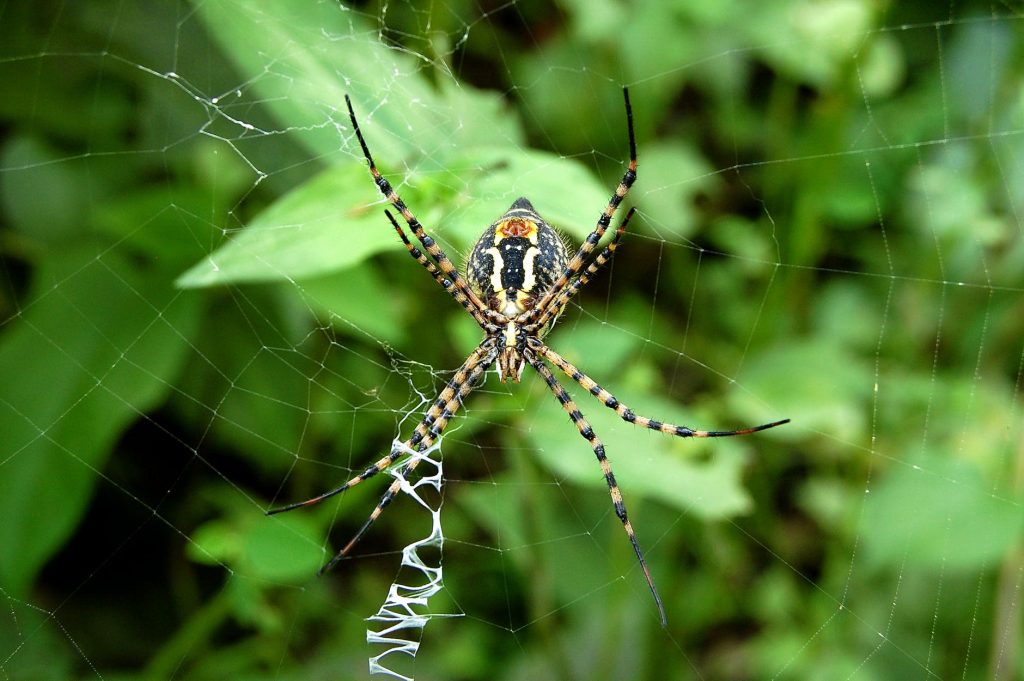
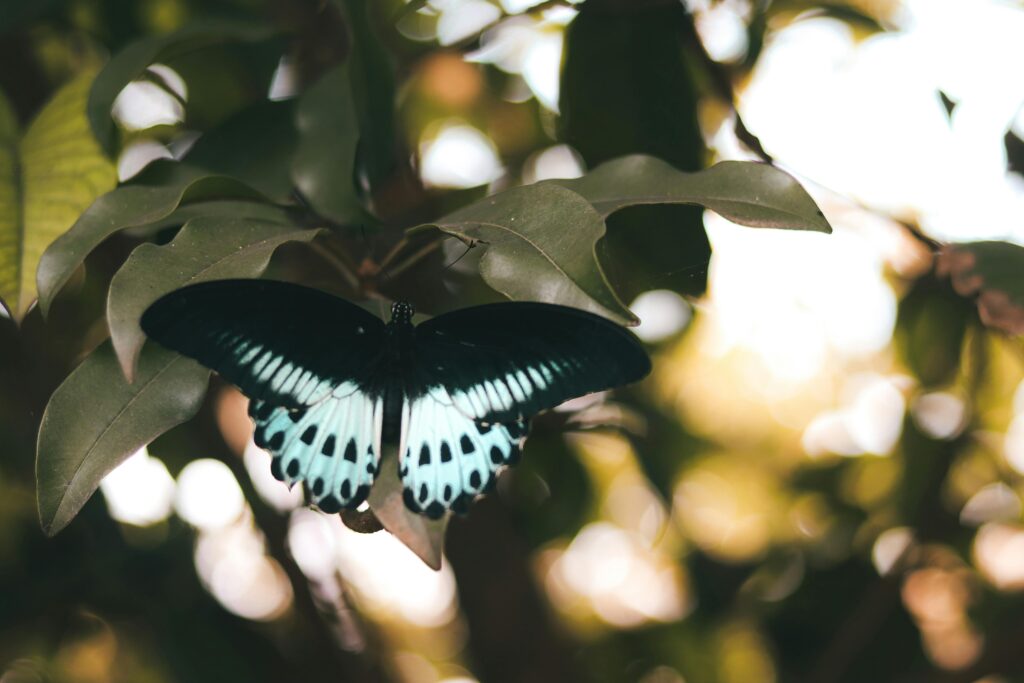
Butterflies such as Blue Tiger, Common Jezebel, and Lime Butterfly are also commonly observed along forest trails, especially near flowering plants.
Spotting these small creatures requires patience and careful observation — skills that naturalists develop over years of field experience.
Understanding Habitat and Ecosystems
Naturalists also rely on habitat knowledge to predict where certain species may occur.
For example:
• Kingfishers are usually found near streams or wetlands.
• Woodpeckers prefer mature forests with large trees.
• Sunbirds are often seen near flowering plants.
• Amphibians become active in moist areas during pre-monsoon and monsoon seasons.
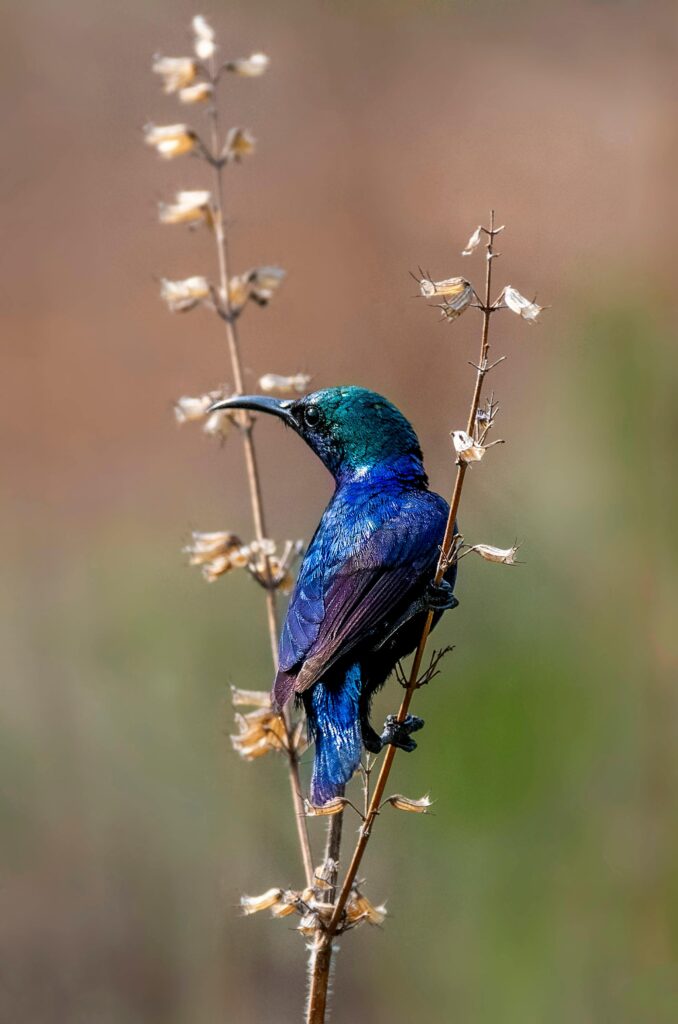
By understanding ecosystems, naturalists can focus their search in the most suitable habitats, increasing the chances of wildlife sightings.
Why Guided Nature Trails Make a Difference
Many people walk through forests without realising how much wildlife surrounds them. A trained naturalist helps reveal these hidden details.
Guided nature trails allow participants to:
➤ identify birds by sight and call
➤ learn about tree species and forest plants
➤ observe insects, butterflies, and reptiles
➤ understand ecological relationships within forests
Instead of simply walking through a forest, participants begin to interpret the language of nature.
Join Our Guided Nature Trails and Forest Walks
If you would like to experience forests through the eyes of a naturalist, join one of our upcoming guided walks. Our small-group experiences are designed to help nature lovers explore biodiversity while learning about wildlife and ecosystems.
Some of our popular nature experiences include:
• Birdwatching trails at Karnala Bird Sanctuary
• Biodiversity walks in Sanjay Gandhi National Park
• Seasonal wildlife trails in Matheran forests
• Wetland birding at Bhandup Pumping Station and Thane Creek
• Forest explorations at Nagla Block and Tungareshwar
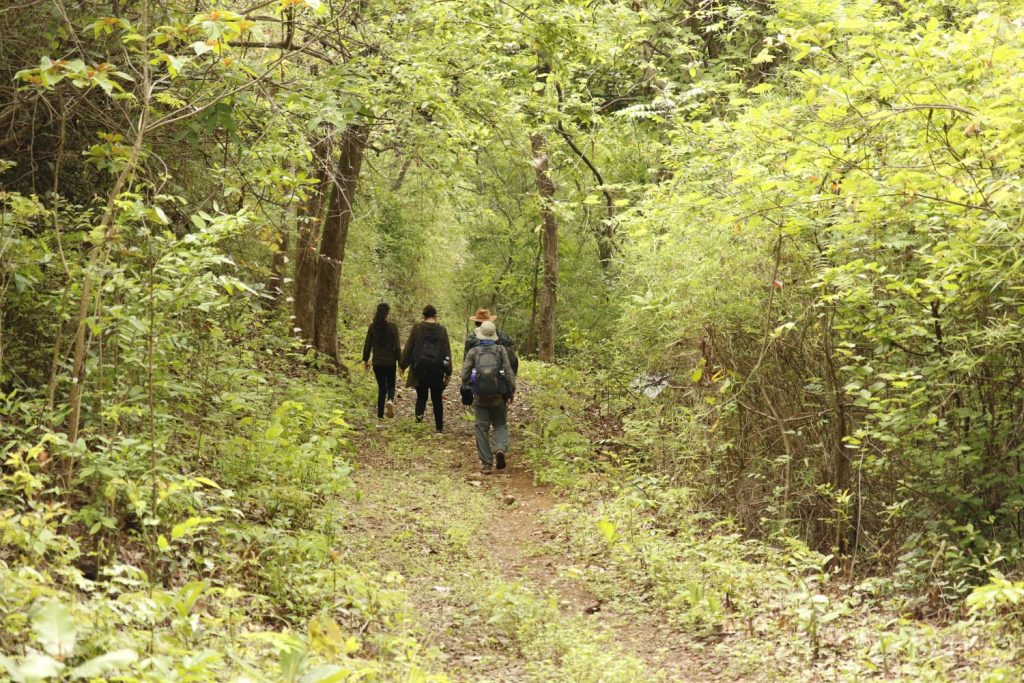
Read more: Nagla block of Sanjay Gandhi National Park
Each walk is led by experienced naturalists who help participants discover birds, butterflies, reptiles, and the hidden life of forests.
Discover the Forest Like a Naturalist
Once you learn how to observe forests closely, every walk becomes an exciting exploration. Bird calls reveal hidden species, tree fruits attract wildlife, and even the forest floor tells stories of animal activity.
Nature walks are not just about reaching a destination — they are about learning to see the incredible biodiversity that surrounds us.
Continue exploring: 10 Birds Every Beginner Birder Should Learn to Identify in India, Best Birdwatching Destinations in India Every Birder Should Visit, Beginner’s Guide to Birdwatching