
In today’s fast-paced urban lifestyle, constant screen exposure, work pressure, and city noise have made mental fatigue a common experience. As people increasingly search for ways to reduce stress and reconnect with themselves, a simple yet powerful practice rooted in nature is gaining global attention — forest bathing. Originally known as Shinrin-yoku in Japan, forest bathing is not about hiking long distances or achieving fitness goals; instead, it focuses on slowing down and mindfully immersing oneself in natural surroundings.
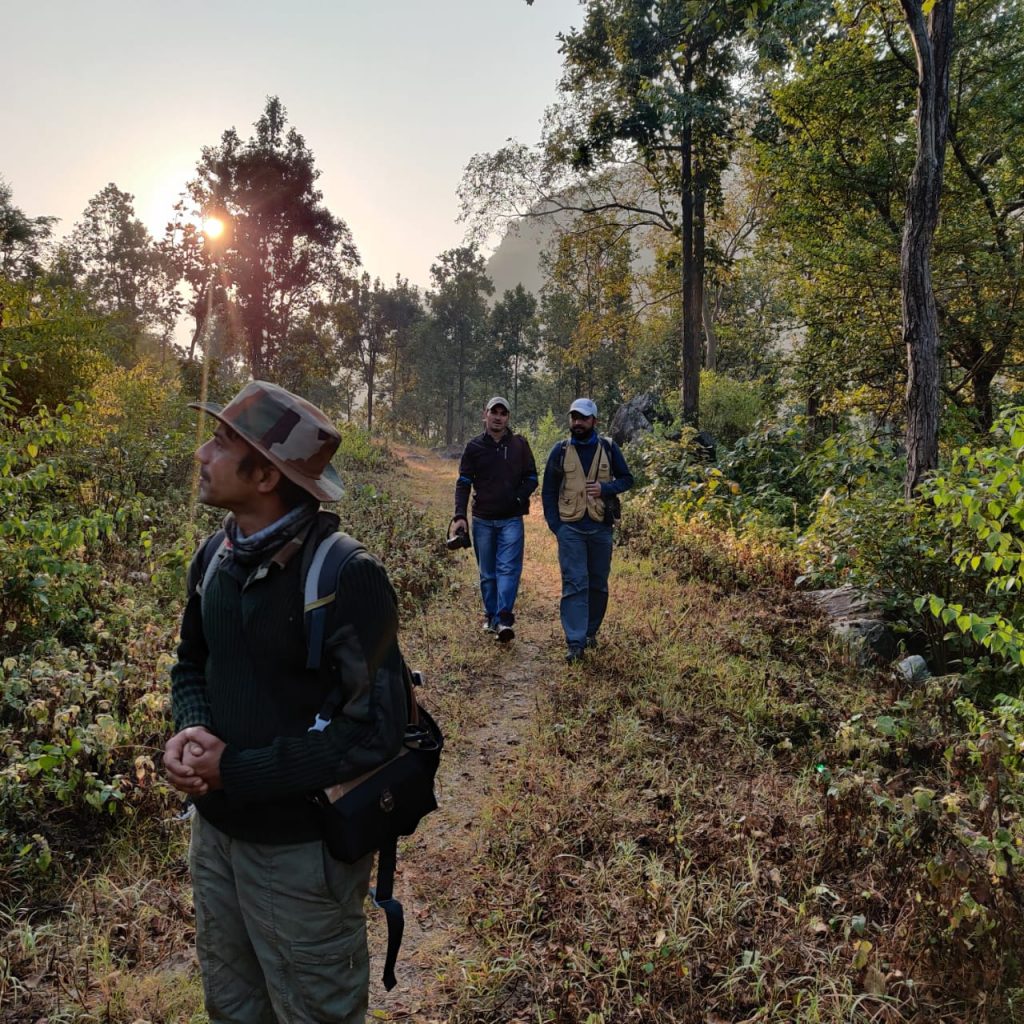
Whether walking through dense forest trails, listening to bird calls, or simply observing sunlight filtering through trees, spending intentional time in nature has been scientifically proven to improve mental well-being. Natural landscapes such as the forests around Karnala Bird Sanctuary or green ecosystems within the Sanjay Gandhi National Park provide ideal environments where urban residents can experience these restorative benefits.
Reduction in Stress Hormones
One of the most well-documented benefits of forest bathing is its ability to lower cortisol, the body’s primary stress hormone. Studies have shown that spending time in forest environments reduces heart rate, blood pressure, and overall physiological stress responses.
Unlike city environments filled with artificial noise and visual stimulation, forests provide calming sensory inputs — rustling leaves, natural fragrances, and rhythmic sounds of wildlife. Even short guided nature walks can create noticeable relaxation effects. Participants often report feeling mentally lighter after spending just a few hours surrounded by greenery.
Improved Mood and Emotional Balance
Natural environments stimulate the parasympathetic nervous system, which helps the body shift from a state of alertness to relaxation. Exposure to green spaces has been linked to reduced symptoms of anxiety, depression, and emotional exhaustion.
For example, individuals who regularly participate in nature walks often experience improved mood stability and reduced mental fatigue compared to those spending weekends indoors or in crowded recreational spaces. Observing birds, insects, or seasonal plant changes encourages mindfulness — gently bringing attention back to the present moment.
Enhanced Focus and Cognitive Function
Urban living constantly demands attention through notifications, traffic, and multitasking. Forest bathing allows the brain to recover from what psychologist’s call “attention fatigue.”
Natural settings engage what researchers describe as soft fascination — effortless attention drawn toward flowing water, moving leaves, or bird activity. This type of engagement restores concentration levels and improves creativity and problem-solving ability. Many people find that clarity of thought improves after spending uninterrupted time in nature.
Strengthening the Immune System
Forests release natural compounds known as phytoncides — airborne chemicals emitted by trees to protect themselves from insects and disease. Scientific research suggests that inhaling these compounds can enhance immune system activity by increasing natural killer (NK) cell function in the human body.
While visitors may not consciously notice these processes, regular exposure to forest environments contributes to long-term physical and mental resilience.
Encouraging Mindfulness Without Effort
Unlike structured meditation practices that may feel difficult for beginners, forest bathing encourages mindfulness naturally. Walking slowly, observing textures, listening to bird calls, or feeling variations in temperature helps individuals become present without deliberate effort.
This gentle awareness reduces mental overload and promotes emotional grounding. Many participants describe forest walks as mentally refreshing because they allow the mind to slow down without pressure or expectation.
Building a Deeper Connection with Nature
Beyond psychological benefits, forest bathing fosters environmental awareness and appreciation. When individuals develop emotional connections with natural ecosystems, they are more likely to value conservation and responsible travel practices.
Urban forests and protected areas serve as reminders that biodiversity exists even close to metropolitan cities, offering accessible opportunities for restorative experiences without long-distance travel.
Conclusion
Forest bathing demonstrates that improving mental health does not always require complex solutions. Sometimes, the most effective remedy lies in reconnecting with natural environments that humans have evolved alongside for centuries. Scientific research continues to confirm what many instinctively feel — time spent in forests reduces stress, restores focus, improves emotional balance, and strengthens overall well-being.
In an increasingly digital world, intentionally stepping into nature offers more than relaxation; it provides a reset for both mind and body. Whether through quiet forest trails, guided nature walks, or mindful outdoor experiences, immersing oneself in green spaces can become a powerful and sustainable approach to maintaining mental health and inner balance.
If you would like to experience mindful nature walks, birding trails, or forest immersion experiences, you are welcome to join us on our upcoming nature and wildlife outings designed for relaxation, learning, and meaningful time outdoors.
Enjoyed reading? Discover more: Why Camping Is One of the Best Ways to Experience Nature, Nature’s Greatest Teachers: Life Lessons We Learn from Birds, Things You Can Learn on a Forest Walk: Trees, Birds, Insects and Ecosystems