
A Complete Guide to One of India’s Most Spectacular High-Altitude Birding Regions 🐦🏔️
For serious birdwatchers and wildlife photographers, the Eastern Himalayas are among the most exciting birding regions in the world. Within this incredible landscape, East Sikkim stands out as one of India’s most rewarding destinations for high-altitude birding.
From the dense temperate forests of Pacheykhani and Khimseeka to the dramatic alpine slopes along the historic Silk Route near Zuluk, East Sikkim offers an extraordinary range of habitats packed with rare Himalayan birds. The region supports hundreds of species, including elusive pheasants, colorful laughingthrushes, and highly sought-after Himalayan specialties.
For birders exploring India, East Sikkim birding expeditions are considered among the most exclusive and species-rich Himalayan birding experiences.
The Eastern Himalaya – A Global Biodiversity Hotspot 🌿
The Eastern Himalaya biodiversity hotspot stretches across parts of India, Nepal, Bhutan, and Tibet and is recognized as one of the most biologically rich regions on Earth. This area supports an exceptional variety of wildlife because of its dramatic changes in altitude, climate, and vegetation.
East Sikkim lies within this hotspot and offers birdwatchers access to a remarkable range of ecosystems including:
➤ Subtropical forests
➤ Temperate oak and rhododendron forests
➤ Conifer forests
➤ Alpine meadows
➤ High-altitude mountain slopes
These habitat transitions occur over relatively short distances, allowing birders to encounter a wide variety of species within a single expedition.
This diversity is one of the reasons why East Sikkim is considered one of the best birding destinations in the Himalayas.
The Legendary Silk Route Birding Landscape 🏔️
One of the most fascinating parts of East Sikkim birding is the historic Silk Route region around Zuluk, a high-altitude mountain road that once connected India with Tibet.
Today, this scenic landscape offers spectacular birding opportunities. As the road climbs through forests and mountain passes, birdwatchers move through different ecological zones, each supporting unique species.
The forests and slopes around Zuluk are particularly famous for rare Himalayan pheasants and alpine birds, making the region a dream destination for bird photographers and serious bird listers.
Himalayan Pheasants – The Stars of East Sikkim Birding 🐦
One of the biggest attractions of birding in East Sikkim is the chance to observe some of the most beautiful pheasants in the Himalayas.
These birds are often elusive and inhabit remote forest habitats, making sightings extremely rewarding.
Some of the most sought-after species include:
➤ Himalayan Monal
➤ Satyr Tragopan
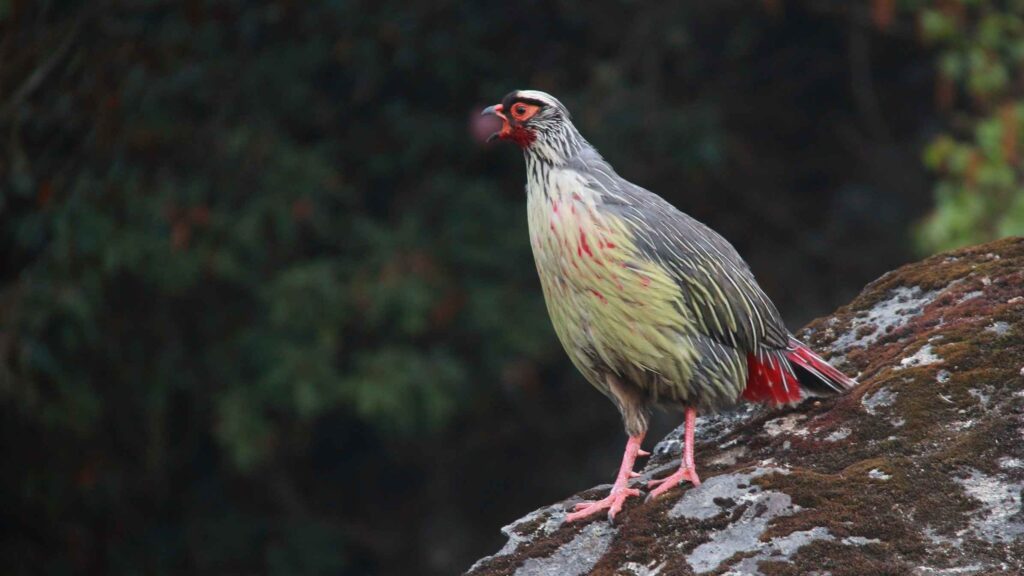
➤ Blood Pheasant
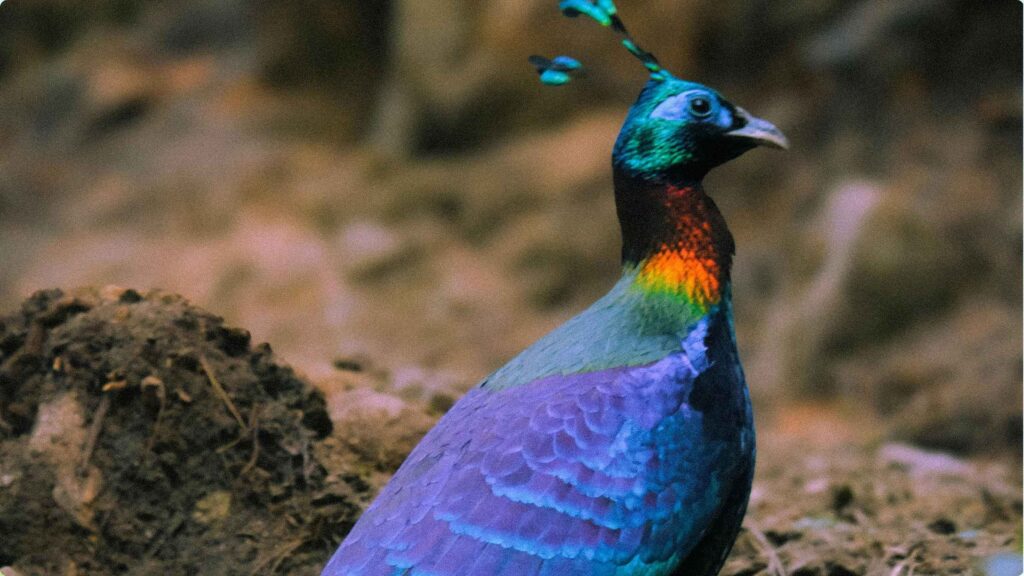
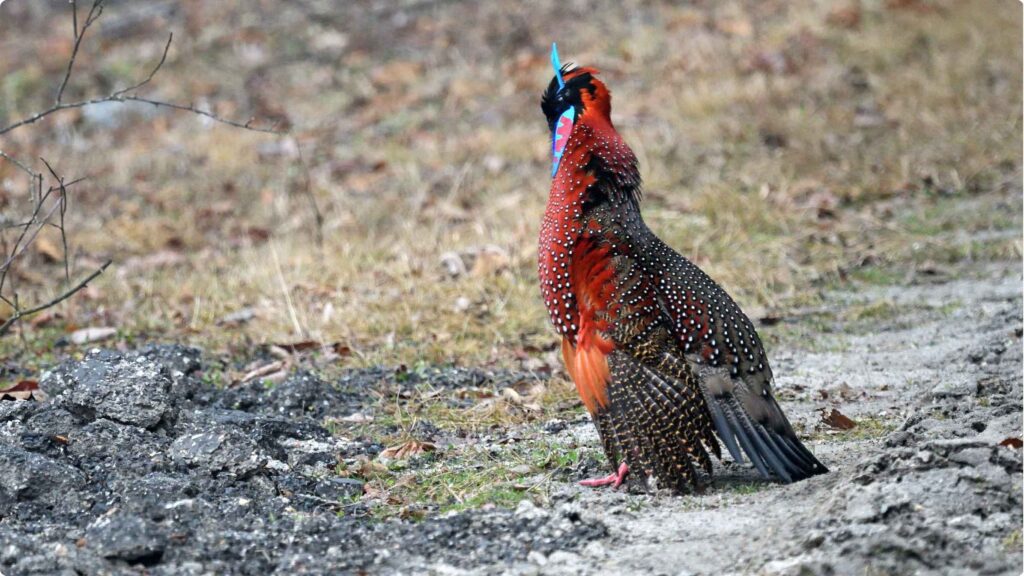
The Himalayan Monal, famous for its iridescent rainbow plumage, is one of the most spectacular birds in the Himalayan region. Meanwhile, the Satyr Tragopan is known for its striking red plumage and ornate display during the breeding season.
The Blood Pheasant, adapted to cold alpine environments, is another highlight for birders exploring higher elevations.
Because these birds prefer quiet mountain forests, guided birding expeditions significantly improve the chances of sightings.
Rare Himalayan Forest Birds
Beyond pheasants, East Sikkim hosts an impressive range of rare Himalayan forest species, many of which are highly sought after by international birdwatchers.
Among the region’s most exciting species are:
➤ Fire-tailed Myzornis
➤ Red-faced Liocichla
➤ Blue-winged Laughingthrush
➤ Sultan Tit
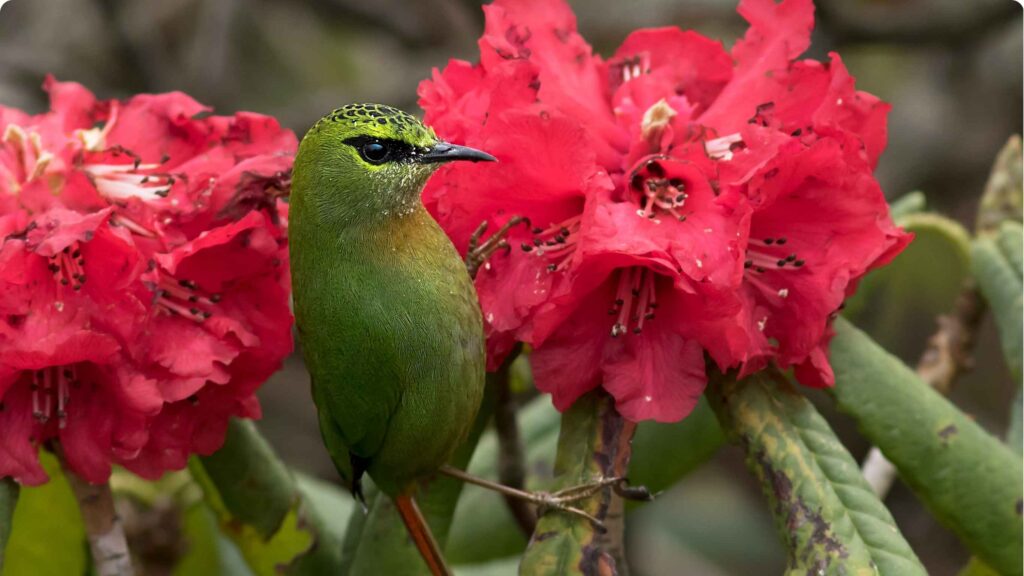
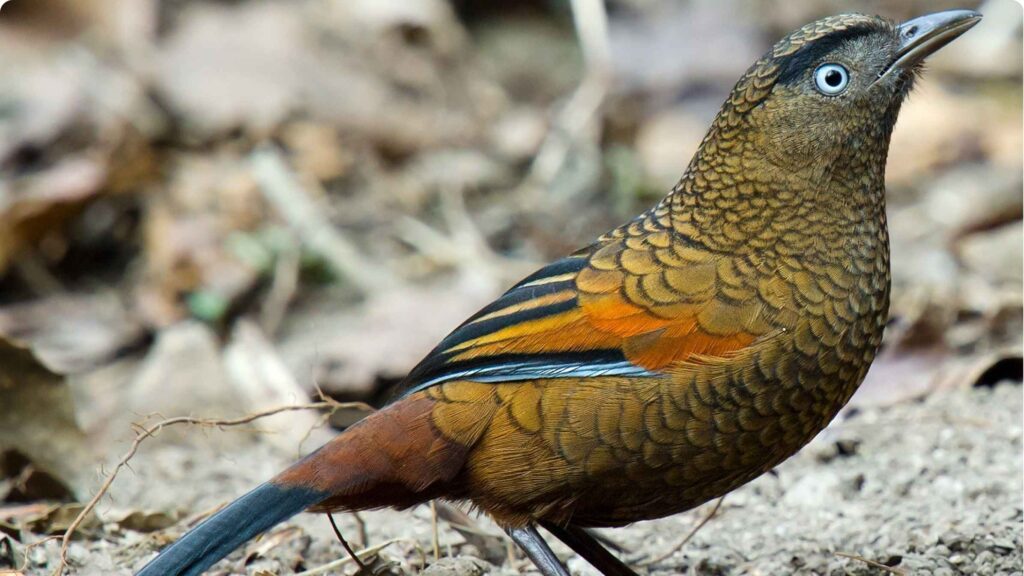
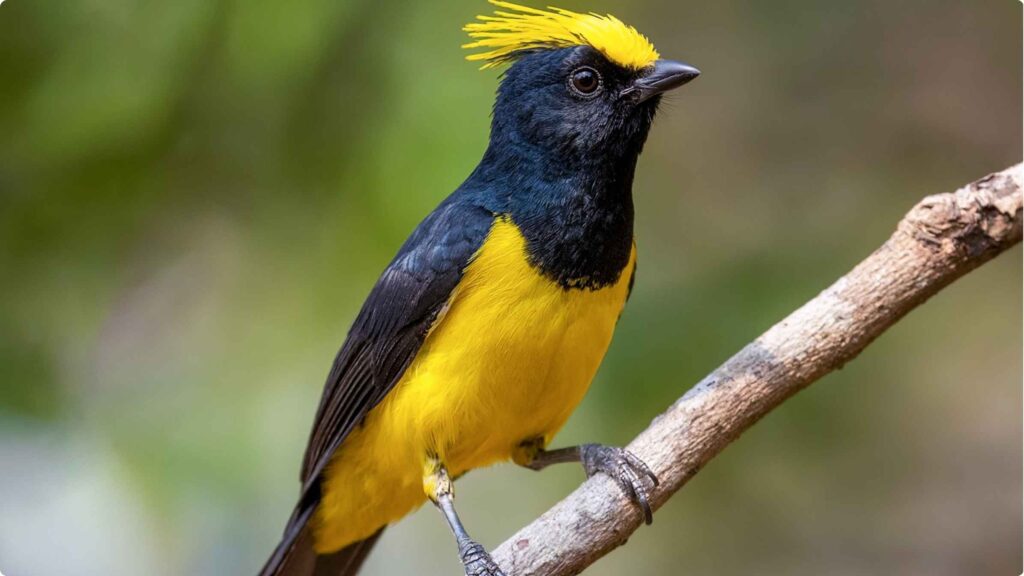
The Fire-tailed Myzornis, with its vibrant green plumage and fiery red tail, is one of the most iconic birds of the Eastern Himalayas. Similarly, the Red-faced Liocichla is a colorful and charismatic species often seen moving through forest understory in small groups.
Laughingthrushes are another highlight of the region, and Blue-winged Laughingthrush is particularly prized among bird photographers.
Raptors and Owls of the Eastern Himalayas 🦉
East Sikkim’s rugged mountains and forest valleys also support a number of impressive raptors and nocturnal birds.
Among the most notable species recorded in the region is the Spot-bellied Eagle Owl, a powerful and elusive predator inhabiting dense Himalayan forests.
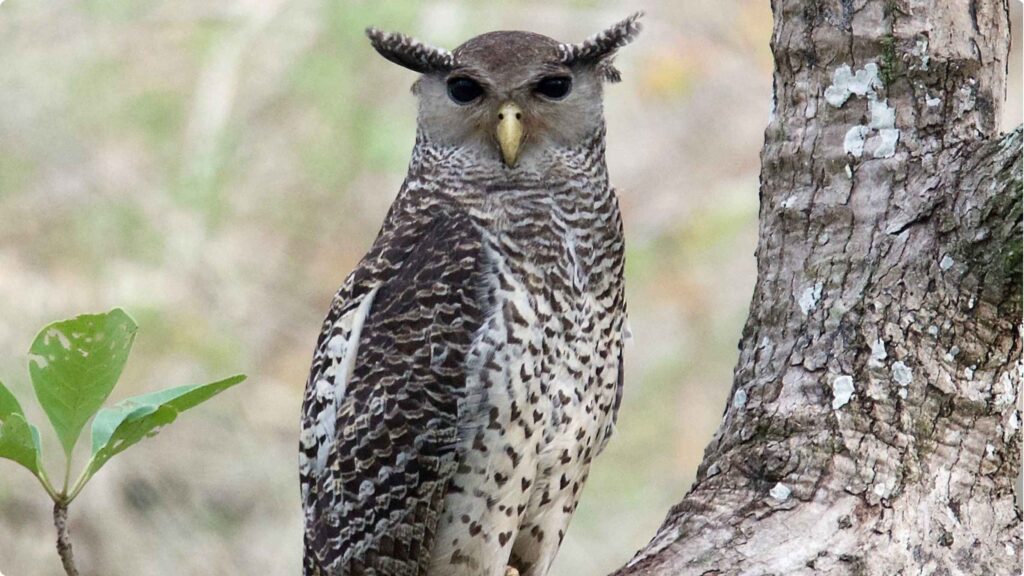
Other birds of prey occasionally observed in the region include Mountain Hawk Eagle and Himalayan Griffon, which soar over the mountain ridges in search of prey.
Spotting these large birds in the dramatic Himalayan landscape adds another thrilling dimension to the birding experience.
Hide Photography and Himalayan Birding 📸
East Sikkim has become increasingly popular among wildlife photographers, thanks to the availability of ethically managed bird hides.
These hides allow photographers to capture close images of shy forest birds without disturbing their natural behavior. Species such as laughingthrushes, liocichlas, and other understory birds frequently visit feeding areas near these hides, creating exceptional photography opportunities.
Because the expedition is structured around light conditions, bird movement, and seasonal activity, photographers often enjoy remarkable success capturing rare Himalayan species.
Birding Habitats of East Sikkim
A typical East Sikkim birding expedition explores multiple locations known for their high bird diversity.
Important birding areas often include:
Pacheykhani and Khimseeka – Dense temperate forests rich in Himalayan forest birds and laughingthrushes.
Zuluk and the Silk Route region – High-altitude slopes and alpine habitats ideal for pheasants and mountain specialists.
Rhododendron forests and conifer woodlands – Seasonal flowering landscapes that attract a variety of nectar-feeding and insect-eating birds.
This variety of habitats ensures that birdwatchers encounter an impressive range of species during a single expedition.
Why East Sikkim Is One of India’s Best Birding Destinations
Several factors make East Sikkim particularly special for birding enthusiasts:
➤ Exceptional Himalayan bird diversity
➤ Rare pheasants and laughingthrush species
➤ Access to the historic Silk Route landscapes
➤ Dramatic mountain scenery ideal for wildlife photography
➤ Relatively low tourist pressure compared to many other Himalayan regions
Because the region is still relatively unexplored by mass tourism, birdwatchers can enjoy quiet forests and undisturbed habitats, greatly improving wildlife viewing opportunities.
Best Time for Birding in East Sikkim 📅
The most productive season for birding in East Sikkim usually falls between March and May, when bird activity increases during the breeding season.
During this time:
➤ Many Himalayan birds become more vocal and active
➤ Forests are vibrant with rhododendron blooms
➤ Weather conditions remain suitable for high-altitude travel
This period is especially favorable for observing pheasants, laughingthrushes, and other forest birds.
A Unique Himalayan Birding Adventure
For birdwatchers seeking rare species and breathtaking landscapes, East Sikkim offers one of the most rewarding birding experiences in India. The combination of pristine mountain forests, high-altitude habitats, and iconic Himalayan birds creates a truly unforgettable expedition.
Whether tracking pheasants in alpine meadows, photographing laughingthrushes from forest hides, or scanning mountain ridges for soaring raptors, every day in East Sikkim reveals something new.
For anyone passionate about birdwatching in the Himalayas, exploring East Sikkim’s biodiversity hotspot is an experience that belongs on every birder’s travel list. 🐦🏔️
Interested in exploring East Sikkim’s incredible birdlife? 🐦🏔️
Join The Tern Travellers’ East Sikkim Birding Expedition and experience one of the richest birding landscapes in the Eastern Himalayas with expert guides.
Read more: Nameri & Eaglenest: One of the Best Birding Regions in the Eastern Himalaya, Why Pangot & Sattal Are Among India’s Top Birding Destinations, Top Birds You Can Spot in Nagarhole National Park