
India is one of the most exciting wildlife destinations in the world. From tiger reserves and Himalayan forests to rainforests and coastal wetlands, the country offers an incredible range of wildlife experiences. However, with so many destinations and expedition styles available, choosing the right wildlife trip can feel overwhelming.
The best wildlife expedition is not simply about visiting a famous park. It is about selecting an experience that matches your interests, travel style, and curiosity about nature. Some travellers prefer relaxed birdwatching trails, while others enjoy tracking large mammals or photographing rare rainforest species.
If you are planning a wildlife trip in India, understanding your travel style can help you choose the perfect expedition.
Choose Based on the Wildlife You Want to See
Different wildlife habitats support different species. Before choosing a destination, think about the animals or birds you are most interested in observing.
For example, if you want to see large mammals, tiger reserves offer some of the most exciting safari experiences in the country. Parks like Bandhavgarh National Park and Tadoba-Andhari Tiger Reserve are famous for sightings of Bengal tigers, Indian leopards, sloth bears, and wild dogs.
If you are fascinated by rare birds, forests and bird sanctuaries can provide exceptional birdwatching opportunities. Locations such as Karnala Bird Sanctuary are known for species like the Malabar Whistling Thrush, Asian Paradise Flycatcher, and various woodpeckers.
Some wildlife species commonly observed across Indian wildlife expeditions include:
➤ Bengal Tigers
➤ Indian Leopards
➤ Sloth Bears
➤ Asian Elephants
➤ Malabar Giant Squirrels
➤ Hornbills and Kingfishers
➤ Seasonal migrants like the Indian Pitta
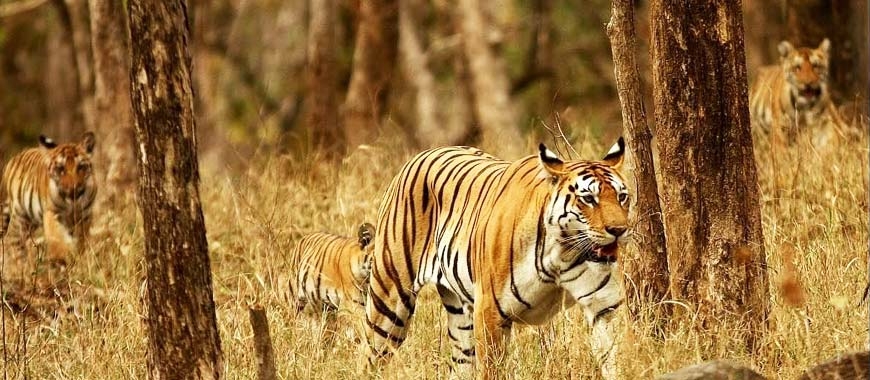
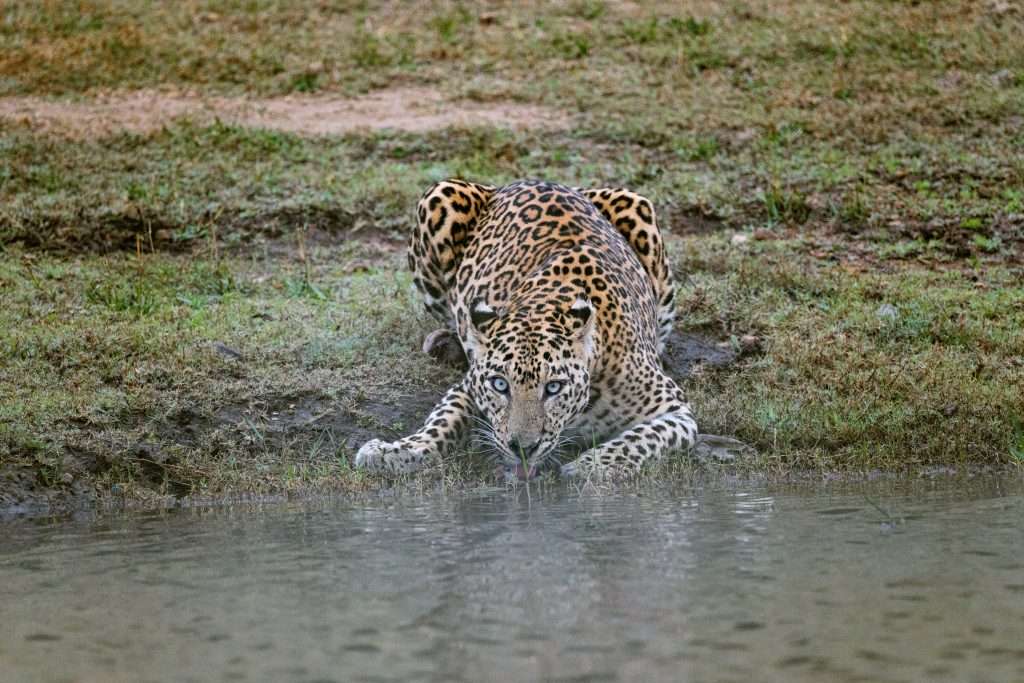
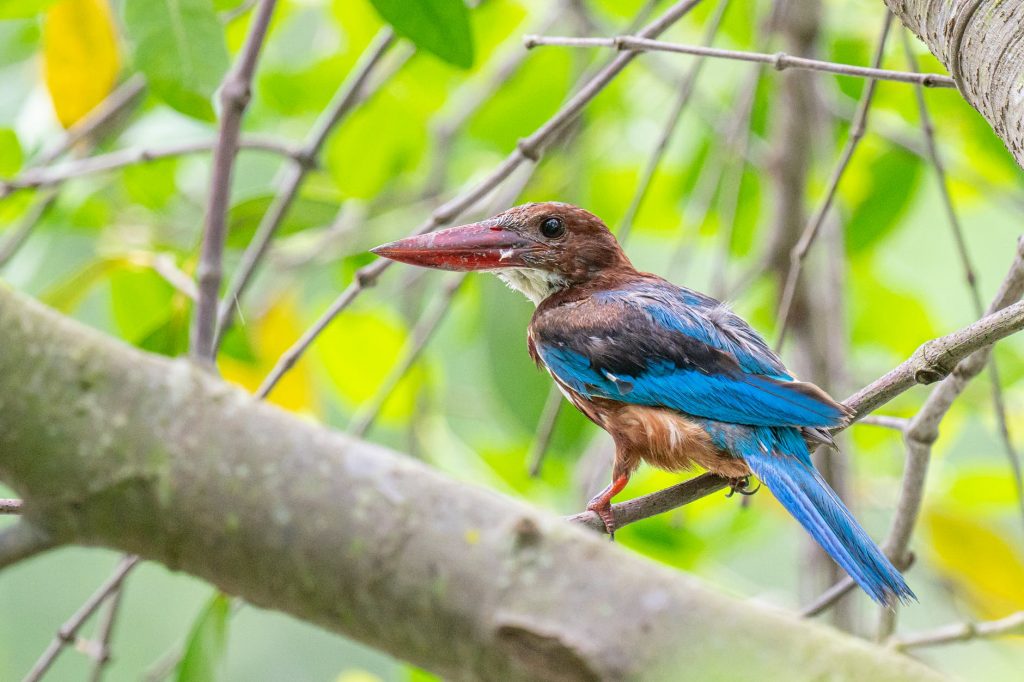
Choosing a destination based on the wildlife you wish to observe makes your expedition far more rewarding.
Decide Between Safari Expeditions and Nature Trails
Wildlife experiences in India generally fall into two broad categories — safari-based expeditions and guided nature trails.
Safari expeditions usually involve jeep safaris inside national parks where visitors track larger animals such as tigers, elephants, or gaur. These are ideal for travellers who want the excitement of spotting large mammals.
Nature trails and forest walks focus more on observing smaller wildlife and understanding ecosystems. During a guided walk, participants often discover birds, butterflies, reptiles, insects, and native trees that are easily missed during vehicle safaris.
Both styles offer unique experiences, and many wildlife enthusiasts enjoy combining them.
Consider the Group Size of the Expedition
The size of your travel group plays an important role in the overall wildlife experience.
Small group expeditions are often more rewarding because they allow participants to move quietly through forests and spend more time observing wildlife behaviour.
Smaller groups also provide:
➤ Better interaction with naturalists
➤ More opportunities for wildlife photography
➤ Quieter forest experiences
➤ More flexibility during safaris and trails
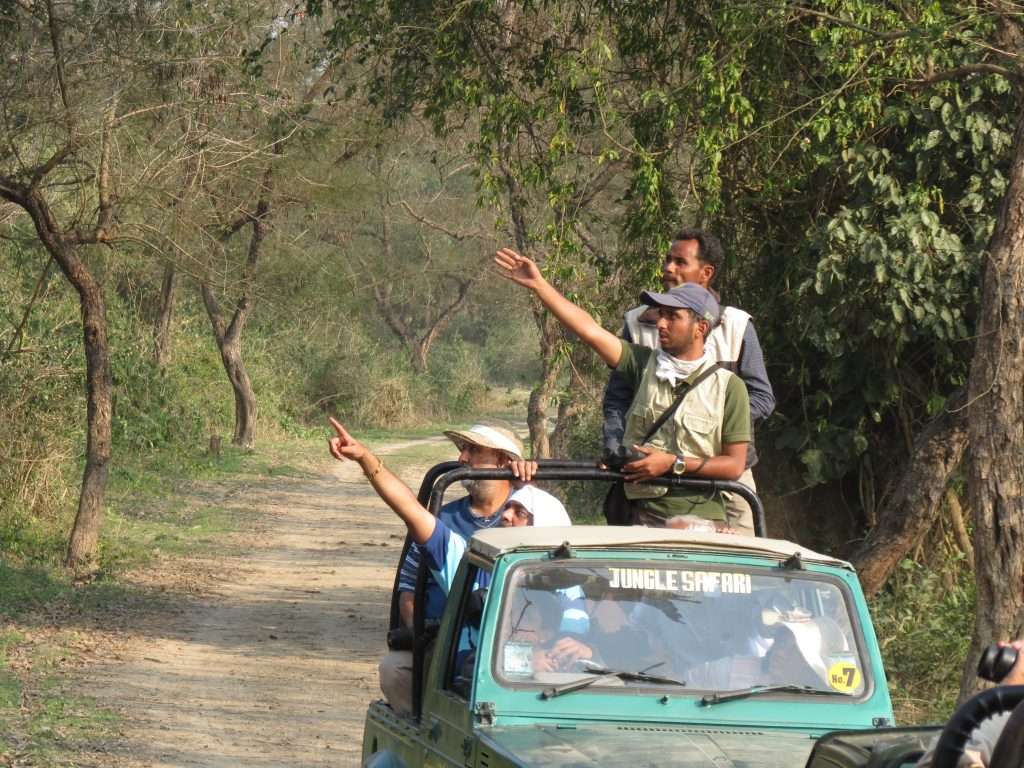
These factors significantly improve the chances of observing wildlife naturally without disturbance.
Read: Why Small Group Wildlife Expeditions Offer Better Safari Experiences
Choose the Right Habitat and Landscape
India’s wildlife habitats vary dramatically, and each ecosystem offers different experiences.
Dry deciduous forests such as those found in Ranthambore National Park and Tadoba-Andhari Tiger Reserve are excellent for spotting large mammals due to relatively open vegetation.
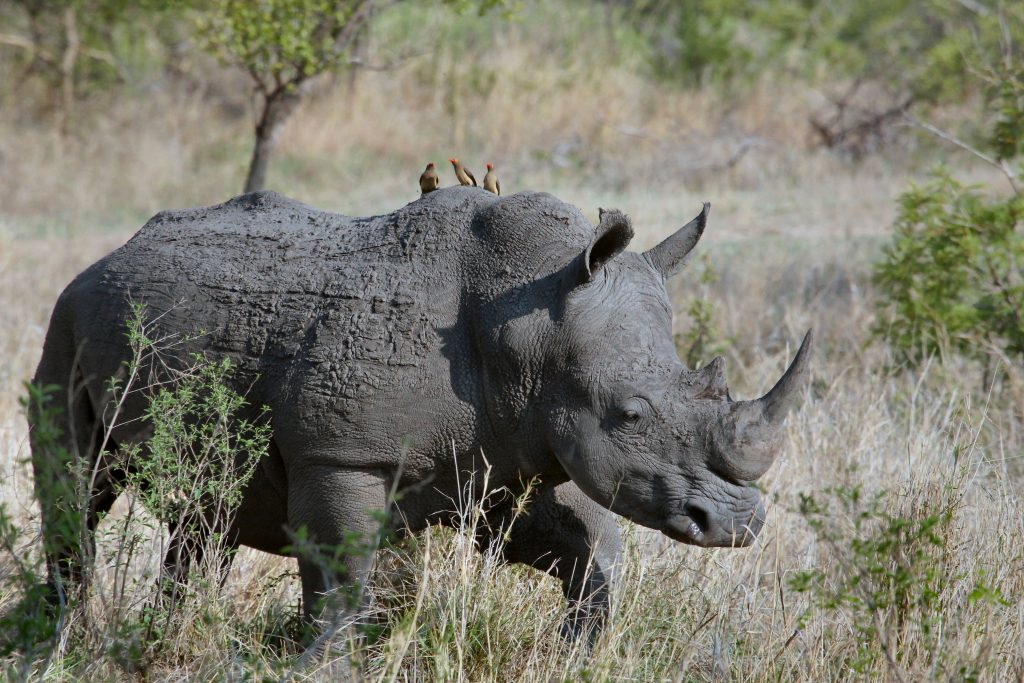
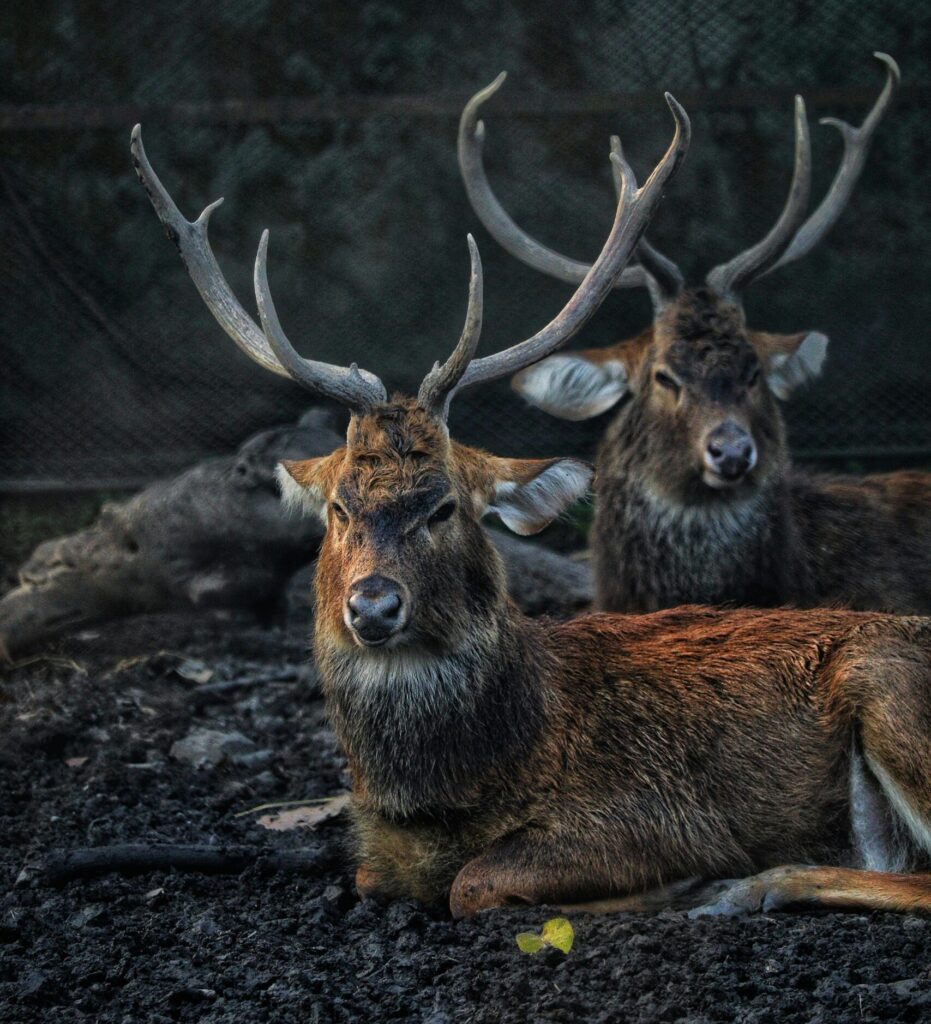
Grassland and wetland ecosystems such as Kaziranga National Park support species like the One-Horned Rhinoceros, swamp deer, and numerous water birds.
Read: Tadoba vs Pench vs Bandhavgarh: Which Tiger Reserve Should You Choose?
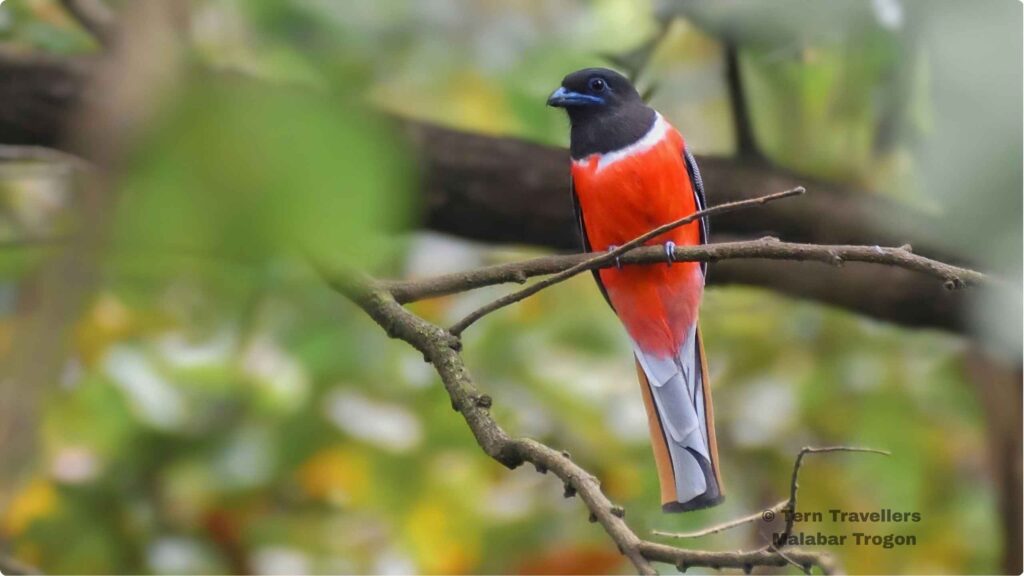
Rainforest habitats in the Western Ghats are ideal for birdwatching and macro wildlife photography, with species like hornbills, Malabar trogons, tree frogs, and colourful butterflies.
Understanding these habitats helps travellers choose an expedition that matches their interests.
Consider the Season of Your Visit
Wildlife behaviour changes with the seasons, and the timing of your trip can affect the type of sightings you experience.
Summer months often provide excellent mammal sightings as animals gather around water sources. Winter attracts migratory birds to wetlands and forests across India.
The pre-monsoon period is particularly exciting for reptiles, amphibians, and insect activity in forest ecosystems.
Planning your expedition according to seasonal wildlife patterns can greatly enhance your experience.
Start with Guided Forest Walks if You Are a Beginner
If you are new to wildlife exploration, beginning with guided forest walks is a great way to develop observation skills.
These walks help participants learn how to identify birds, recognise animal tracks, and understand forest ecosystems.
Beginner-friendly nature experiences near Mumbai include:
➤ Sanjay Gandhi National Park Forest Walk
➤ Karnala Bird Sanctuary Birding Trail
➤ Matheran Forest Biodiversity Trail
➤ Bhandardara Forest and Grassland Bird Walk
➤ Tungareshwar Wildlife Sanctuary Nature Trail
➤ Yeoor Hills Forest Walk
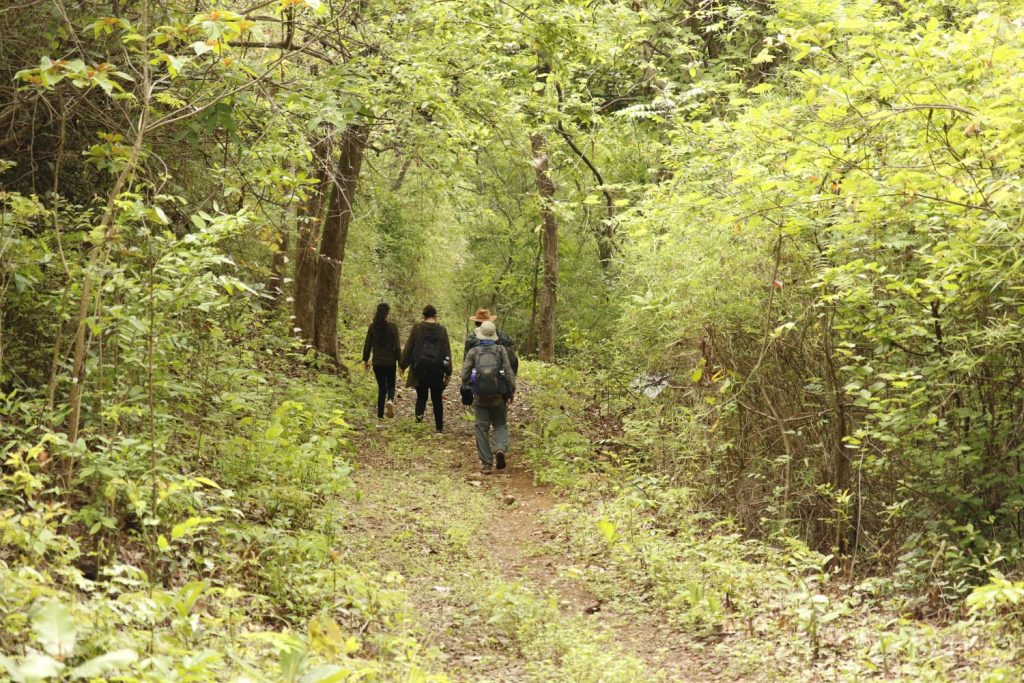
These guided trails introduce participants to birds, reptiles, butterflies, insects, and native trees while explaining how ecosystems function.
Join Our Guided Forest Walks
Explore forests, learn about birds and ecosystems, and discover the hidden biodiversity around Mumbai with expert naturalists.
Discover more: Best Birdwatching Destinations in India Every Birder Should Visit, Best Tiger Safaris in India for First-Time Wildlife Travelers, A Beginner’s Guide to Planning Your First Jungle Safari in India