
Few wildlife destinations in India match the excitement and reputation of Bandhavgarh National Park. Located in the forests of central India within the Vindhyan hills, this legendary park is widely known for having one of the highest densities of the Bengal Tiger in the world. For wildlife photographers, safari travellers, and nature enthusiasts, Bandhavgarh offers one of the best chances to witness a tiger in the wild.
Spread across nearly 1,536 square kilometres, Bandhavgarh is a stunning landscape of dense sal forests, bamboo thickets, rocky cliffs, and open grasslands. The park is not just about tiger sightings — it is a thriving ecosystem filled with diverse wildlife, rich birdlife, and fascinating history.
From thrilling jeep safaris to ancient hilltop forts hidden in the forest, Bandhavgarh delivers an unforgettable jungle experience.
Why Bandhavgarh Is Famous for Tiger Sightings
Among India’s many tiger reserves, Bandhavgarh consistently ranks as one of the top destinations for tiger safaris. The park’s relatively compact tourism zones and high prey density create ideal conditions for predators.
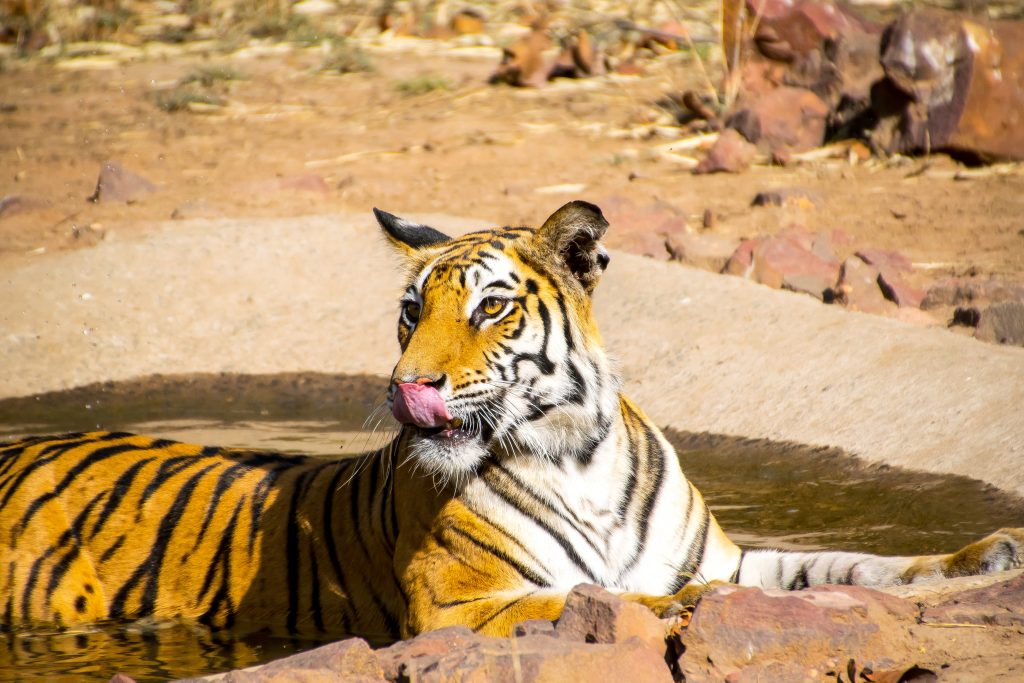
Visitors on safari frequently encounter the majestic Bengal Tiger moving through grasslands, forest trails, and waterholes. Over the years, the park has produced some of India’s most famous tiger photographs and documentaries.
Historically, Bandhavgarh also holds a special place in wildlife history as the region where the famous White Tiger was once discovered in the wild before being bred in captivity.
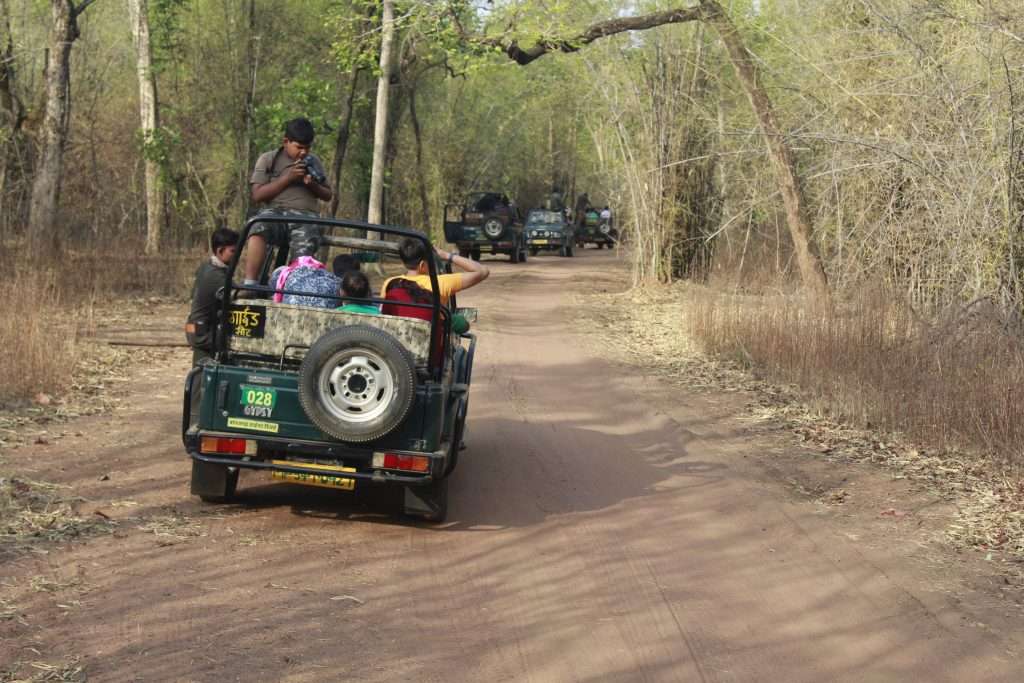
Wildlife You Can See in Bandhavgarh
Although tigers are the star attraction, Bandhavgarh supports a wide variety of mammals, reptiles, and birds.
During safaris, travellers may encounter species such as:
• Indian Leopard
• Sloth Bear
• Dhole
• Golden Jackal
• Gaur
• Sambar Deer
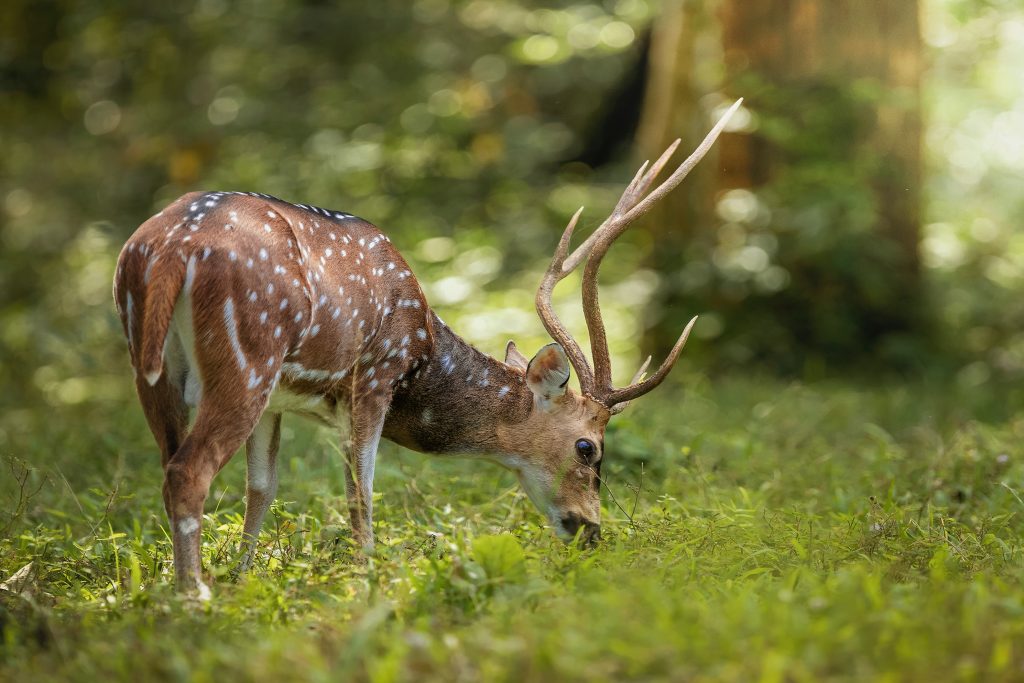
• Chital
• Wild Boar
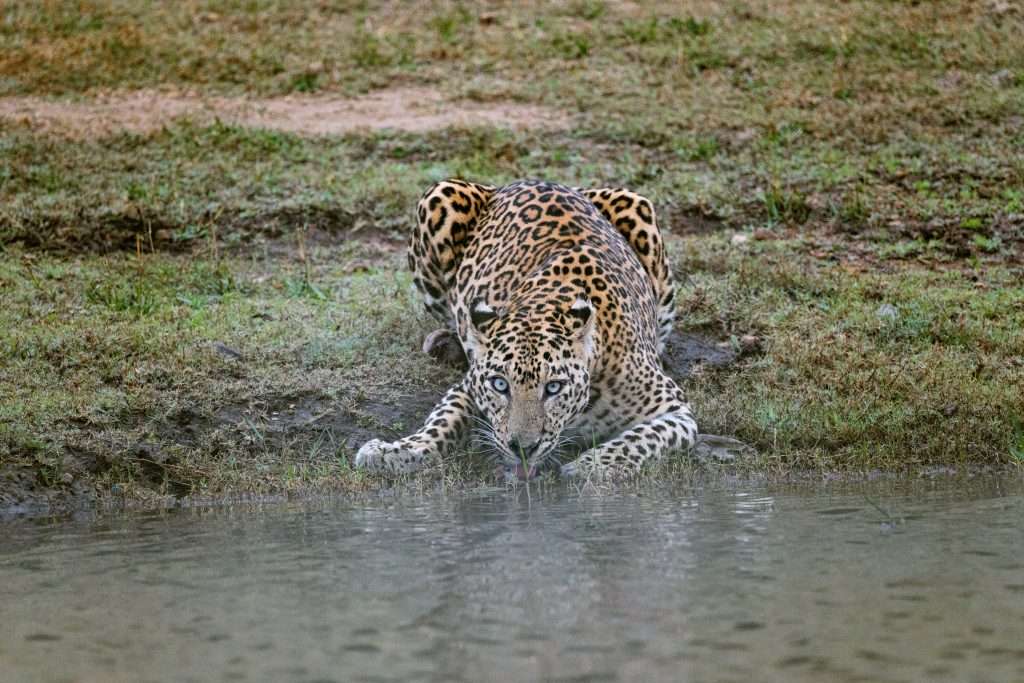
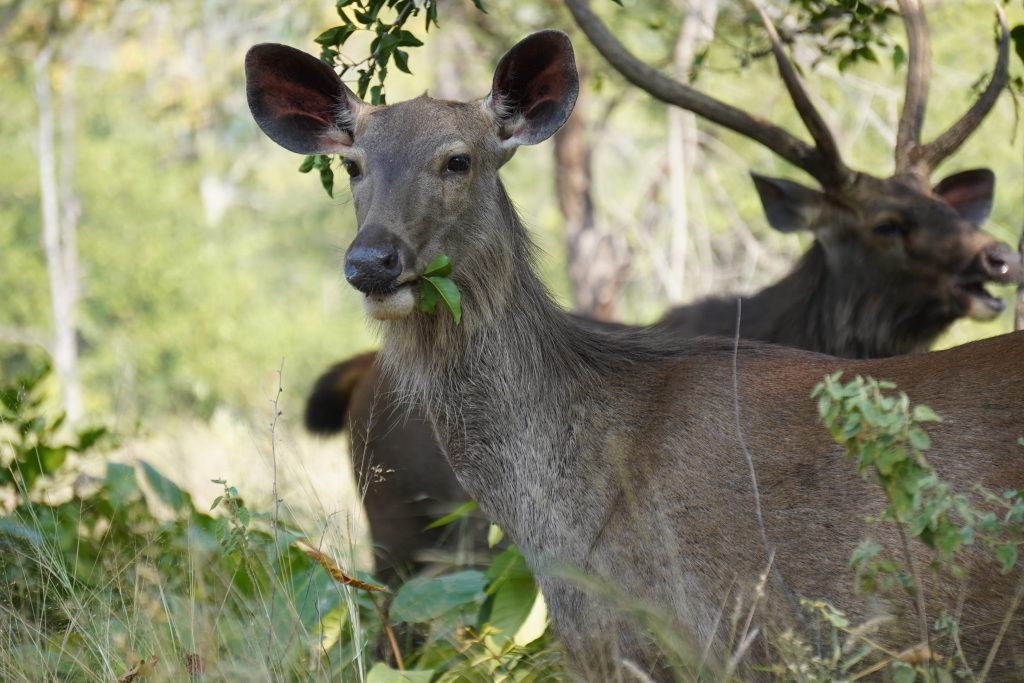
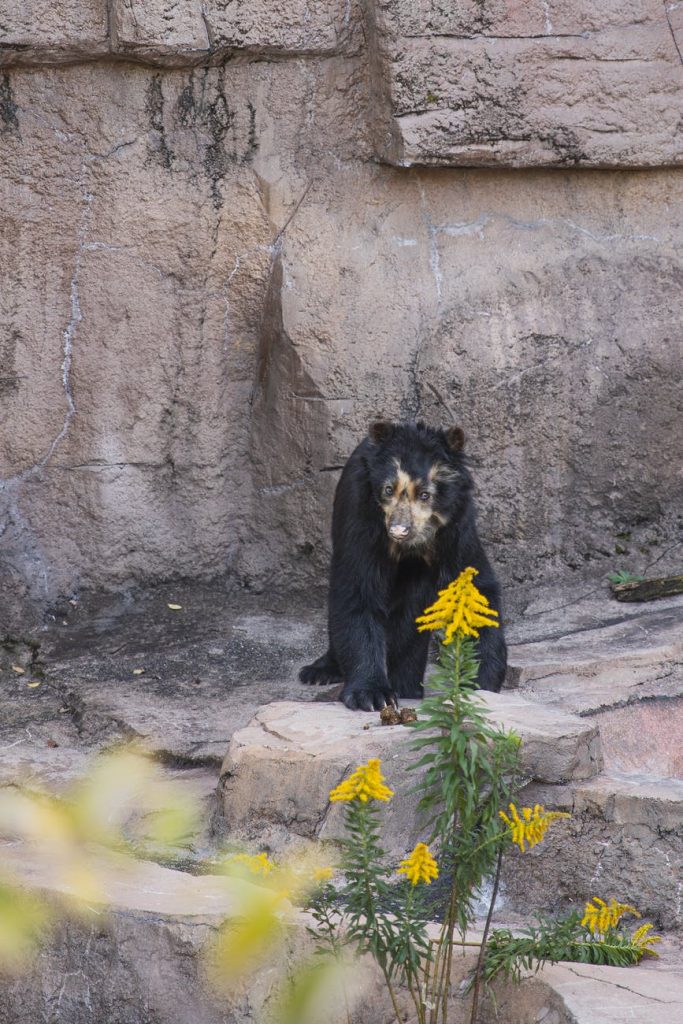
These herbivores form the primary prey base for the park’s predators and are commonly seen grazing in meadows or near water sources.
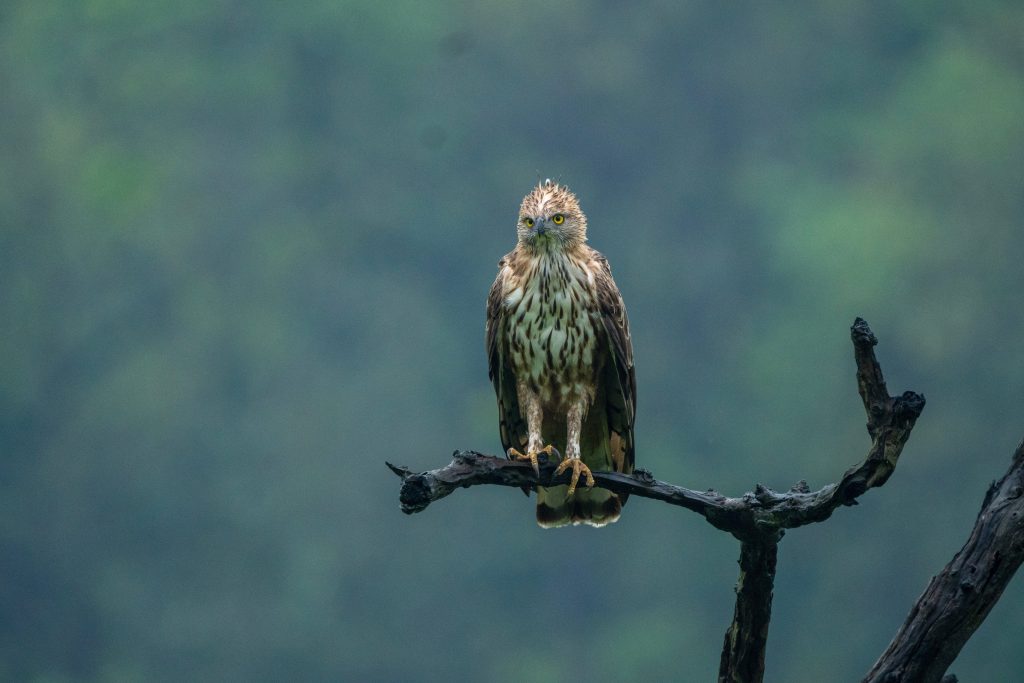
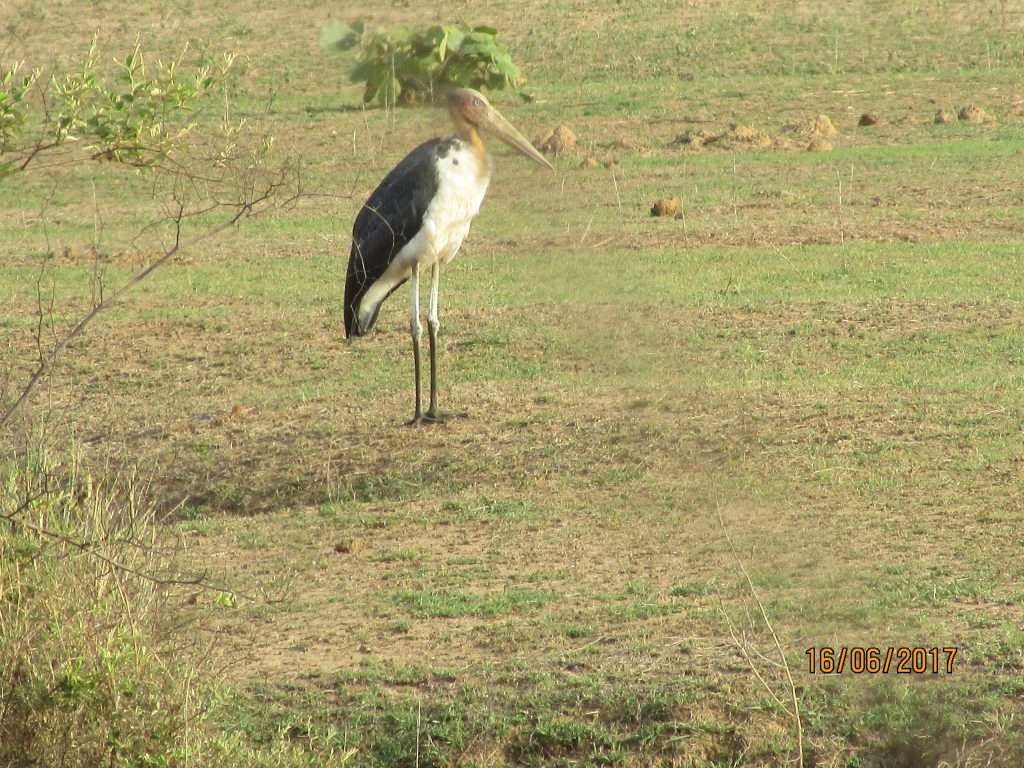
Bandhavgarh is also home to over 250 bird species, making it a rewarding destination for birdwatchers. Some frequently spotted birds include the Crested Serpent Eagle, Indian Paradise Flycatcher, Malabar Pied Hornbill, and White-rumped Vulture.
The Best Safari Zones in Bandhavgarh
Bandhavgarh National Park is divided into several safari zones, but three core zones are most popular among wildlife travellers.
Tala Zone
The Tala Zone is the oldest and most famous safari area in Bandhavgarh. It is widely regarded as the best zone for tiger sightings due to its diverse habitats, open meadows, and water sources.
Tala is also home to the iconic Bandhavgarh Fort, which rises dramatically from the forested hills. The surrounding grasslands attract large herbivore populations, which in turn attract predators.
Many of the park’s most famous tiger sightings have occurred in Tala.
Magdhi Zone
Located close to Tala, the Magdhi Zone has become another excellent area for tiger sightings. It features dense forests interspersed with grasslands and water bodies.
Magdhi is particularly known for frequent predator movement along forest tracks and is often considered one of the best zones for wildlife photography.
Khitauli Zone
The Khitauli Zone is less crowded compared to Tala and Magdhi, offering a quieter safari experience. The terrain here is more open and undulating, making it ideal for spotting herbivores and occasionally large predators.
Birdwatchers also enjoy Khitauli due to its varied habitats and forest edges.
The Historic Bandhavgarh Fort
One of the most fascinating features of the park is the ancient Bandhavgarh Fort, located atop a steep hill in the centre of the reserve.
Legend suggests that the fort was gifted by Rama to his brother Lakshmana — which is how the region got its name “Bandhavgarh,” meaning brother’s fort.
The area around the fort contains ancient caves, rock carvings, and statues believed to be over 2,000 years old, adding a fascinating historical dimension to the wildlife landscape.
Best Time to Visit Bandhavgarh National Park
The park remains open from October to June, with different seasons offering unique wildlife experiences.
October to February – Winter Season
Cool weather, lush forests, and excellent birdwatching opportunities.
March to June – Summer Season
This is considered the best time for tiger sightings as animals gather around water sources and vegetation becomes thinner, making wildlife easier to spot.
Many experienced wildlife photographers prefer visiting Bandhavgarh during the peak summer months for higher chances of tiger encounters.
Safari Experience in Bandhavgarh
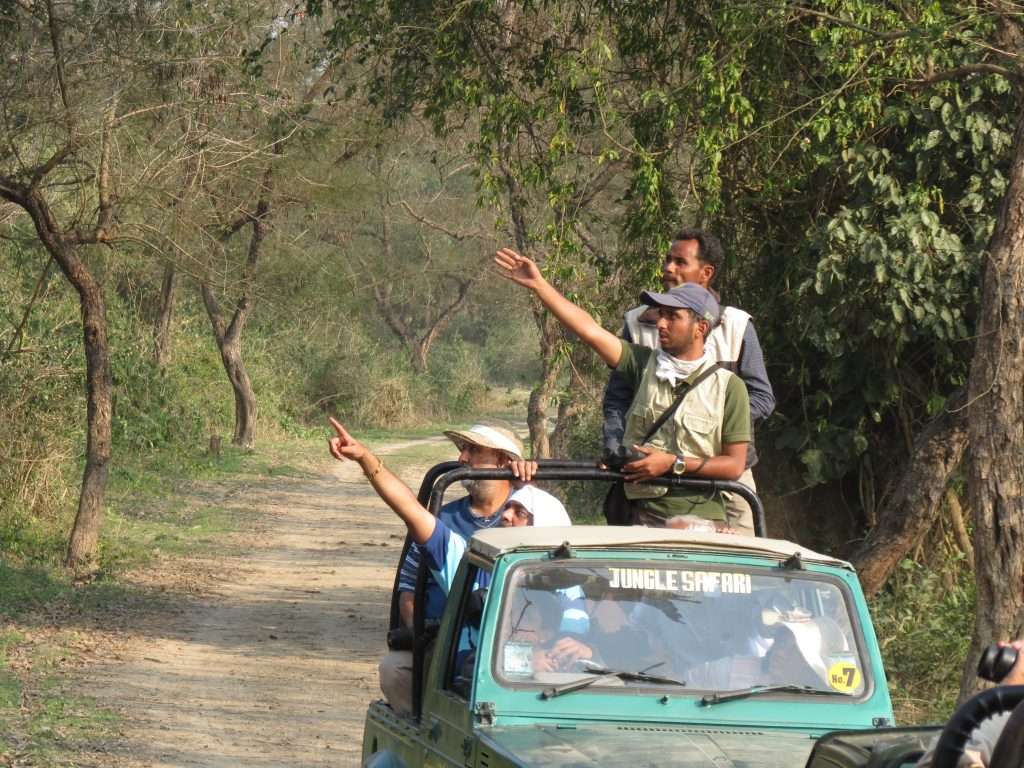
Visitors explore the park through jeep safaris and canter safaris, both accompanied by trained naturalists and experienced drivers.
Morning safaris begin at sunrise, when the forest is most active and wildlife movement is high. Evening safaris often provide dramatic golden light and opportunities to see predators emerging from the forest.
Each safari is unique — one drive may reveal herds of deer grazing in a meadow, while another may lead to the thrilling sight of a tiger crossing the forest road.
A Perfect Destination for Wildlife Photography
Bandhavgarh’s dramatic landscapes, open grasslands, and high predator density make it one of the best wildlife photography destinations in India.
Photographers often capture spectacular moments here — a tiger walking along a forest trail, a sloth bear foraging for termites, or a crested serpent eagle perched against a golden sunrise.
Few parks in India offer such consistent wildlife encounters combined with stunning scenery.
Read more: Top National Parks in India for Wildlife Photography and Safari Experiences

Planning Your Bandhavgarh Safari
For wildlife travellers exploring central India, Bandhavgarh pairs perfectly with other famous tiger landscapes such as Kanha National Park, Pench National Park, and Tadoba Andhari Tiger Reserve.
Carefully planned safari itineraries across these parks allow travellers to experience different forest ecosystems, wildlife behaviour, and photography opportunities across India’s most iconic tiger reserves.
Keep reading: Best Tiger Safaris in India for First-Time Wildlife Travelers, Why Summer Is the Best Season for Tiger Sightings in Central India, A Beginner’s Guide to Planning Your First Jungle Safari in India
Plan Your Jungle Safari
Exploring India’s tiger reserves becomes far more rewarding when the journey is carefully planned with experienced naturalists and thoughtfully designed itineraries.
Whether you are planning your first jungle safari or a dedicated wildlife photography trip, a well-curated expedition can transform a simple forest visit into a truly immersive wilderness experience.