
Hidden deep within the lush mountains of the Western Ghats lies one of India’s most fascinating yet lesser-known wilderness landscapes — Agumbe. Often referred to as the “Cherrapunji of South India” due to its extremely high rainfall, Agumbe is a thriving rainforest ecosystem filled with rare wildlife, ancient forests, and remarkable biodiversity.
For nature lovers, herpetologists, birdwatchers, and wildlife photographers, the forests around Agumbe represent one of the richest ecological regions in India. From the legendary King Cobra to the endangered Lion-tailed Macaque, the rainforest supports an incredible variety of life that few places in the country can match.
Located in the central Western Ghats of Karnataka, Agumbe forms an important part of a large forest corridor connecting multiple protected landscapes across southern India.
The Rainforest of the Western Ghats
Agumbe lies within the globally significant Western Ghats, one of the world’s eight “hottest biodiversity hotspots.” The forests here receive over 7,000 mm of rainfall annually, creating dense evergreen rainforest ecosystems filled with towering trees, thick vegetation, and mist-covered valleys.
These forests form part of the Malnad–Kodagu landscape, connecting several important wildlife habitats such as:
• Someshwara Wildlife Sanctuary
• Mookambika Wildlife Sanctuary
• Bhadra Wildlife Sanctuary
• Sharavathi Valley Wildlife Sanctuary
• Kudremukh National Park
Together, these forests form one of the most important wildlife corridors in southern India.
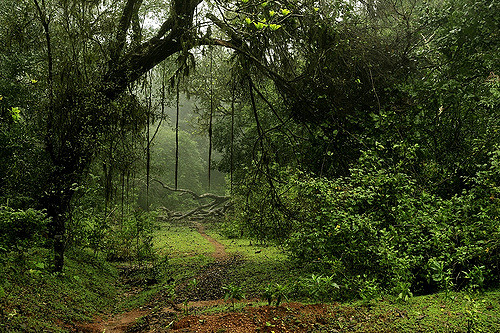
Agumbe Rainforest Research Station
One of the most significant conservation initiatives in the region is the Agumbe Rainforest Research Station. Located inside the Agumbe Reserved Forest, this field-based research facility is dedicated to studying and protecting the rainforest ecosystem.
The station gained global recognition for its long-term research on the elusive King Cobra — the world’s longest venomous snake. Scientists and conservationists at ARRS have spent decades studying the behaviour, habitat, and conservation needs of this iconic reptile.
Visitors exploring the rainforest often stay near the research station, where guided walks and wildlife observation opportunities offer a deeper understanding of the forest.
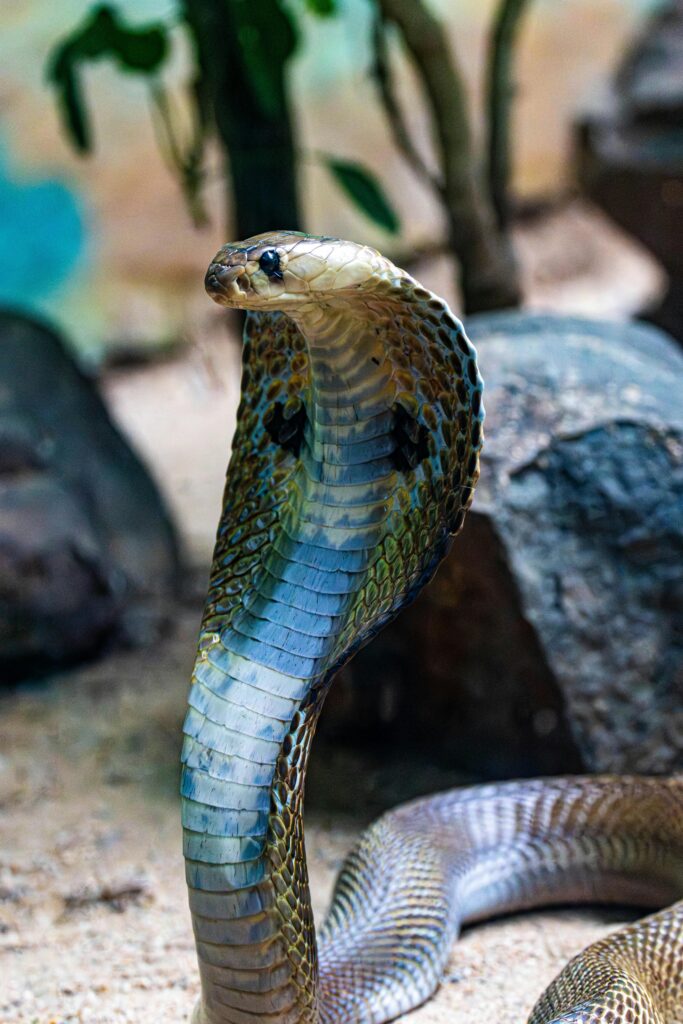
Wildlife of the Agumbe Rainforest
Agumbe’s dense forests support a remarkable range of wildlife species. While large mammals are present, the region is especially famous for reptiles, amphibians, and rare rainforest primates.
Some of the most exciting wildlife encounters include:
• King Cobra
• Lion-tailed Macaque
• Malabar Pit Viper
• Flying Lizard
• Malabar Giant Squirrel
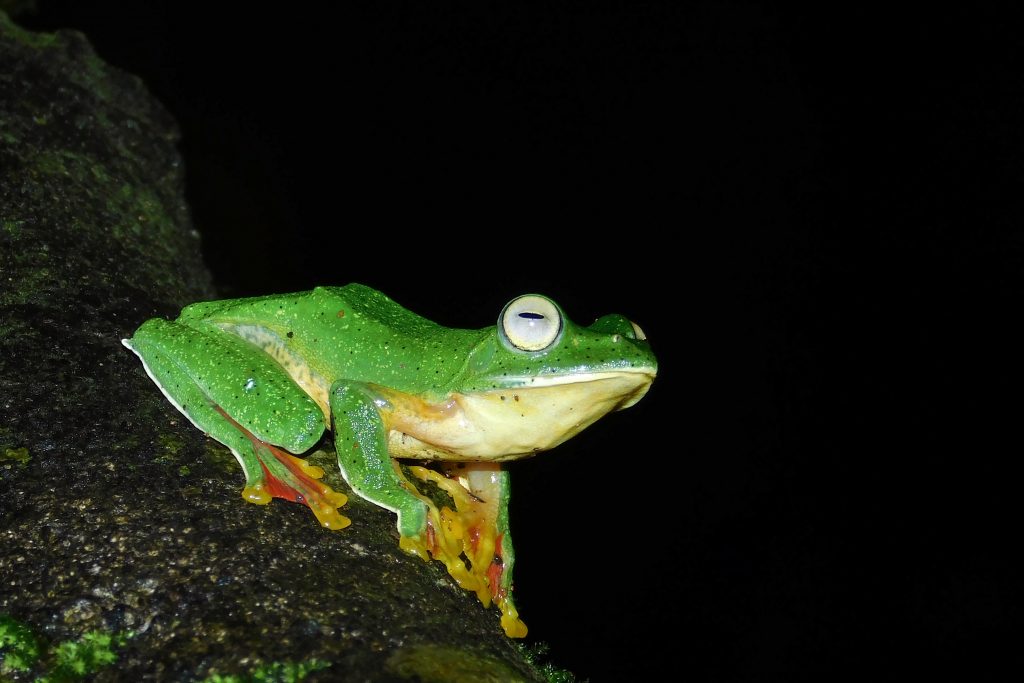
• Malabar Gliding Frog
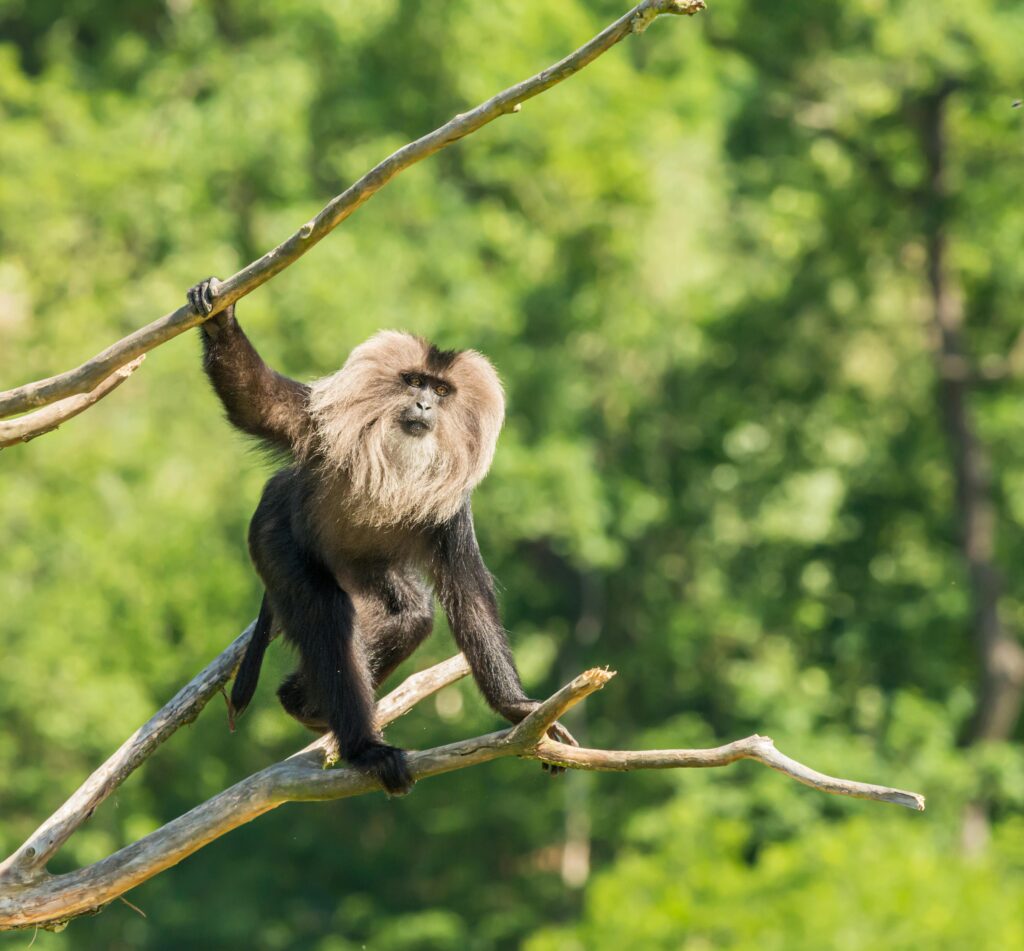
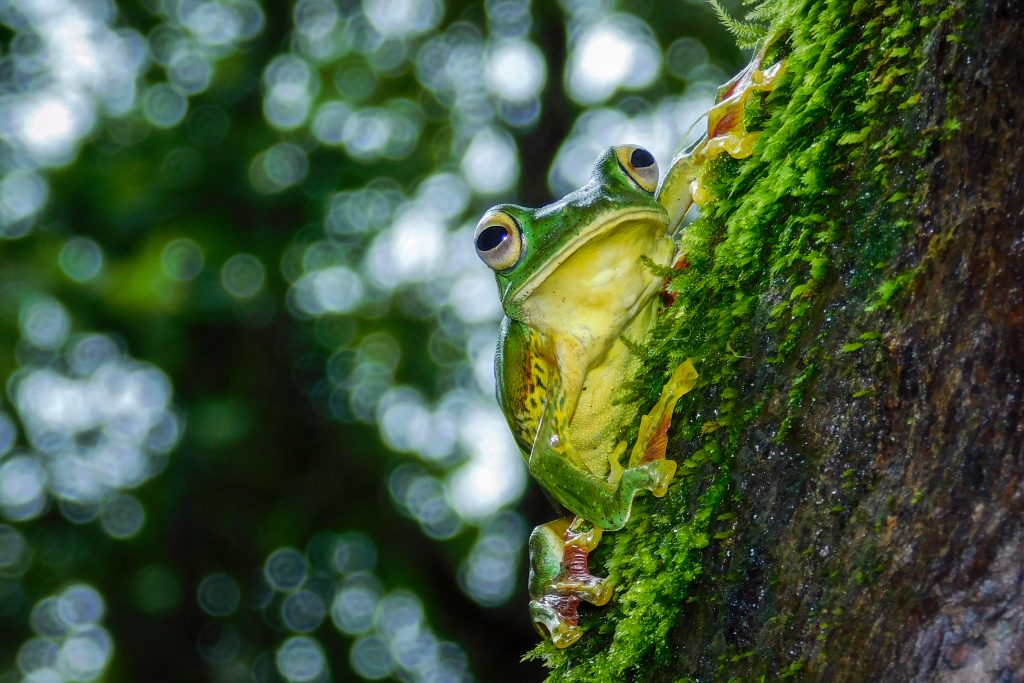
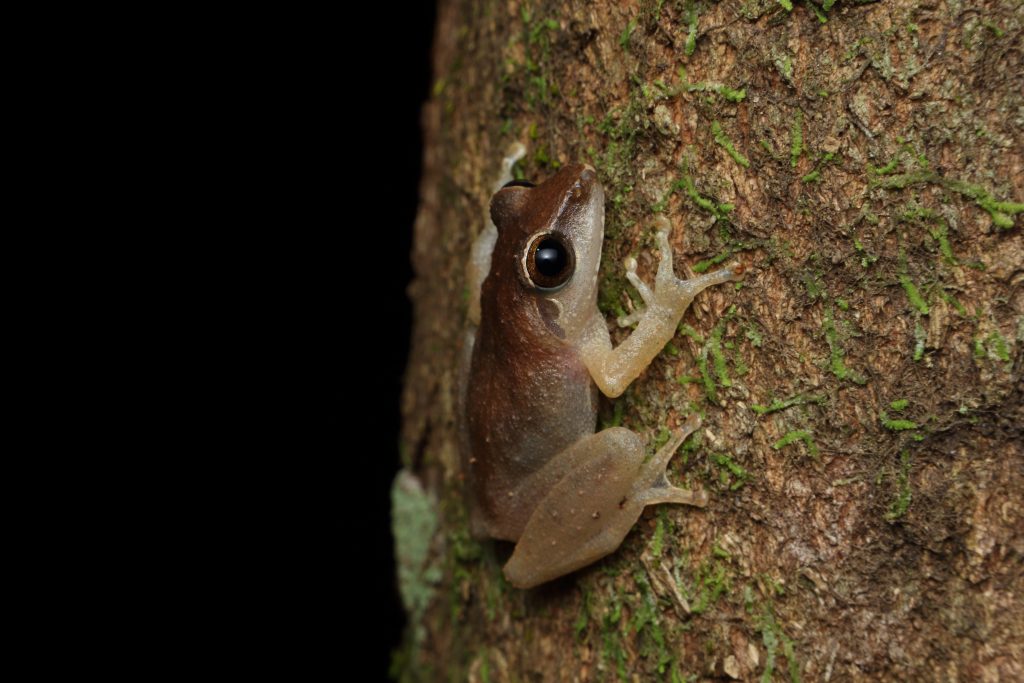
The rainforest is also home to numerous species of frogs, insects, spiders, and other reptiles, making it a paradise for macro photography and herpetology enthusiasts.
Birdlife in Agumbe
Birdwatchers visiting Agumbe are often rewarded with sightings of several spectacular rainforest birds. The dense canopy and river valleys support a rich variety of species, including:
• Malabar Trogon
• Malabar Grey Hornbill
• Indian Paradise Flycatcher
• Black Eagle
• Heart-spotted Woodpecker
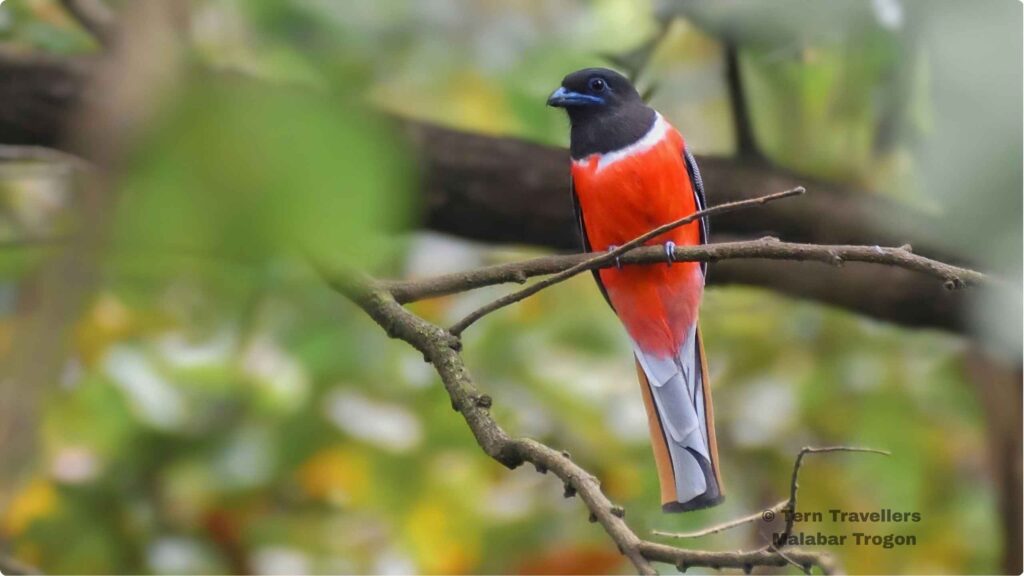
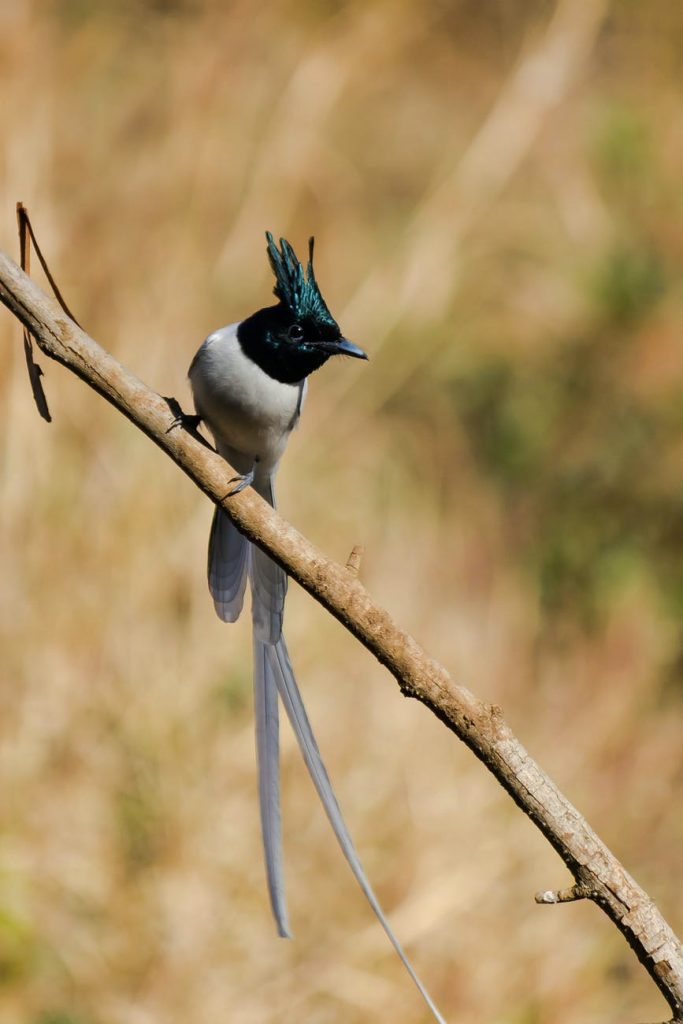
Early morning walks around forest edges and canopy trails often produce some of the best birding opportunities in the Western Ghats.
Exploring the Rainforest: What the Experience Is Like
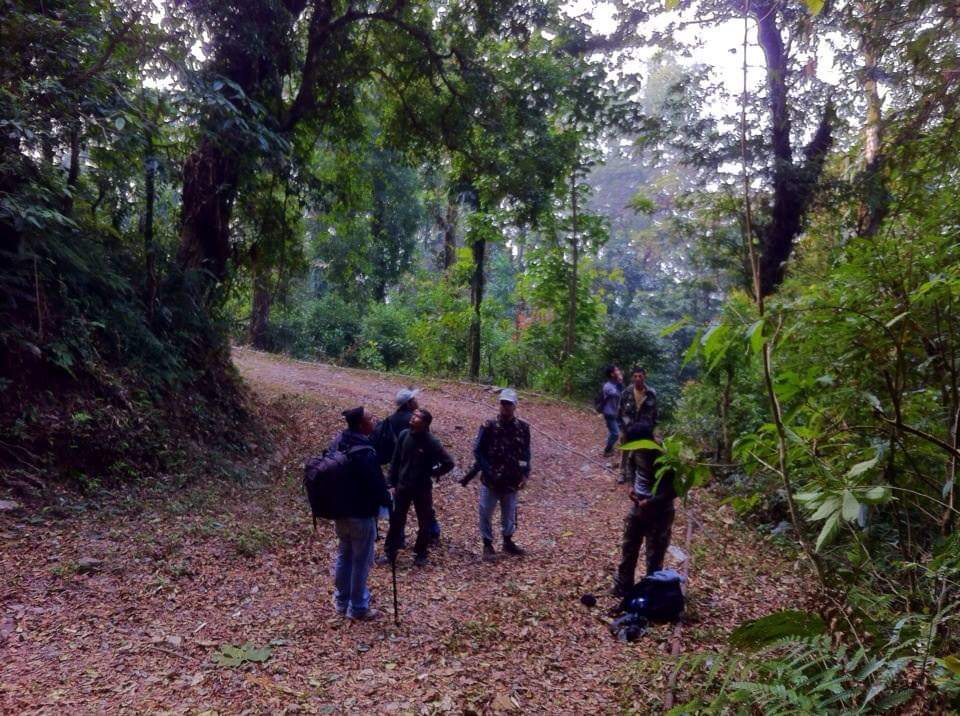
Unlike traditional jeep safaris found in tiger reserves, exploring Agumbe is a slow, immersive rainforest experience. The landscape is best explored through guided forest walks led by experienced naturalists.
Visitors often spend time searching for:
• Arboreal reptiles hidden in tree branches
• Rainforest birds in the canopy
• Rare amphibians near streams and leaf litter
• Insects, spiders, and other fascinating macro wildlife
Night walks are particularly exciting, as the rainforest becomes alive with nocturnal creatures such as frogs, scorpions, snakes, and insects.
A Typical Agumbe Rainforest Exploration
Wildlife experiences in Agumbe usually involve two-day rainforest explorations, often beginning from nearby cities like Mangalore.
A typical journey includes:
• Guided rainforest trails through evergreen forests
• Wildlife searches for reptiles and primates
• Birdwatching sessions around forest clearings
• Macro photography opportunities
• Night walks to observe snakes, frogs, and nocturnal wildlife
Visitors often stay at simple accommodations near the research station, allowing them to experience the rainforest environment closely.
Why Agumbe Is a Dream Destination for Wildlife Enthusiasts
Agumbe offers something very different from traditional wildlife destinations. Instead of large mammals dominating the experience, this rainforest reveals the hidden biodiversity of the Western Ghats — reptiles, amphibians, birds, insects, and rare primates that thrive in dense tropical forests.
For travellers interested in ecology, conservation, and natural history, Agumbe is one of the most rewarding landscapes to explore in India.
Few places in the country provide such an intimate window into the complex and fascinating world of rainforest ecosystems.
Plan Your Rainforest Exploration
Rainforest journeys like Agumbe reveal a completely different side of India’s wilderness. Instead of open safari drives, these experiences involve slow exploration, guided forest walks, birdwatching, and searching for rare rainforest species that are rarely seen elsewhere.
For travellers interested in wildlife beyond tigers — including rainforest reptiles, amphibians, and rare primates — Agumbe offers one of the most unique biodiversity experiences in India.
Read more: Top Biodiversity Forest Trails in Maharashtra Every Nature Lover Should Explore, Why Rainforests Are Among the Best Places for Macro Photography, 10 Best Summer Treks Near Mumbai to Beat the Heat