
A Complete Guide to One of India’s Most Underrated Wildlife Landscapes 🌾🐅
Hidden along the India–Nepal border in the lush floodplains of northern India lies one of the country’s most fascinating yet lesser-known wildlife regions — Dudhwa National Park and Katarniaghat Wildlife Sanctuary. Together, these protected areas form part of the larger Dudhwa Tiger Reserve, a remarkable ecosystem known for its tall grasslands, dense sal forests, and vast wetlands.
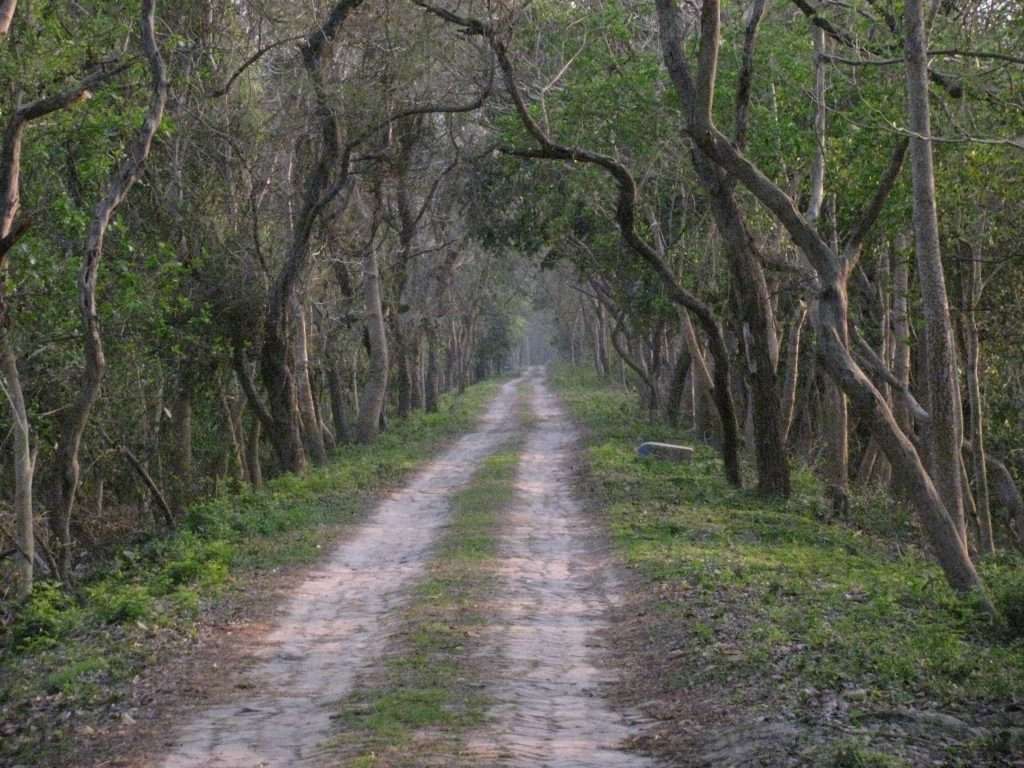
Unlike many of India’s popular wildlife reserves dominated by dry deciduous forests or rocky landscapes, the Terai region offers a completely different safari atmosphere. Misty wetlands, towering elephant grass, and rich river systems create a wild and immersive environment where wildlife thrives.
For wildlife photographers, birdwatchers, and nature enthusiasts, Dudhwa and Katarniaghat represent one of North India’s most rewarding yet underrated wildlife destinations.
The Unique Terai Ecosystem 🌿
The Terai is a narrow belt of fertile land stretching along the foothills of the Himalayas. Fed by rivers flowing from Nepal, this landscape supports a complex mix of ecosystems including:
➤ Tall grasslands
➤ Sal forests
➤ Riverine forests
➤ Marshes and wetlands
➤ Floodplain grasslands
These habitats create ideal conditions for a wide range of wildlife, from large mammals to aquatic reptiles and hundreds of bird species.
Because the Terai forests remain relatively untouched compared to many other reserves, they provide a raw and authentic safari experience.
Wildlife of Dudhwa National Park 🐅
Dudhwa National Park is the core of the region’s conservation landscape and is particularly famous for its strong population of large mammals.
Among the most iconic species found here are:
➤ Bengal Tiger
➤ Asian Elephant
➤ Leopard
➤ Sloth Bear
➤ Wild Boar
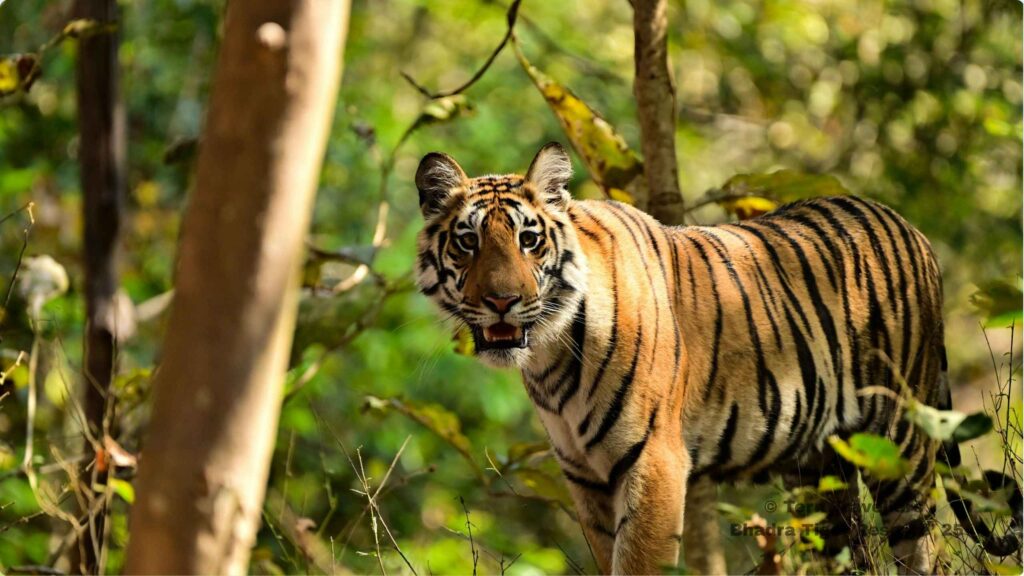
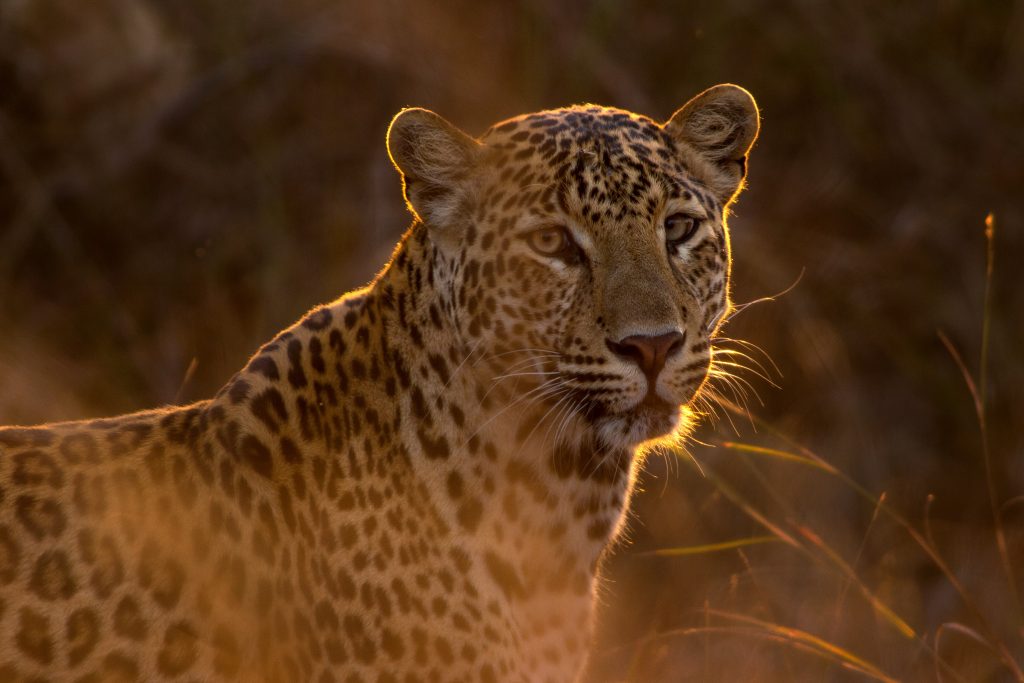
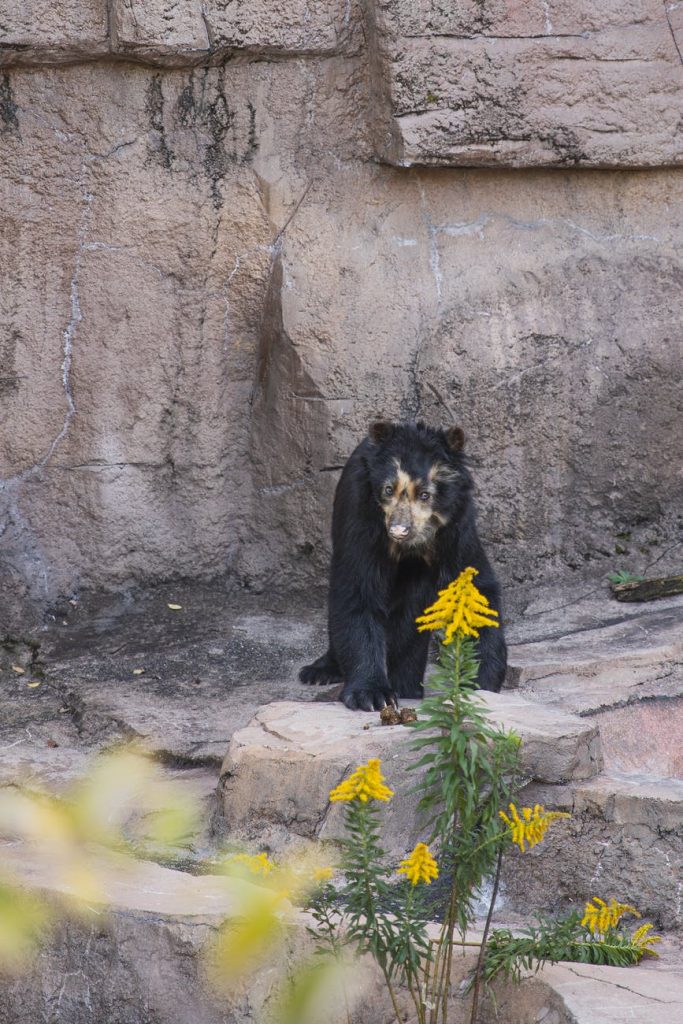
The park’s dense grasslands and forest patches create excellent habitat for tigers, which often move through the tall elephant grass while hunting prey.
Another remarkable species found in Dudhwa is the Swamp Deer, locally known as the Barasingha. This graceful deer once faced severe population decline but now thrives in the park thanks to dedicated conservation efforts.
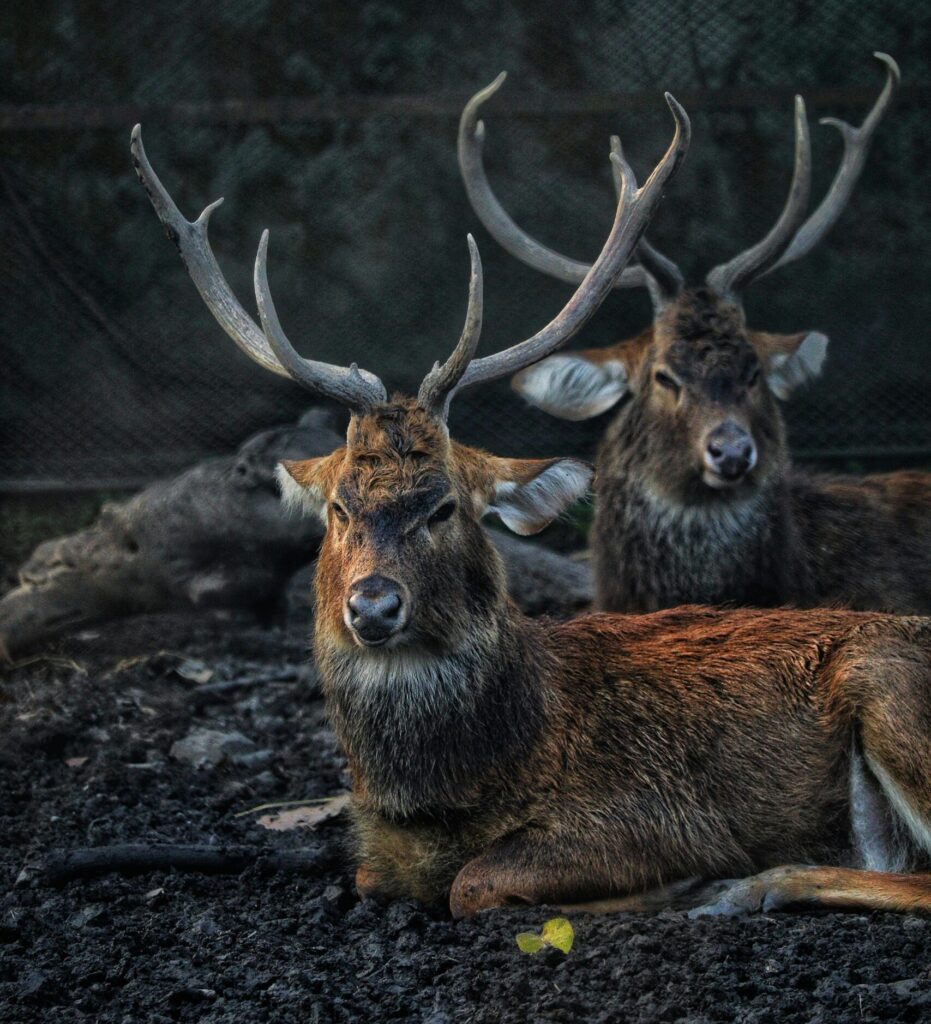
Today, Dudhwa hosts one of the most important populations of Swamp Deer in India, making it a key destination for wildlife enthusiasts hoping to see this rare species.
Katarniaghat Wildlife Sanctuary – The River Wilderness 🌊
Located east of Dudhwa along the Ghaghara River, Katarniaghat Wildlife Sanctuary offers a different but equally fascinating wildlife experience.
The sanctuary is famous for its riverine ecosystem, where forests meet wide river channels and wetlands.
This habitat supports several rare aquatic reptiles including:
➤ Gharial
➤ Marsh Crocodile
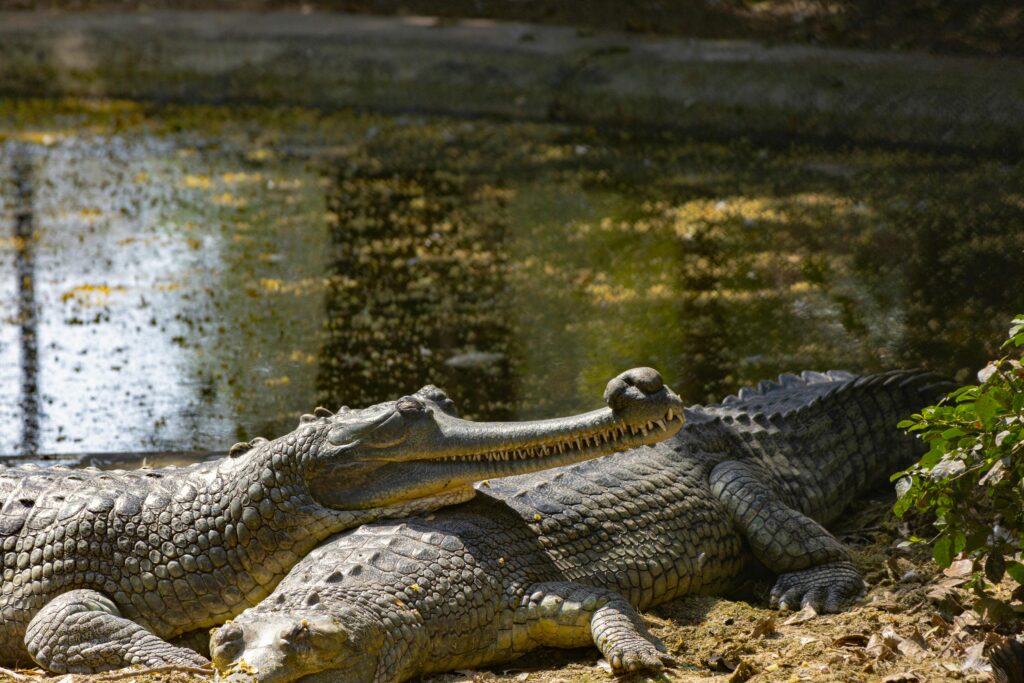
The Gharial, a critically endangered crocodilian known for its long narrow snout, is one of the highlights of the sanctuary.
Boat safaris along the river often provide opportunities to observe these reptiles basking on sandbanks, along with numerous waterbirds.
Katarniaghat’s river forests also support mammals such as leopards, deer, and elephants, making the sanctuary an important extension of the Terai ecosystem.
A Paradise for Birdwatchers 🦜
One of the most remarkable aspects of the Dudhwa–Katarniaghat landscape is its incredible bird diversity.
With over 450 recorded bird species, the region ranks among the richest birding areas in North India.
Birdwatchers exploring the forests and wetlands may encounter species such as:
➤ Great Hornbill
➤ Oriental Pied Hornbill
➤ Black-necked Stork
➤ Lesser Adjutant Stork
➤ Crested Serpent Eagle
➤ Changeable Hawk Eagle
➤ Stork-billed Kingfisher
➤ White-throated Kingfisher
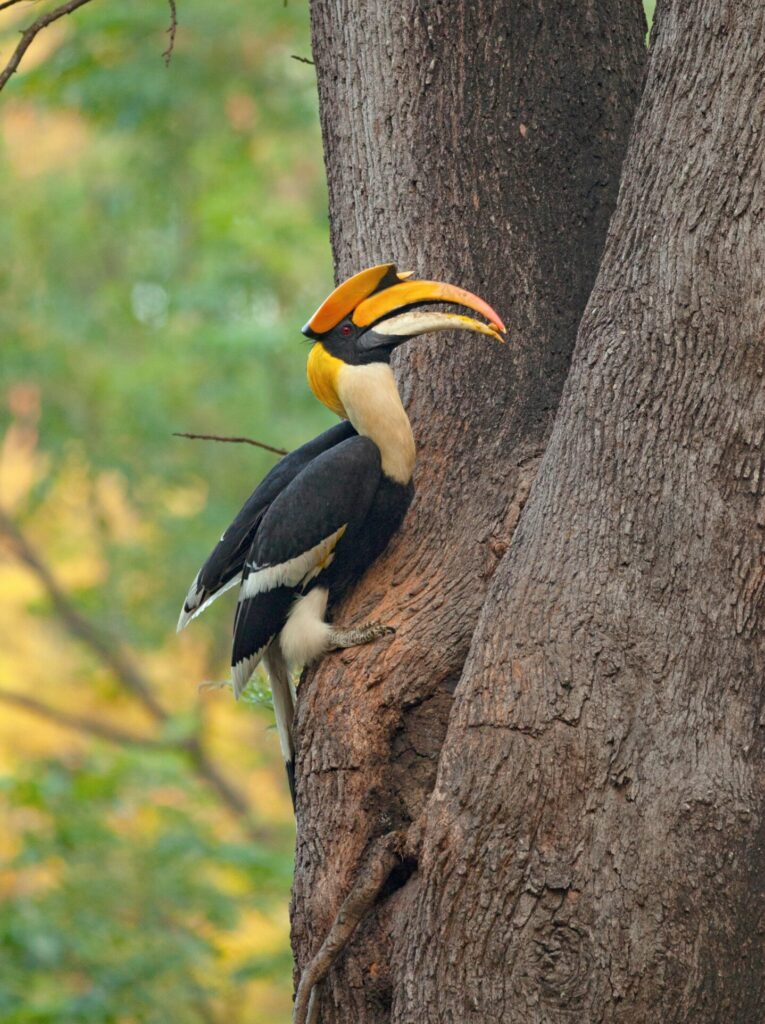
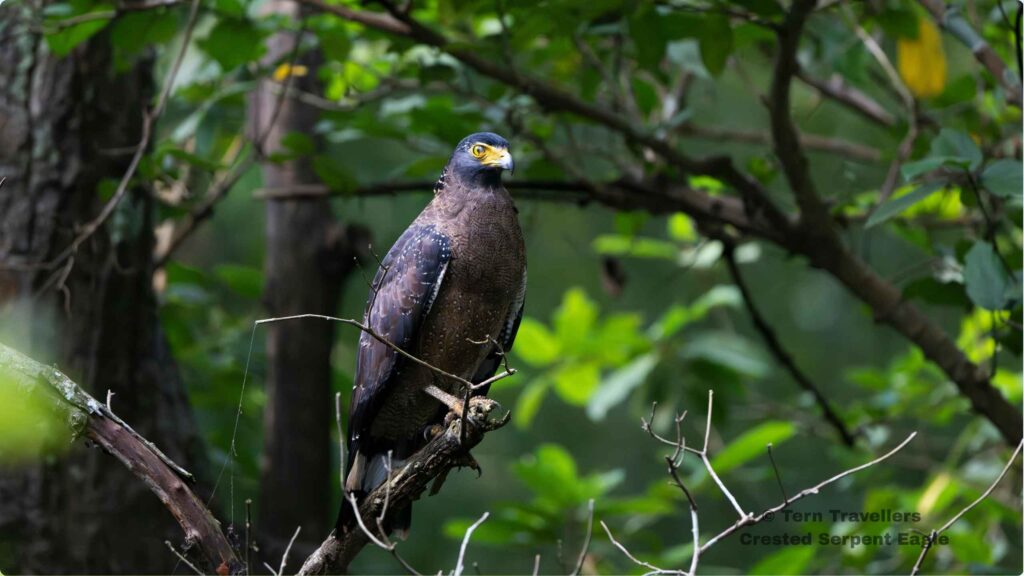
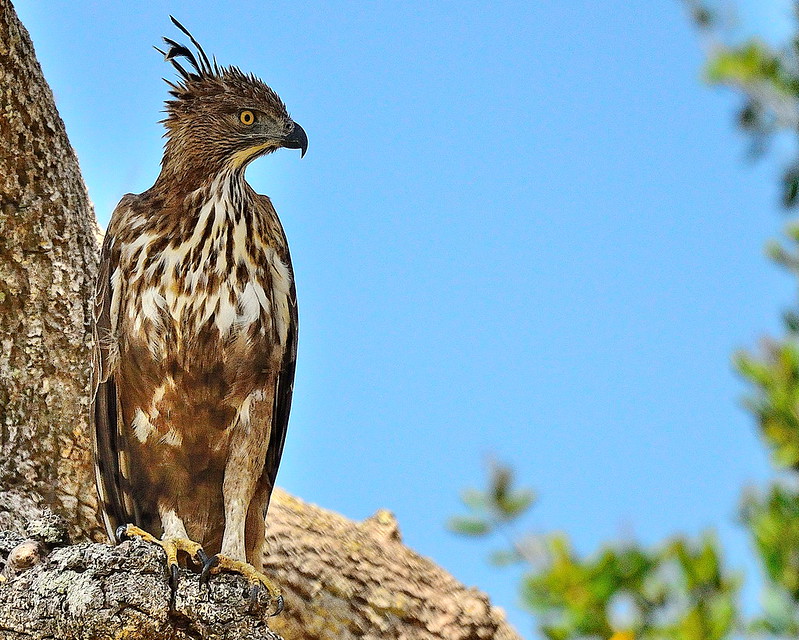
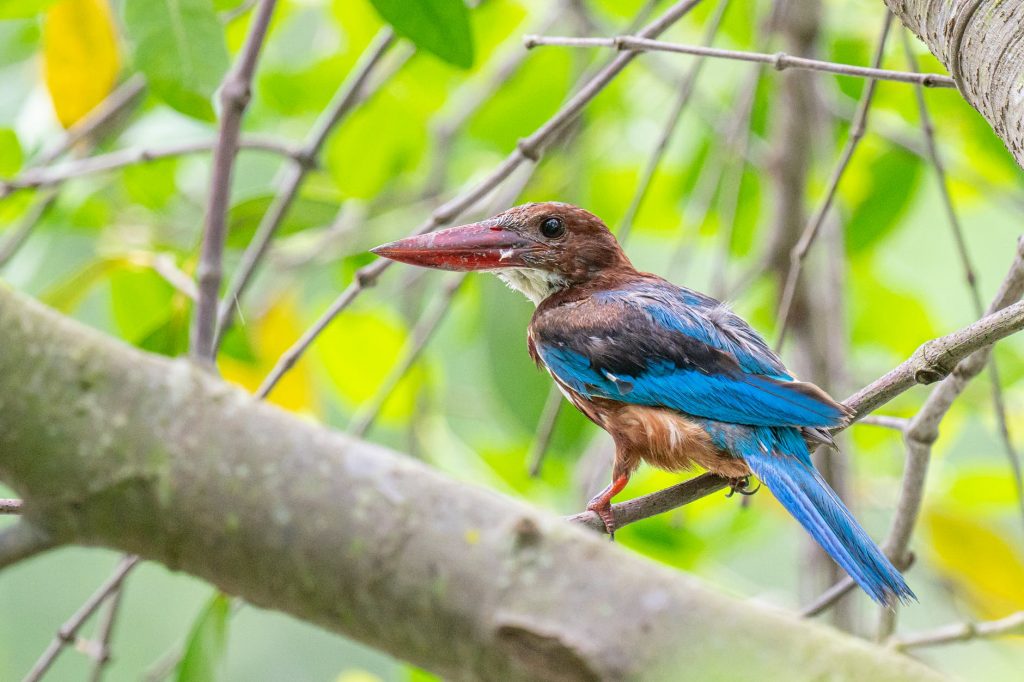
The wetlands also attract large numbers of winter migratory birds, including ducks, waders, and raptors arriving from Central Asia.
Because the region includes both grassland specialists and forest birds, birding here remains productive throughout the safari season.
A Different Safari Experience 🌫️
One of the reasons Dudhwa feels so unique compared to other Indian parks is its atmosphere.
Early mornings in the Terai forests are often wrapped in mist, with fog slowly rising from wetlands while birds begin calling from the forest canopy. As sunlight filters through the tall grasslands, wildlife activity gradually increases.
This setting creates a dramatic and immersive safari experience, especially for photographers capturing wildlife in soft natural light.
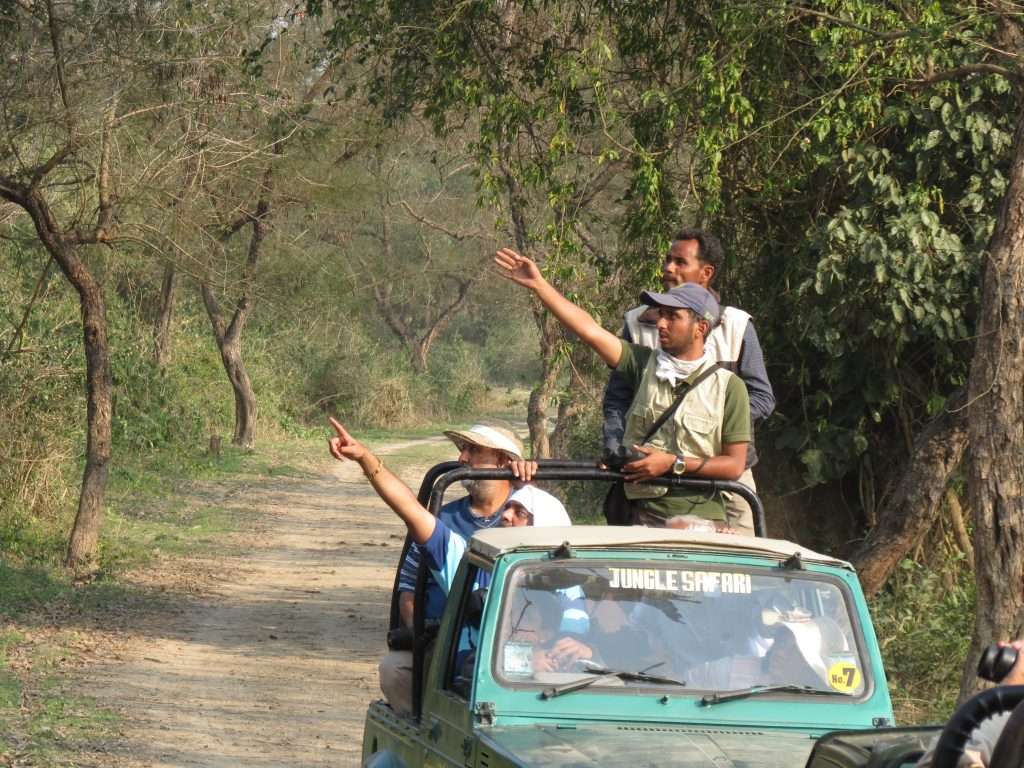
Unlike heavily visited reserves, the safari routes here are quieter, allowing visitors to explore the landscape at a more relaxed pace.
Why Dudhwa & Katarniaghat Are Special
Several factors make this region one of the most fascinating wildlife destinations in North India:
➤ Unique Terai grassland ecosystem
➤ One of India’s best habitats for Swamp Deer
➤ Strong tiger population
➤ Exceptional bird diversity with 450+ species
➤ River ecosystems supporting gharials and crocodiles
➤ Lower tourist pressure compared to many tiger reserves
Because of its remote location and relatively limited tourism, the region provides a more intimate wildlife experience, ideal for travellers seeking deeper connections with nature.
Best Time to Visit Dudhwa & Katarniaghat 📅
The most favorable season for wildlife safaris and birdwatching typically runs between November and April.
During these months:
➤ Weather conditions are comfortable
➤ Migratory birds arrive in large numbers
➤ Grasslands offer improved wildlife visibility
The winter months are especially rewarding for birdwatchers as wetlands attract numerous migratory species.
Final Thoughts
For wildlife enthusiasts looking to explore beyond India’s famous safari parks, Dudhwa and Katarniaghat offer a truly unique adventure. The combination of misty grasslands, river ecosystems, rich birdlife, and iconic mammals makes this Terai landscape one of the country’s most captivating wildlife regions.
Whether you are watching Barasingha grazing in golden grasslands, spotting a tiger crossing a forest track, or observing migratory birds in quiet wetlands, every moment in the Terai forests reveals the raw beauty of North India’s wilderness.
For anyone passionate about wildlife, exploring Dudhwa and Katarniaghat is an unforgettable journey into one of India’s last wild frontiers. 🌾🐅
Read more: A Beginner’s Guide to Planning Your First Jungle Safari in India, A Guide to Prepare for a Multi-Day Wildlife Safari in India, 10 Mistakes First-Time Safari Travelers Make (And How to Avoid Them)
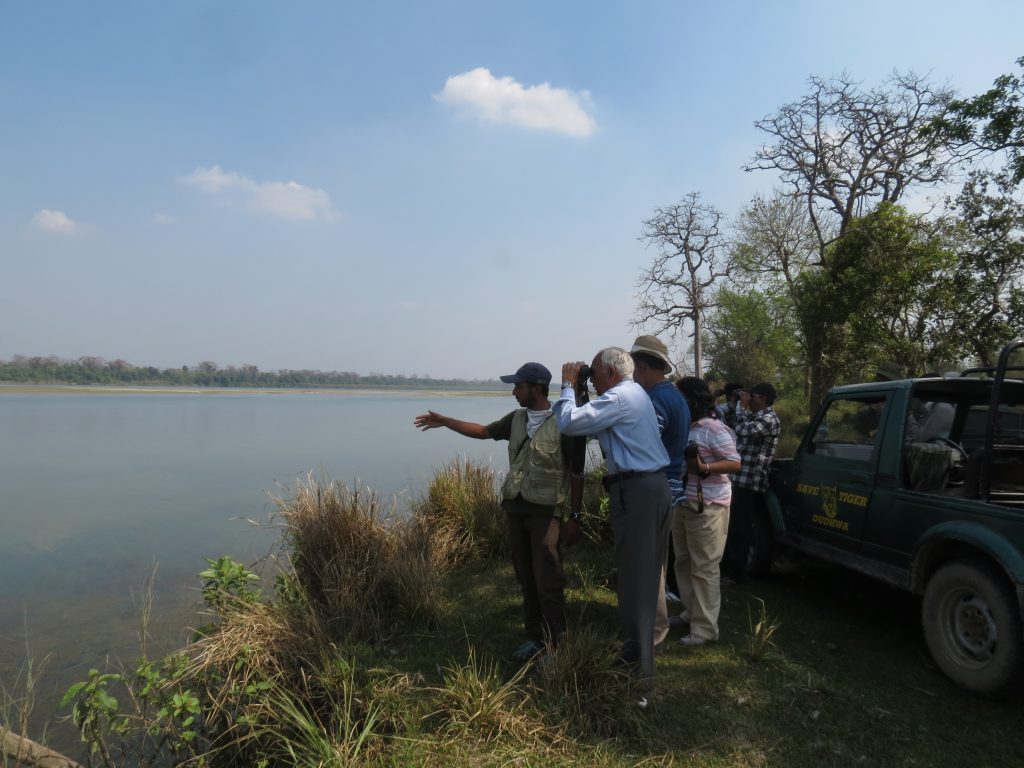
Interested in joining a Dudhwa Wildlife Expedition?
Explore the wild Terai forests of Dudhwa National Park and Katarniaghat Wildlife Sanctuary with guided safaris and immersive nature experiences.