
Understanding Biodiversity Beyond Scenic Views
Summer trekking in and around Mumbai and across Maharashtra is often misunderstood as merely a season of heat and dry landscapes. In reality, it is one of the most revealing times to observe biodiversity. Trekking routes cut through thriving ecosystems — from semi-evergreen forests and dry deciduous woodlands to rocky plateaus and grasslands — each supporting a dynamic web of birds, reptiles, insects, and mammals.
Unlike winter, when dense foliage can obscure movement, summer’s reduced canopy and shrinking water sources create predictable wildlife patterns. Animals adjust their routines around temperature and hydration, often increasing visibility during early mornings and late evenings. Trekkers who slow their pace, listen carefully, and observe closely soon realise that trails offer far more than panoramic viewpoints.
Many first-time trekkers are surprised by how alive the forests feel in summer — a revelation similar to what beginners often describe after their first immersive nature walk. Once you begin to notice subtle movements, calls, and signs, every trail transforms into a living classroom of ecology.
Birdlife Along Trekking Trails
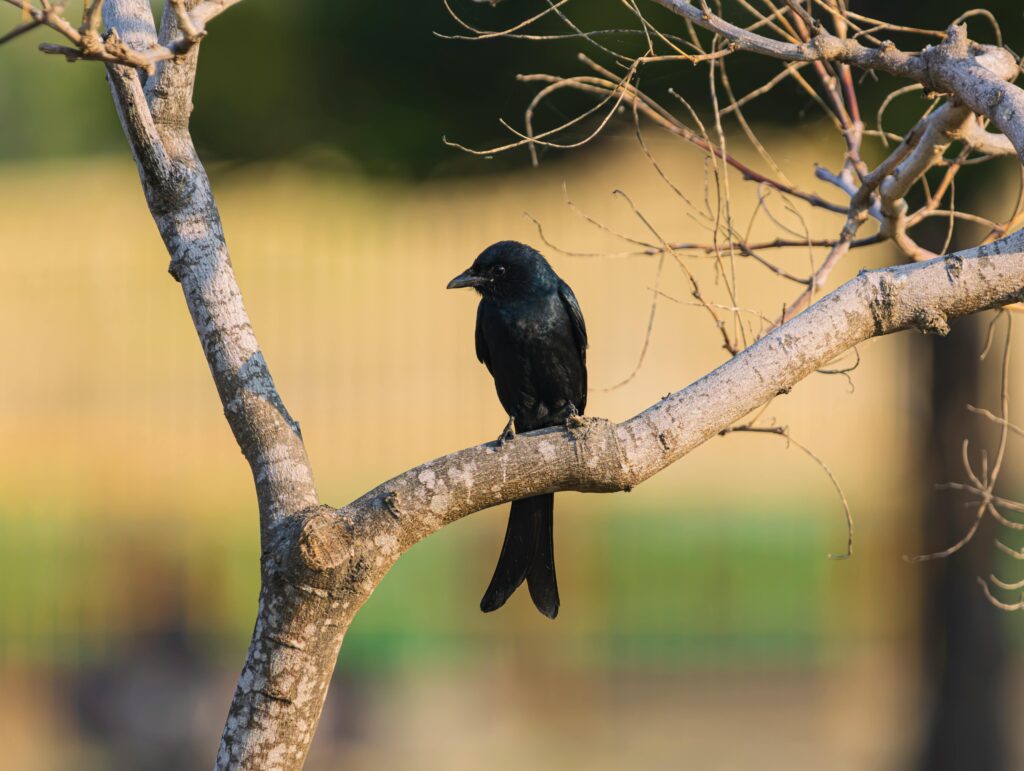
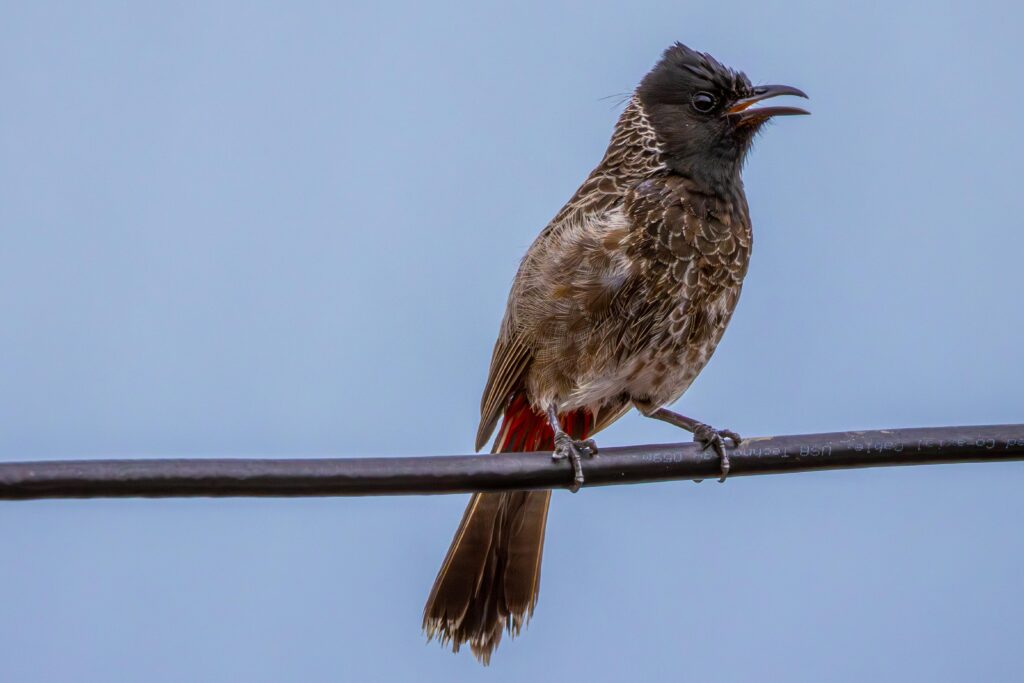
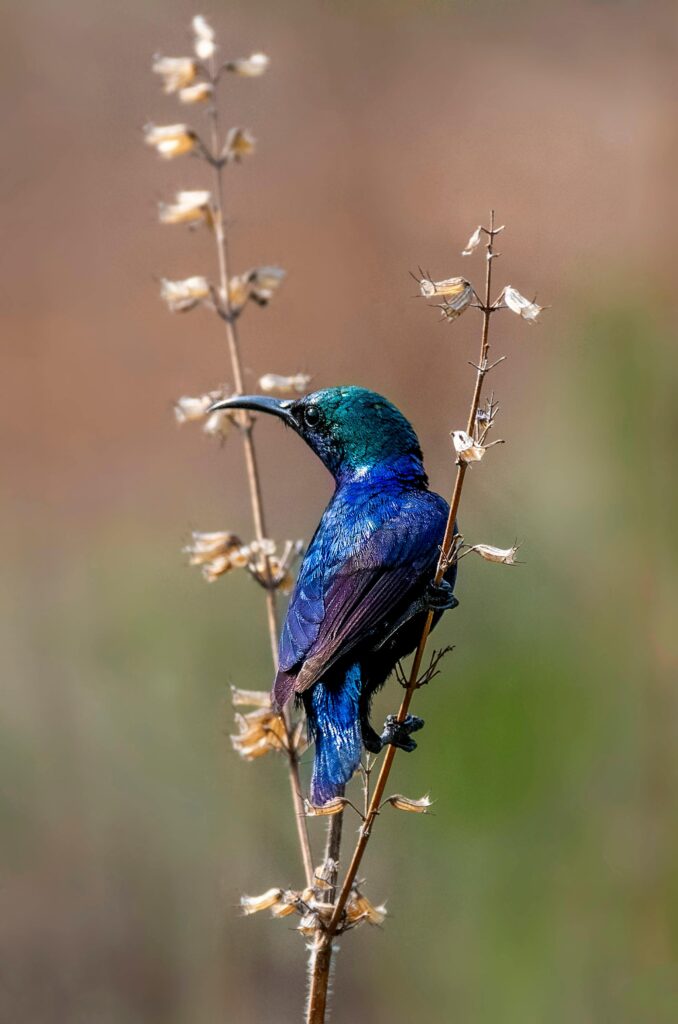
Early morning treks reveal a vibrant avian community actively feeding before temperatures rise. Species such as drongos, bulbuls, sunbirds, and treepies are commonly seen darting between branches or calling from exposed perches. With fewer leaves blocking the view, identification becomes easier, making summer ideal for beginner birdwatchers.
You may encounter the striking Black Drongo hawking insects mid-air, the melodious Red-vented Bulbul foraging in shrubs, or the iridescent Purple Sunbird visiting flowering trees.
Summer also coincides with breeding behaviour for several resident birds. Courtship displays, nest-building activity, and territorial calls add drama and energy to morning trails. Observing these behaviours provides insight into seasonal adaptation and ecological cycles.
Reptiles and Heat-Adaptive Species
Reptiles thrive in summer. As ectothermic animals, they rely on external heat sources to regulate body temperature. Rocky outcrops, open pathways, and sunlit clearings become basking sites, increasing the chances of sightings.
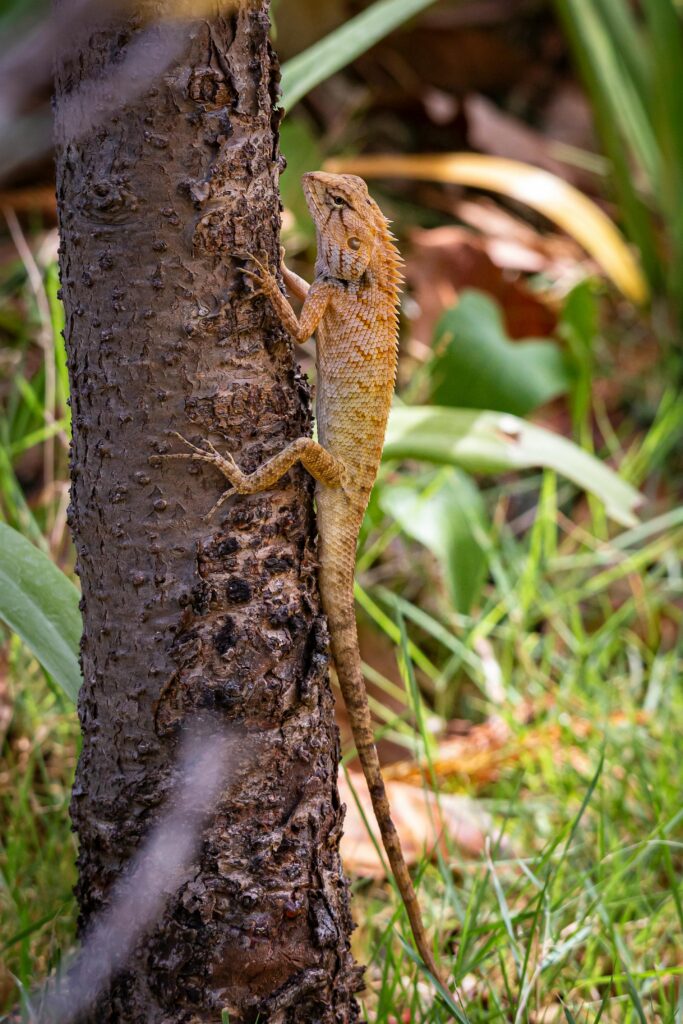
Trekkers may notice garden lizards perched on shrubs, skinks darting across the path, or occasionally a snake crossing a trail. Species like the Oriental Garden Lizard are particularly active, displaying subtle colour changes during the breeding season.
Understanding reptile behaviour encourages respectful trekking practices. Maintaining distance, avoiding sudden movements, and allowing these animals to retreat naturally ensures both safety and conservation awareness.
Reading Signs of Mammals
Direct sightings of mammals during summer treks are less common, especially as many species adopt nocturnal habits to avoid heat. However, observant trekkers can detect clear signs of their presence.
➤ Footprints near drying water sources often indicate recent activity.
➤ Scat on trails can reveal feeding patterns and territorial marking.
➤ Scratch marks on tree trunks may signal climbing mammals or territorial displays.
➤ Broken branches and partially eaten fruit hint at nocturnal foraging.
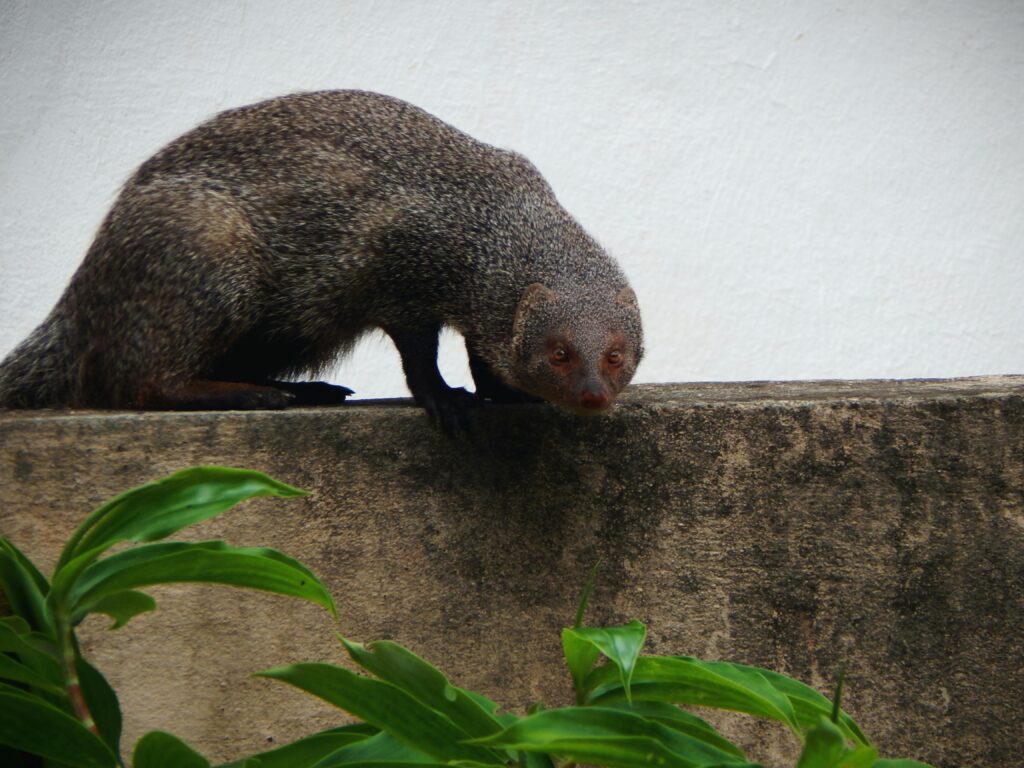
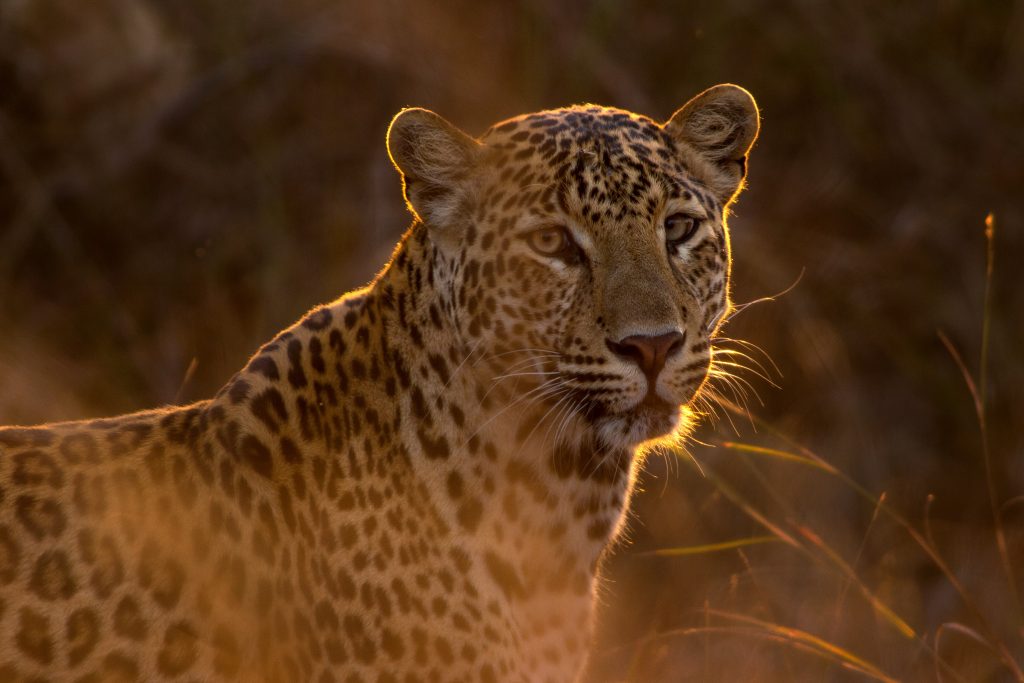
In forest belts of Maharashtra, signs may belong to animals such as the Indian Grey Mongoose or the elusive Indian Leopard in more remote zones. Learning to interpret these clues transforms a simple trek into a wildlife tracking experience.
Read: Tiger vs Leopard vs Cheetah: Understanding the Differences Between Big Cats
Trekking as Habitat Exploration
Viewing trekking routes purely as physical challenges limits the experience. When recognised as functioning habitats, these landscapes reveal intricate ecological relationships. Insects pollinate flowering shrubs. Birds disperse seeds across ridgelines. Reptiles control insect populations. Mammals influence vegetation patterns through grazing and browsing.
Summer trekking, therefore, becomes less about conquering a summit and more about participating in an ecosystem. Quiet observation, slower pacing, and mindful behaviour often result in richer encounters than rushing toward a viewpoint for photographs.
For travellers exploring different styles of nature immersion — from relaxed bird walks to deeper forest expeditions — understanding these interactions can help shape more meaningful outdoor choices. Selecting the right experience enhances both appreciation and conservation awareness.
Read: Where Should You Travel This Summer for Wildlife?
Why Summer Is a Hidden Season for Biodiversity
Summer trekking in Maharashtra offers increased wildlife visibility due to reduced foliage, concentrated animal movement around shrinking water sources, heightened reptile and insect activity, active bird breeding behaviour, and clearer interpretation of animal signs. Rather than viewing summer as an off-season, consider it a season of ecological clarity. For trekkers willing to slow down and observe, the forests reveal stories written in feathers, scales, tracks, and calls — wildlife encounters are rarely accidental; they are invitations to pay attention.
What begins as a scenic hike near Mumbai or elsewhere in Maharashtra often becomes a gateway into deeper wildlife exploration. Many trekkers find their curiosity expanding from landscapes to bird behaviour, reptile ecology, and subtle mammal tracking signs. If you notice yourself pausing to listen for calls, scanning rocky patches for movement, or examining footprints on dusty trails, you may be ready for a more immersive nature experience.
To take that next step, explore our main guide, Which Wildlife Expedition Is Right for You?, and discover whether birding trails, forest safaris, or specialised expeditions best match your travel style.