
Birdwatching is often seen as a peaceful solo activity — a quiet walk-through forests, wetlands, or mangroves with binoculars in hand. While exploring nature independently can be rewarding, many enthusiasts soon realize that birding becomes far more enriching when experienced through a guided bird walk. Especially in biodiverse regions around Mumbai, locations like the wetlands of Thane Creek Flamingo Sanctuary or forest trails near Karnala Bird Sanctuary reveal much more when explored alongside experienced naturalists.
Guided bird walks are not just about spotting more birds — they transform a simple outing into an educational, immersive, and conservation-focused experience. Whether you are a beginner trying to identify your first species or an experienced birder hoping to refine observation skills, guided walks offer advantages that solo exploration often cannot match.
Expert Identification Makes Birding Easier
One of the biggest challenges beginner’s faces is identifying birds correctly. Many species appear similar at first glance, and differences may lie in subtle markings, calls, or behavior.
During guided bird walks, naturalists help participants distinguish between species using practical techniques such as call recognition, flight patterns, feeding behavior, and habitat preference.
For example, a solo visitor may simply notice a small brown bird, while a guide may explain how to differentiate a prinia from a tailorbird based on tail movement or vocal calls. Over time, participants begin recognizing birds independently, significantly improving their observation skills.
Read: How Naturalists Identify Birds, Trees and Wildlife During Forest Walks
Higher Chances of Bird Sightings
Experienced guides understand bird movement patterns, seasonal migration, and micro-habitats where species are most active. Instead of wandering randomly, guided walks follow proven observation routes, active feeding zones, tide-based birding timings in wetlands, and seasonal hotspots.
Bird activity in natural habitats often depends on factors such as time of day, seasonal movement, and habitat conditions. Guided bird walks are usually planned during peak activity hours, such as early mornings when birds are actively feeding and calling. Experienced naturalists also understand which trails, forest edges, or water bodies are most productive at specific times, significantly improving the chances of meaningful sightings compared to exploring independently. Proper knowledge of timing and terrain plays an important role in maximizing birdwatching opportunities.

Learning Bird Behavior, Not Just Names
Birdwatching becomes more meaningful when observers understand behavior rather than simply identifying species. Guided walks introduce participants to courtship displays, feeding strategies, territorial calls, nesting patterns, and migration behavior.
Watching a kingfisher dive becomes far more engaging when a naturalist explains hunting techniques or perch selection behavior. This deeper interpretation transforms passive observation into active learning.
Understanding Ecosystems and Conservation
Guided bird walks often extend beyond birds themselves. Participants gain insight into mangrove ecosystems, forest biodiversity, wetland conservation, and the relationship between wildlife and urban environments.
Natural areas around Mumbai are ecologically sensitive, and guided experiences help visitors understand how habitats support migratory species while maintaining environmental balance. This awareness encourages responsible tourism and promotes long-term conservation thinking.
Read: Responsible Wildlife Tourism: A Guide to Ethical Travel and Conservation Impact
Safer and More Comfortable Exploration
Exploring unfamiliar natural areas alone can sometimes lead to navigation challenges, entry into restricted zones, or unintended disturbance to wildlife habitats. Guided bird walks ensure safe routes, ethical birding practices, and structured exploration.
Participants are able to focus entirely on observing and learning rather than worrying about logistics or safety concerns.
Better Opportunities for Bird Photography
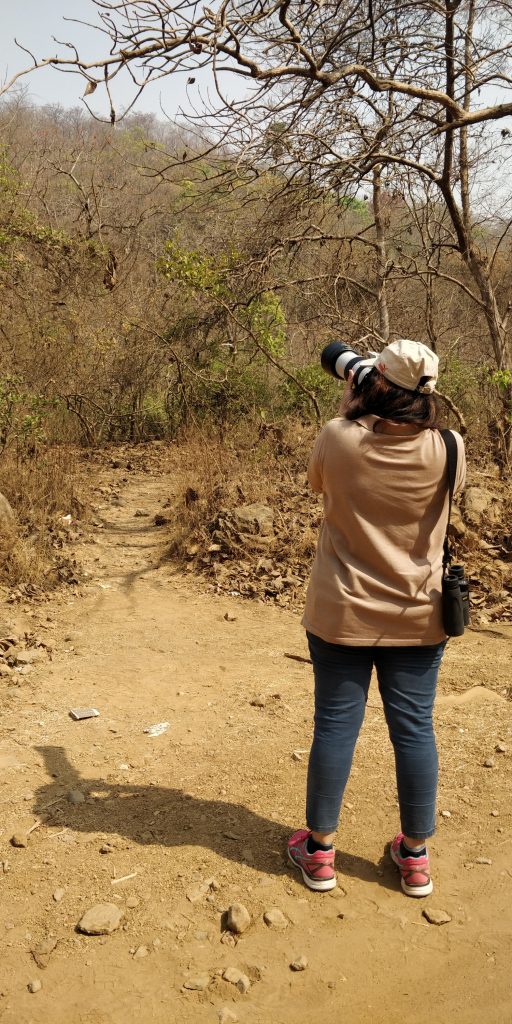
Photography enthusiasts benefit significantly from guided walks. Naturalists often assist participants with positioning relative to light, predicting bird movement, maintaining ethical distances, and understanding bird behavior before attempting photographs.
Knowing where a bird is likely to perch or return improves the chances of capturing meaningful wildlife images rather than brief or rushed sightings.
Community and Shared Learning Experience
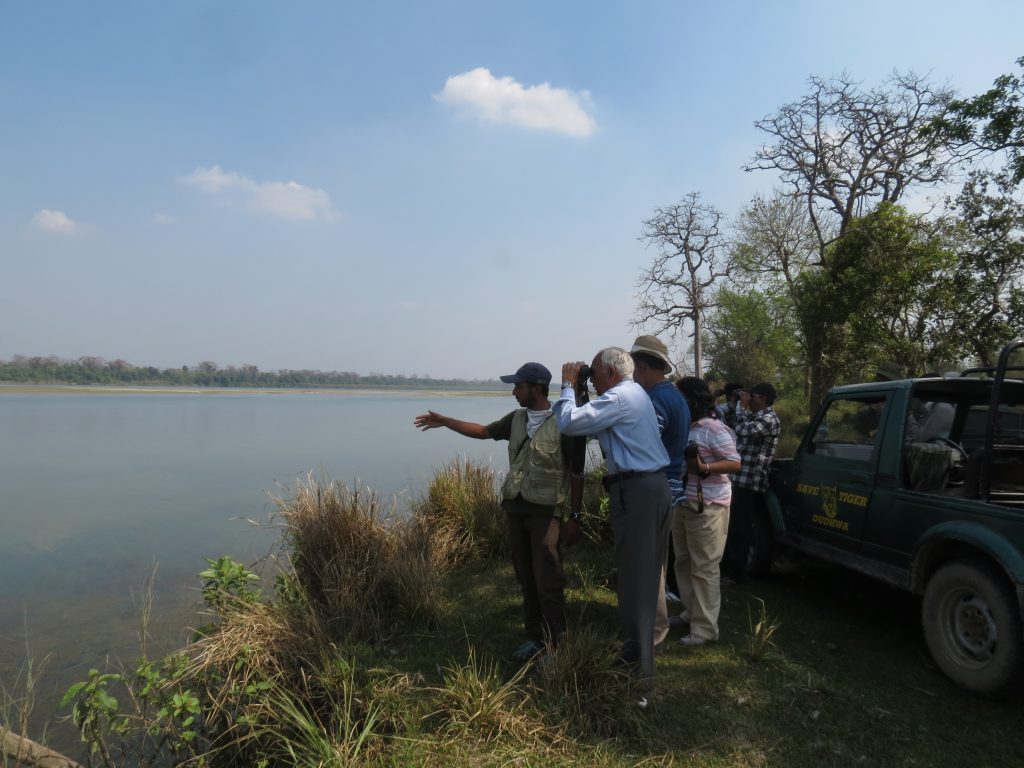
Birding with a group creates a collaborative learning environment where participants exchange sightings, discuss observations, and build confidence in nature exploration. Guided walks often introduce newcomers to a supportive community that encourages continued interest in birdwatching and wildlife appreciation.
Many first-time participants discover that guided bird walks help transform casual curiosity into a lasting passion for nature.
Conclusion
While solo exploration offers quiet reflection, guided bird walks provide depth, knowledge, and meaningful engagement with natural ecosystems. From improved bird sightings and expert interpretation to safety and conservation awareness, guided experiences unlock dimensions of birdwatching that are often missed when exploring alone.
For those looking to truly understand landscapes, species behavior, and ecological relationships within Mumbai’s natural spaces, guided bird walks offer far more than sightings. They create opportunities to observe nature with awareness, learn from expertise, and develop a deeper connection with the environment.
Ready to turn your casual walk into an unforgettable avian adventure? Join our expert-led guided bird walks around Mumbai and transform your birding experience from simple spotting to in-depth discovery.
Continue exploring: Best Birdwatching Destinations in India, Beginner’s Guide to Birdwatching, Common Myths About Birds: Facts That Might Surprise You, 10 Birds Every Beginner Birder Should Learn to Identify in India