
A wildlife safari in India is an unforgettable experience. From tracking the majestic Bengal Tiger through dense forests to watching herds of Asian Elephant move silently across riverbeds, India’s national parks offer some of the most exciting wildlife encounters on the planet.
However, first-time safari travellers often arrive with unrealistic expectations or make simple planning mistakes that can reduce the quality of their experience. Safaris depend heavily on timing, preparation, and patience, and understanding how the jungle works can make a huge difference.
10 Common Mistakes first-time safari travellers make & How you can avoid them to make the most of your wildlife adventure
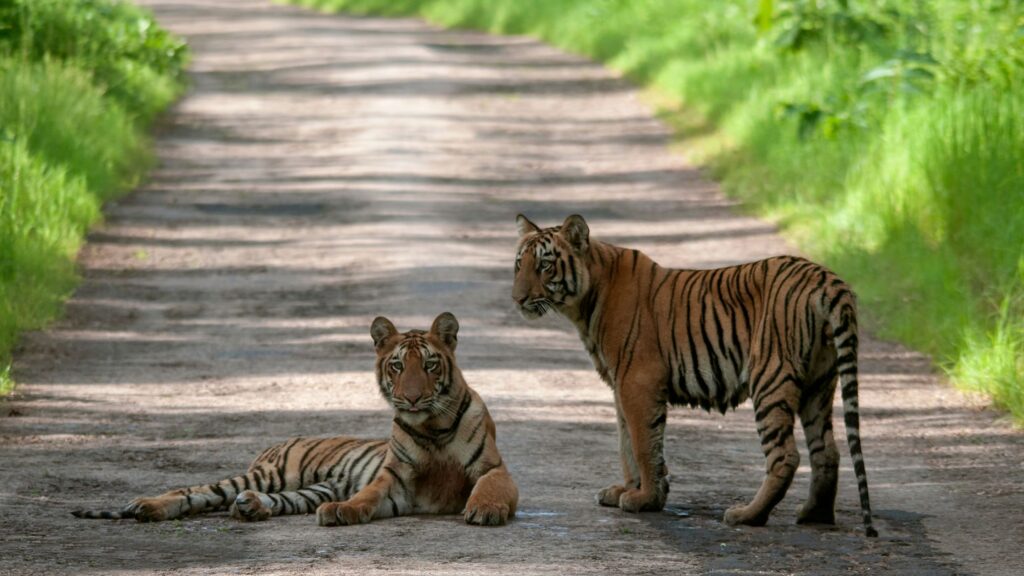
1. Expecting to See Tigers on Every Safari
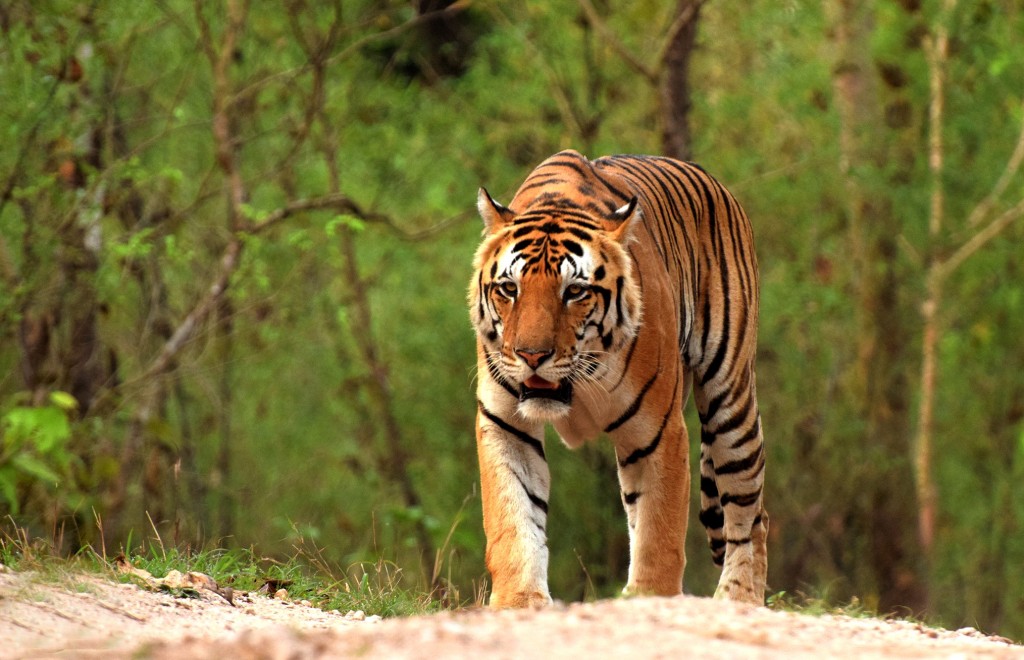
One of the biggest misconceptions about Indian safaris is expecting guaranteed tiger sightings. While parks such as Bandhavgarh National Park and Tadoba-Andhari Tiger Reserve are known for frequent tiger encounters, wildlife sightings are never guaranteed.
The forest operates on its own rhythm, and animals move according to habitat conditions, weather, and prey movement. A safari should be enjoyed as a complete wildlife experience, not just a tiger hunt.
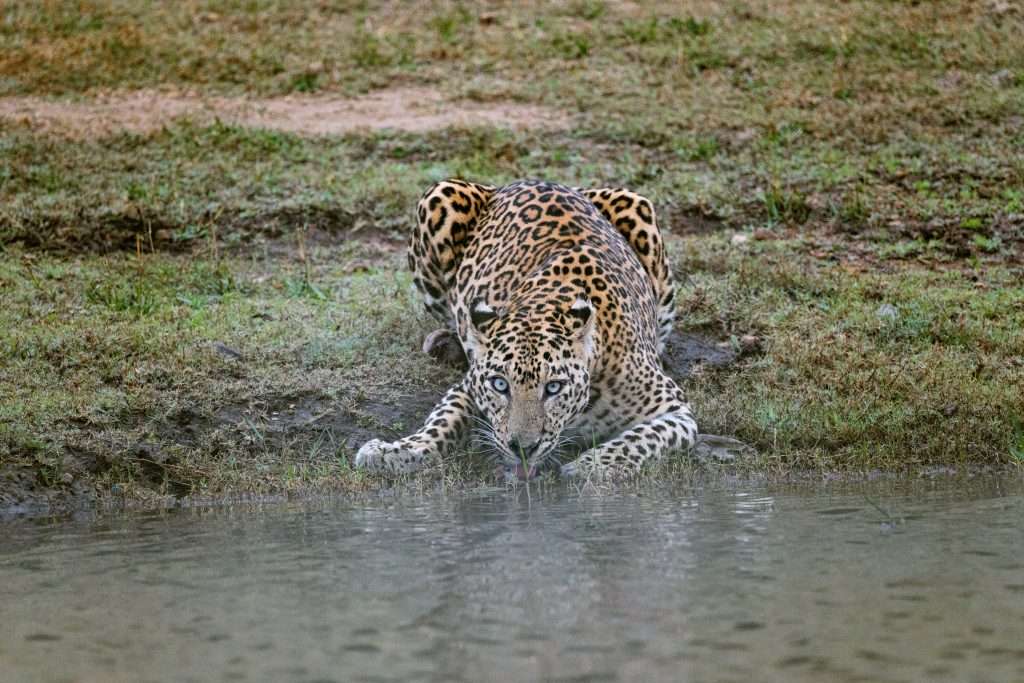
Many travellers end up discovering equally fascinating species such as Leopard, Sloth Bear, Dhole, and countless birds.
2. Booking Only One Safari Drive
Another common mistake is planning only a single safari. Wildlife movement is unpredictable, and sightings can vary from one safari to another.
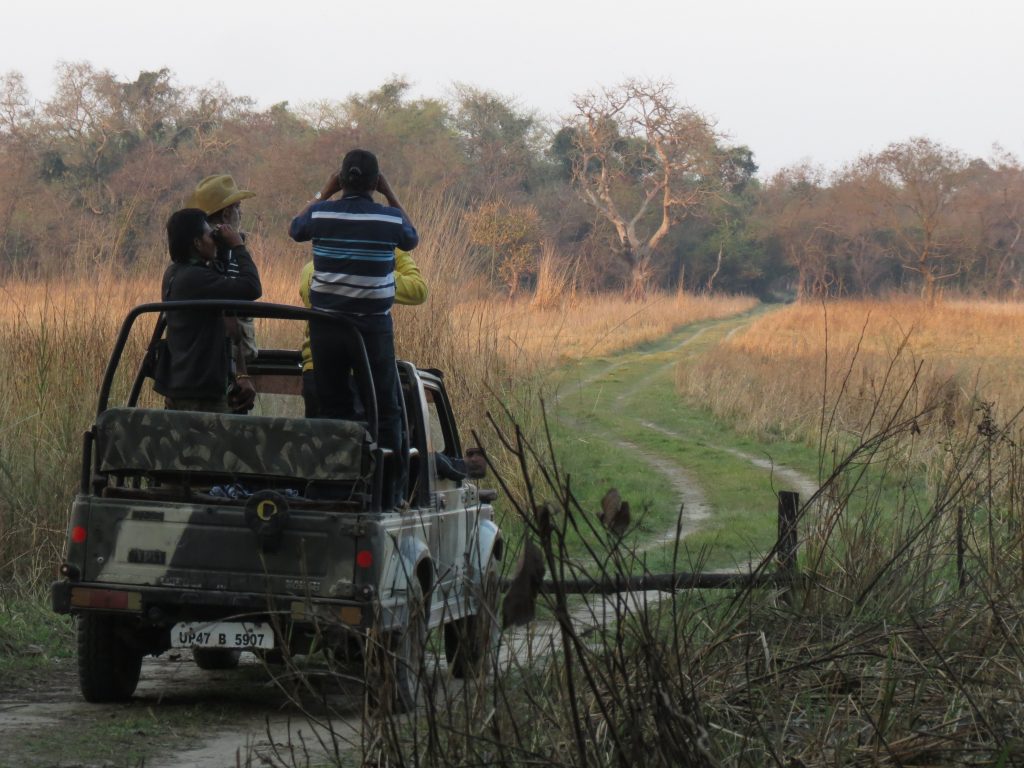
Experienced travellers typically plan three to four safari drives during their stay. Multiple drives increase the chances of encountering animals and allow visitors to explore different safari zones.
3. Choosing the Wrong National Park
Not all national parks offer the same wildlife experience. Some parks are better for tiger sightings, while others are exceptional for birdwatching or landscape photography.
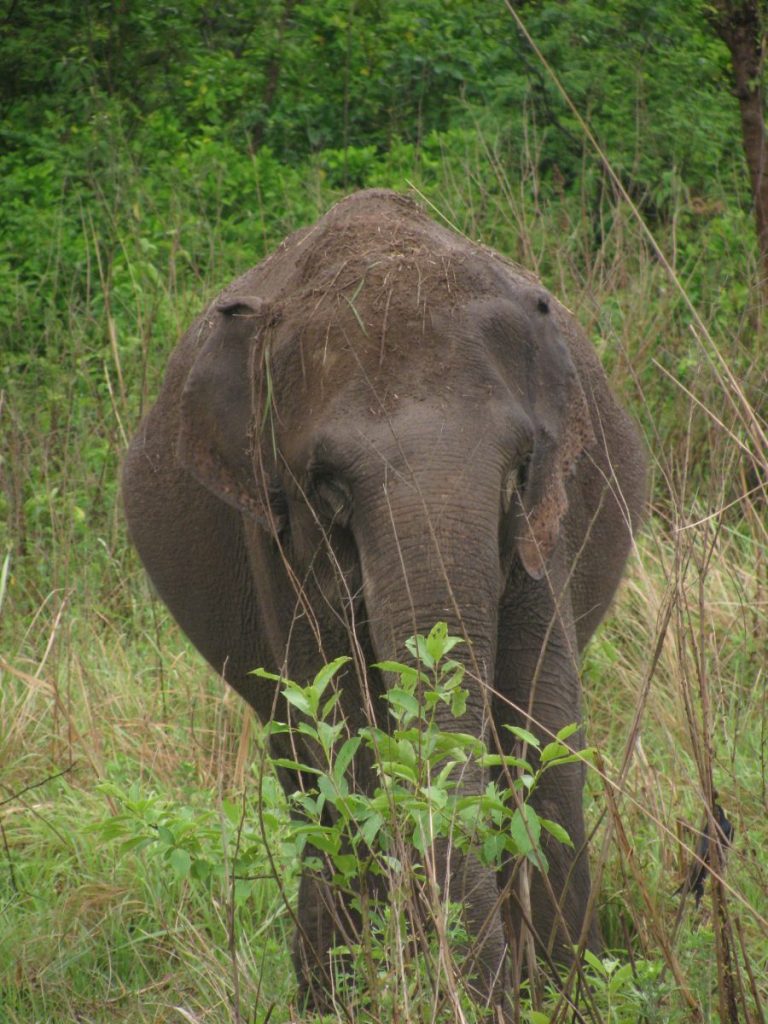
For example, Pench National Park is known for scenic teak forests and diverse wildlife, while Nagarhole National Park offers excellent elephant sightings and rich Western Ghats biodiversity.
Selecting the right destination based on your interests is crucial for a satisfying safari.
4. Ignoring the Best Time to Visit
Seasonality plays a huge role in wildlife sightings. Many first-time visitors choose travel dates based only on holidays rather than wildlife behavior.
Summer months between March and May often provide the best tiger sightings, as animals gather near water sources and vegetation becomes sparse. Winter, on the other hand, is excellent for birdwatching and comfortable safaris.
Understanding seasonal patterns greatly improves the safari experience.
5. Wearing the Wrong Clothing
Bright colours and noisy fabrics can disturb wildlife and attract unwanted attention from insects.
Safari travellers should wear neutral-coloured clothing such as olive green, beige, or brown. These colours blend with the forest environment and make wildlife observation easier.
Lightweight clothing, a hat, and comfortable footwear are also essential for long hours in the field.
6. Talking Too Much During Sightings
The jungle is a world of subtle sounds — alarm calls from deer, bird calls, and rustling leaves often reveal the presence of predators before they are seen.
Talking loudly during safaris can scare animals away and disrupt the experience for others in the vehicle. Staying quiet allows guides to detect wildlife movement more easily.
7. Focusing Only on Big Animals
Many first-time visitors overlook smaller wildlife while searching for large mammals.
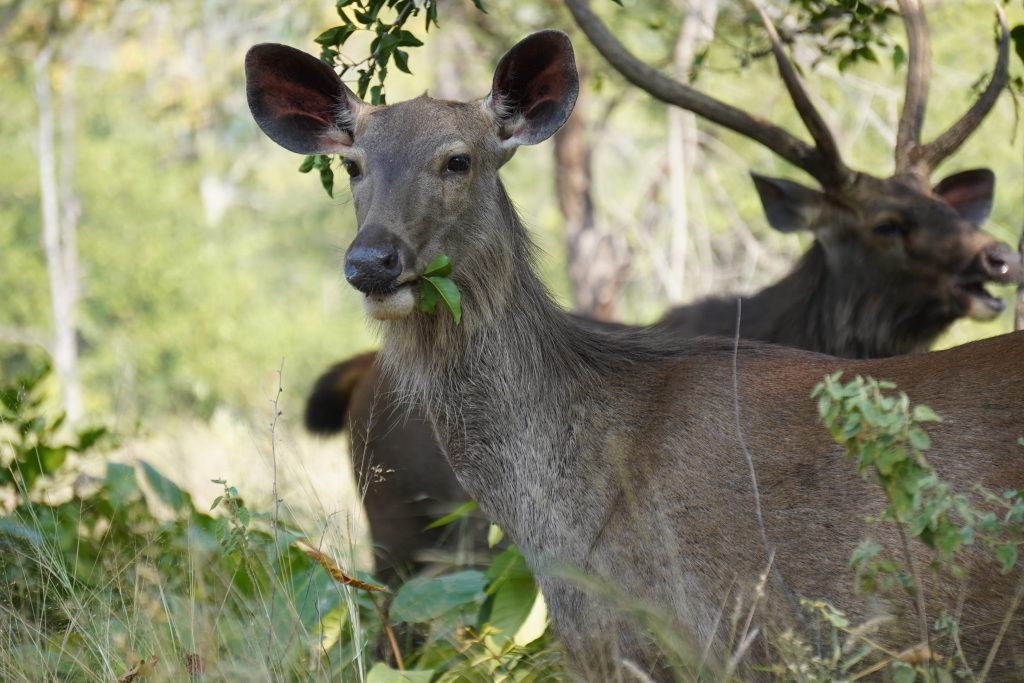
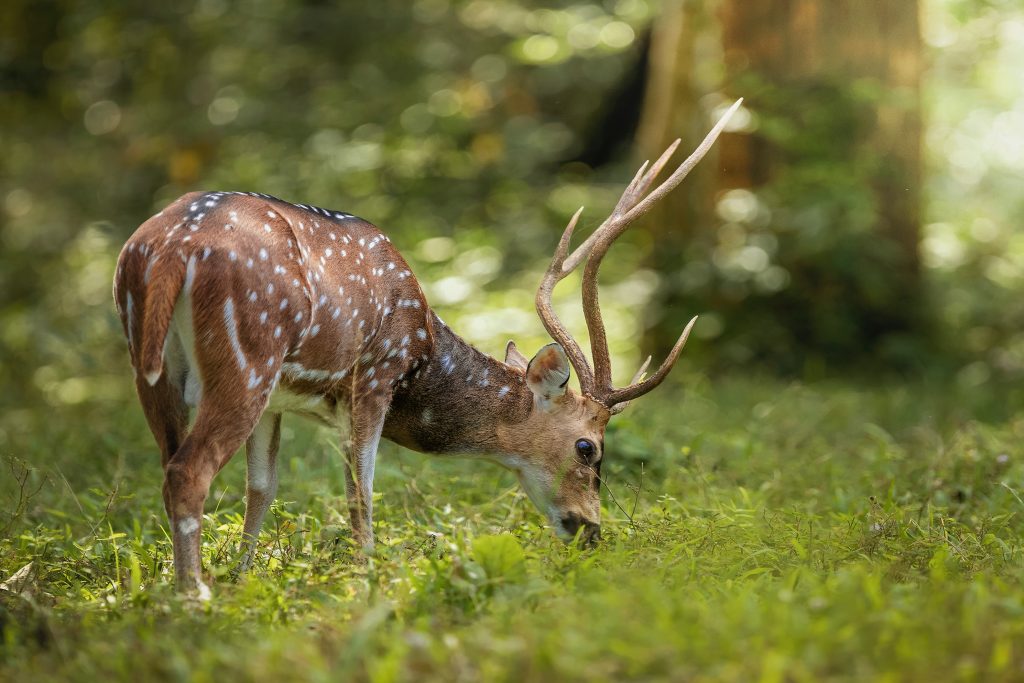
However, forests are filled with fascinating species such as Indian Giant Squirrel, colourful kingfishers, owls, woodpeckers, and reptiles. Even common animals like Sambar Deer and Spotted Deer play an important role in the forest ecosystem.
A safari becomes far more rewarding when you appreciate the entire ecosystem rather than just the biggest animals.
8. Not Bringing the Right Camera Equipment
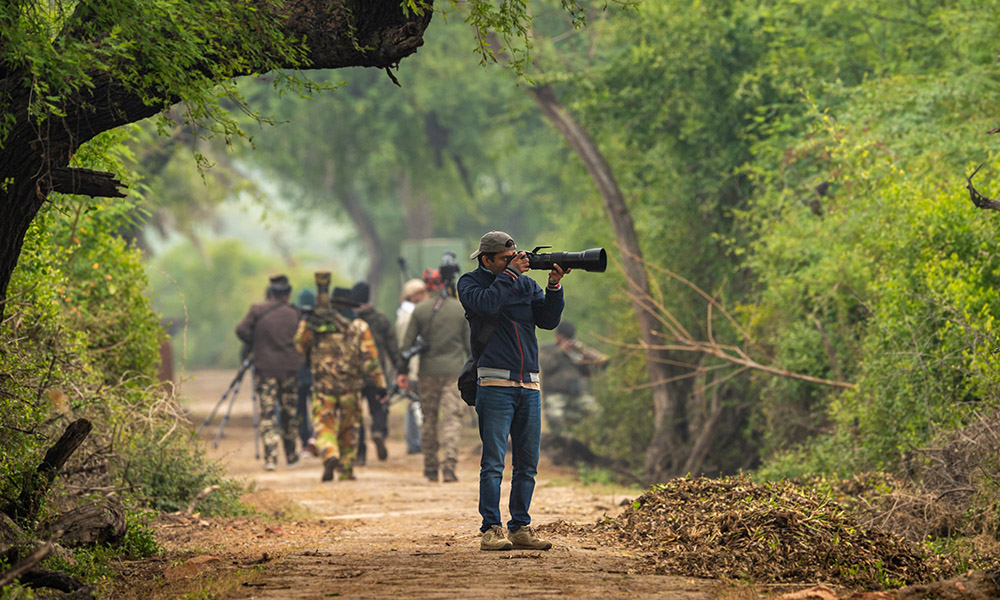
Wildlife photography often requires patience and suitable equipment. Many first-time travellers bring only a smartphone or a wide-angle camera lens, which may not capture distant wildlife effectively.
A telephoto lens, binoculars, and extra batteries are useful tools for observing animals from a safe distance.
9. Forgetting That Safaris Start Early
Morning safaris usually begin at sunrise, which means early wake-up calls. Some travellers underestimate how early the day begins in wildlife destinations.
However, dawn is when the forest is most active. Birds call loudly, predators may still be moving, and soft morning light creates ideal conditions for photography.
10. Not Booking Safaris in Advance
Because national parks allow only a limited number of vehicles in each zone, safari permits often sell out quickly.
Popular parks like Bandhavgarh National Park and Tadoba-Andhari Tiger Reserve can be fully booked weeks in advance during peak seasons.
Planning early ensures access to the best safari zones and dates.
Conclusion
A jungle safari is not simply about spotting wildlife — it is about immersing yourself in the rhythms of the forest. Listening to bird calls, watching deer move through grasslands, and feeling the anticipation of tracking a predator are all part of the adventure.
With the right expectations and preparation, your first safari can become one of the most memorable travel experiences of your life.
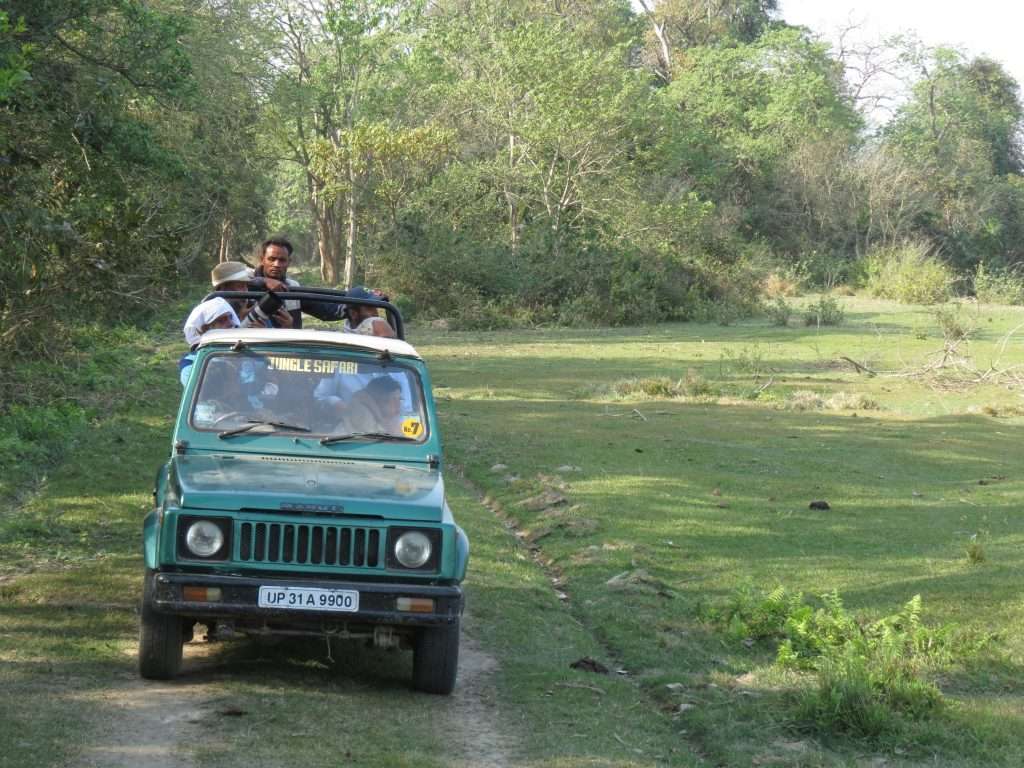
Plan Your Jungle Safari Experience 🌿🐅
Exploring India’s wildlife landscapes becomes far more rewarding when journeys are thoughtfully planned around the best habitats and seasons. Carefully curated safaris allow travellers to experience remarkable destinations such as Tadoba-Andhari Tiger Reserve, Pench National Park, and Bandhavgarh National Park, along with birding and wildlife explorations across other diverse ecosystems in India.
Well-designed wildlife journeys combine experienced naturalists, carefully selected safari zones, and immersive forest experiences that allow travellers to connect more deeply with nature.
Discover more: A Beginner’s Guide to Planning Your First Jungle Safari in India, Things You Can Learn on a Forest Walk, Why Guided Nature Trails Reveal More Wildlife Than Regular Trekking