
Wildlife tourism has become one of the most powerful tools for protecting nature around the world. When done responsibly, it helps conserve habitats, support local communities, and create long-term incentives to protect wildlife rather than exploit it.
India is home to some of the richest biodiversity on the planet, from dense rainforests and Himalayan mountains to dry forests and wetlands. Protected areas such as Ranthambore National Park, Bandhavgarh National Park, and Nagarhole National Park attract wildlife enthusiasts from across the globe who hope to see iconic species like the Bengal Tiger, Asian Elephant, and Indian Leopard.
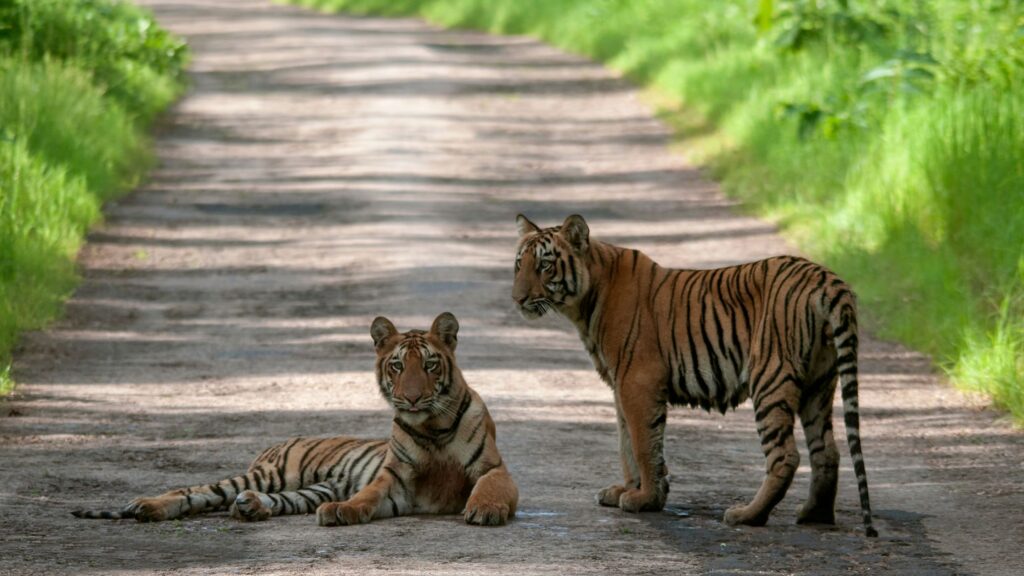
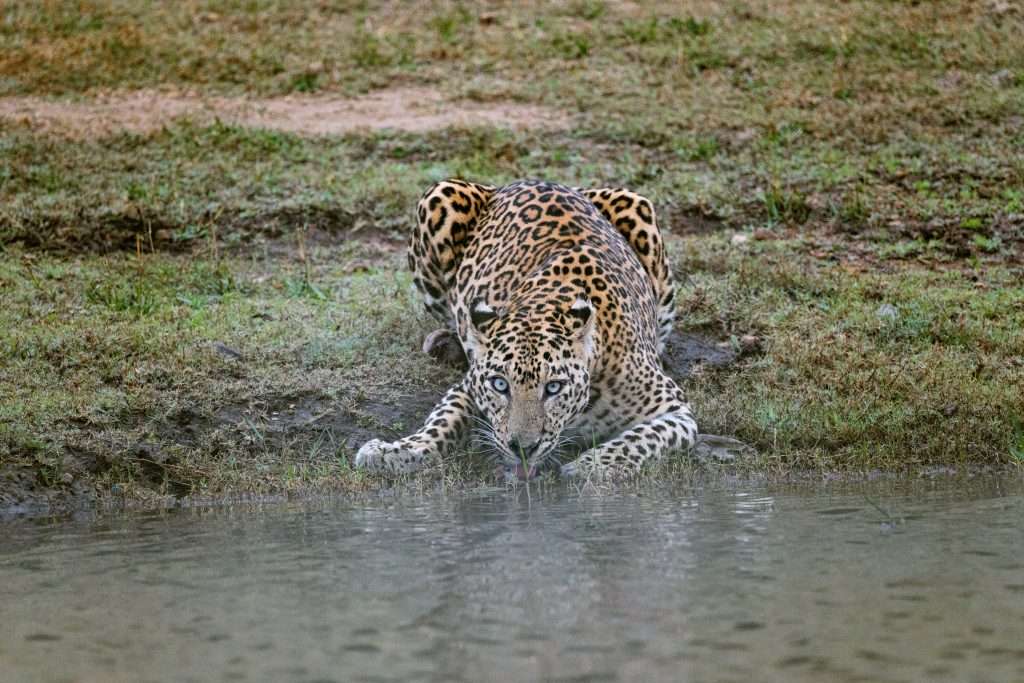
However, the true value of wildlife tourism goes far beyond sightings and photography. Responsible wildlife travel directly contributes to conservation by generating funding, raising awareness, and protecting fragile ecosystems.
Understanding why responsible tourism matters helps travellers become active participants in conservation.
Tourism Helps Protect Wildlife Habitats
National parks and wildlife reserves require significant resources to maintain forests, protect animals, and manage ecosystems.
Revenue generated from park permits, safaris, and eco-tourism directly supports conservation management in many protected areas across India.
For example, tourism in landscapes like Kanha National Park and Tadoba Andhari Tiger Reserve helps fund:
• Anti-poaching patrols
• Habitat restoration
• Wildlife monitoring programs
• Park infrastructure and protection
Without sustainable tourism income, many protected areas would struggle to maintain effective conservation programs.
Supporting Local Communities Reduces Pressure on Forests
Responsible wildlife tourism also provides economic opportunities for local communities living near forests.
Many villagers who once depended on forest resources for survival now benefit from eco-tourism through jobs such as:
• Naturalist guides
• Safari drivers
• Lodge staff
• Forest trackers
• Local transport and hospitality services
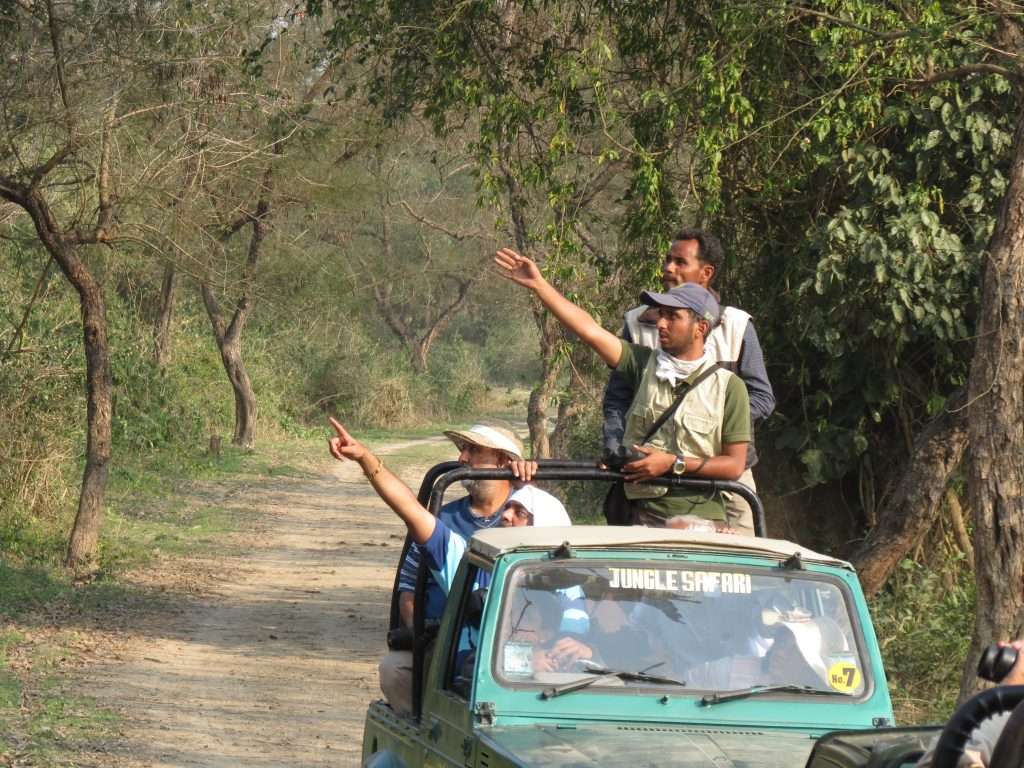
When communities benefit from tourism, wildlife becomes an asset rather than a threat.
This shift has been crucial in protecting species such as the Bengal Tiger and Indian Leopard in landscapes across central India.
Tourism Creates Global Awareness for Conservation
Wildlife tourism connects people directly with nature. Seeing animals in their natural habitats creates a powerful emotional connection that photographs or documentaries alone cannot replicate.
A traveller who watches a herd of Asian Elephant moving through a forest or hears the alarm calls of deer warning about a nearby Bengal Tiger gains a deeper understanding of how ecosystems function.
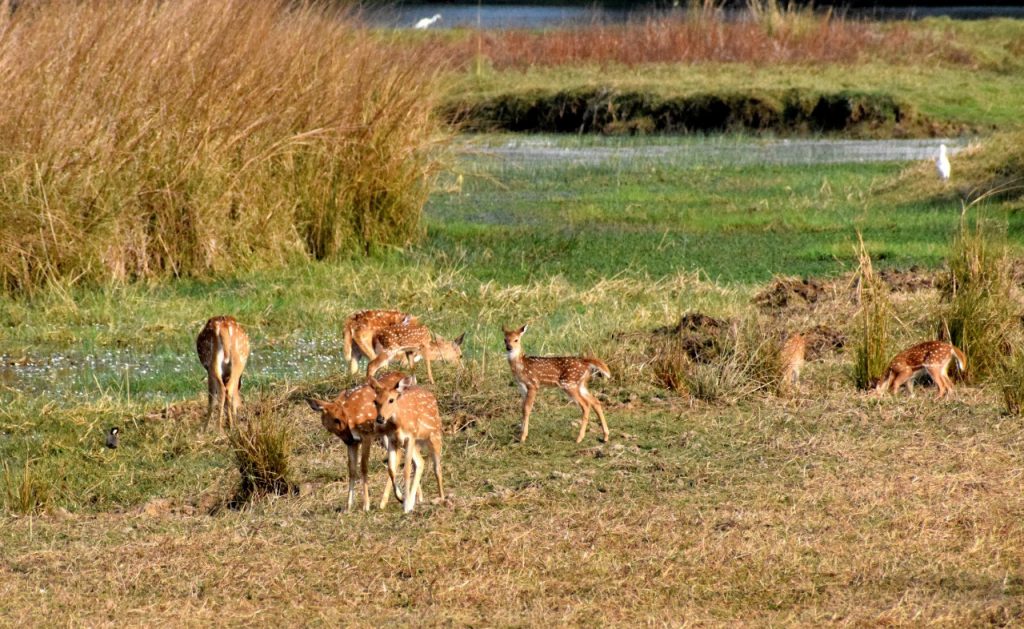
These experiences often inspire travellers to support conservation initiatives, wildlife protection policies, and environmental awareness programs.
Responsible Tourism Minimises Wildlife Disturbance
While tourism can support conservation, poorly managed tourism can also harm wildlife.
Irresponsible practices such as crowding animals, making loud noises, or leaving litter inside forests can disrupt animal behaviour and damage fragile habitats.
Responsible wildlife tourism follows ethical principles such as:
• Maintaining a safe distance from animals
• Keeping noise levels low during safaris
• Never feeding wildlife
• Following forest department guidelines
• Avoiding plastic and litter inside protected areas
These practices ensure that wildlife remains undisturbed while visitors observe animals in a natural and respectful manner.
Ethical Wildlife Photography Protects Animals
Wildlife photography is one of the main motivations for travellers visiting forests and national parks.
However, ethical photography is essential for protecting wildlife.
Photographers should avoid disturbing animals for the sake of a better photograph. This means:
• Never blocking animal movement
• Avoiding flash photography around sensitive species
• Keeping vehicles at safe distances
• Respecting nesting birds and breeding animals
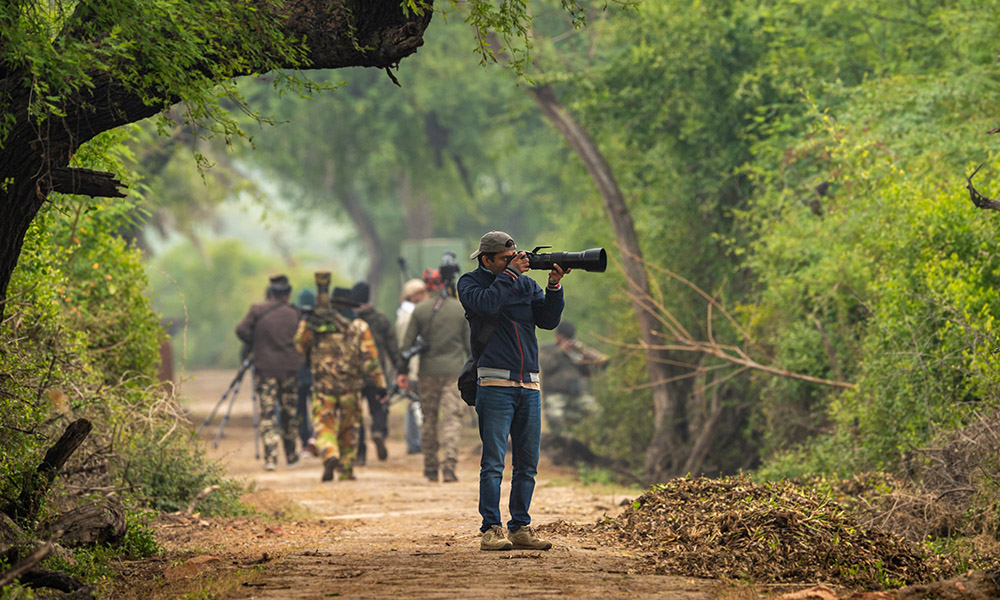
Rare species such as the Lion-tailed Macaque in the Western Ghats or shy predators like the Black Panther in Bhadra Tiger Reserve are especially vulnerable to disturbance.
Responsible photographers help ensure these animals remain safe in their natural habitats.
Responsible Travel Encourages Habitat Protection
When natural landscapes become valuable for eco-tourism, governments and conservation organisations gain stronger incentives to protect them.
Regions known for wildlife tourism often receive greater conservation attention.
For example, protected areas within the Western Ghats and Himalayan forests have benefited significantly from nature-based tourism.
Birdwatching, wildlife photography, and guided forest experiences encourage sustainable travel while promoting biodiversity conservation.
Small Group Expeditions Reduce Environmental Impact
Another important aspect of responsible wildlife tourism is limiting group size.
Small-group expeditions minimise disturbance to wildlife and allow travellers to experience nature in a quieter, more immersive way.
Benefits of small-group wildlife tours include:
• Lower noise levels in forests
• Reduced environmental footprint
• Better wildlife observation opportunities
• Personalised learning from expert naturalists
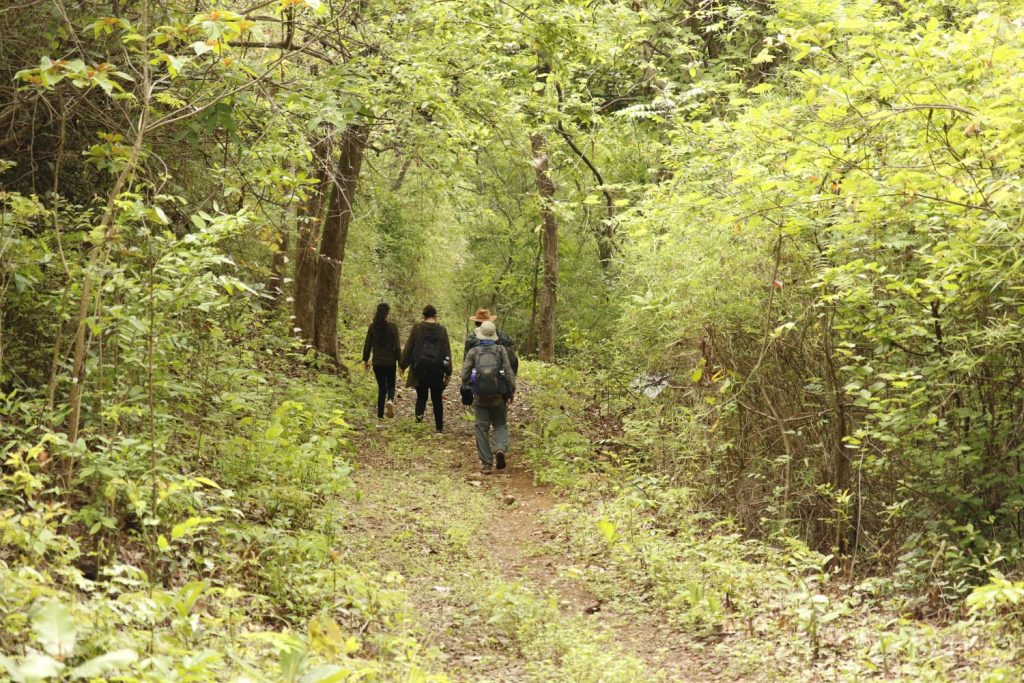
Many modern wildlife expeditions now focus on small groups specifically to maintain responsible tourism practices.
Read more: Why Small Group Wildlife Expeditions Offer Better Safari Experiences
Wildlife Conservation Depends on Responsible Travellers
Every wildlife traveller plays a role in protecting nature. By choosing responsible tour operators, following ethical safari practices, and respecting wildlife habitats, travellers contribute directly to conservation efforts.
The forests, grasslands, and mountains that support species like the Bengal Tiger, Great Hornbill, and Malabar Giant Squirrel are among the most valuable ecosystems on Earth.
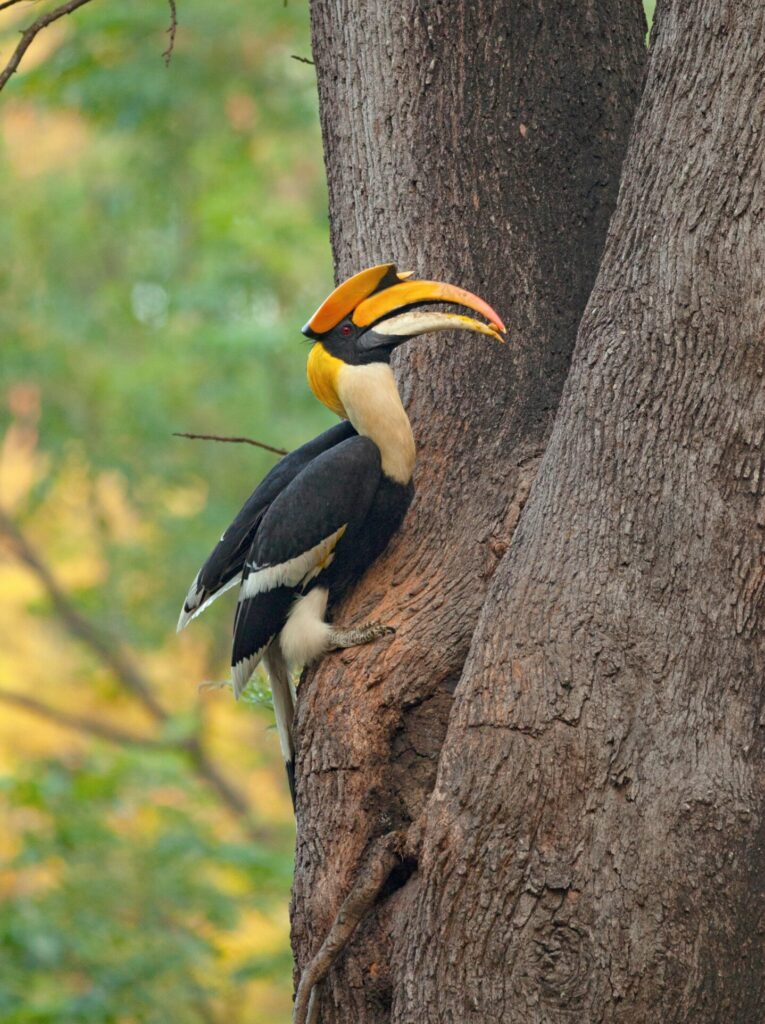
Protecting them requires cooperation between conservationists, governments, local communities, and responsible travellers.
When tourism prioritises conservation, wildlife and people both benefit.
Join Our Guided Forest Walks
Explore forests, learn about birds and ecosystems, and discover the hidden biodiversity around Mumbai with expert naturalists.
Discover more: Nature’s Greatest Teachers: Life Lessons We Learn from Birds, Forest Bathing: The Science Behind Nature Improving Mental Health