
Many people assume that trekking deeper into forests automatically means seeing more wildlife. In reality, the opposite is often true. While trekking focuses on covering distance and reaching viewpoints, guided nature trails focus on observation, patience, and understanding the forest.
Naturalists trained in field ecology can detect subtle clues that most people miss — from bird calls and insect movements to feeding signs and animal tracks. This makes guided nature trails one of the most effective ways to discover wildlife in forests.
Across biodiversity-rich landscapes like the Western Ghats and forests around Mumbai, guided walks frequently reveal far more wildlife than long-distance treks.
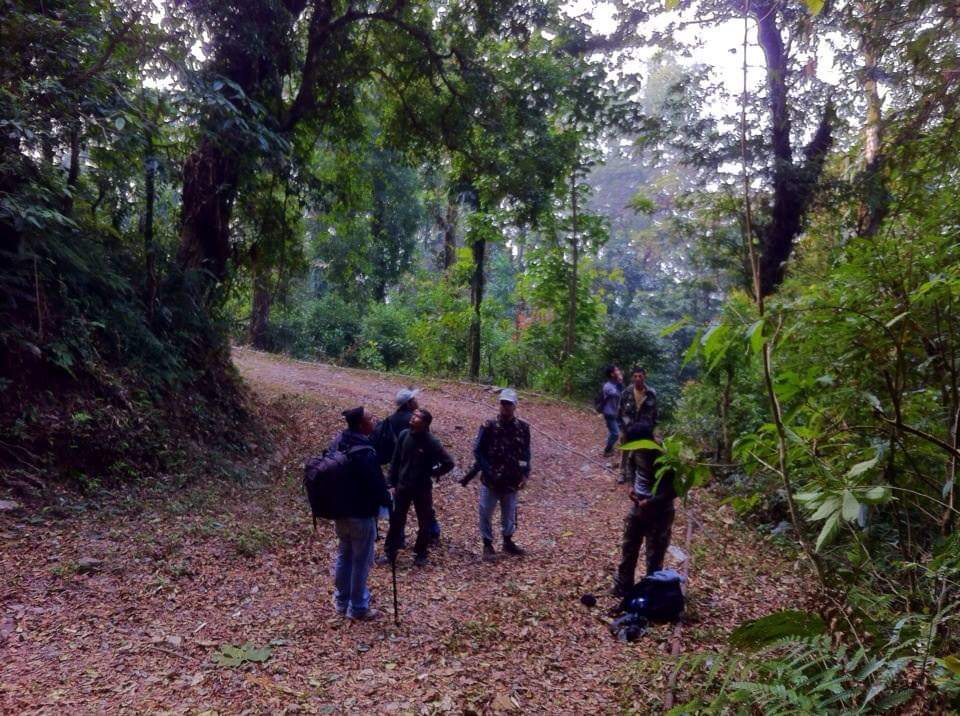
1. Wildlife Is Often Detected by Sound Before Sight
Forests are full of sounds that signal wildlife activity. Experienced naturalists use bird calls and alarm signals to locate animals long before they are visible.
For example, a sharp alarm call from a Rufous Treepie or Drongo may indicate the presence of a predator nearby. Similarly, the distinctive whistling notes of the Malabar Whistling Thrush can reveal its presence even when it is hidden along shaded forest streams.
Birdwatchers on guided trails often spot species such as:
• Asian Paradise Flycatcher
• Tickell’s Blue Flycatcher
• White-throated Kingfisher
• Coppersmith Barbet
• Golden-fronted Leafbird
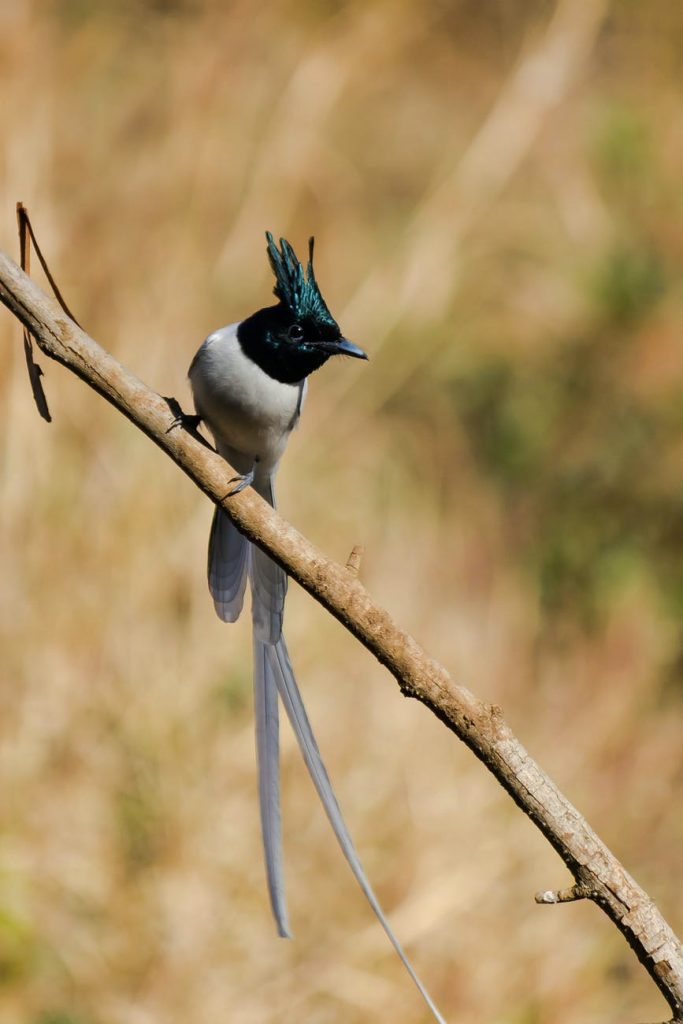
Learning how to interpret these calls transforms a quiet forest walk into a wildlife discovery experience.
2. Naturalists Know Where Wildlife Is Most Active
Animals and birds do not move randomly through forests. They follow predictable patterns based on food availability, nesting sites, and seasonal changes.
Guided nature trails often pass through fruiting trees, water sources, and insect-rich habitats where wildlife activity is higher.
For instance:
• Fig trees attract barbets, hornbills, parakeets, and squirrels.
• Flowering plants draw sunbirds, butterflies, and bees.
• Shaded forest streams support frogs, dragonflies, and kingfishers.
Naturalists who regularly explore these landscapes know the best microhabitats for spotting wildlife, dramatically increasing sighting chances.
3. Slower Movement Helps Reveal Hidden Wildlife
Trekking typically involves continuous walking to cover long distances. Unfortunately, this pace often causes wildlife to retreat before it can be observed.
Guided forest walks move slowly and quietly, allowing participants to notice small details such as:
• a camouflaged Praying Mantis on a leaf
• a Tree Frog resting on foliage
• a Woodpecker searching for insects in tree bark
• butterflies basking on forest trails

This slower pace helps observers appreciate not only large animals but also the incredible diversity of smaller forest life.
4. Forest Walks Reveal Entire Ecosystems
One of the biggest advantages of guided nature trails is learning how ecosystems function. Instead of simply spotting animals, participants begin to understand relationships between species and habitats.
For example:
➤ Certain trees provide nesting cavities for barbets and parakeets.
➤ Fallen logs support fungi, beetles, and termites.
➤ Insects attract insectivorous birds like flycatchers and drongos.

Understanding these ecological connections makes the forest far more engaging than a typical trek focused only on reaching a destination.
5. Perfect for Birdwatching and Macro Wildlife
Guided nature trails are especially rewarding for birdwatching and macro wildlife observation.
Many of the most fascinating forest creatures are small and easily overlooked. During nature trails, participants frequently observe:
• colourful butterflies such as Blue Tigers and Common Mormons
• orb-weaver spiders building intricate webs
• dragonflies hunting along forest clearings
• caterpillars feeding on host plants

These encounters provide excellent opportunities for nature photography and learning about biodiversity.
6. Beginner-Friendly and Educational
Unlike strenuous treks, nature trails are accessible to beginners and families. The focus is on learning rather than physical endurance.
Participants often gain practical skills such as:
➤ identifying common birds by sight and call
➤ recognising animal tracks and feeding signs
➤ understanding seasonal forest changes
➤ spotting camouflaged insects and reptiles
For many first-time nature explorers, guided trails become the starting point for a lifelong interest in wildlife and conservation.
Forest Walk Experiences Near Mumbai
The forests around Mumbai offer excellent opportunities for guided biodiversity trails. Landscapes in and around Sanjay Gandhi National Park, Karnala Bird Sanctuary, Matheran, and Yeoor Hills support a rich variety of birds, butterflies, reptiles, and mammals.
Organised forest walks led by experienced naturalists help participants discover species that are often overlooked during regular treks.
Nature experiences such as birdwatching walks, biodiversity trails, and seasonal forest explorations allow visitors to explore these ecosystems while learning about wildlife behaviour and ecology.
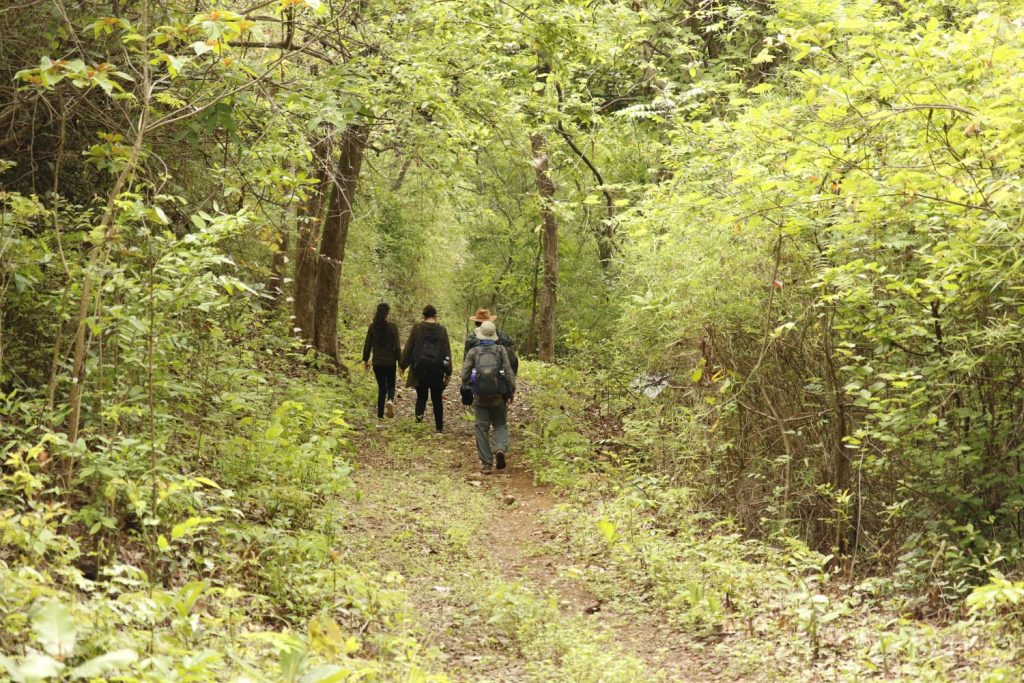
Many guided experiences are designed as small-group nature walks, ensuring quiet exploration and better wildlife sightings.
Read: Why Small Group Wildlife Expeditions Offer Better Safari Experiences
Discover the Forest Beyond the Trail
Trekking shows you landscapes, but guided nature trails reveal the life hidden within them.
By slowing down and learning how to observe forests carefully, participants begin to notice the intricate details of nature — from bird behaviour and insect life to the ecological roles of trees and plants.
For anyone interested in wildlife, photography, or simply reconnecting with nature, guided forest walks offer one of the most rewarding outdoor experiences.
Join Our Guided Nature Trails
Explore biodiversity-rich forests with expert naturalists and discover birds, butterflies, and hidden wildlife that most trekkers never notice.
Keep exploring: Top Biodiversity Forest Trails in Maharashtra Every Nature Lover Should Explore, How Naturalists Identify Birds, Trees and Wildlife During Forest Walks, Beginner’s Guide to Birdwatching