
Every year, just before the arrival of the monsoon, forests across western India begin to glow with thousands of tiny lights. For a few magical nights, trees and bushes sparkle like living fairy lights, creating one of nature’s most enchanting spectacles. This phenomenon is caused by the mating display of fireflies — a group of bioluminescent beetles that light up the night sky during their breeding season.
Across the forests and villages of the Western Ghats near Mumbai, this seasonal event attracts nature lovers, photographers, and scientists alike. From quiet hill villages to dense forest valleys, thousands of glowing insects gather for a brief but extraordinary natural performance.
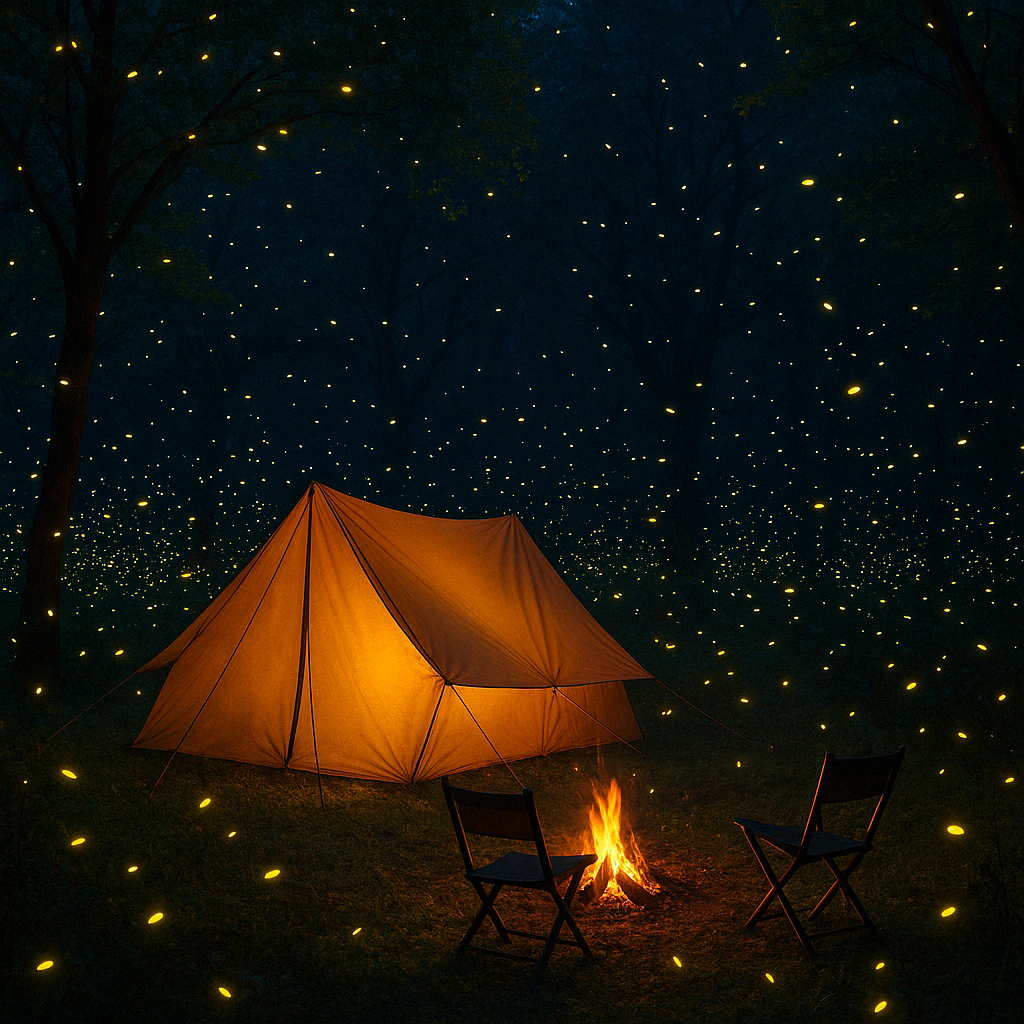
But why do fireflies appear specifically before the monsoon, and what creates their magical glow? The answer lies in a fascinating combination of biology, chemistry, and seasonal environmental conditions.
Fireflies Are Actually Beetles
Despite their name, fireflies are not flies at all. They belong to the beetle family Lampyridae, which includes more than 2,000 species worldwide.
In India, several firefly species are found across the Western Ghats, with the most visible being the flashing species often referred to as the Common Firefly. Both adult fireflies and their larvae are capable of producing light — a rare biological phenomenon known as bioluminescence.
Interestingly, firefly larvae are sometimes called glowworms, and they also emit light while living in soil or leaf litter.
Watch: Thousands Of Fireflies Come Out To Glow In The Dark
The Chemistry Behind the Glow
The magical light produced by fireflies is the result of a chemical reaction that occurs in their abdomen.
Inside the firefly’s body, a molecule called luciferin reacts with oxygen in the presence of an enzyme called luciferase. This reaction produces light without generating heat — a phenomenon known as “cold light.”
This highly efficient process converts nearly 100% of the energy into visible light, making it one of the most energy-efficient natural light sources on Earth.
Different species of fireflies emit slightly different colors of light, usually ranging from green and yellow to pale orange.
Why Fireflies Appear Before the Monsoon
The reason fireflies appear in large numbers just before the monsoon is closely linked to their reproductive cycle.
Late May and early June mark the mating season for many firefly species in India. During this time, male fireflies fly around flashing rhythmic light signals to attract females.
Each species has its own unique flashing pattern. Females sitting on leaves or tree branches respond with their own light signals, helping males locate them in the dark forest.
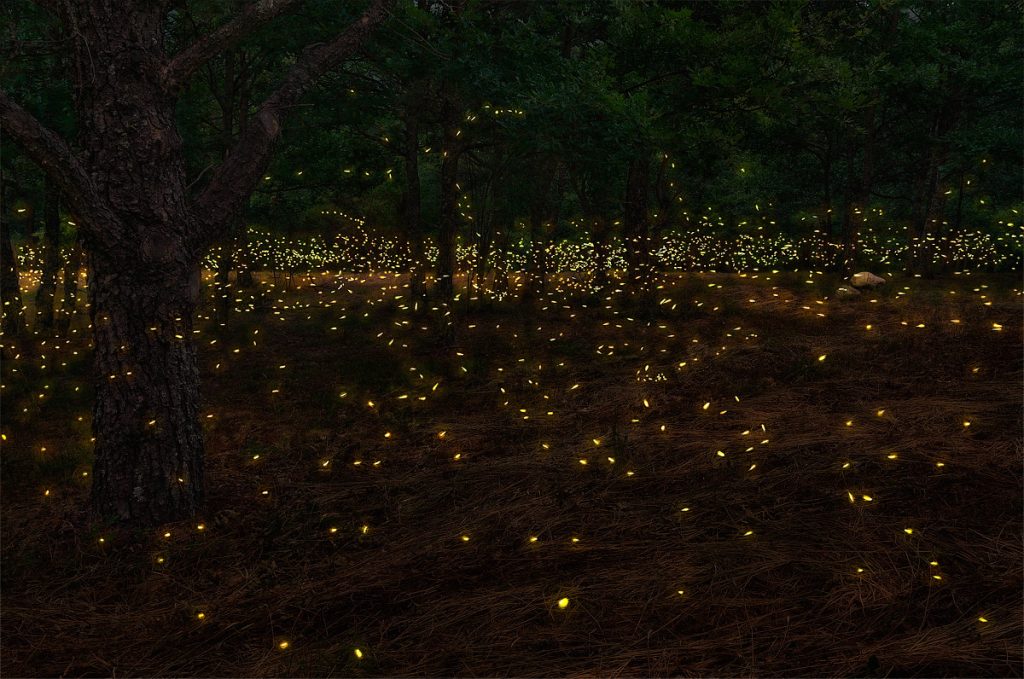
When hundreds or even thousands of males gather in the same area, their synchronized flashing creates the breathtaking glowing forests that people witness during firefly season.
Perfect Environmental Conditions
The pre-monsoon period provides ideal environmental conditions for fireflies:
Warm temperatures increase insect activity and metabolism.
High humidity helps fireflies survive and reproduce.
Dark nights without strong moonlight make their signals more visible.
Healthy forests and wetlands provide suitable habitat for larvae.
As the first monsoon rains approach, the forest becomes moist and alive with insects — creating perfect conditions for firefly breeding.
However, once heavy rains begin, adult fireflies gradually disappear because their short life cycle ends after mating and laying eggs.
Fireflies of the Western Ghats
Some of the best firefly displays in India occur in the forests of the Western Ghats. This biodiversity hotspot provides ideal habitat with dense forests, streams, and humid conditions.
Several locations near Mumbai and Pune have become famous for their firefly displays, including:
• Bhandardara
• Sandhan Valley
• Purushwadi
• Prabalmachi
• Wada
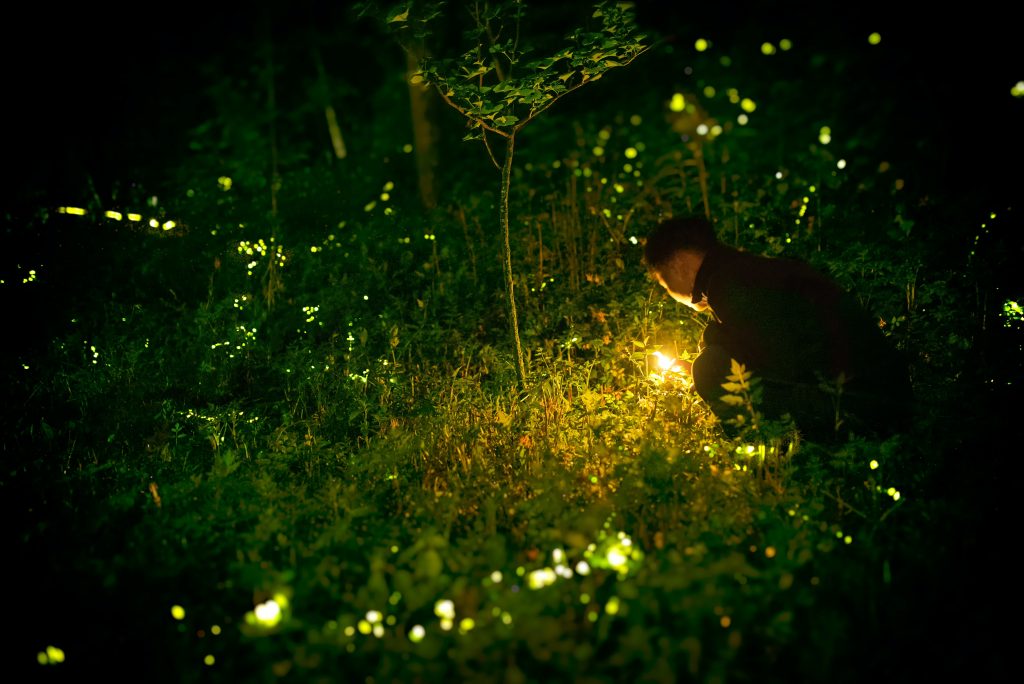
During peak firefly season, entire trees in these forests can glow with thousands of blinking lights, creating a scene that resembles stars scattered across the forest canopy.
Why Fireflies Are Important for Ecosystems
Fireflies are more than just beautiful insects — they play an important role in ecosystems.
Firefly larvae are predators that feed on snails, slugs, and other small invertebrates, helping maintain ecological balance. They are also considered bioindicators, meaning their presence indicates a healthy ecosystem.
Unfortunately, firefly populations worldwide are declining due to:
• Habitat loss
• Light pollution
• Pesticide use
• Urban expansion
Protecting forests and minimizing artificial lighting in rural landscapes are crucial for preserving these glowing insects.
Experiencing the Fireflies Phenomenon Near Mumbai
Because this phenomenon occurs only for a few weeks between late May and early June, it has become one of the most sought-after seasonal nature experiences in Maharashtra.
Visitors can take part in guided night walks through forests and villages, where naturalists help locate firefly congregations while ensuring minimal disturbance to the insects.
Watching thousands of fireflies blink in synchrony under a dark forest sky is often described as one of the most magical wildlife experiences in India.
The Magic of a Fireflies Expedition
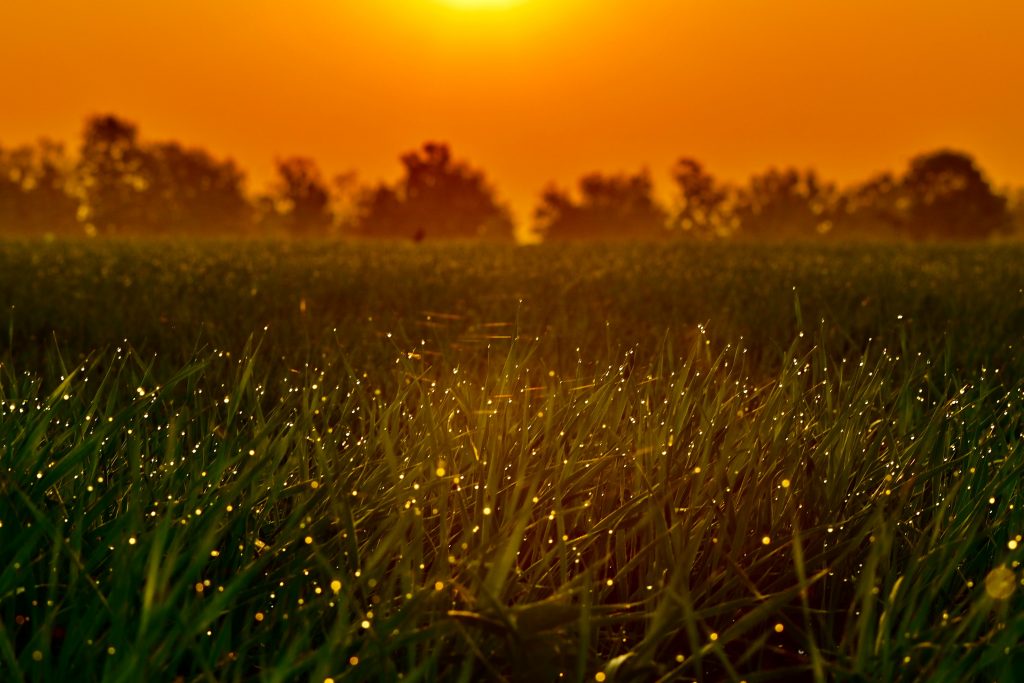
Seasonal nature events like fireflies remind us how extraordinary natural ecosystems can be. For a few brief nights each year, forests across the Western Ghats transform into glowing landscapes that feel almost otherworldly.
Exploring these landscapes with experienced naturalists allows travellers to witness not just the spectacle itself, but also the fascinating science and ecology behind it.
If you’re looking for a unique nature experience close to Mumbai, the firefly season offers a rare opportunity to step into a forest illuminated entirely by living light.
Read more: Fireflies Camping Near Mumbai – A Magical Weekend Getaway, Nature’s Greatest Teachers: Life Lessons We Learn from Birds, Camping in Nature: Benefits, Experiences and What to Expect Outdoors