
Camping is one of the most immersive ways to experience the natural world. Unlike short day trips or city park visits, camping allows travellers to spend extended time in forests, mountains, and wilderness landscapes where nature unfolds slowly and authentically.
When you camp in natural habitats, you become part of the environment. The sounds of birds at dawn, the movement of nocturnal wildlife at night, and the quiet rhythm of forest life create an experience that is far more meaningful than simply visiting a destination for a few hours.
Across India, camping in forests, grasslands, and mountain landscapes has become increasingly popular among nature lovers, wildlife photographers, and outdoor enthusiasts seeking a deeper connection with nature.
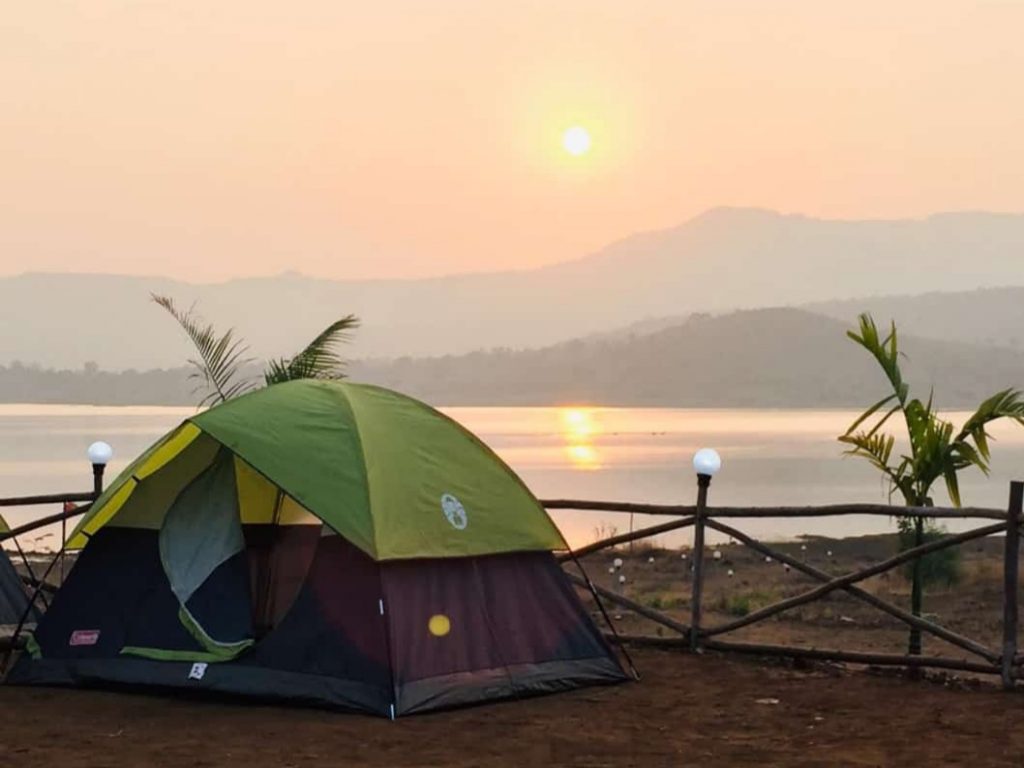
Immersive Wildlife Encounters
Camping allows people to observe wildlife activity beyond the limited hours of a short visit. Early mornings and evenings are often the most active periods for animals and birds, and campers are already present in the landscape when these moments occur.
For example, camping near forest habitats may allow travellers to observe:
➤ Barking deer calling at dawn
➤ Indian giant squirrels moving through forest canopies
➤ Nightjars calling after sunset
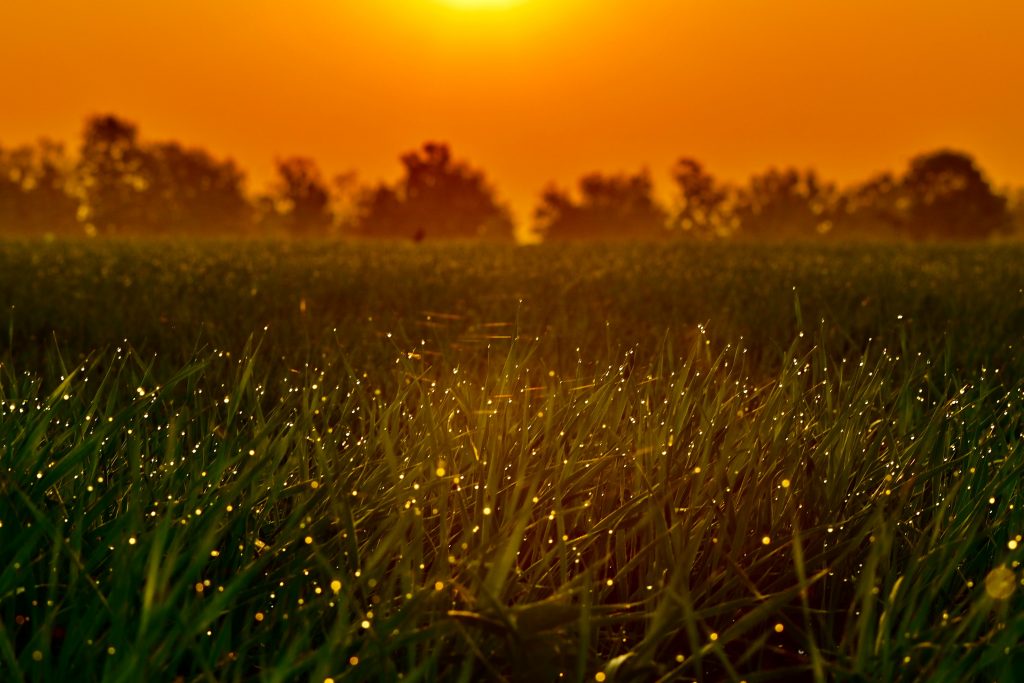
➤ Fireflies glowing in forest clearings and grasslands
➤ Owls hunting during the night
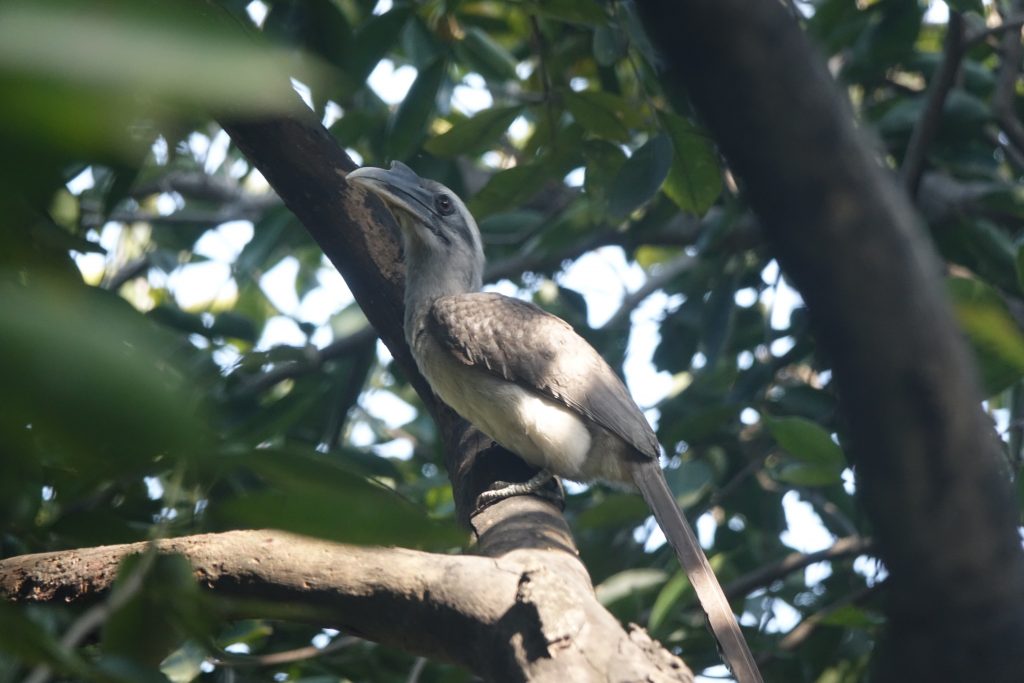
In forest ecosystems such as Western Ghats, campers often hear the calls of the Malabar Whistling Thrush at sunrise or spot hornbills flying across valleys during early morning hours.
These experiences create a much deeper connection with wildlife compared to short nature visits.
Witnessing Nature Through the Full Day and Night Cycle
One of the greatest advantages of camping is the opportunity to experience nature through its entire daily cycle.
Morning forests come alive with bird activity, while afternoons reveal butterflies and insects moving through sunlit clearings. After sunset, a completely different set of species emerges.
During camping experiences, participants may observe:
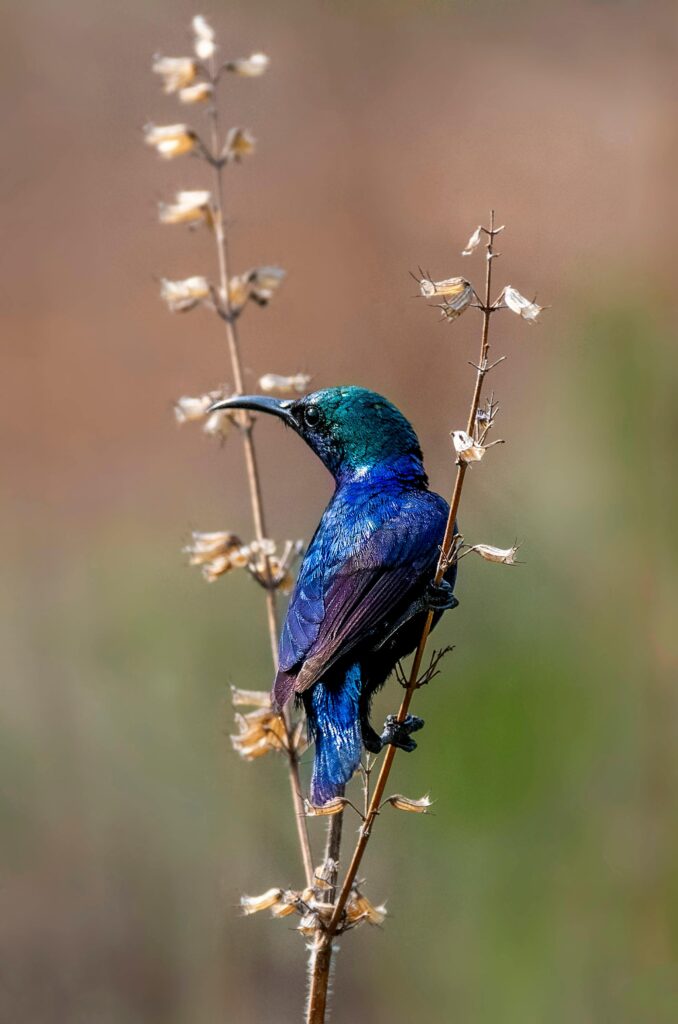
➤ Sunbirds and drongos feeding in the morning
➤ Butterflies such as the Blue Mormon and Common Jezebel during the day
➤ Frogs and toads emerging after sunset
➤ Fireflies glowing across forest trails during humid evenings
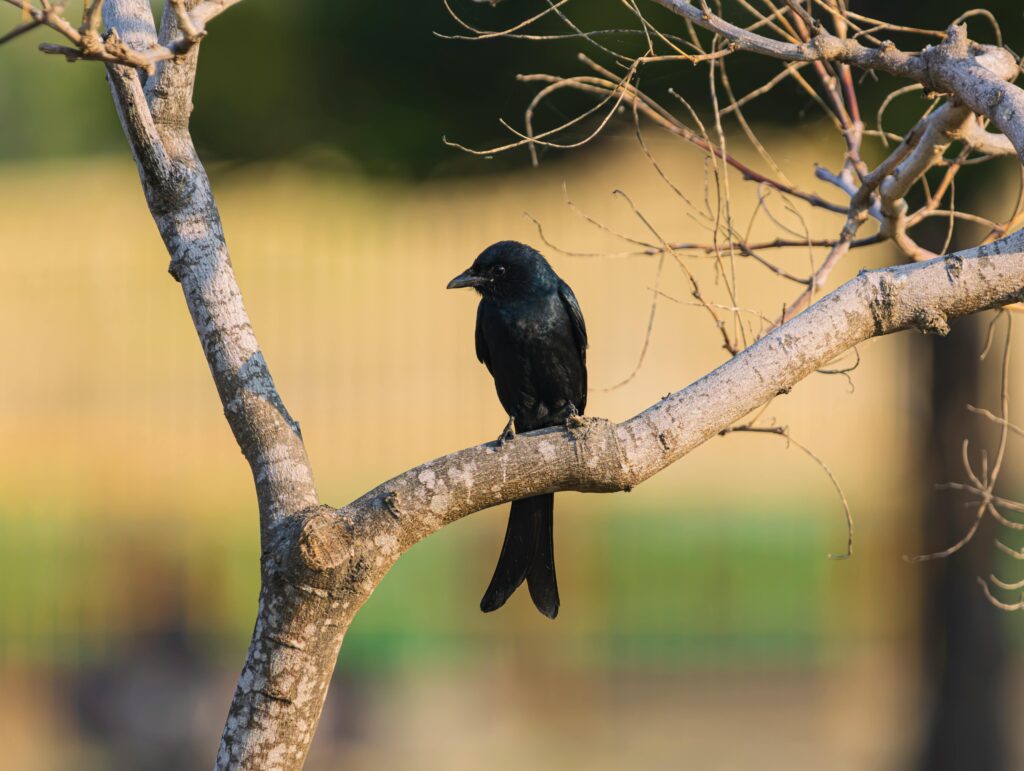
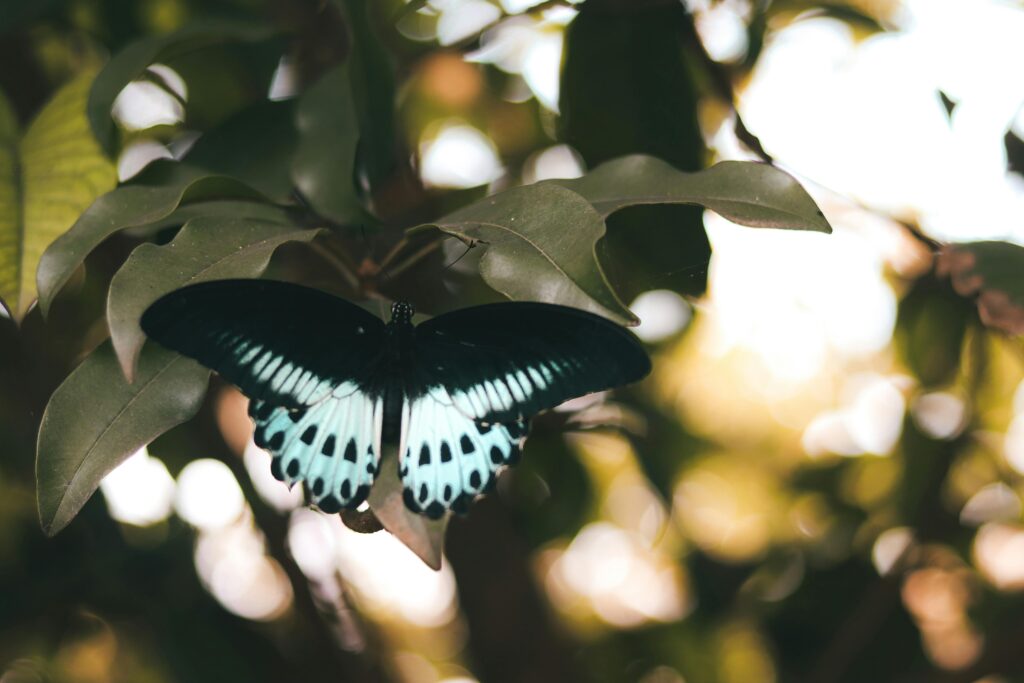
These changing patterns highlight how ecosystems function throughout the day.
A Deeper Connection with Natural Landscapes
Camping encourages travellers to slow down and become more aware of their surroundings. Without the distractions of urban environments, participants begin to notice subtle details in nature.
For example, campers often start observing:
➤ Bird calls echoing across forest valleys
➤ The scent of flowering trees attracting butterflies
➤ Ant trails moving across the forest floor
➤ Moths gathering near lantern lights at night
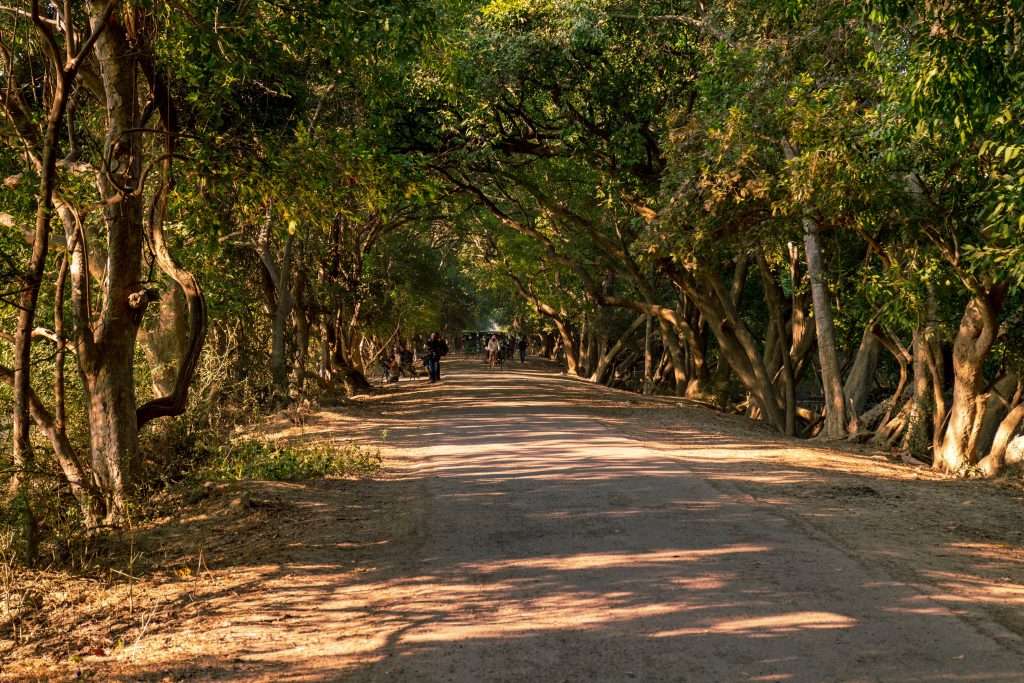
These small observations reveal the hidden layers of biodiversity that exist in natural ecosystems.
Many wildlife photographers also find that camping improves their ability to observe animal behaviour and anticipate photography opportunities.
Exceptional Opportunities for Nature and Night Photography
Camping trips often create ideal conditions for photography, particularly during early morning and night hours.
Photographers camping near forests or mountains may capture:
➤ Sunrise landscapes over misty valleys
➤ Birds such as hornbills or woodpeckers during morning activity
➤ Long-exposure photographs of glowing fireflies
➤ Star-filled night skies far away from city lights
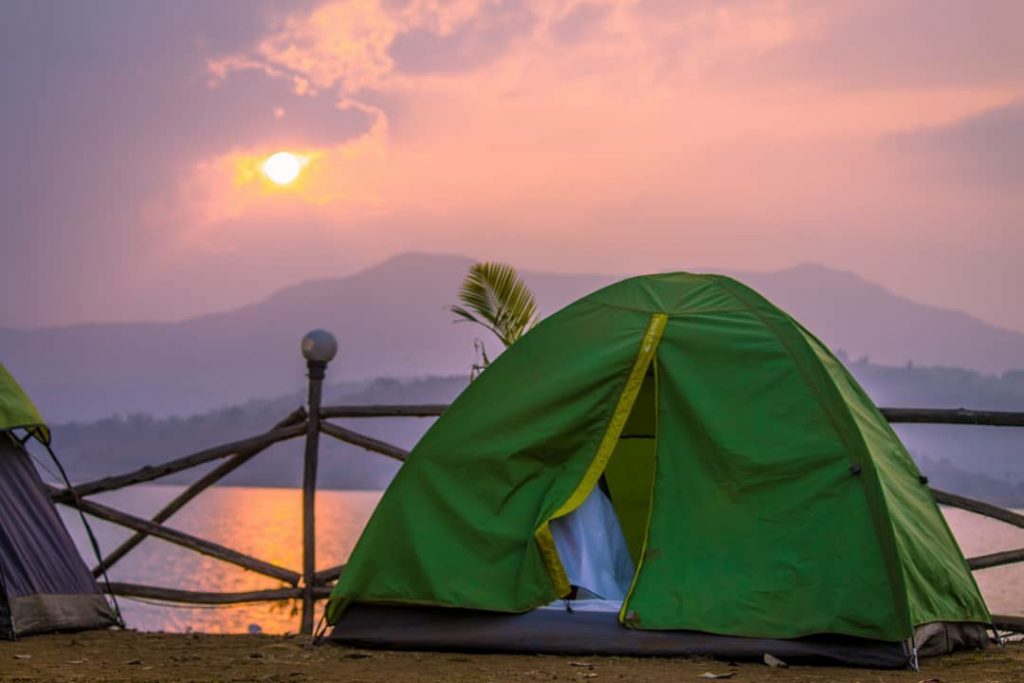
Camping locations away from urban areas also reduce light pollution, making them excellent for astrophotography and night photography.
Learning Outdoor and Naturalist Skills
Camping experiences often include learning valuable outdoor skills that enhance appreciation for nature.
Participants may learn:
➤ Basic wildlife tracking and observation
➤ Identifying bird calls in forests
➤ Understanding forest ecosystems
➤ Responsible camping and minimal-impact travel
➤ Night-time wildlife observation techniques
These experiences are particularly valuable for beginners who want to learn how naturalists and wildlife researchers observe ecosystems in the field.
Read: How Naturalists Identify Birds, Trees and Wildlife During Forest Walks
Ideal Locations for Camping Near Nature
India offers numerous landscapes that are perfect for camping — including mountain valleys, grasslands, coastal habitats, and forest clearings.
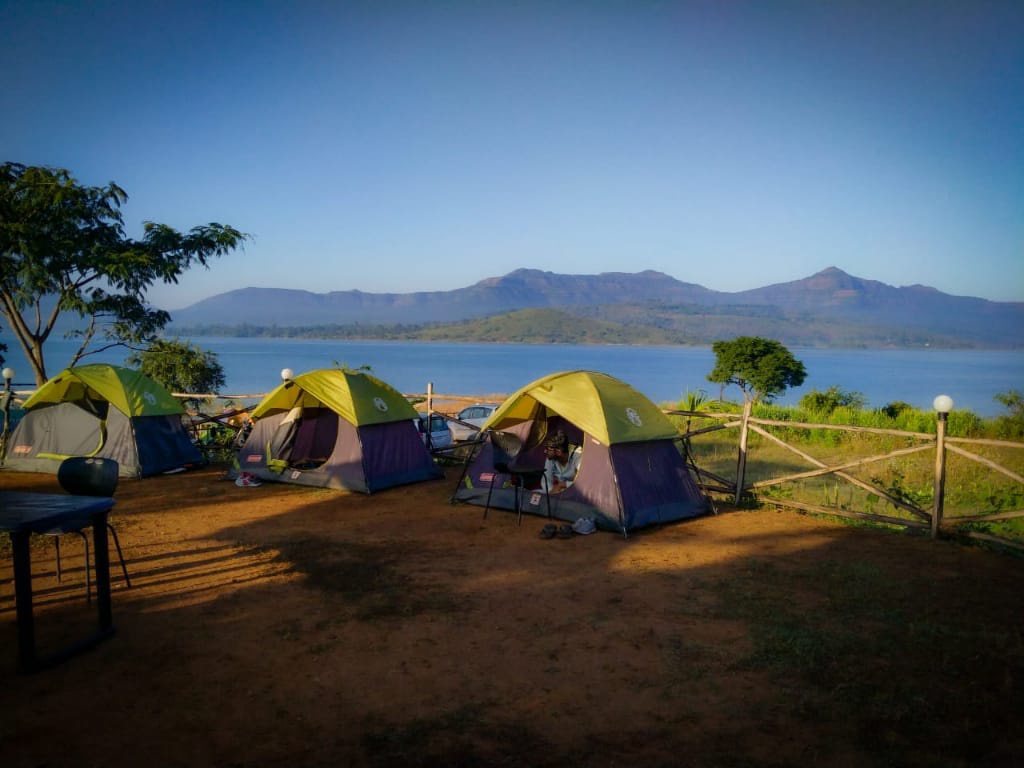
Near Mumbai, several locations provide excellent opportunities for nature-based camping experiences where participants can explore forests, photograph wildlife, and observe biodiversity closely.
Many of these habitats are also ideal for spotting birds, butterflies, reptiles, and nocturnal insects.
Camping trips that include guided nature walks allow participants to understand the ecosystem while safely exploring natural environments.
Responsible Camping Protects Natural Habitats
Responsible camping practices are essential for protecting fragile ecosystems. Nature travellers should always follow sustainable outdoor practices.
Important guidelines include:
➤ Avoid disturbing wildlife or approaching animals closely
➤ Carry back all waste and avoid leaving litter
➤ Respect local forest regulations and conservation rules
➤ Use eco-friendly camping equipment whenever possible
➤ Minimise noise to avoid disturbing wildlife
Responsible travel ensures that natural landscapes remain healthy for future generations of explorers.
Read: Responsible Wildlife Tourism: A Guide to Ethical Travel and Conservation Impact
Explore Camping Experiences with The Tern Travellers
Camping offers one of the most memorable ways to experience nature — allowing travellers to spend meaningful time in forests, mountains, and wild landscapes while learning about biodiversity.
Our nature-based camping experiences combine outdoor adventure with guided exploration led by experienced naturalists. Participants can discover birds, insects, forest ecosystems, and night-time wildlife while enjoying the peaceful atmosphere of the outdoors.
Join us on our upcoming nature trips and experience the beauty of forests, mountains, and wilderness landscapes in a way that day visits simply cannot offer.
Discover more: Nature Walk Experiences, Trekking & Wildlife Exploration, Forest Bathing: The Science Behind Nature Improving Mental Health