
Have you ever wondered what birds actually eat in the wild?
Most people assume birds survive on seeds—but that’s far from the truth. From hunting live prey to sipping nectar, birds have incredibly diverse diets shaped by their environment, body structure, and behaviour.
Understanding what birds eat not only makes birdwatching more interesting—it helps you predict where to find them and how they behave.
Let’s explore the fascinating world of bird diets.
Why Bird Diets Matter
A bird’s diet is directly connected to how it looks, moves, and survives.
Their food determines:
➤ The shape and strength of their beak
➤ Their feeding behaviour and movement
➤ The habitat they prefer
Once you understand what birds eat, birdwatching becomes much easier.
Instead of guessing, you start observing with purpose.
Types of Bird Diets (Quick Overview)
Birds can be broadly classified based on what they eat:
➤ Seed eaters (Granivores)
➤ Insect eaters (Insectivores)
➤ Meat eaters (Carnivores / Raptors)
➤ Fruit eaters (Frugivores)
➤ Nectar feeders (Nectarivores)
➤ Omnivores
➤ Aquatic feeders
Each type has unique adaptations that help them survive in their environment.
Seed Eaters (Granivores)
These are the most commonly seen birds, especially in cities and open areas.
Environment:
Grasslands, farmlands, urban spaces
Best Time to Spot:
Early morning and late afternoon
Common Species:
➤ Sparrows
➤ Pigeons
➤ Finches
➤ Munias
➤ Doves
➤ Weavers
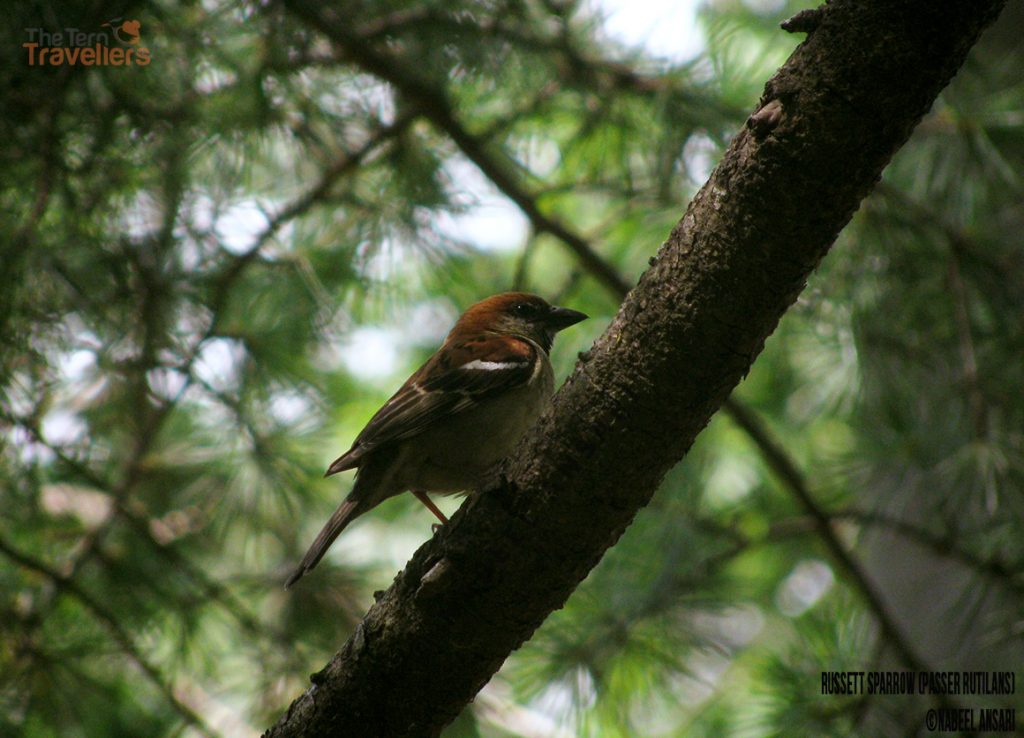
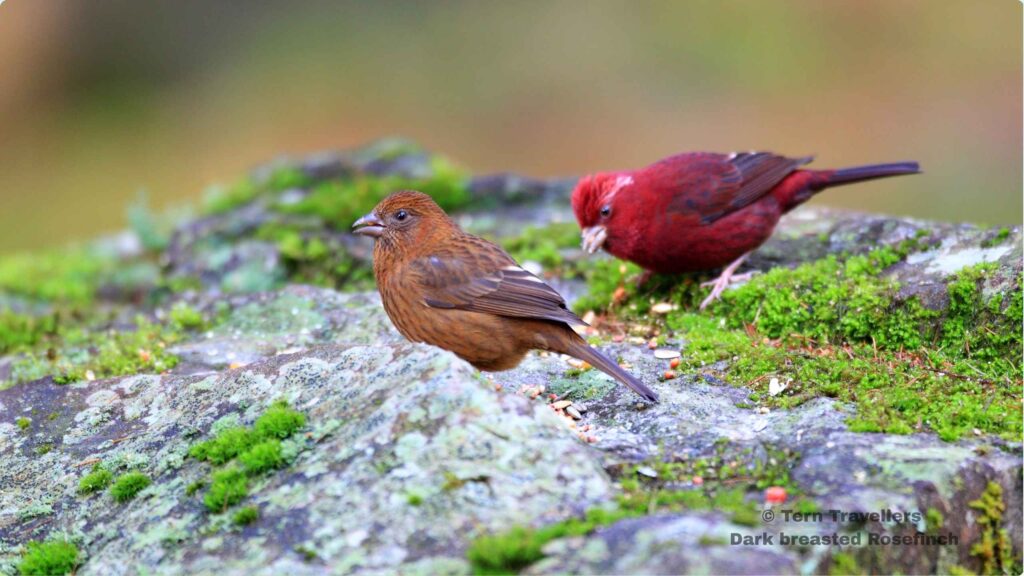
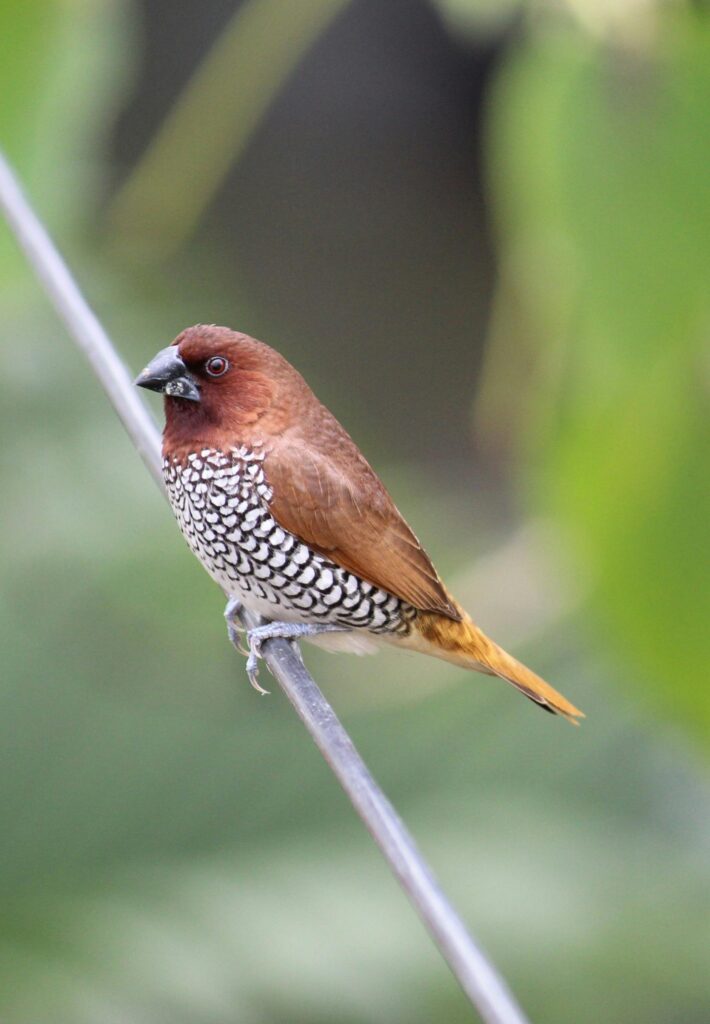
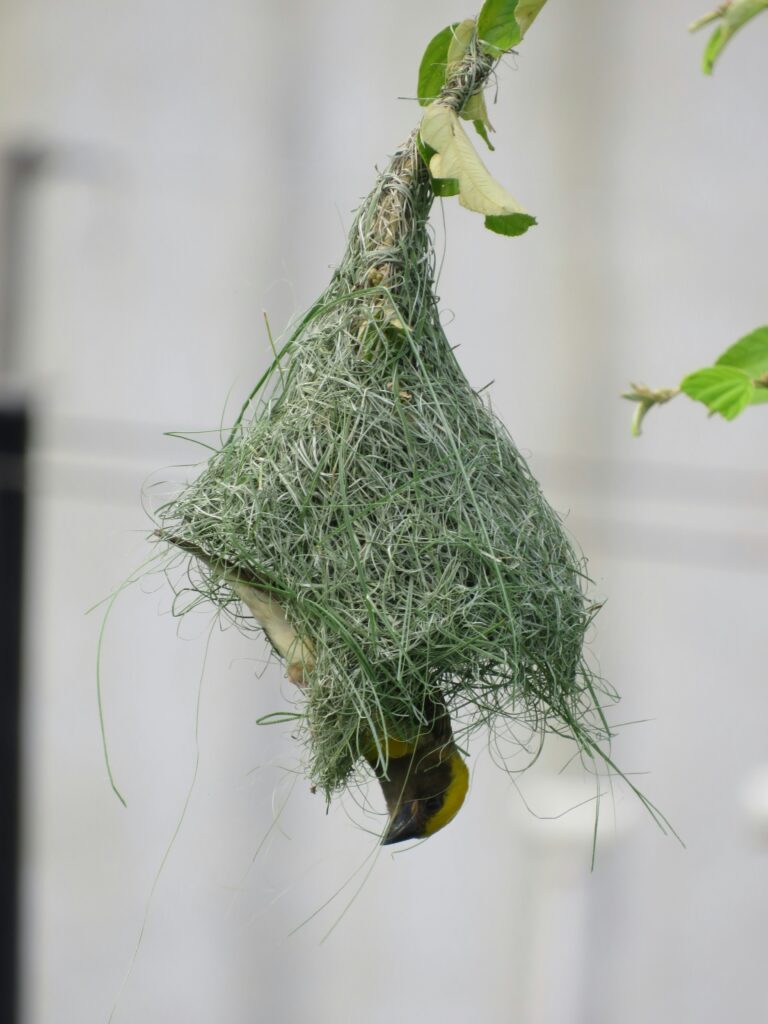
Unique Features:
➤ Short, strong conical beaks for cracking seeds
➤ Often feed on the ground
These birds are usually seen in groups, constantly searching for grains and seeds.
Insect Eaters (Insectivores)
Insect-eating birds play a crucial role in controlling pest populations.
Environment:
Forests, gardens, wetlands
Best Time to Spot:
Early mornings (when insects are most active)
Common Species:
➤ Warblers
➤ Drongos
➤ Flycatchers
➤ Bee-eaters
➤ Wagtails
➤ Tailorbirds
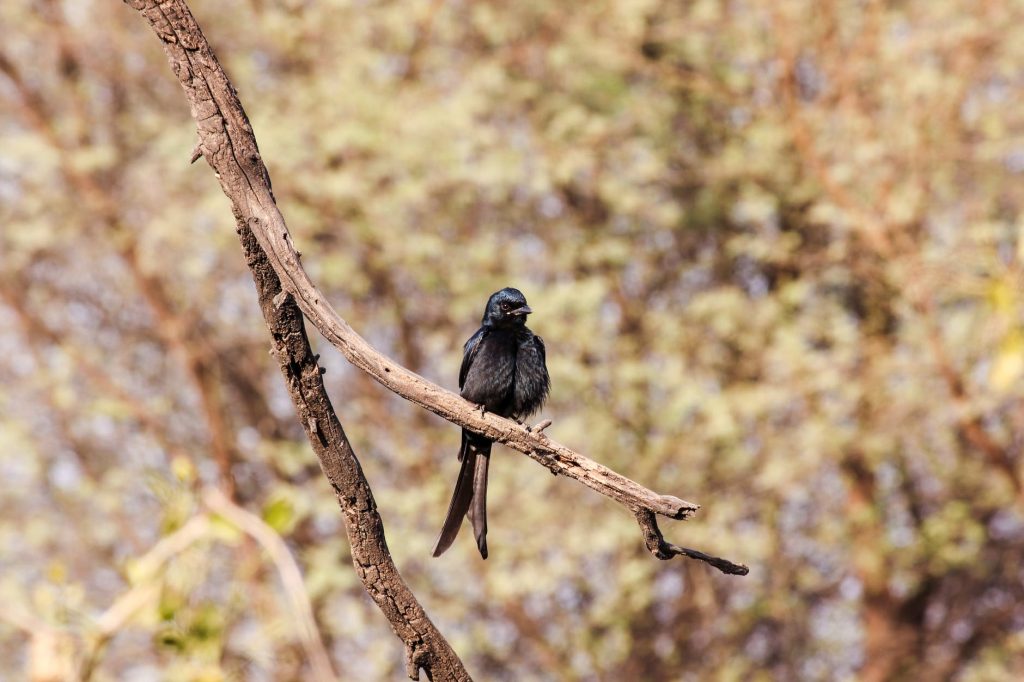
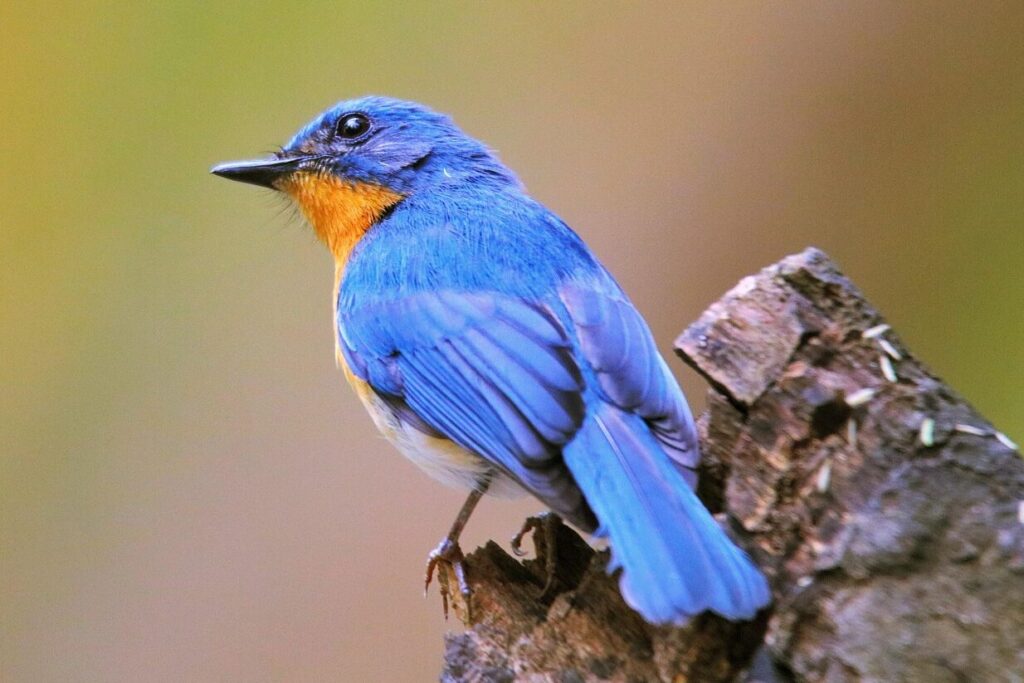
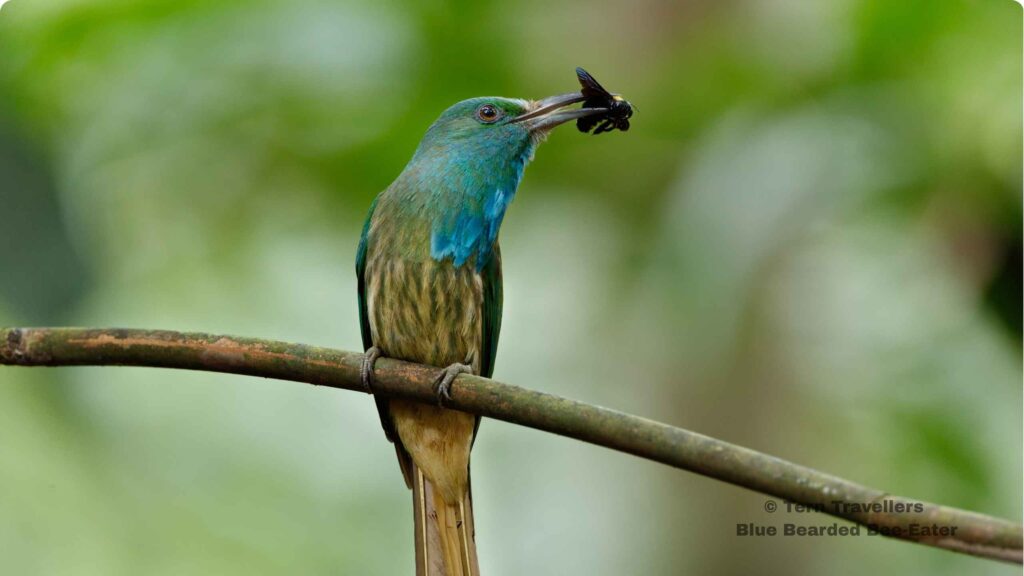
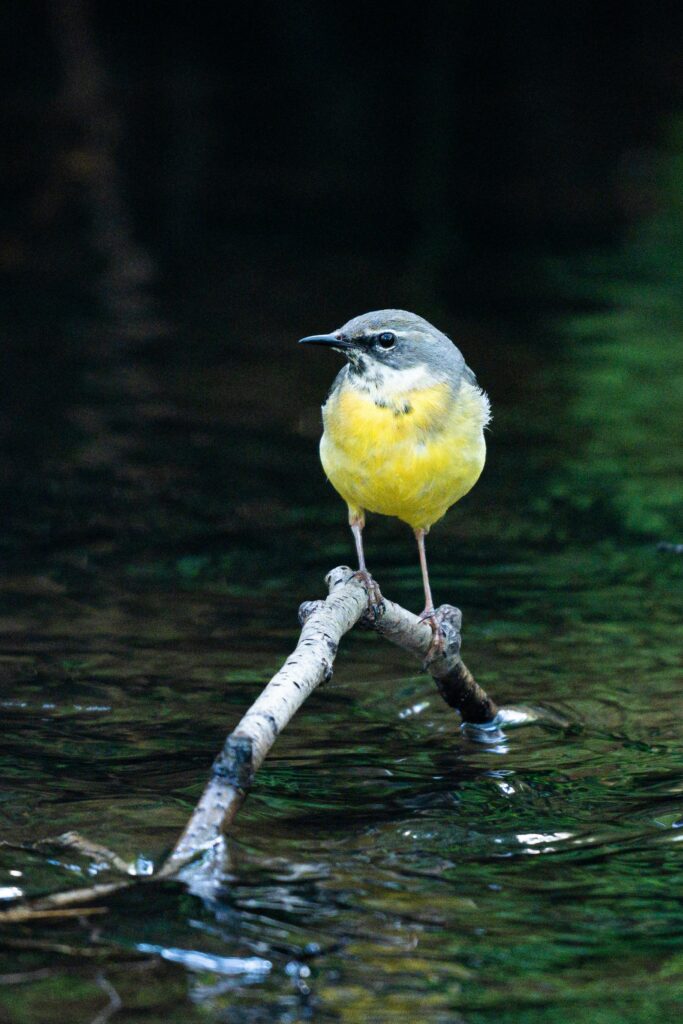
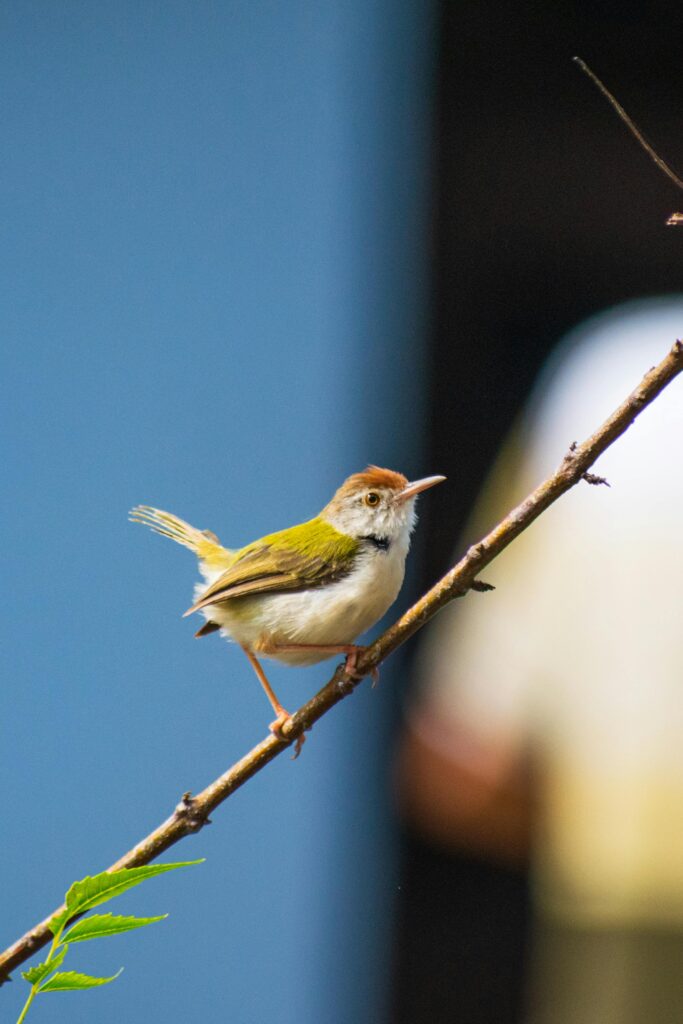
Unique Features:
➤ Thin, pointed beaks for picking insects
➤ Quick, agile flight to catch prey mid-air
They are highly active and rarely stay still for long.
Meat Eaters (Carnivores / Raptors)
These are the top predators of the bird world.
Environment:
Open skies, cliffs, urban areas
Best Time to Spot:
Late morning to afternoon (when thermals rise)
Common Species:
➤ Eagles
➤ Hawks
➤ Kites
➤ Falcons
➤ Owls
➤ Vultures
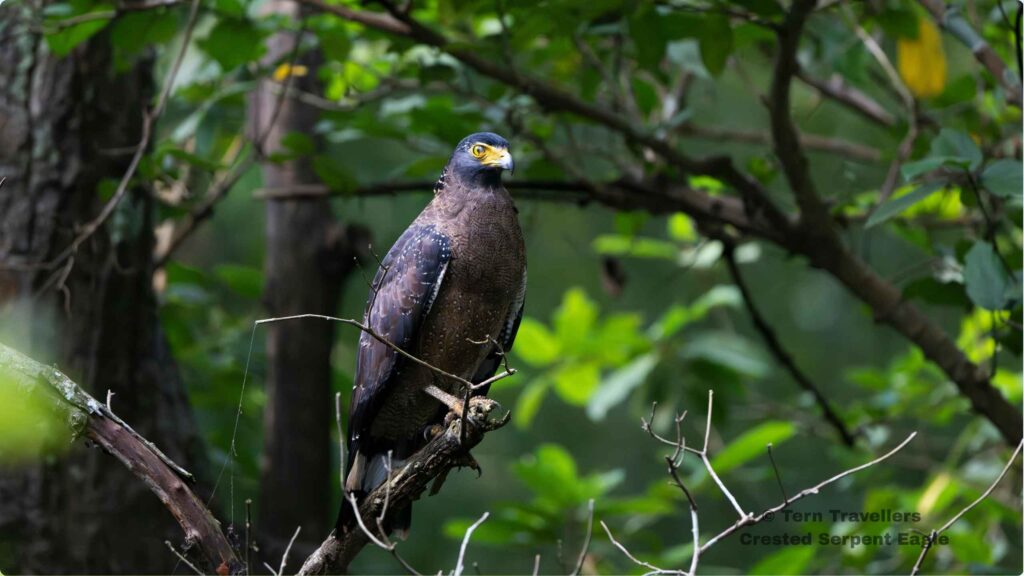
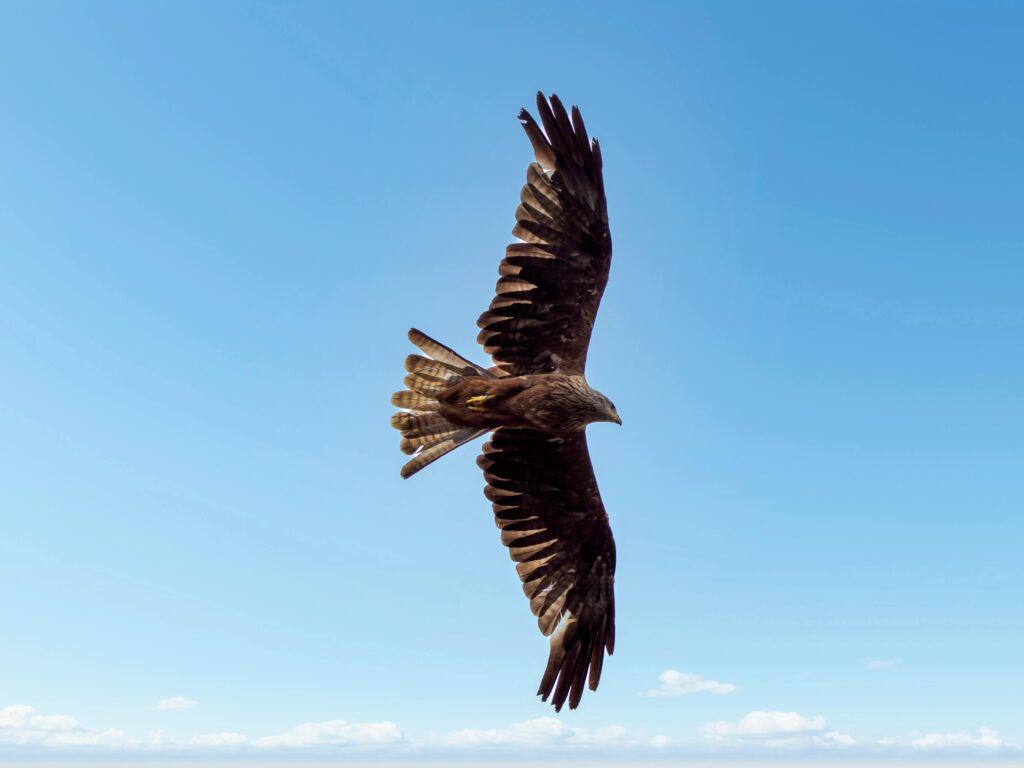
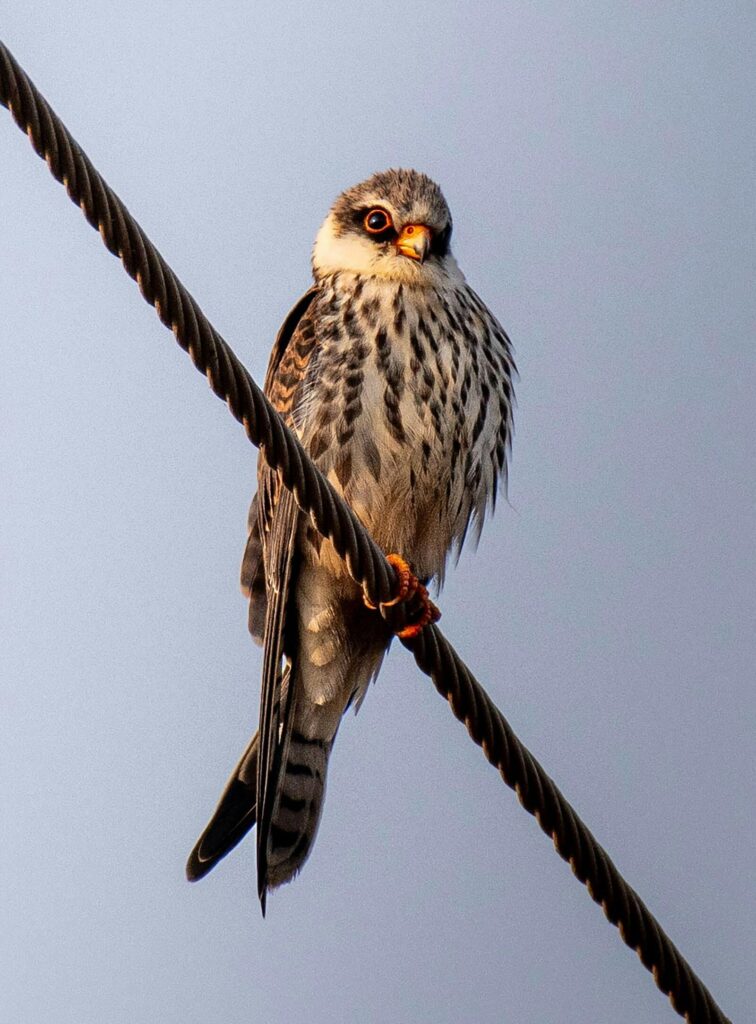
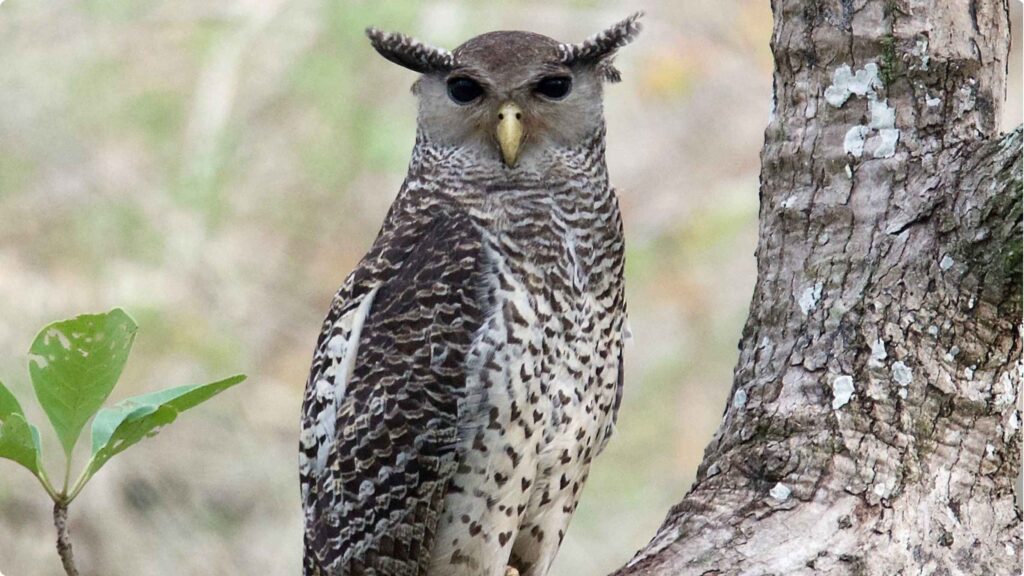
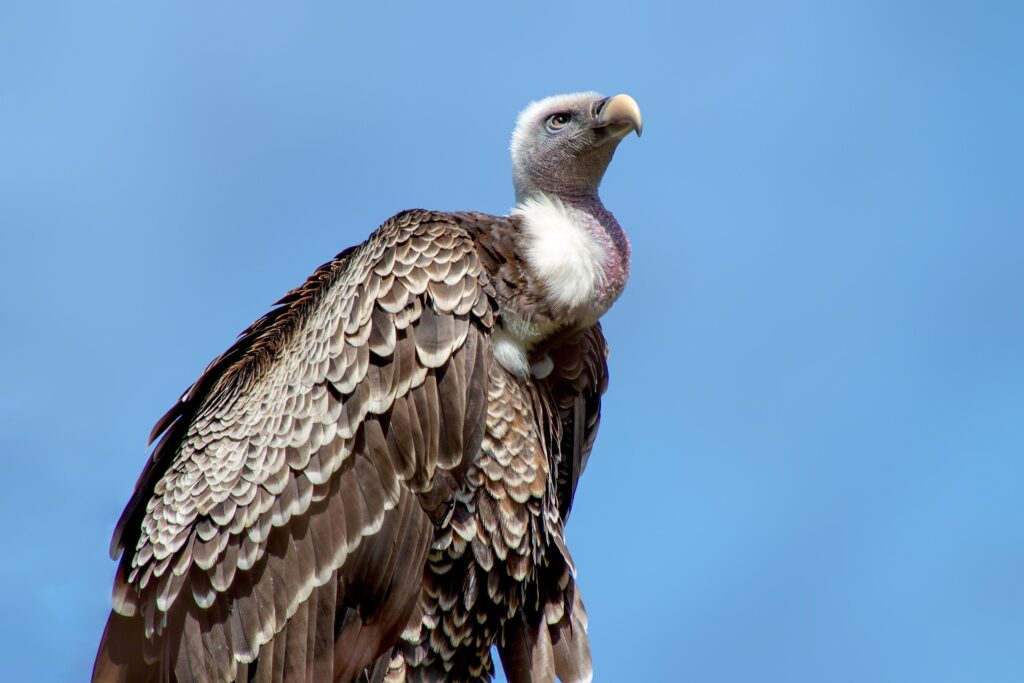
Unique Features:
➤ Hooked beaks for tearing flesh
➤ Sharp talons for gripping prey
➤ Exceptional eyesight
Raptors are often seen soaring high, scanning the ground for movement.
Fruit Eaters (Frugivores)
Fruit-eating birds are essential for seed dispersal and forest regeneration.
Environment:
Forests, orchards, gardens
Best Time to Spot:
Morning hours
Common Species:
➤ Hornbills
➤ Barbets
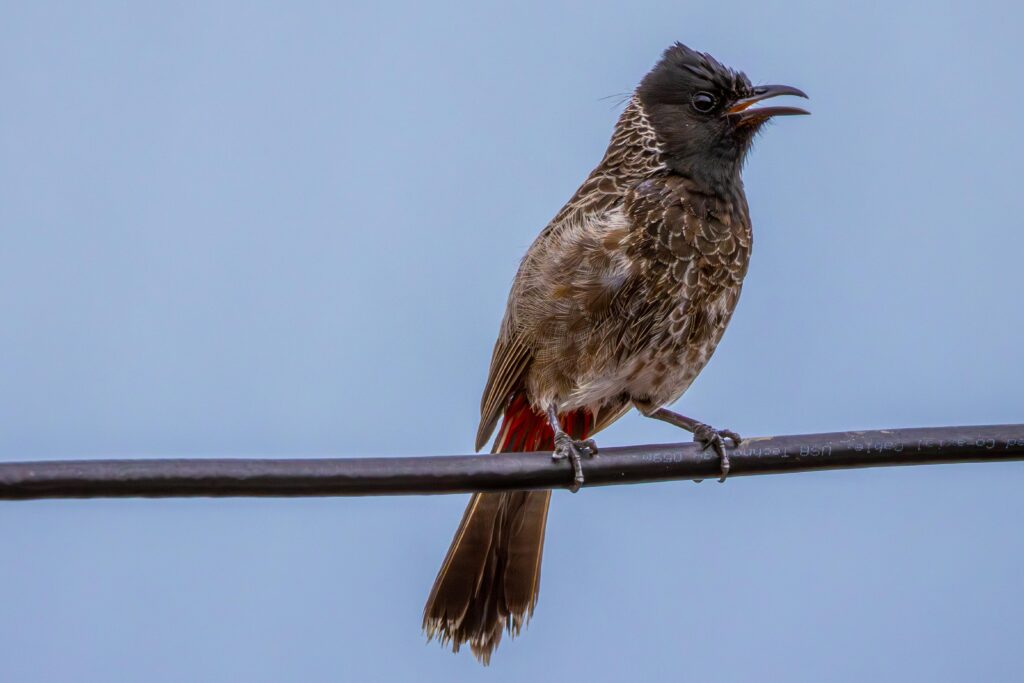
➤ Bulbuls
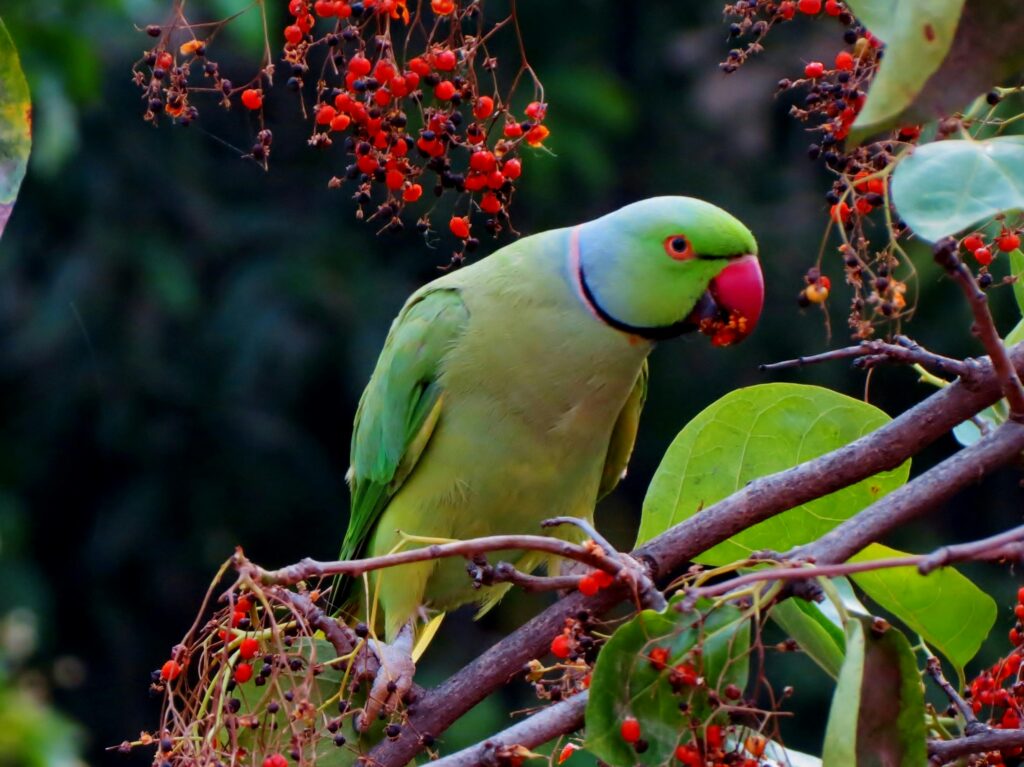
➤ Parakeets
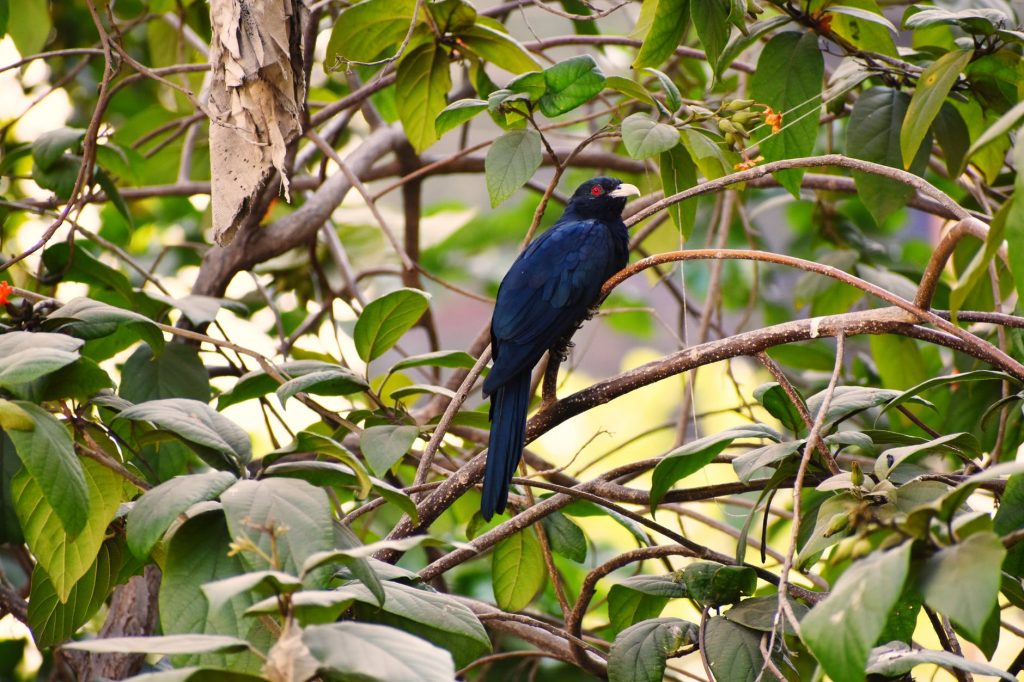
➤ Koels
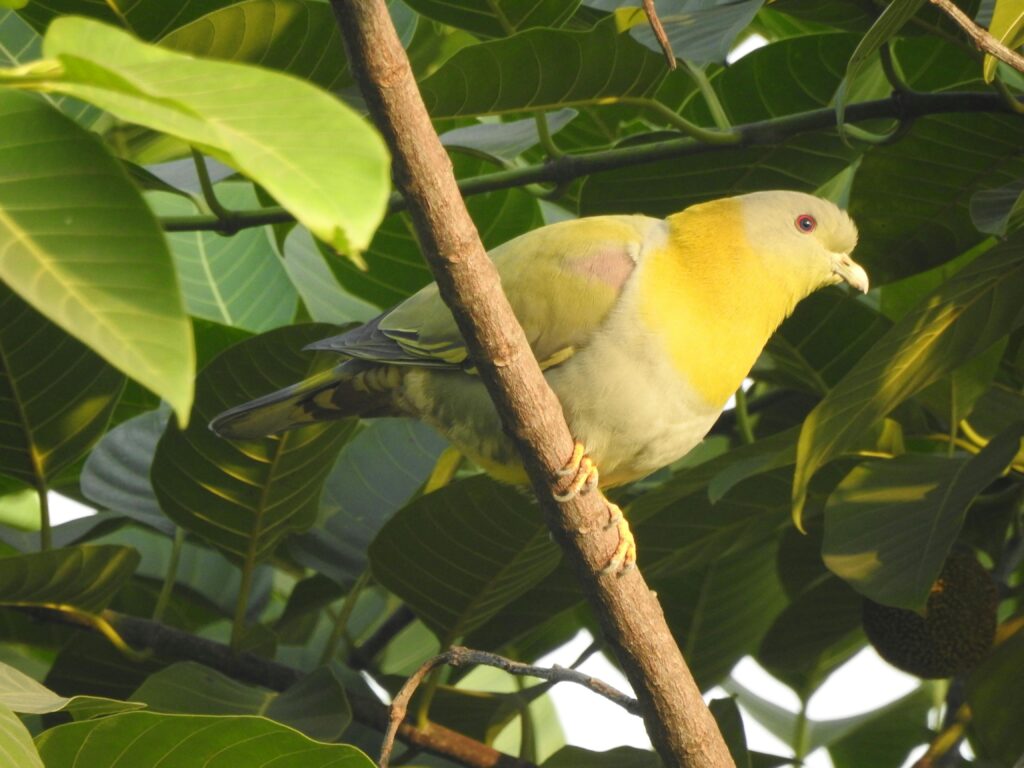
➤ Green pigeons
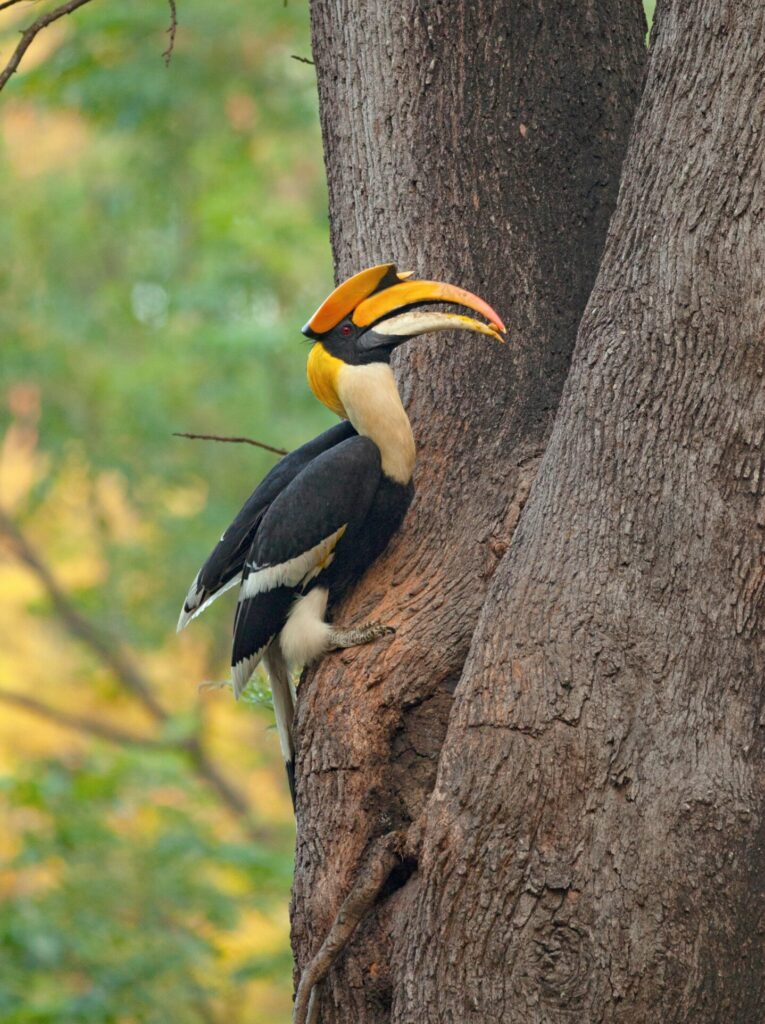
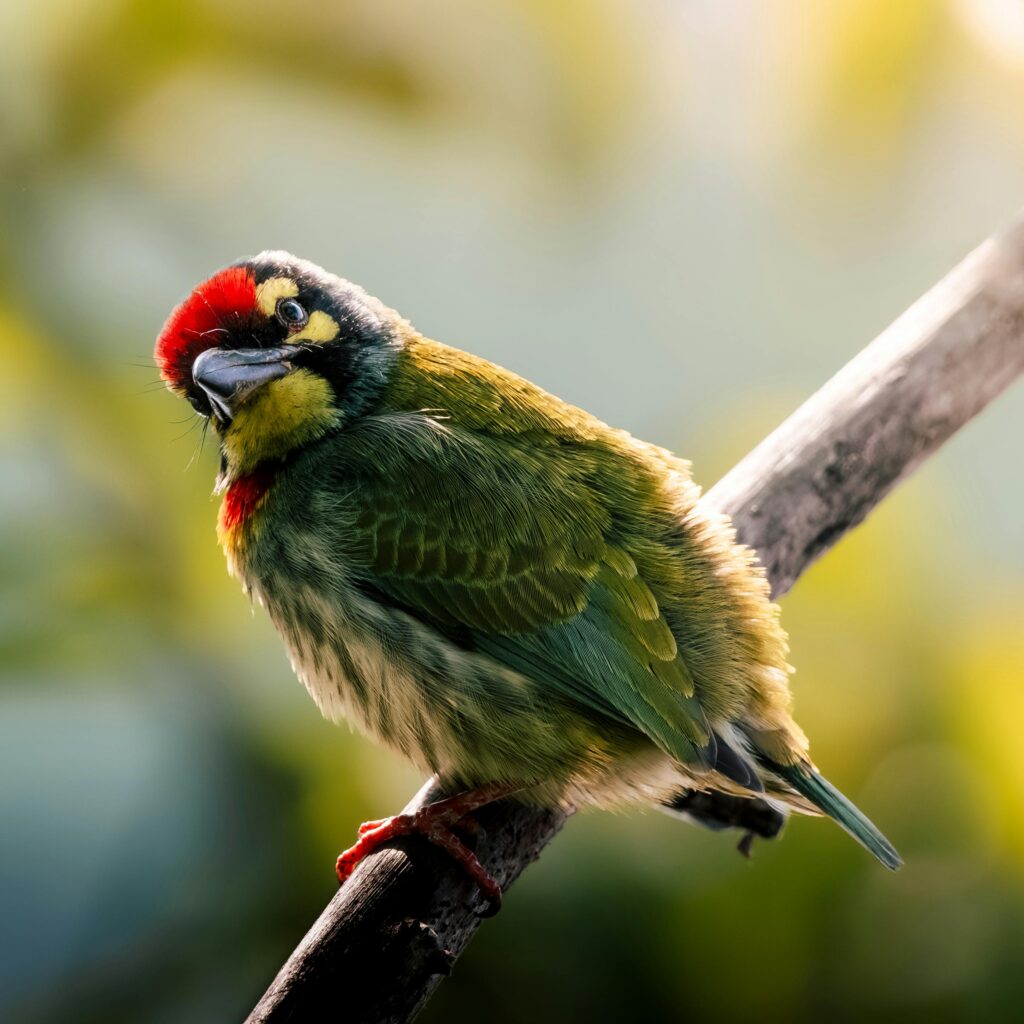
Unique Features:
➤ Strong beaks for plucking and swallowing fruit
➤ Help spread seeds across large areas
These birds are often found near fruiting trees.
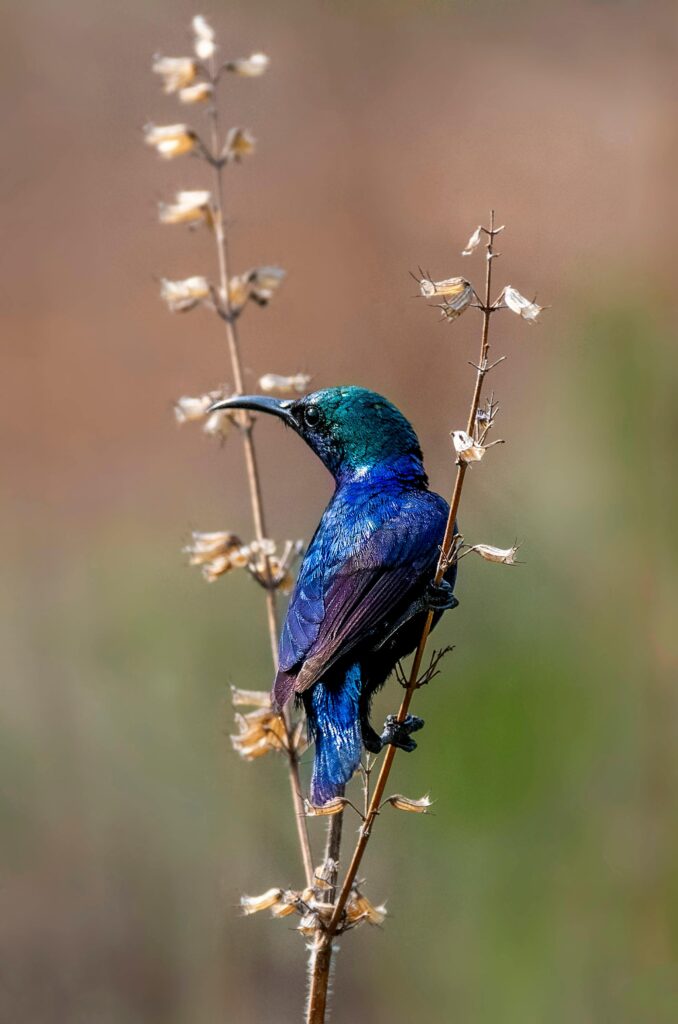
Nectar Feeders (Nectarivores)
These birds depend on flowers for energy.
Environment:
Gardens, forests with flowering plants
Best Time to Spot:
Daytime
Common Species:
➤ Sunbirds
➤ Hummingbirds
➤ Spiderhunters
Unique Features:
➤ Long, curved beaks
➤ Specialised tongues for extracting nectar
They move rapidly between flowers and are a delight to watch.
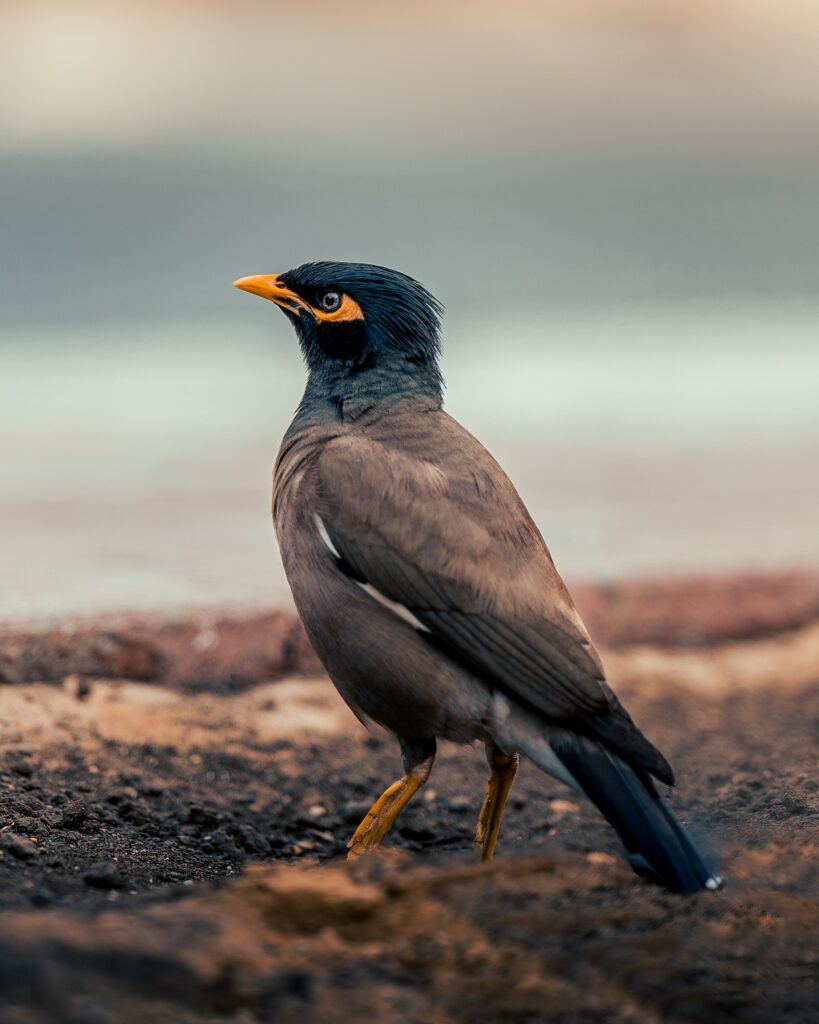
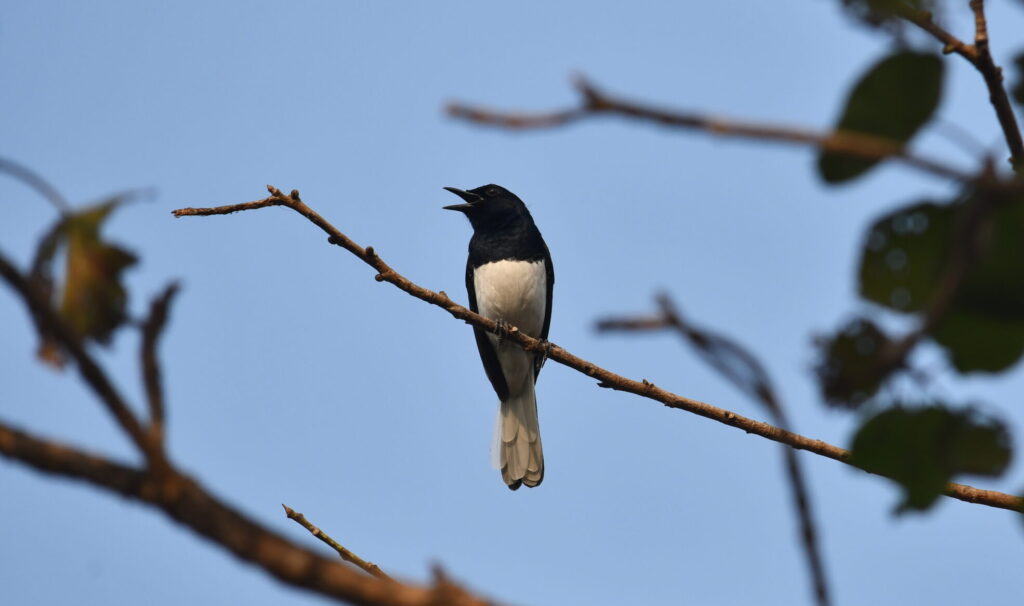
Omnivores
Some birds are not picky—they eat almost everything.
Environment:
Urban areas, forests, wetlands
Best Time to Spot:
Anytime
Common Species:
➤ Crows
➤ Mynas
➤ Magpies
➤ Jungle crows
➤ Treepies
Unique Features:
➤ Highly adaptable diet
➤ Intelligent and opportunistic behaviour
Their flexibility helps them thrive in almost any environment.
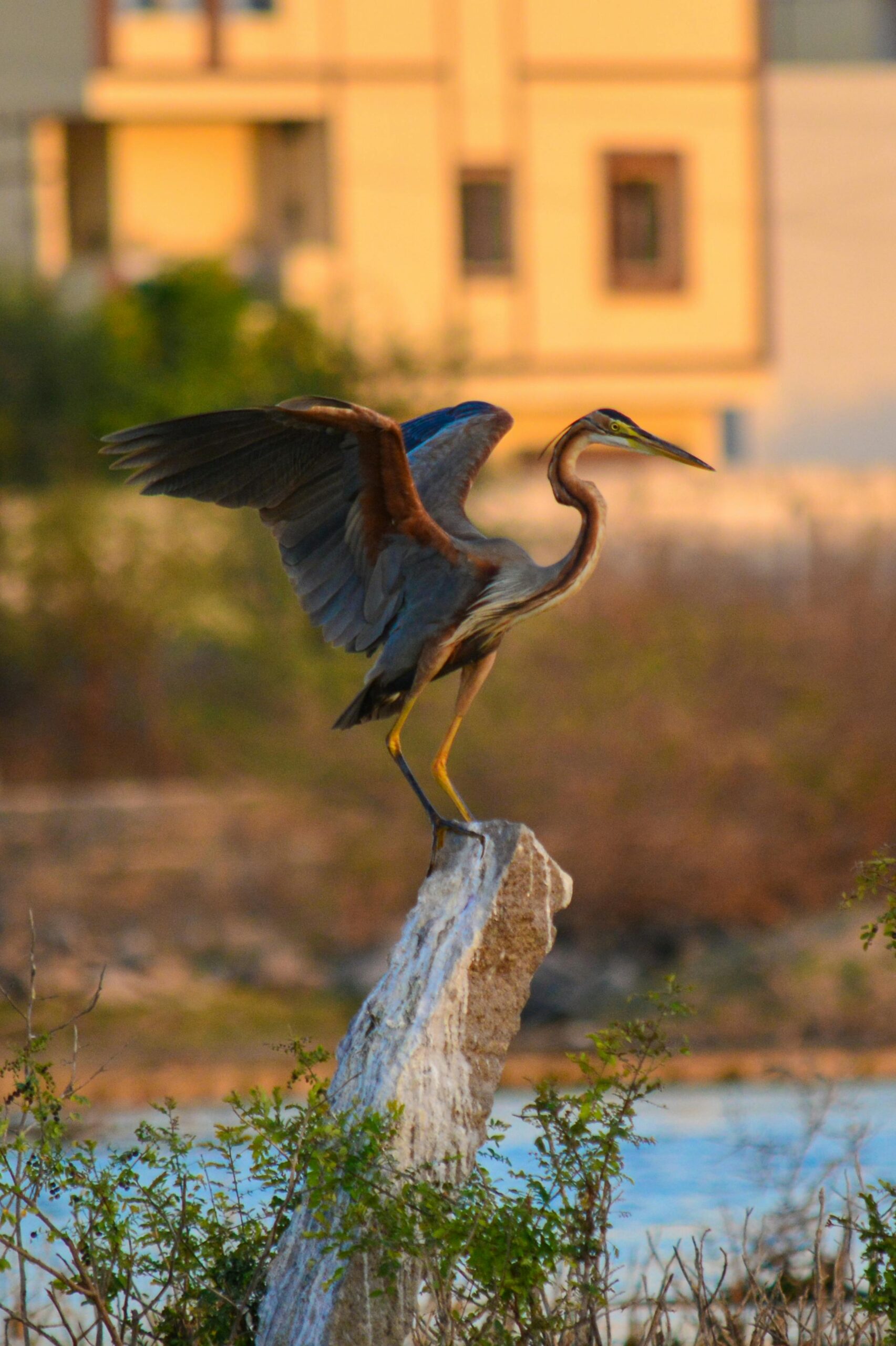
Aquatic Feeders
These birds are closely linked to water ecosystems.
Environment:
Lakes, rivers, wetlands
Best Time to Spot:
Early mornings and evenings
Common Species:
➤ Herons
➤ Kingfishers
➤ Ducks
➤ Cormorants
➤ Storks
➤ Pelicans
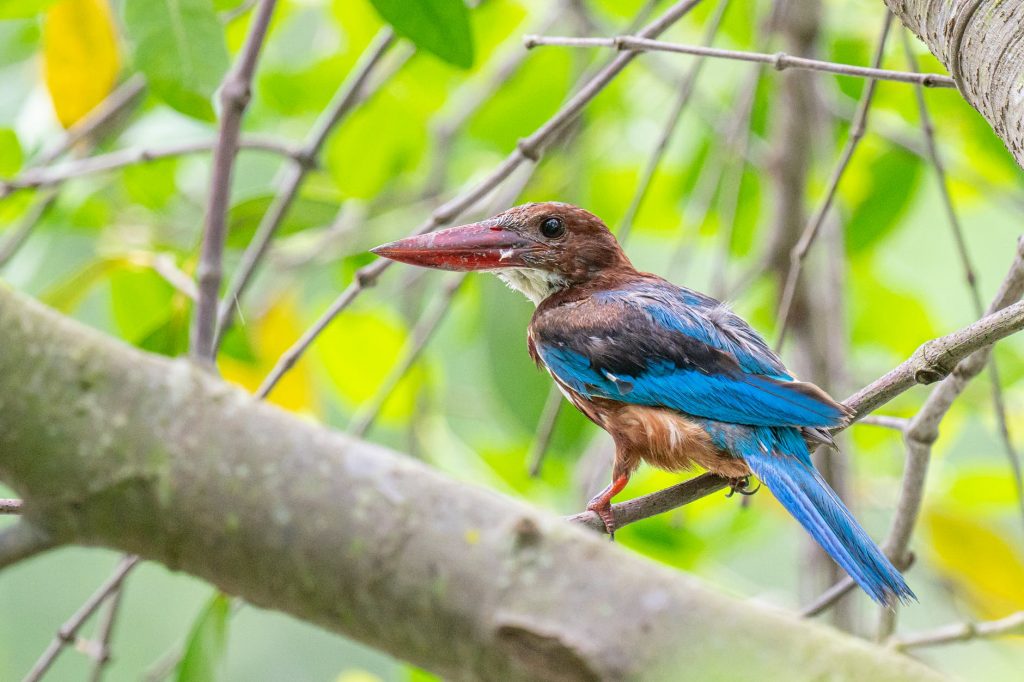
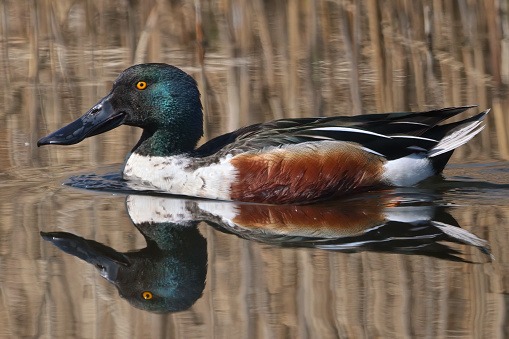
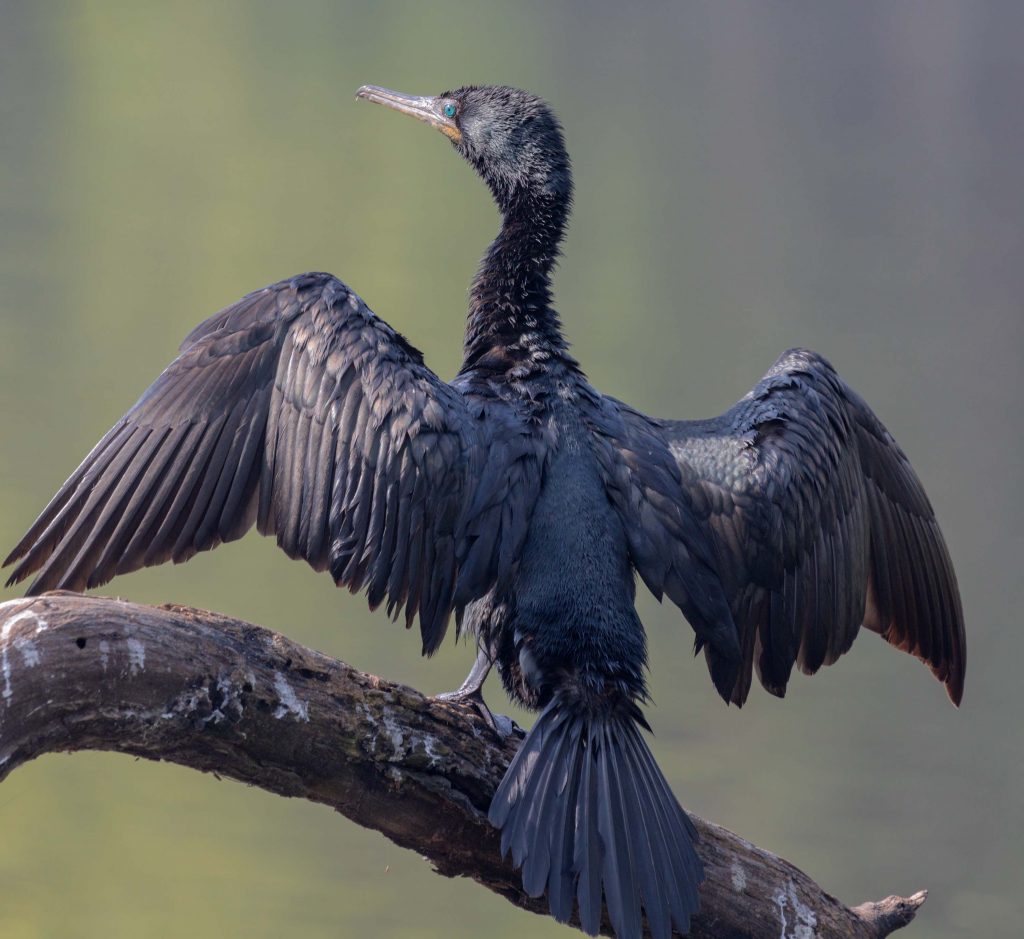
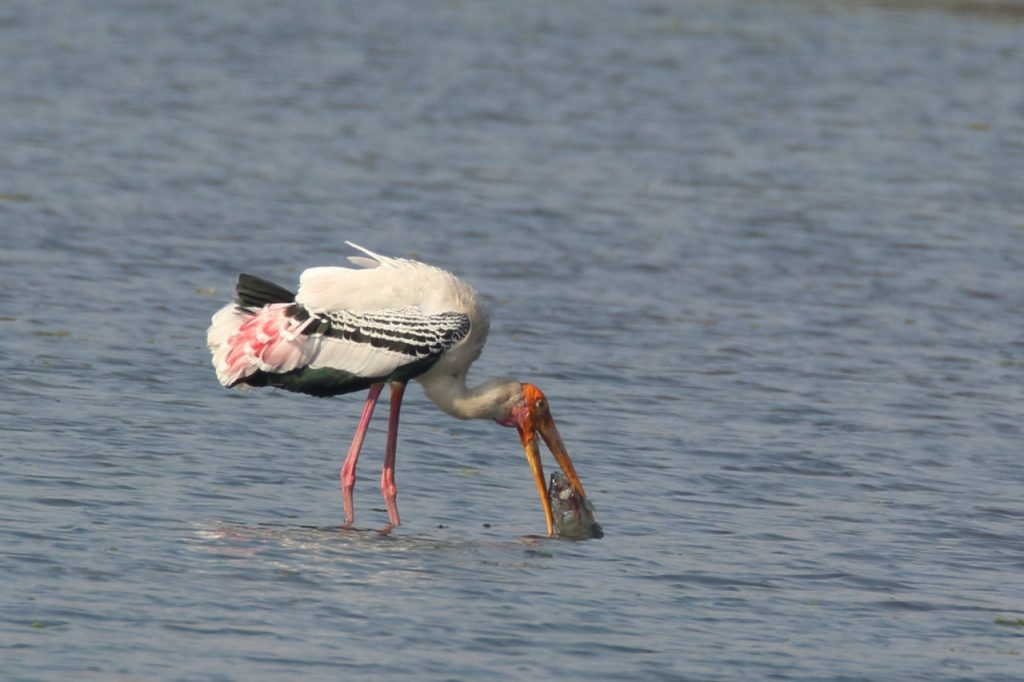
Unique Features:
➤ Long or spear-shaped beaks for catching fish
➤ Webbed feet (in swimming species)
They are often seen near water, patiently waiting or diving for food.
How Bird Diets Help You Spot More Birds
Understanding what birds eat gives you a huge advantage in birdwatching.
➤ Seed eaters → Look on the ground or open fields
➤ Insect eaters → Watch trees and flying insects
➤ Raptors → Scan the sky
➤ Nectar feeders → Check flowering plants
➤ Aquatic birds → Visit water bodies
Birding becomes less about luck—and more about observation.
Experience It in the Wild
Reading about bird diets is interesting—but seeing it in real life is unforgettable.
Watching a kingfisher dive for fish or a sunbird hover near flowers gives you a deeper understanding of how birds survive.
Once you start noticing these behaviours, every walk outdoors feels like a discovery.
Join Our Guided Nature Walks
Explore forests, wetlands, and urban habitats around Mumbai with expert naturalists and discover birds in action.
Enjoyed reading? Explore more: Best Birdwatching Destinations in India, Ultimate Birdwatching Checklist, A Birdwatcher’s Guide to Habitats, The Only Gear Checklist You Need for Birding