
Wildlife travel is often seen as a form of adventure or recreation — a chance to escape cities, explore forests, and hopefully spot a few iconic animals. But true wildlife expeditions offer something far deeper than simple sightseeing. They provide an opportunity to understand ecosystems, observe animal behaviour, and connect with nature in a meaningful way.
Across India’s forests, wetlands, mountains, and coastlines, wildlife expeditions allow travellers to move beyond tourism and experience nature through the eyes of naturalists, researchers, and conservationists. Instead of rushing from one attraction to another, these journeys encourage slow observation, curiosity, and respect for the natural world.
For many participants, a wildlife expedition becomes the beginning of a lifelong interest in ecology and conservation.
Wildlife Expeditions Are About Observation, Not Just Sightings
In traditional tourism, the focus is often on checking off famous landmarks or spotting a “must-see” animal. In contrast, wildlife expeditions emphasize understanding the ecosystem as a whole.
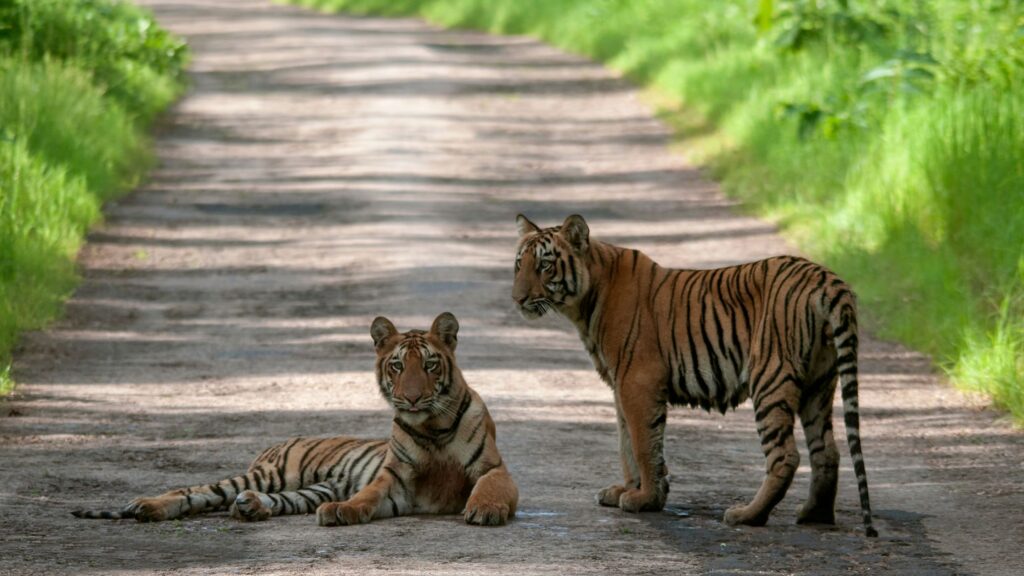
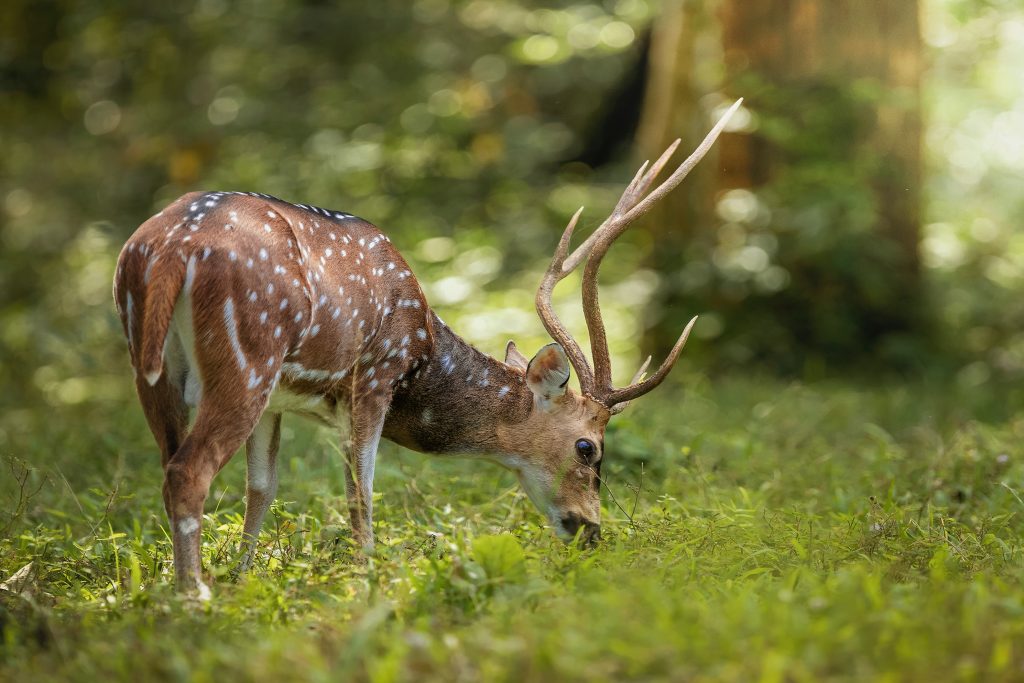
For example, a safari in Tadoba Andhari Tiger Reserve may involve tracking alarm calls of deer, studying pugmarks on dusty roads, and observing predator–prey interactions long before a tiger appears.
During these experiences, travellers learn to notice details such as:
• Behaviour of herbivores like Chital and Sambar Deer
• Signs of predators such as the Bengal Tiger or Indian Leopard
• Bird calls that reveal hidden wildlife in dense forests
• Seasonal changes in vegetation and water sources
This process transforms a safari from a passive ride into an interactive learning experience.
Understanding Animal Behaviour in the Wild
One of the most fascinating aspects of wildlife expeditions is observing animals behaving naturally in their habitat.
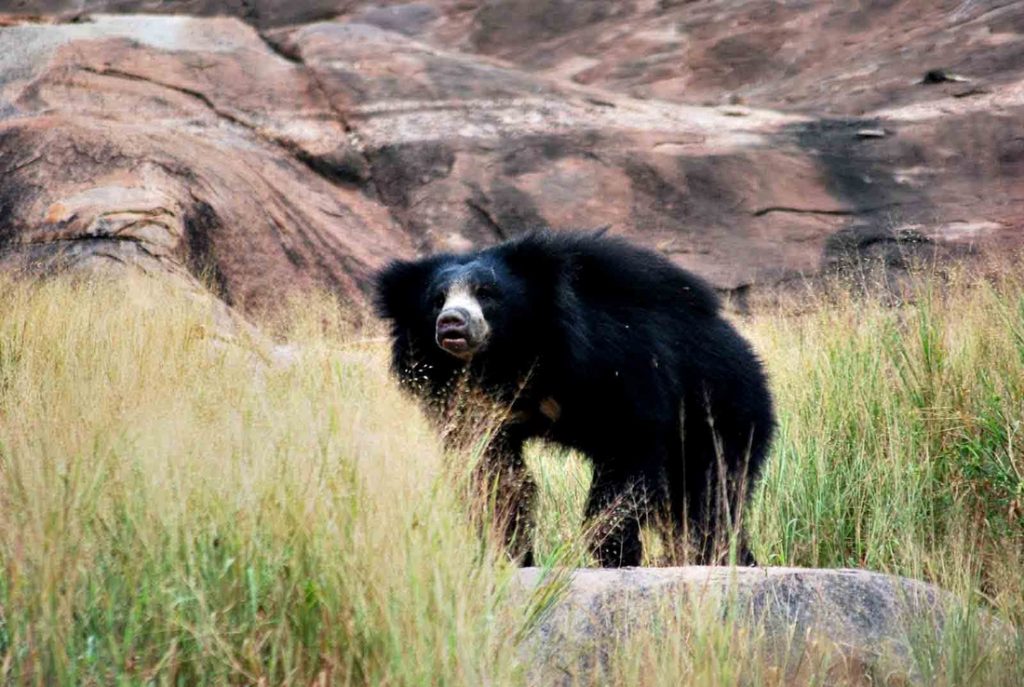
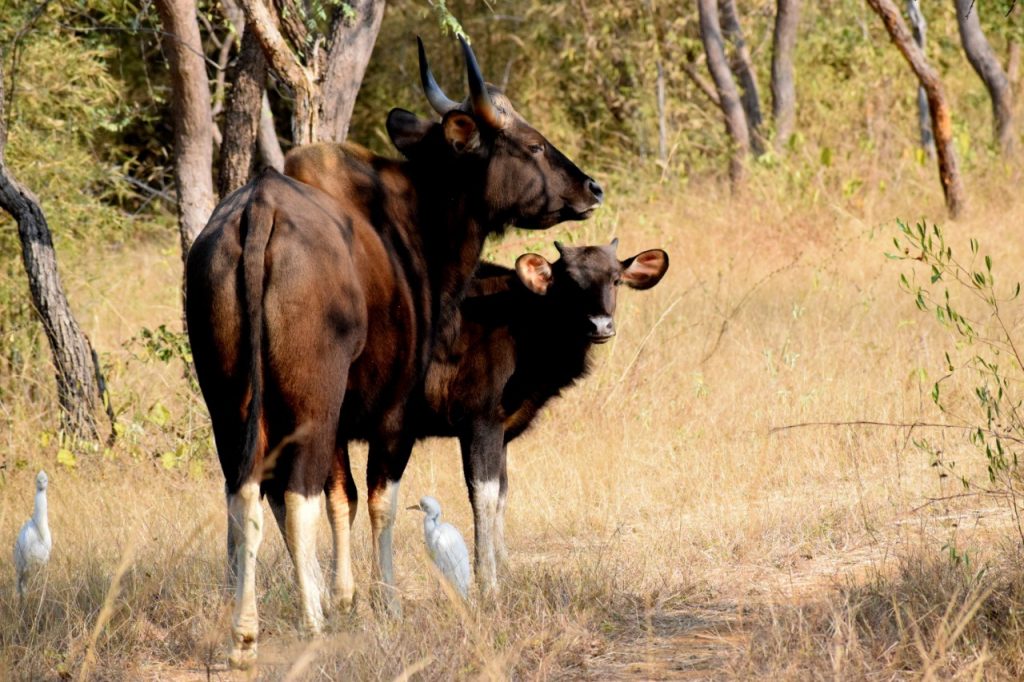
In tiger landscapes such as Bandhavgarh National Park or Kanha National Park, visitors may witness behaviours like:
• Tigers marking territory
• Packs of Dhole coordinating hunts
• Sloth Bear searching for termites
• Herds of Gaur grazing in forest clearings
Such observations reveal how predators and prey interact, how animals communicate, and how ecosystems maintain balance.
These insights are rarely experienced through typical tourism.
Birdwatching Expeditions Reveal Hidden Biodiversity
Birdwatching is another powerful way to understand ecosystems. Unlike large mammals that appear occasionally, birds are present in every habitat and often respond quickly to environmental changes.
During birding expeditions in regions like Mumbai wetlands or forests of the Western Ghats, travellers might encounter species such as:
• Indian Paradise Flycatcher
• Crested Serpent Eagle
• Malabar Grey Hornbill
• Bronze-winged Jacana
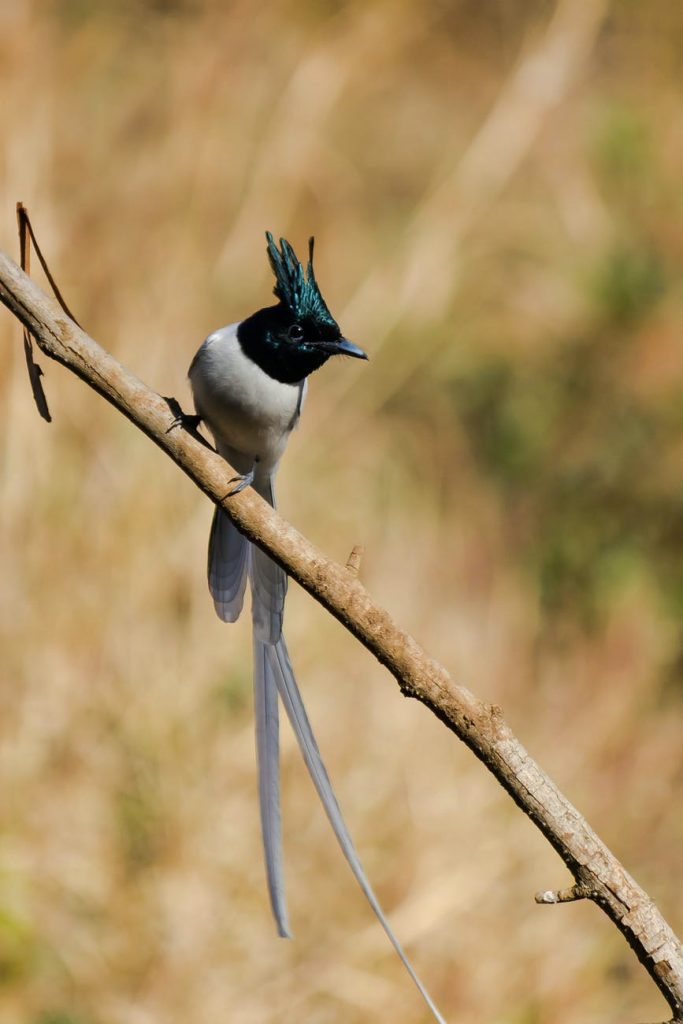
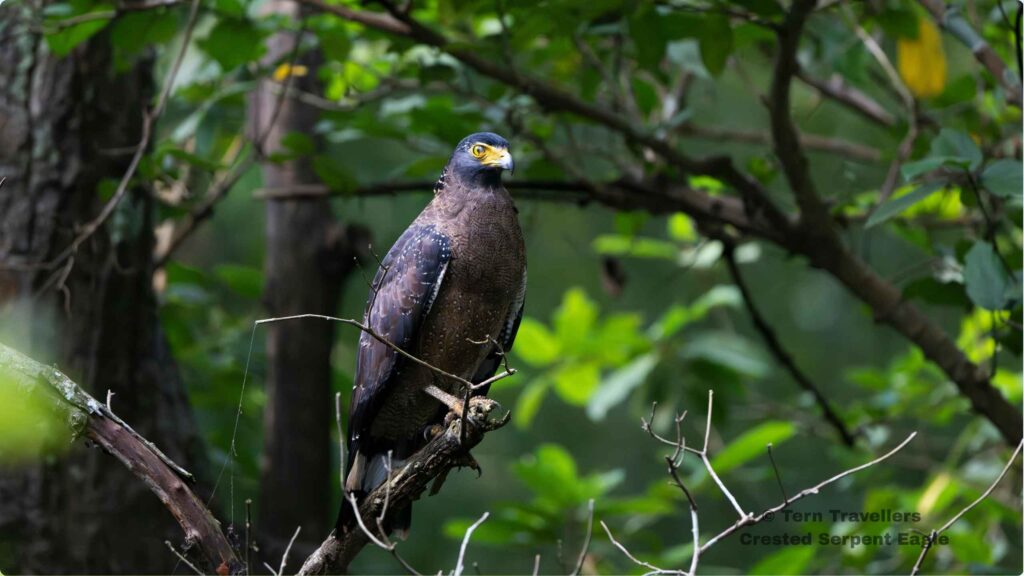
Naturalists explain how these birds adapt to different habitats, migrate across continents, and play vital ecological roles such as seed dispersal and pest control.
Over time, birdwatching trains travellers to observe patterns in nature, making forests and wetlands feel far more alive.
Exploring Different Ecosystems Across India
Wildlife expeditions are not limited to tiger reserves. India’s biodiversity spans a wide range of ecosystems, each offering unique experiences.
Participants might explore:
• Tiger forests of central India like Pench National Park
• Rainforests of the Western Ghats such as Agumbe
• Coastal wetlands around Mumbai
• Seasonal natural phenomena like fireflies in villages like Purushwadi
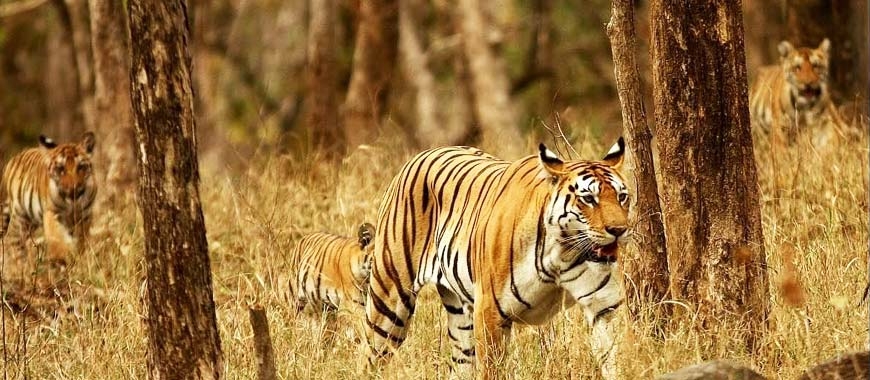
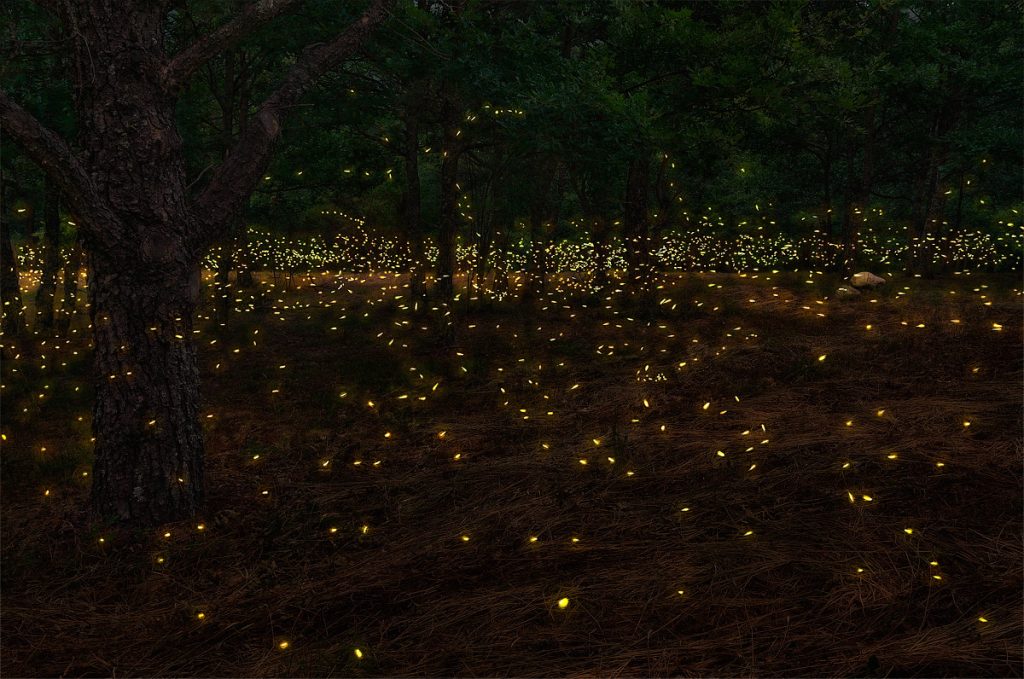
Each ecosystem reveals a different layer of India’s incredible biodiversity.
Learning From Naturalists and Local Communities
A key aspect that separates wildlife expeditions from regular tourism is interpretation — the knowledge shared by experienced naturalists and local guides.
These experts help travellers understand:
• Animal tracking techniques
• Bird identification by call and behaviour
• Forest ecology and seasonal cycles
• Conservation challenges facing wildlife
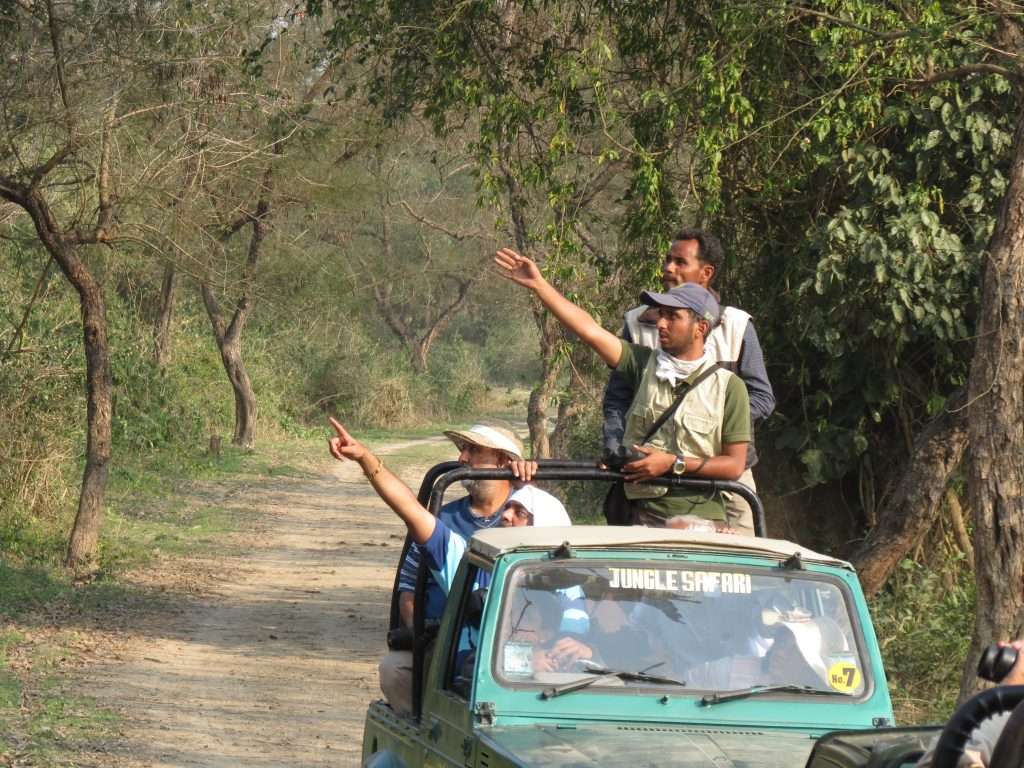
Local communities also play an important role in wildlife experiences. Many expeditions support community-run homestays, local guides, and conservation initiatives, ensuring that tourism benefits people living near wildlife habitats.
Read more: How Naturalists Identify Birds, Trees and Wildlife During Forest Walks, Why Guided Nature Trails Reveal More Wildlife Than Regular Trekking
Wildlife Expeditions Encourage Responsible Travel
Modern wildlife travel is increasingly focused on responsible and sustainable practices.
Well-designed expeditions emphasize:
• Maintaining safe distances from animals
• Avoiding disturbance during wildlife encounters
• Minimizing plastic waste and pollution
• Supporting conservation initiatives
Such practices ensure that wildlife tourism contributes positively to conservation rather than harming fragile ecosystems.
Why Wildlife Expeditions Leave a Lasting Impact
Many travellers begin wildlife expeditions hoping to see a tiger or photograph a rare bird. But the most meaningful takeaway often becomes something deeper — a new appreciation for the complexity and beauty of natural ecosystems.
Understanding how forests function, how species depend on one another, and how fragile biodiversity can be often changes the way people see nature forever.
Wildlife expeditions therefore become more than trips — they become learning journeys into the natural world.

Explore Wildlife Expeditions With Us
Our journeys are designed to help travellers experience nature thoughtfully and responsibly. From tiger safaris in central India to birdwatching trips around Mumbai, rainforest explorations in the Western Ghats, and seasonal experiences like fireflies expeditions, each trip is curated to offer deeper insight into wildlife and ecosystems.
Our expeditions combine experienced naturalists, carefully planned itineraries, and immersive outdoor experiences so that travellers can truly connect with the landscapes they explore.
If you’re interested in discovering nature beyond tourism, these wildlife journeys offer the perfect place to begin.
Still reading? Explore more: Things You Can Learn on a Forest Walk: Trees, Birds, Insects and Ecosystems, India’s Best Wildlife Experiences: Safaris, Birding and Forest Adventures