
A multi-day wildlife safari is one of the most exciting ways to experience India’s incredible biodiversity. Spending several days inside forest landscapes allows travellers to observe animal behaviour, explore diverse habitats, and dramatically increase their chances of meaningful wildlife sightings.
From tracking big cats in dry forests to photographing rare birds in rainforest canopies, India’s national parks offer extraordinary safari experiences. However, proper preparation is essential to make the most of your time in the wild.
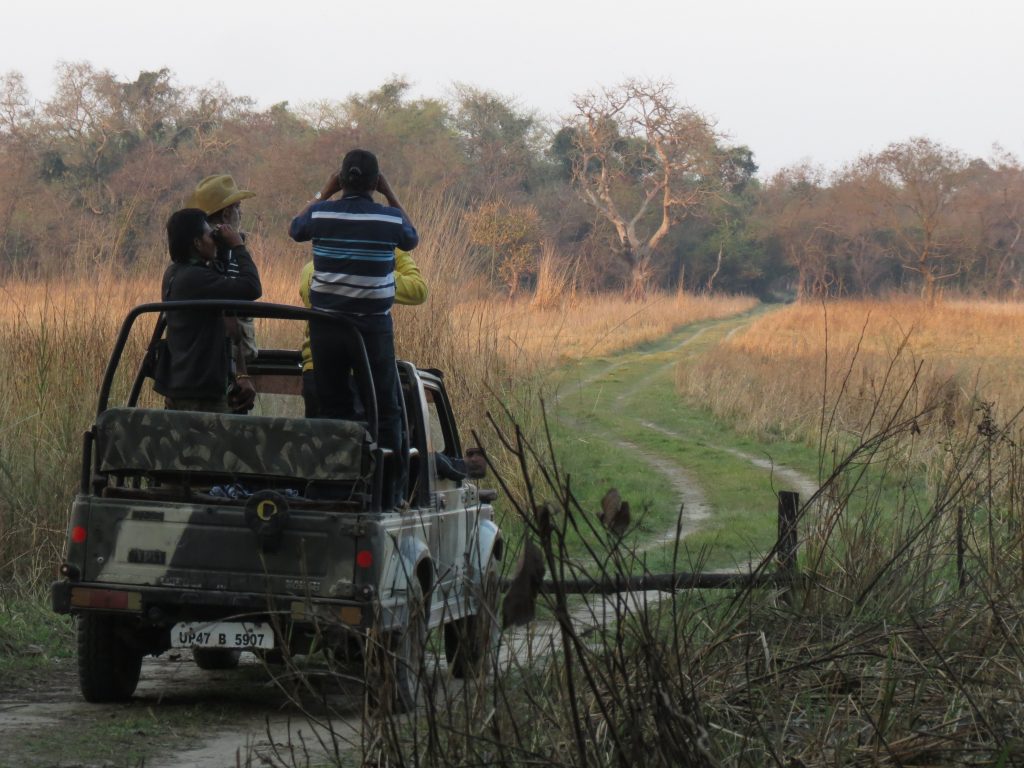
Whether you are planning your first wildlife trip or a dedicated photography expedition, understanding how to prepare for a multi-day safari can transform your experience from a simple sightseeing trip into a true wildlife adventure.
Choose the Right National Park for Your Wildlife Interests
India is home to some of the most diverse wildlife habitats in the world. Each national park offers unique landscapes and different flagship species.
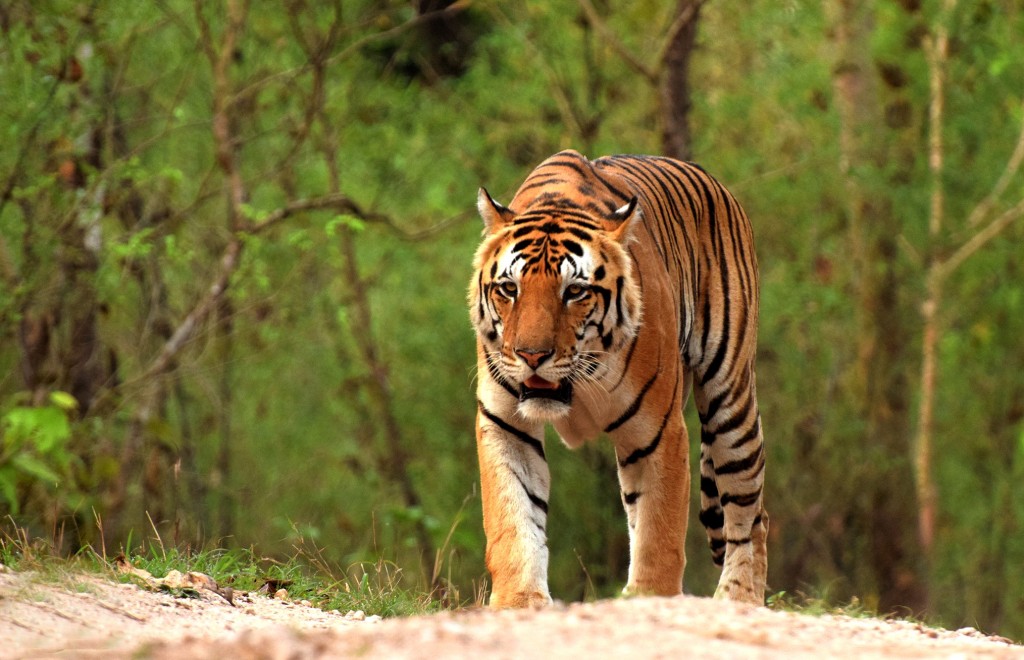
For travellers interested in big cats and large mammals, parks such as Ranthambore National Park and Bandhavgarh National Park are among the best places to see the iconic Bengal Tiger.
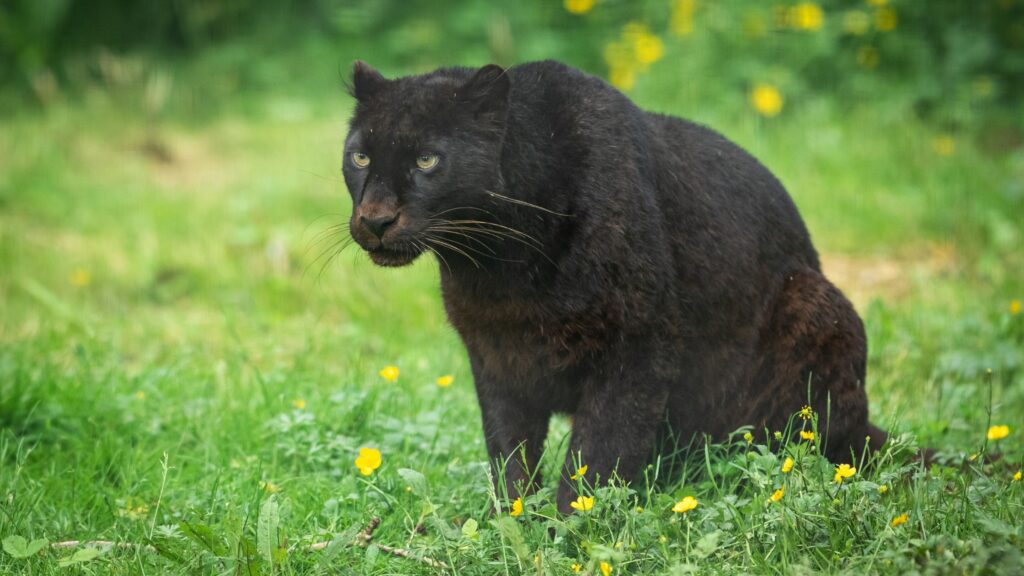
If you are interested in rainforest wildlife and rare predators, the forests of Bhadra Tiger Reserve in the Western Ghats are famous for sightings of the elusive Black Panther.
Birdwatchers and wildlife photographers may prefer destinations known for high bird diversity such as Nagarhole National Park or Himalayan birding landscapes like Eaglenest Wildlife Sanctuary.
Choosing a destination that matches your wildlife interests helps ensure a more rewarding safari experience.
Read: Best Tiger Safaris in India for First-Time Wildlife Travelers
Travel During the Best Wildlife Viewing Season
Timing plays a major role in wildlife sightings.
In many Indian forests, summer months often provide the best safari opportunities. As water sources shrink, animals gather around lakes and watering holes, making sightings more predictable.
For example, in reserves such as Kanha National Park or Tadoba Andhari Tiger Reserve, the dry months often provide excellent opportunities to observe predators, herbivores, and birdlife around forest clearings and water bodies.
Monsoon and winter seasons, however, can be excellent for birdwatching and forest photography.
Understanding seasonal wildlife behaviour can help travellers choose the right time for their expedition.
Pack the Right Clothing for Forest Safaris
Comfortable and practical clothing is essential during multi-day safaris.
Forest environments often involve early morning drives, dusty tracks, fluctuating temperatures, and long hours outdoors.
Recommended safari clothing includes:
• Neutral-coloured shirts and trousers (olive, brown, or beige)
• Light jackets for cold mornings
• Comfortable trekking shoes
• Wide-brim hats or caps
• Sunglasses and sunscreen
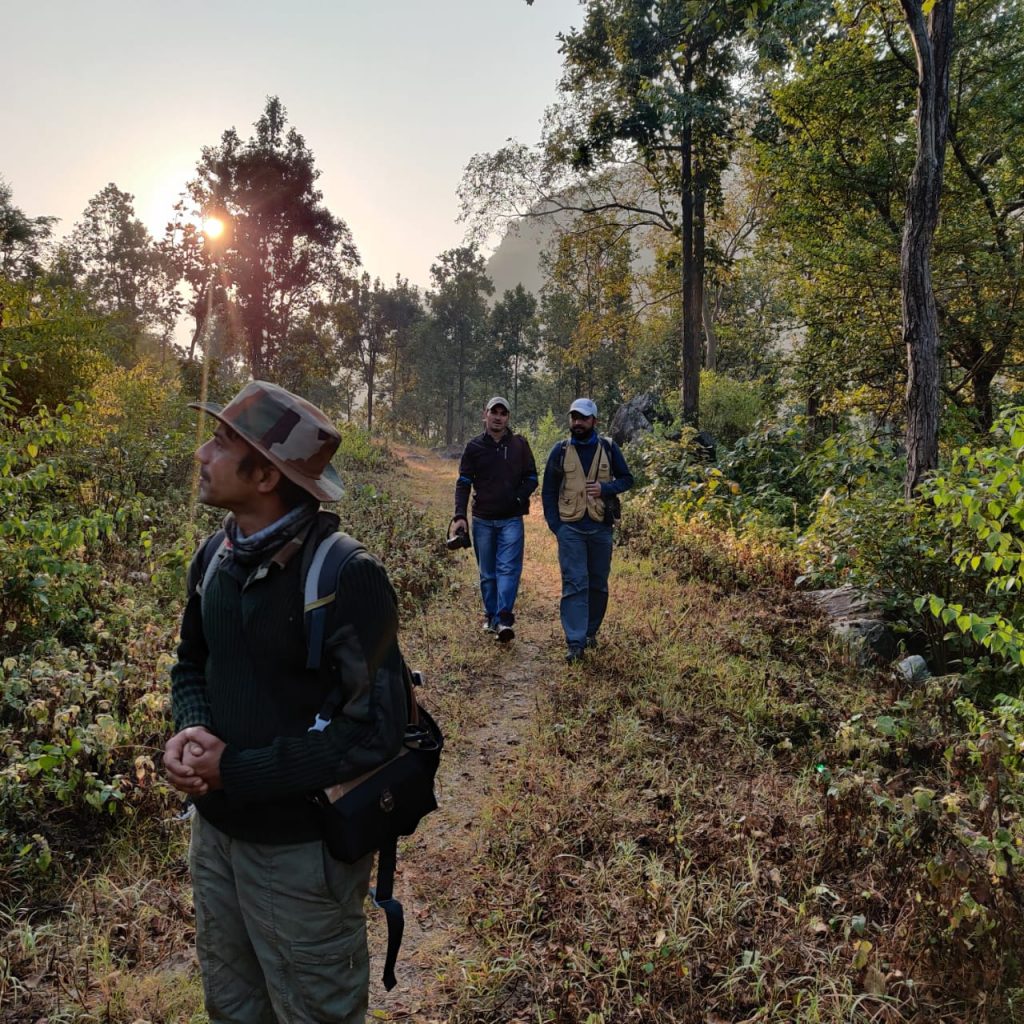
Neutral colours help avoid disturbing wildlife and allow travellers to blend naturally into forest environments.
Read: What to Wear for a Wildlife Safari or Nature Trail
Carry Essential Wildlife Viewing Gear
Having the right equipment can significantly improve your wildlife experience.
For most travellers, a good pair of binoculars is the single most important safari tool. Binoculars allow you to observe distant animals, birds, and subtle movements in dense forests.
Wildlife photographers may also consider bringing:
• Telephoto lenses for distant animals
• Extra camera batteries and memory cards
• Lens cleaning kits for dust protection
• Camera rain covers during humid conditions
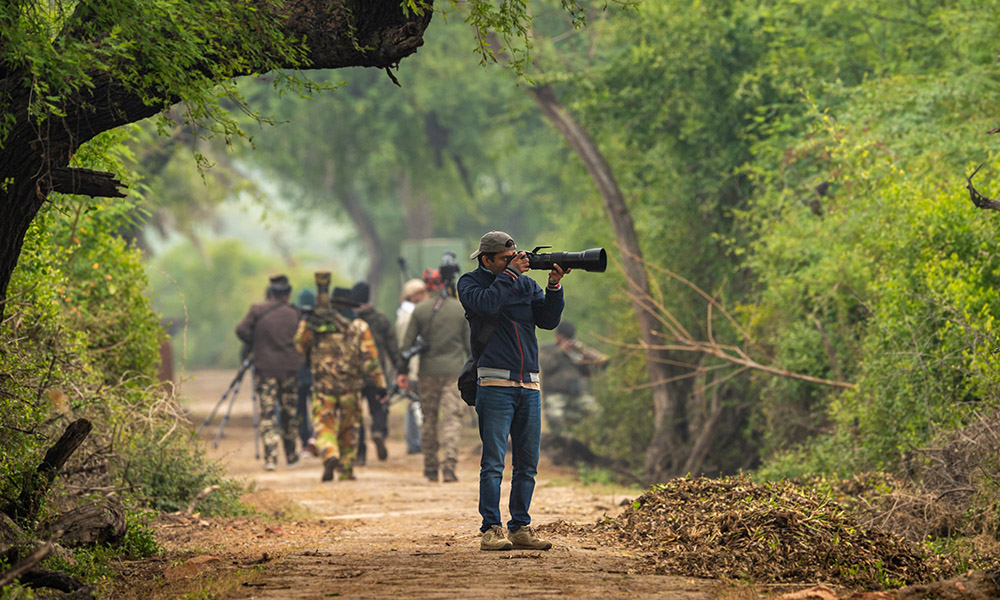
In dense habitats such as the rainforests of the Western Ghats, binoculars can often reveal hidden bird species like the Malabar Trogon or the colourful Malabar Parakeet.
Read: The Only Gear Checklist You Need for Birding, Safaris & Forest Walks
Understand Safari Schedules and Park Rules
Most wildlife safaris in India operate during two main time slots:
• Morning Safari: Typically starts at sunrise when wildlife activity is highest
• Afternoon Safari: Continues until sunset when animals become active again
Following park rules is extremely important for both safety and conservation.
Key safari guidelines usually include:
• Maintain silence while observing wildlife
• Never stand up or move suddenly in safari vehicles
• Do not feed or approach animals
• Follow instructions given by forest guides and naturalists
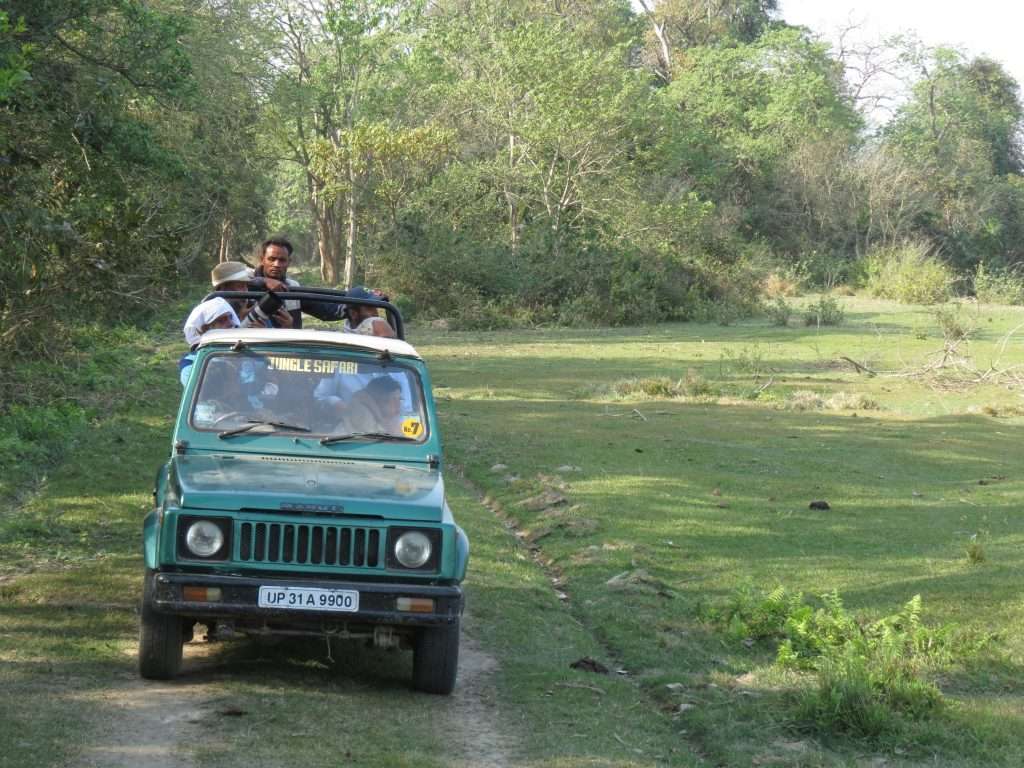
Responsible behaviour ensures minimal disturbance to wildlife and protects fragile ecosystems.
Stay Patient and Observant
One of the most important lessons for wildlife travellers is patience.
Wild animals move freely in vast landscapes, and sightings can never be guaranteed. However, spending multiple days inside the forest significantly improves the chances of observing rare species and natural behaviour.
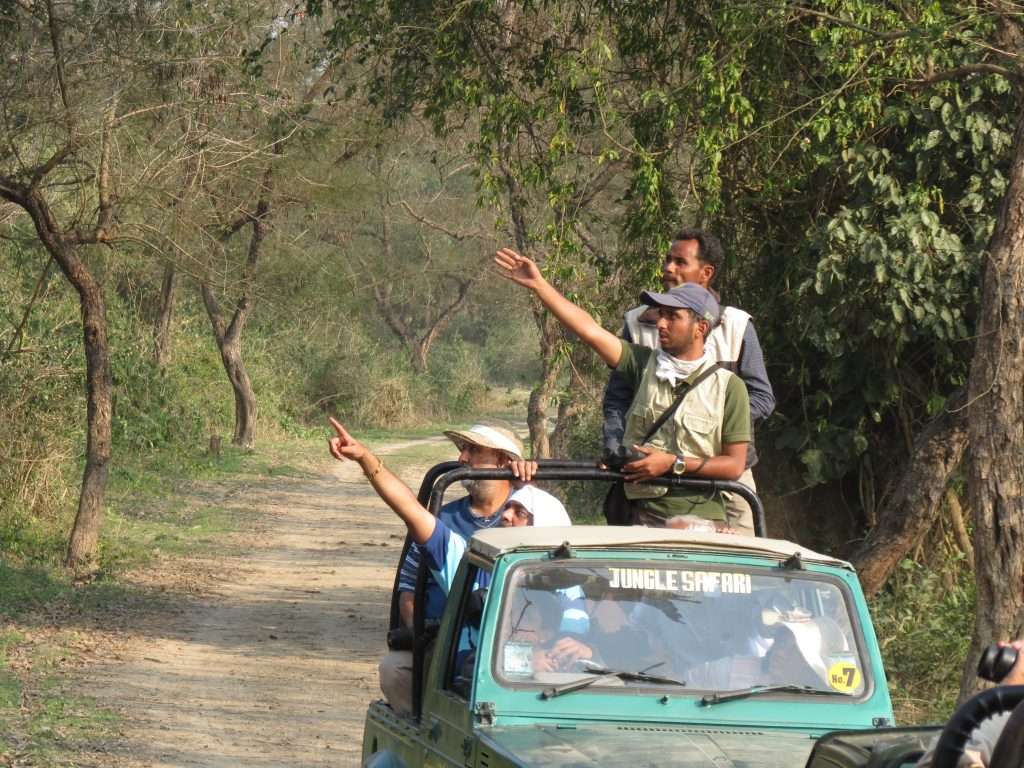
Experienced naturalists often identify wildlife through subtle clues such as alarm calls, fresh tracks, or movement in the forest canopy.
Many remarkable sightings — from elusive predators to rare birds — occur when travellers remain quiet, patient, and attentive to the surrounding environment.
Consider Joining a Small-Group Wildlife Expedition
For first-time safari travellers, joining a professionally guided expedition can greatly enhance the experience.
Small-group wildlife tours typically include:
• Expert naturalists and birding guides
• Carefully planned safari schedules
• Access to prime wildlife habitats
• Opportunities for photography and species identification
Destinations such as Bhadra Tiger Reserve, Nagarhole National Park, and Himalayan birding landscapes like Pangot offer exceptional opportunities for guided wildlife exploration.
These expeditions allow travellers to learn about ecosystems, wildlife behaviour, and conservation while enjoying immersive forest experiences.
Read: Why Small Group Wildlife Expeditions Offer Better Safari Experiences
Respect Wildlife and Support Conservation
A successful safari is not just about seeing animals — it is about understanding and respecting the ecosystems that support them.
Responsible wildlife tourism plays an important role in conservation by supporting protected areas, local communities, and scientific research.
Simple practices such as avoiding litter, maintaining distance from animals, and following park regulations help protect fragile habitats for future generations.
Still reading? Explore more: Tadoba vs Pench vs Bandhavgarh: Which Tiger Reserve Should You Choose?, Bandhavgarh Wildlife Safari Guide, Kanha National Park, A Beginner’s Guide to Planning Your First Jungle Safari in India