
A Transformation Every Wildlife Lover Should Experience
Maharashtra’s forests constantly evolve with the seasons, and the transition from winter to summer is one of the most fascinating ecological transformations to witness. From lush green landscapes filled with migratory birds to dry forests where wildlife gathers around shrinking water sources, every seasonal shift changes not only the appearance of the forest but also the behaviour, movement, and visibility of wildlife species. Understanding these seasonal changes helps travellers experience forests more meaningfully rather than expecting the same sightings throughout the year.
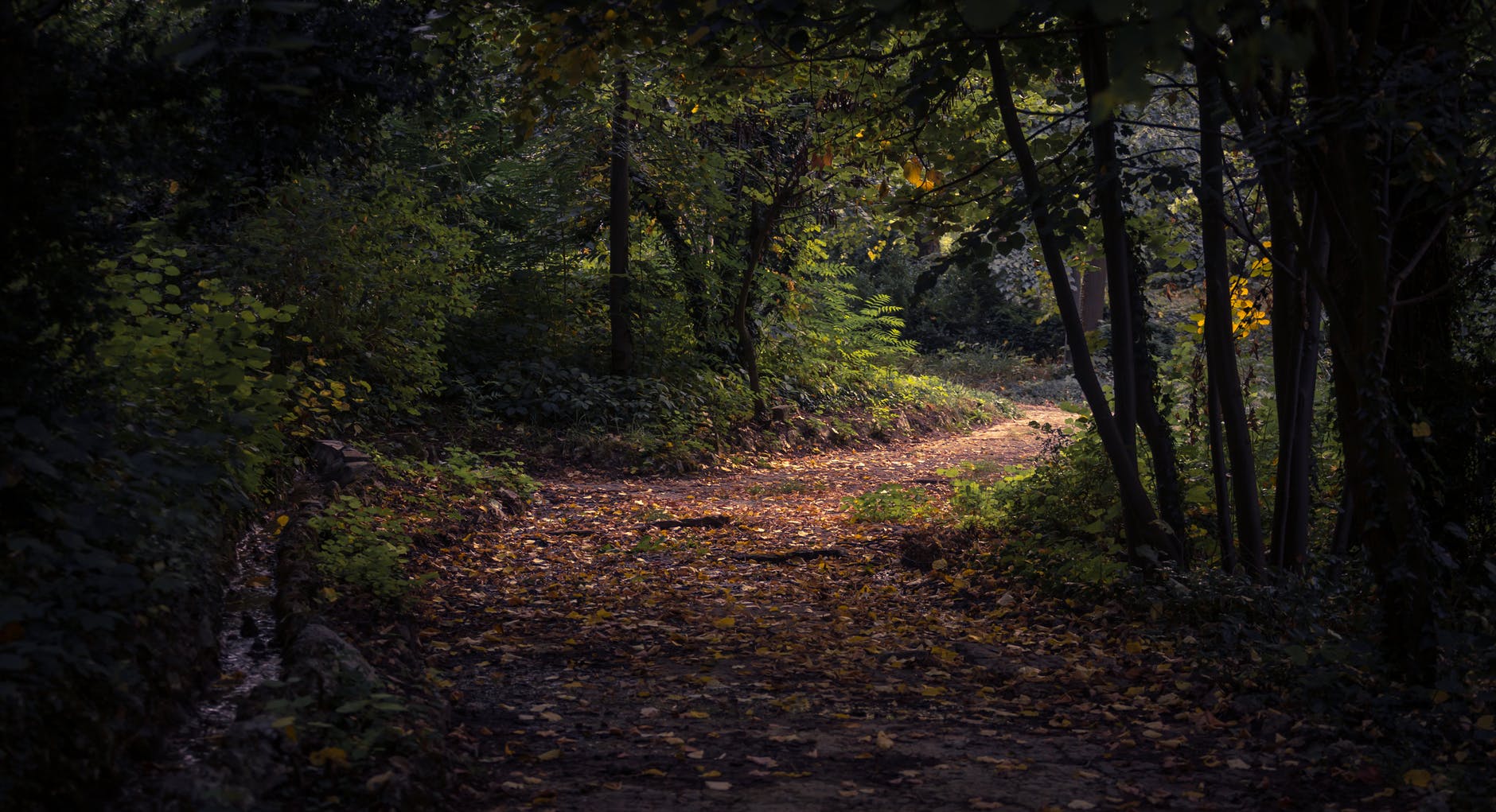
Winter Forests: Dense, Cool, and Biodiversity-Rich
During winter months, forests across reserves like Tadoba Andhari Tiger Reserve, Pench Tiger Reserve, and Melghat Tiger Reserve remain relatively green after the monsoon season. Water bodies are full, vegetation is thick, and temperatures remain comfortable for most species.
Key characteristics of winter forests include:
➤ Thick foliage providing natural shelter and camouflage
➤ Abundant food and water reducing animal movement distances
➤ Longer activity periods for mammals due to cooler temperatures
➤ Arrival of migratory bird species from colder regions
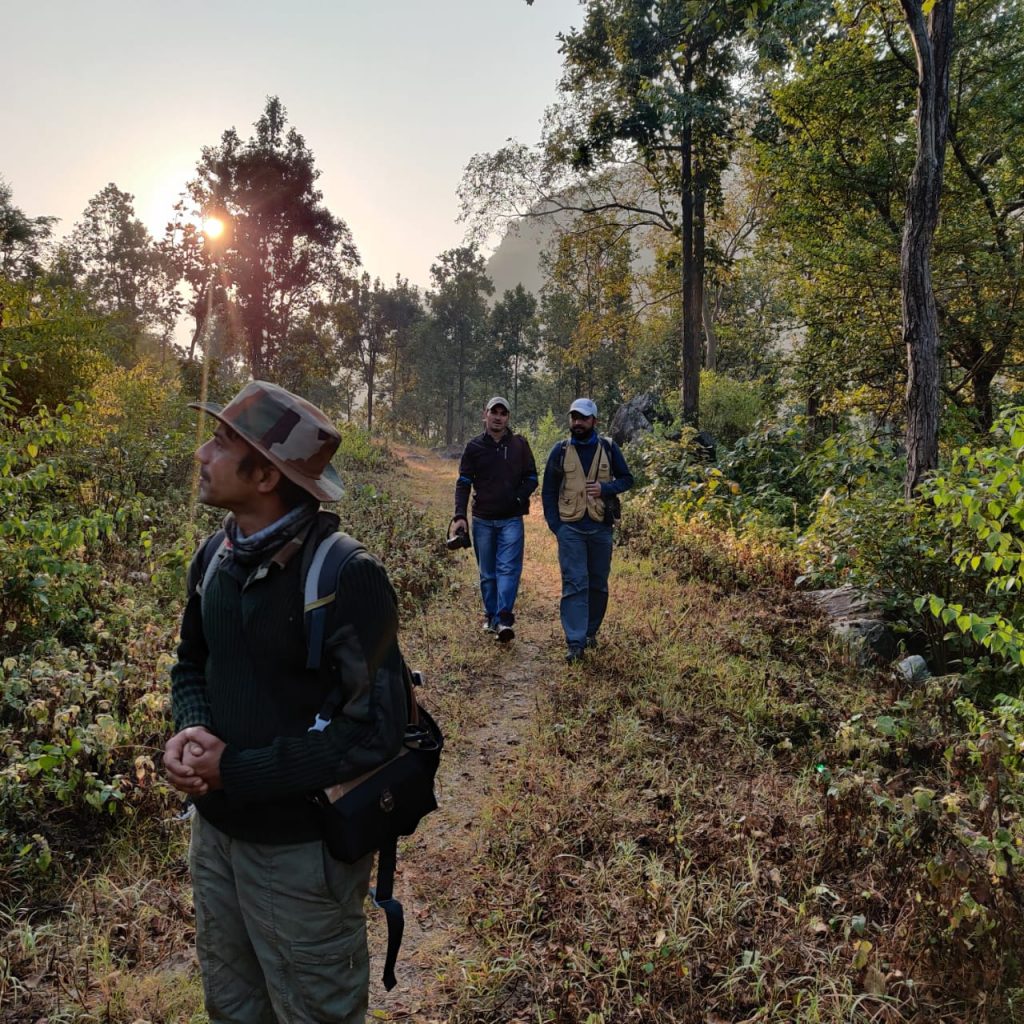
Wildlife behaviour during winter is more dispersed because resources are widely available. Herbivores graze across large areas, while predators such as tigers and leopards do not need to frequent specific waterholes regularly, making sightings more dependent on luck and tracking skills. Bird diversity peaks during this period, with flycatchers, warblers, wagtails, and raptors actively using forest edges and wetlands.
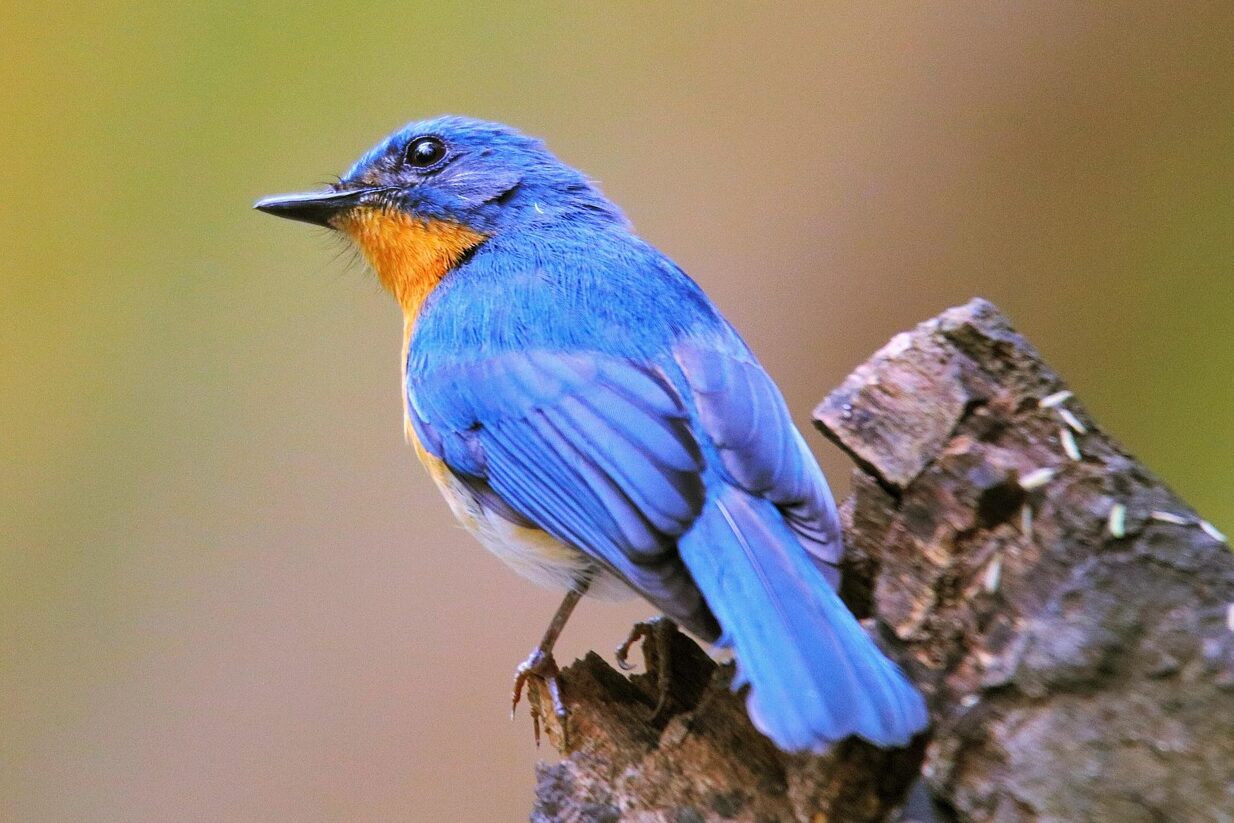
The Transition Phase: Late Winter to Early Summer
As temperatures begin rising, Maharashtra’s deciduous forests prepare for moisture loss through leaf shedding. This is one of the most noticeable seasonal shifts for visitors.
During this transition:
➤ Trees gradually lose leaves to conserve water
➤ Visibility inside forests improves significantly
➤ Dry grass replaces post-monsoon greenery
➤ Animal trails and movement paths become easier to identify

This period marks behavioural adjustments among wildlife. Herbivores begin moving strategically between feeding grounds and reliable water sources, while predators start adapting hunting patterns based on prey concentration. Bird activity shifts from migration to breeding preparation, with territorial calls becoming more frequent.
Summer Forests: Survival Mode Begins
By peak summer, forests transform into open landscapes dominated by earthy browns and golden tones. Water availability becomes the single most important ecological factor influencing wildlife distribution.
Typical summer changes include:
➤ Shrinking natural water sources
➤ Increased wildlife movement toward lakes and waterholes
➤ Reduced vegetation cover improving animal visibility
➤ Concentrated prey populations attracting predators
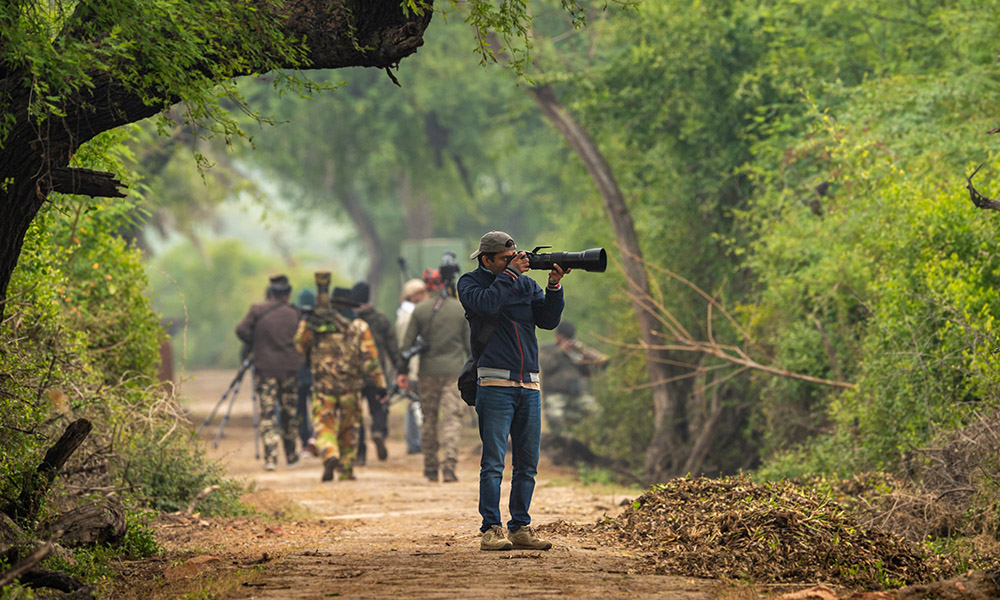
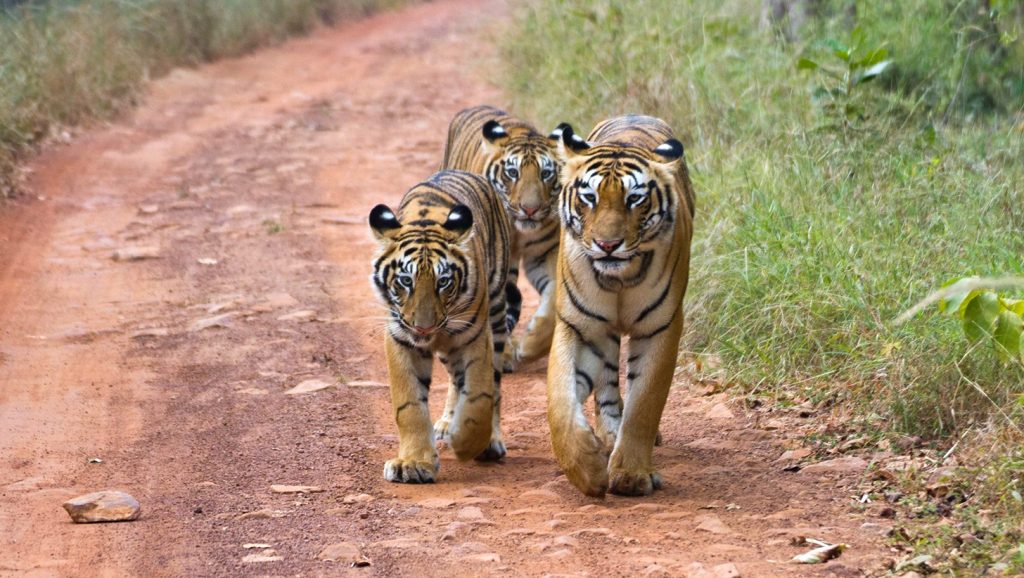
In places like Tadoba, repeated animal sightings become common because species follow predictable routes between shade and water. Tigers, leopards, sloth bears, and wild dogs are often observed near remaining water bodies, especially during morning and evening safaris.
How Wildlife Species Change With Seasonal Climate
Seasonal climate shifts directly influence which species are commonly observed and how they behave. Maharashtra’s forests do not lose wildlife between seasons — instead, species priorities change.
Winter Wildlife Patterns:
➤ Migratory birds dominate wetlands and forest edges
➤ Mammals remain active for longer durations throughout the day
➤ Dense vegetation favors smaller and shy species
➤ Predator sightings may be less frequent due to wide prey distribution
Summer Wildlife Patterns:
➤ Migratory birds depart while resident species begin breeding
➤ Peafowl, lapwings, and drongos become highly vocal
➤ Reptiles such as snakes and monitor lizards become more visible due to heat
➤ Large mammals gather near water sources, improving sighting probability
➤ Predators show predictable movement linked to prey concentration
This seasonal redistribution explains why summer is often considered peak safari season for mammal sightings, while winter is ideal for birding diversity and landscape richness.
Birdlife Transformation Across Seasons
Bird communities undergo one of the most dramatic seasonal changes. Winter welcomes migratory visitors escaping harsh northern climates, dramatically increasing species diversity. As summer approaches, these migrants return to breeding grounds while resident birds establish nesting territories. Increased calling, courtship displays, and feeding activity make summer an excellent time to observe bird behaviour rather than migration itself.
Read: Resident vs Migratory Birds of Mumbai: Understanding Seasonal Bird Movement
Changing Forest Light and Landscape Experience
The visual atmosphere of forests also transforms seasonally. Winter forests appear softer due to moisture and dense canopy cover, while summer forests feel brighter and more dramatic with open sightlines and golden light. For photographers and wildlife enthusiasts, this seasonal contrast creates completely different safari experiences within the same landscape.
Why Experiencing Multiple Seasons Matters
Visiting a forest only once offers just a glimpse of its true rhythm. Winter highlights migratory arrivals and rich biodiversity, while summer uncovers survival instincts, predator–prey dynamics, and dramatic wildlife gatherings around vital water sources. Experiencing forests across seasons allows you to understand not just what you see — but why you see it — as species respond to shifting temperatures, water levels, and habitat conditions.
Our seasonal wildlife journeys are thoughtfully curated to help travellers witness these changes firsthand, revealing how Maharashtra’s forests transform month by month and why each season offers a completely different perspective of the wild.
Confused about which wildlife experience would suit you best? Looking for more summer inspiration?
Read: Which Wildlife Expedition Is Right for You?, 10 Best Summer Treks Near Mumbai to Beat the Heat, Why Summer is Actually a Great Season for Trekking in Maharashtra.
Join us and experience the wild the way it was meant to be discovered.