
Birdwatching is one of the most rewarding ways to connect with nature. From colorful forest birds to migratory waterfowl, observing birds helps you understand ecosystems, seasonal patterns, and wildlife behaviour. India is home to over 1,300 bird species, making it one of the most exciting countries in the world for beginners to start their birding journey.
Whether you are exploring a forest trail, a wetland, or even an urban park, birdwatching does not require expensive equipment or advanced knowledge. With a little patience and the right approach, your first birding trip can be an unforgettable experience.
Here is a beginner-friendly guide with essential birdwatching tips to help you get started.
Start Early – Birds Are Most Active in the Morning
Birds are most active during the early morning hours after sunrise, when they begin feeding and singing. This time, known as the “dawn chorus,” is ideal for spotting a variety of species.
For example, during morning bird walks in Western Ghats forests, birders often hear the melodic calls of the Malabar Whistling Thrush, sometimes called the “whistling schoolboy.” Early mornings are also when species like the Indian Pitta or Asian Paradise Flycatcher become active in forest habitats.

Planning your birdwatching trips during the first few hours of daylight significantly increases your chances of seeing more species.
Read: Western Ghats Biodiversity Hotspot: Wildlife, Ecosystems and Unique Species
Learn to Observe Before Identifying
One of the most common beginner mistakes is trying to immediately identify every bird. Instead, focus on observing key details, such as:
➤ Size and shape of the bird
➤ Colour patterns and markings
➤ Behaviour and feeding habits
➤ Habitat where it is found
➤ Distinctive calls or songs
For instance, the Black Drongo is easily recognised by its forked tail and bold behaviour, often chasing larger birds away from its territory. Similarly, the Red-vented Bulbul can be identified by its black crest and red patch beneath the tail.
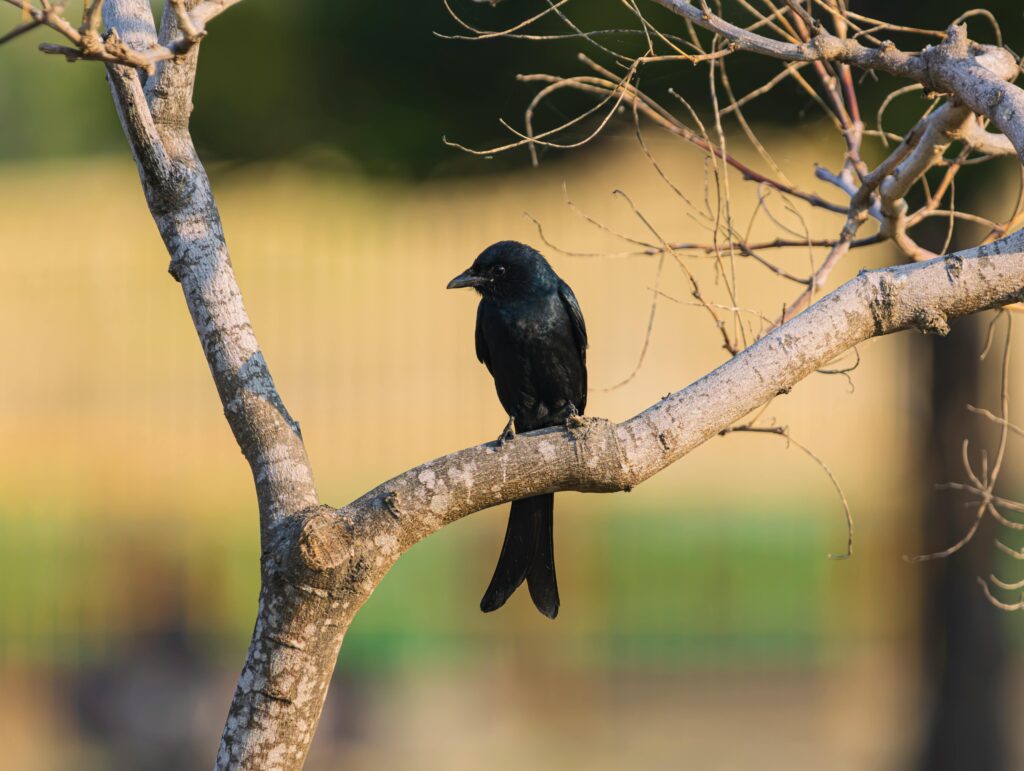
Observation skills are the foundation of successful birdwatching.
Read: 10 Birds Every Beginner Birder Should Learn to Identify in India
Use the Right Basic Equipment
You do not need expensive gear to begin birdwatching. A few essential tools can greatly improve your experience.
➤ Binoculars: A good pair of binoculars helps you observe birds clearly from a distance without disturbing them.
➤ Field Guide or Bird App: Mobile apps such as bird identification guides help beginners quickly learn species names, calls, and distribution.
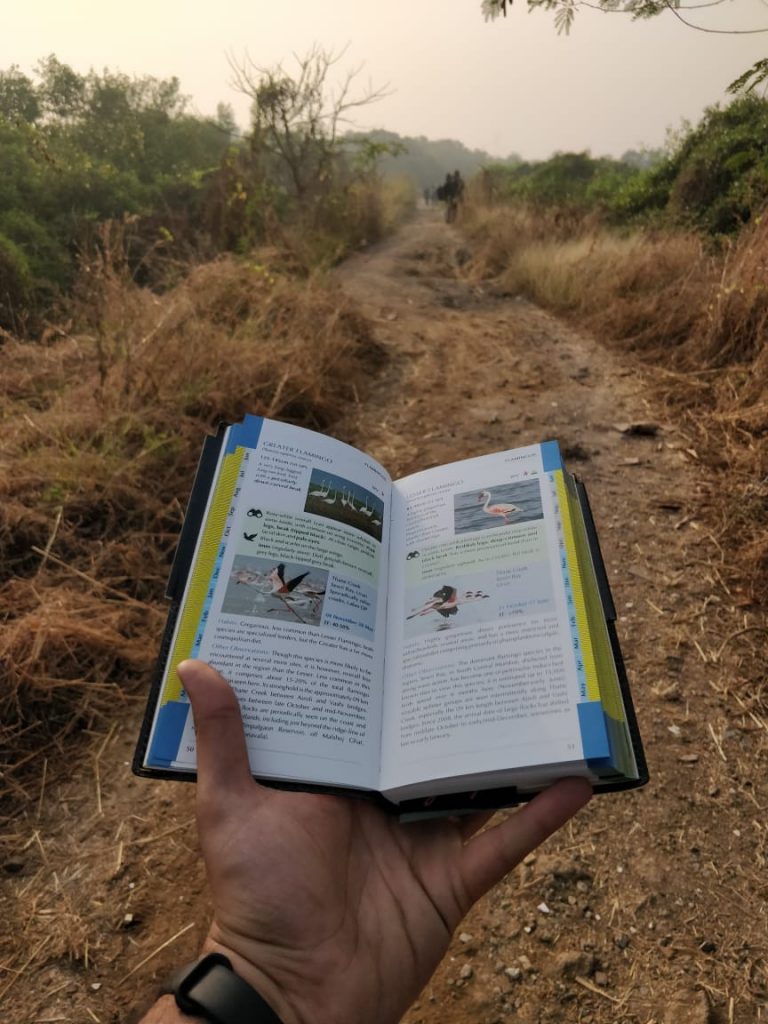
➤ Notebook or Birding App: Many birders enjoy recording their sightings in a field notebook or logging them in birding platforms to track species they have observed.
Move Slowly and Stay Quiet
Birds are highly sensitive to movement and noise. Sudden movements or loud talking can easily scare them away.
When walking along forest trails, move slowly and pause frequently. Sometimes the best sightings happen when you stop and listen carefully. Mixed hunting flocks, where several bird species move together through the forest canopy, often reveal themselves through constant calls and movement.

Pay Attention to Bird Calls
Many birds are heard before they are seen. Learning common bird calls is one of the most valuable skills in birdwatching.
For example:
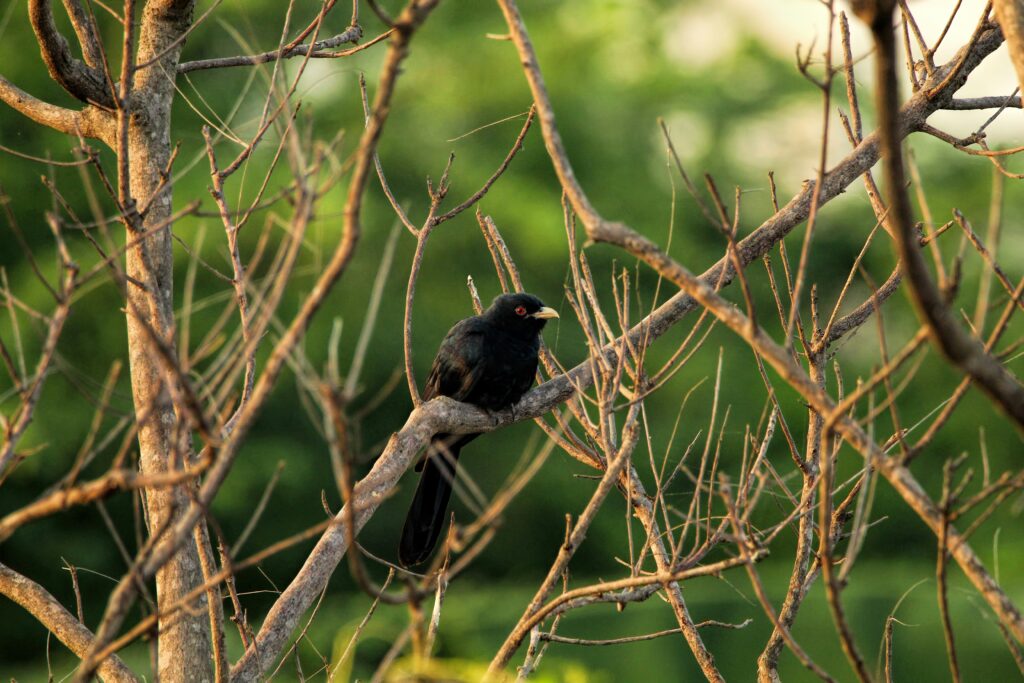
➤ The Asian Koel is recognised by its loud, repetitive “koo-ooo” call during summer.
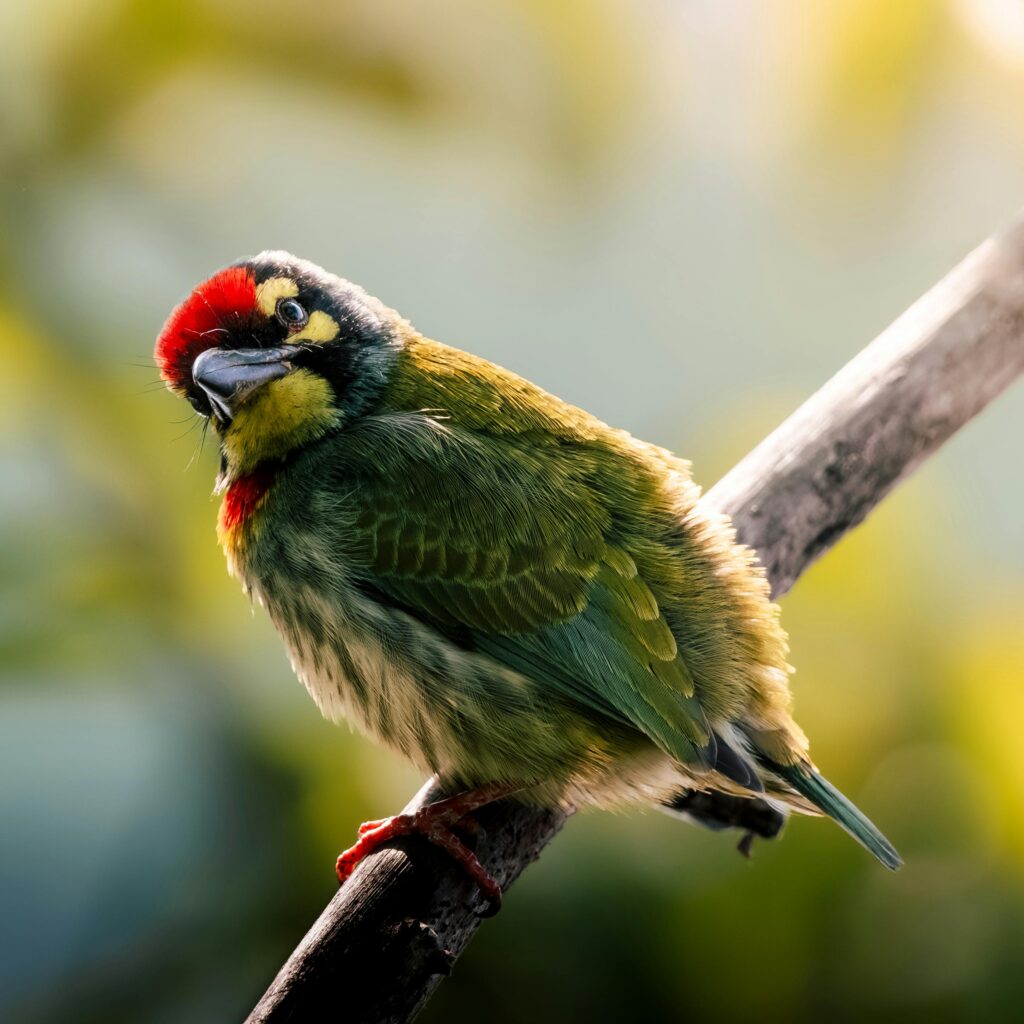
➤ The Coppersmith Barbet produces a rhythmic metallic “tuk-tuk-tuk,” similar to a hammer striking metal.
➤ The haunting whistle of the Malabar Whistling Thrush echoes through forest streams.
Over time, recognising calls will allow you to detect birds hidden within dense foliage.
Visit Different Bird Habitats
Different habitats support different bird species. Exploring multiple ecosystems helps you see greater diversity.
➤ Wetlands: Flamingos, pelicans, herons, and migratory ducks
➤ Forests: Flycatchers, woodpeckers, hornbills, and barbets
➤ Grasslands: Larks, pipits, and harriers
➤ Mangroves: Kingfishers, sandpipers, and waders
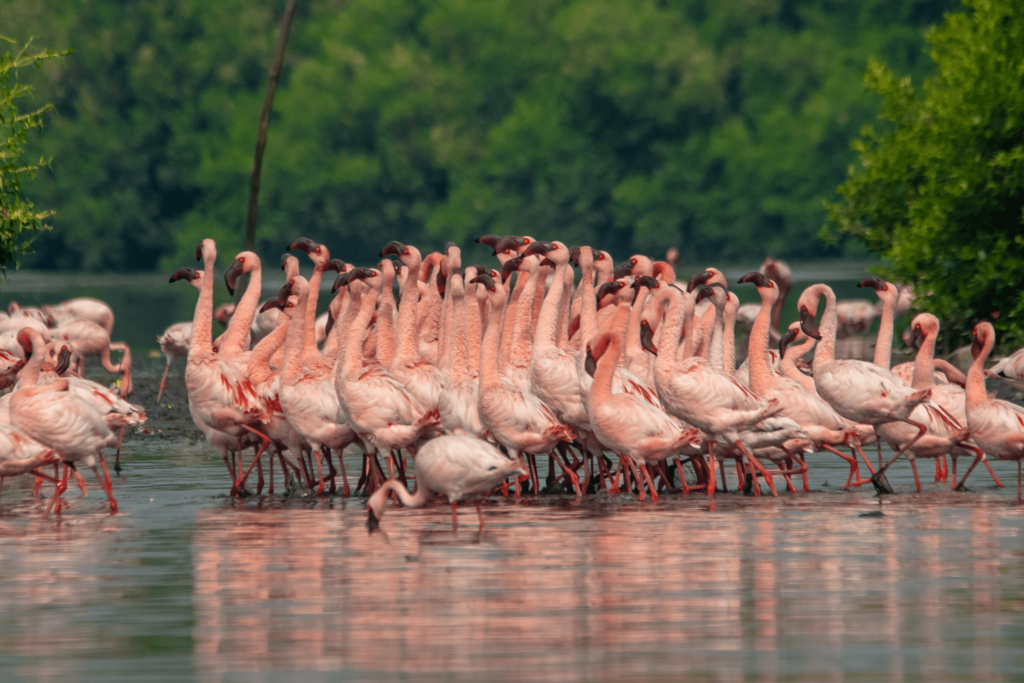
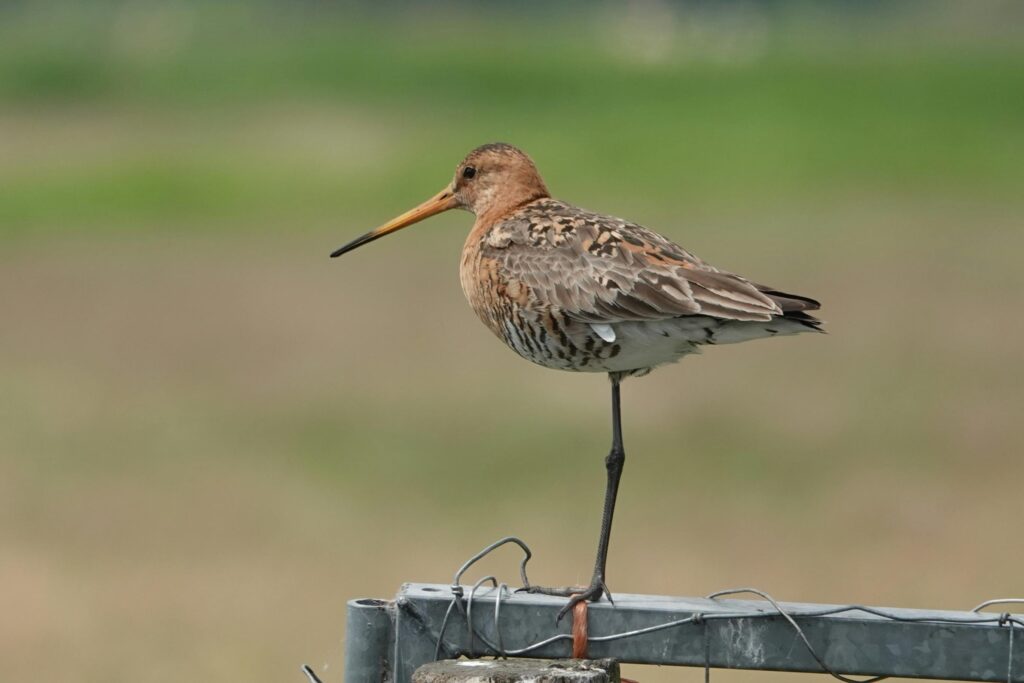
For example, wetlands around Maharashtra attract birds like the Lesser Flamingo and the Black-tailed Godwit during migration seasons.
Join Guided Bird Walks
One of the fastest ways to learn birdwatching is by joining guided bird walks led by experienced naturalists. These walks help beginners learn bird identification, bird calls, and field observation techniques.
We organize guided bird walks and birdwatching trails across diverse habitats, helping participants experience birdlife while learning from experts.
Some popular birding experiences include:
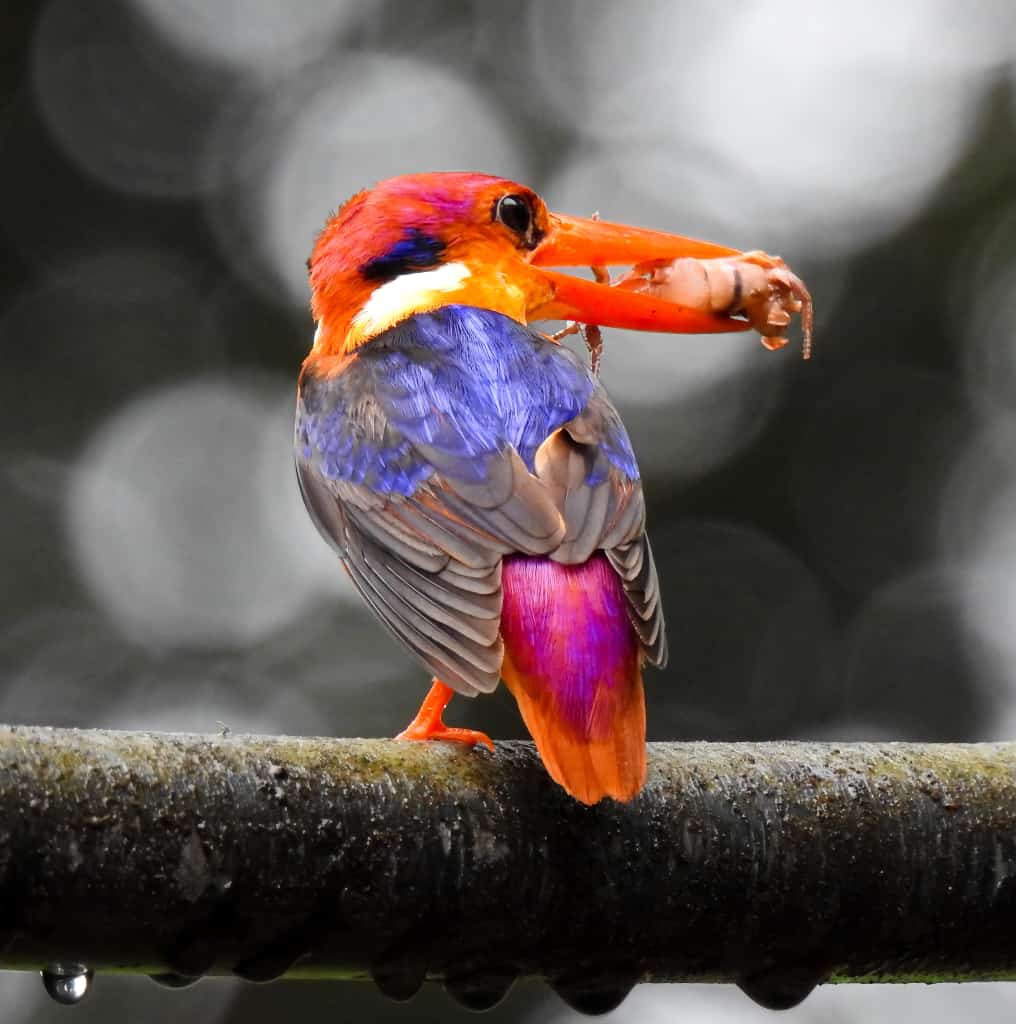
➤ Karnala Bird Sanctuary Birdwatching Trail – a Western Ghats forest known for species like the Oriental Dwarf Kingfisher, Indian Pitta, and Great Hornbill.
➤ Bhandup Pumping Station Birdwalk – a wetland habitat where birders can observe Lesser Flamingo, Northern Pintail, and wading birds.

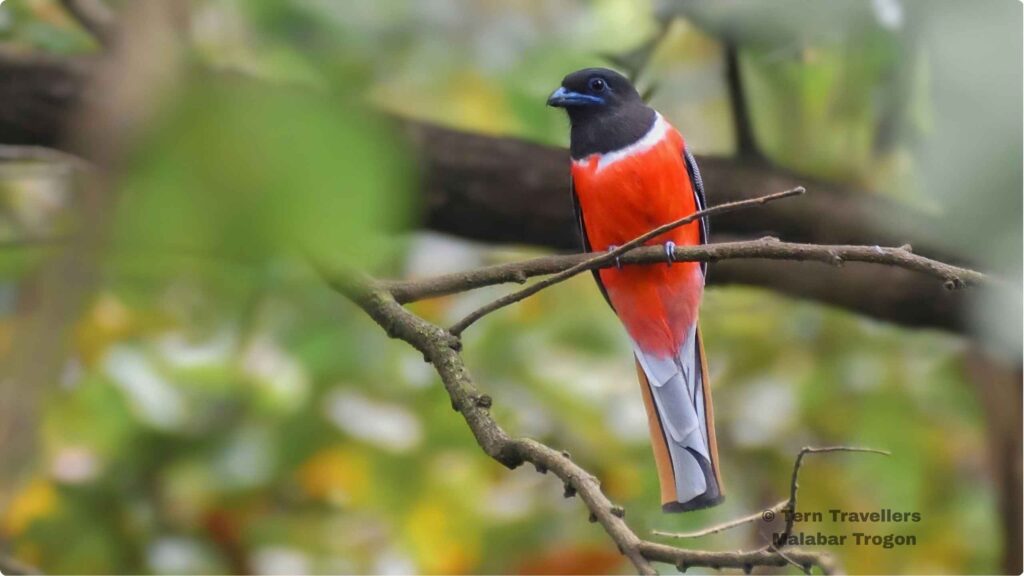
➤ Phansad Wildlife Sanctuary Birdwatching Trip – a peaceful coastal forest known for the Malabar Trogon, Heart-spotted Woodpecker, and Asian Paradise Flycatcher.
➤ Tansa Wildlife Sanctuary Birdwatching Trail – rich forest habitat supporting the Crested Serpent Eagle, junglefowl, and flycatchers.
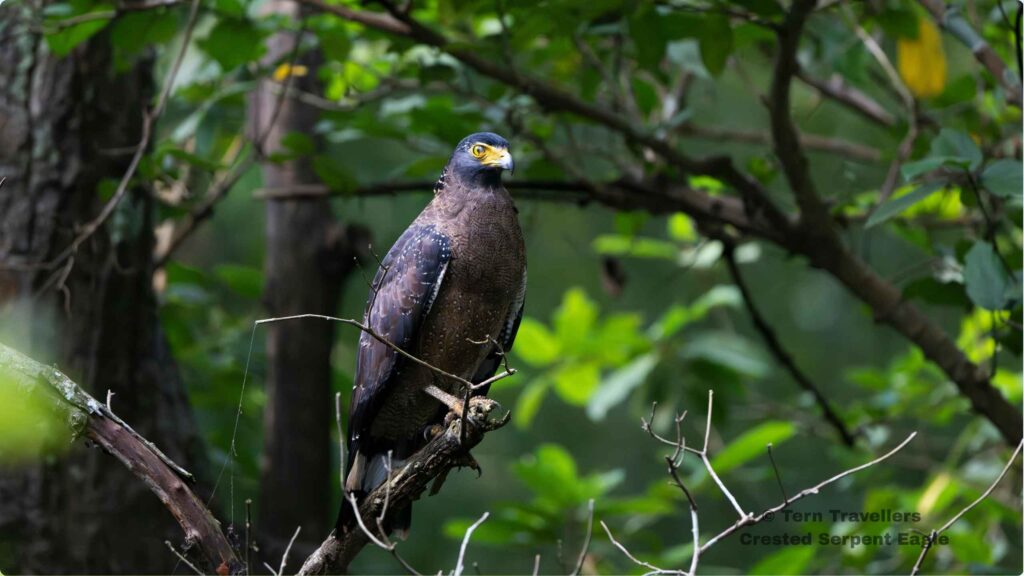
These guided walks are ideal for beginners who want to explore birding while understanding ecosystems and wildlife behaviour.
Practice Ethical Birdwatching
Responsible birdwatching ensures minimal disturbance to birds and their habitats.
Good birding ethics include:
➤ Maintaining distance from nests and breeding birds
➤ Avoiding loud noises or playback of bird calls
➤ Staying on designated trails
➤ Respecting forest and wildlife regulations
Protecting habitats ensures that birds continue to thrive for future generations.
Start Your Birdwatching Journey
Birdwatching is not just a hobby—it is a gateway to understanding nature. Every outing reveals something new, whether it is a migratory bird arriving from thousands of kilometres away or a forest bird singing hidden among the trees.
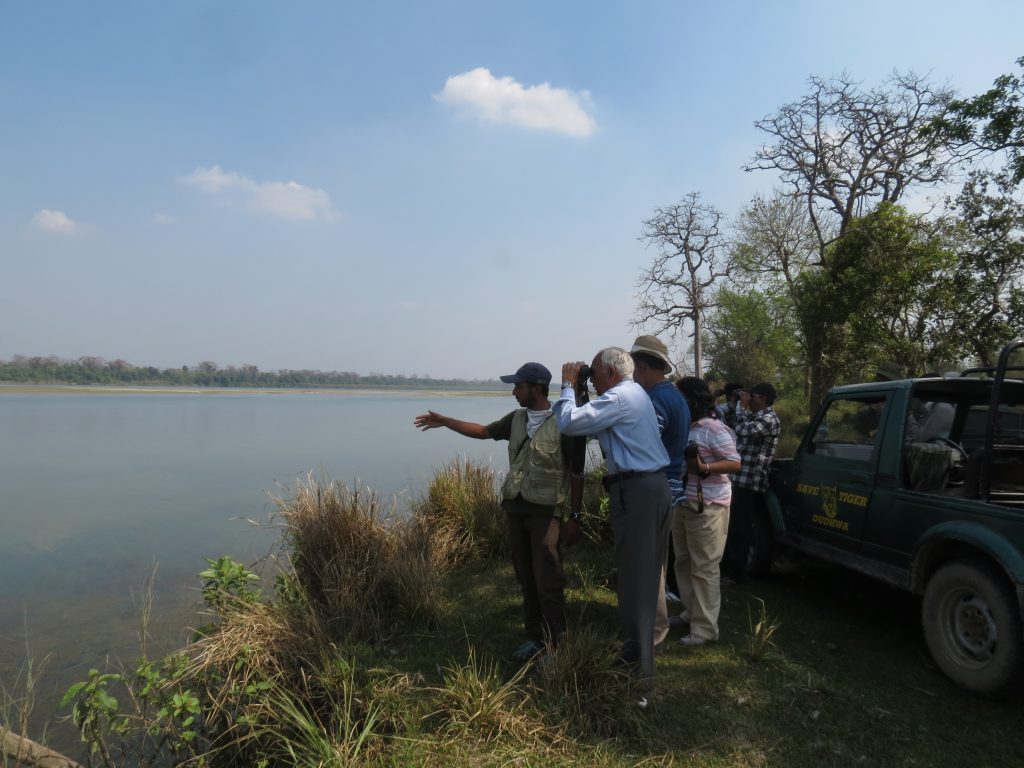
With patience, curiosity, and the right guidance, even your first birding trip can turn into a lifelong passion.
If you are looking to begin your birdwatching journey, The Tern Travellers offers guided bird walks, forest birding trails, and birdwatching expeditions across India, designed for beginners as well as experienced birders.
Discover the fascinating world of birds and experience nature through a new perspective.
Still reading? Explore more: Why Guided Bird Walks Are Better Than Exploring Alone, Best Birdwatching Destinations in India Every Birder Should Visit, Nature’s Greatest Teachers: Life Lessons We Learn from Birds