
A jungle safari in India is one of the most exciting wildlife experiences in the world. Home to the majestic Bengal Tiger, elusive Indian Leopard, powerful Asian Elephant, and hundreds of bird species, India’s forests offer extraordinary opportunities to witness wildlife in its natural habitat.
For first-time travellers, planning a safari can feel complicated. With multiple national parks, different safari zones, and seasonal wildlife patterns, it helps to understand how safaris work before choosing your destination. With the right planning, however, your first jungle safari can become an unforgettable adventure.
Understanding How Jungle Safaris Work in India
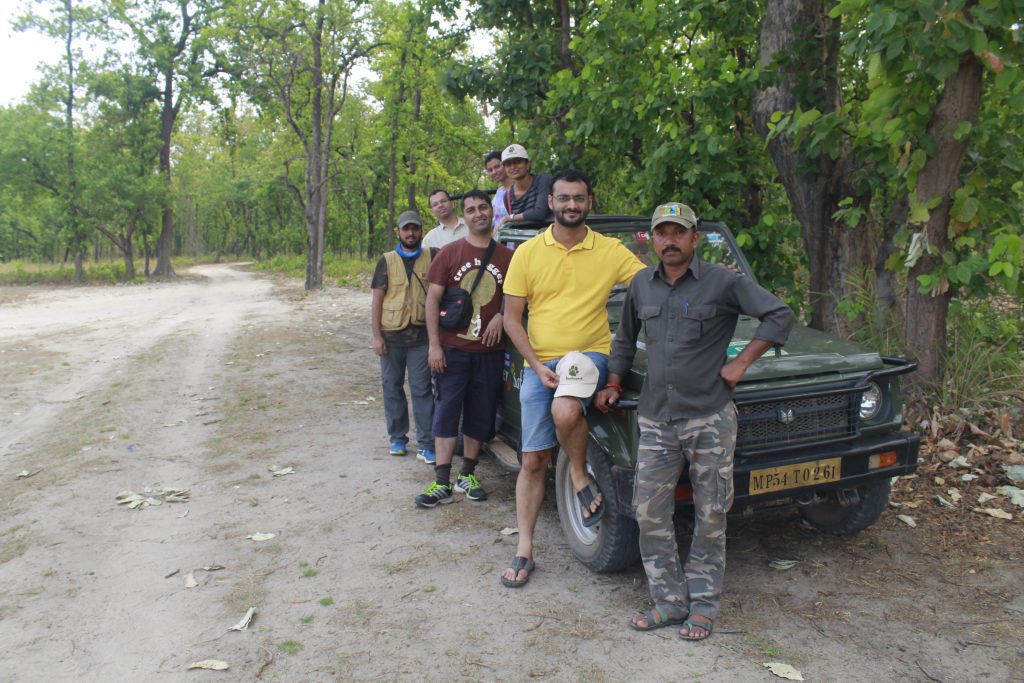
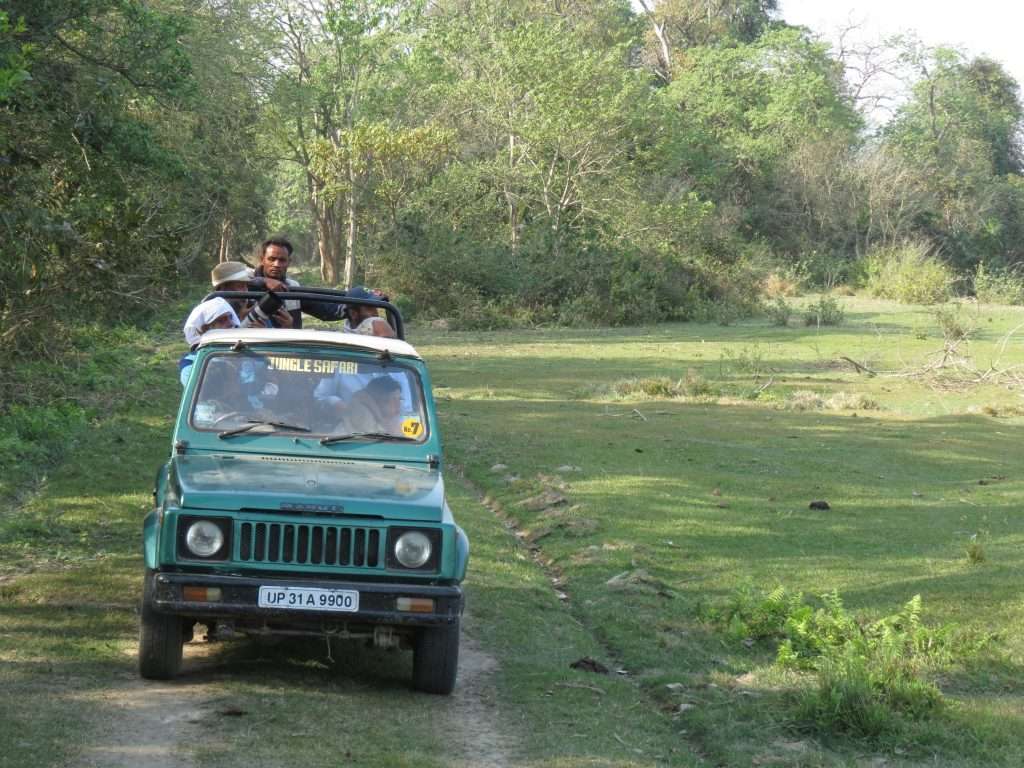
Safaris in India are carefully regulated by the forest department to protect wildlife and maintain ecological balance. Most national parks operate open jeep safaris that follow designated routes inside specific safari zones. Each zone allows only a limited number of vehicles during every safari session to reduce disturbance to wildlife.
Safaris usually take place twice daily. The morning safari begins shortly after sunrise and continues until late morning, while the afternoon safari starts later in the day and continues until sunset. These drives are conducted with a trained forest guide or naturalist who helps track animals and interpret animal behavior.
Because permits are limited and demand is high during peak seasons, booking safaris in advance is strongly recommended.
Choosing the Right National Park
India has more than fifty tiger reserves, but some parks are particularly suitable for travellers experiencing their first safari.
In Central India, reserves such as Tadoba-Andhari Tiger Reserve, Pench National Park, and Bandhavgarh National Park are among the most popular choices. These parks offer good road networks, healthy wildlife populations, and excellent opportunities for tiger sightings.
Travellers interested in exploring unique ecosystems may also consider destinations such as Dudhwa National Park, known for its Terai grasslands and swamp deer, or Nagarhole National Park, a Western Ghats forest famous for elephants, birds, and rich biodiversity.
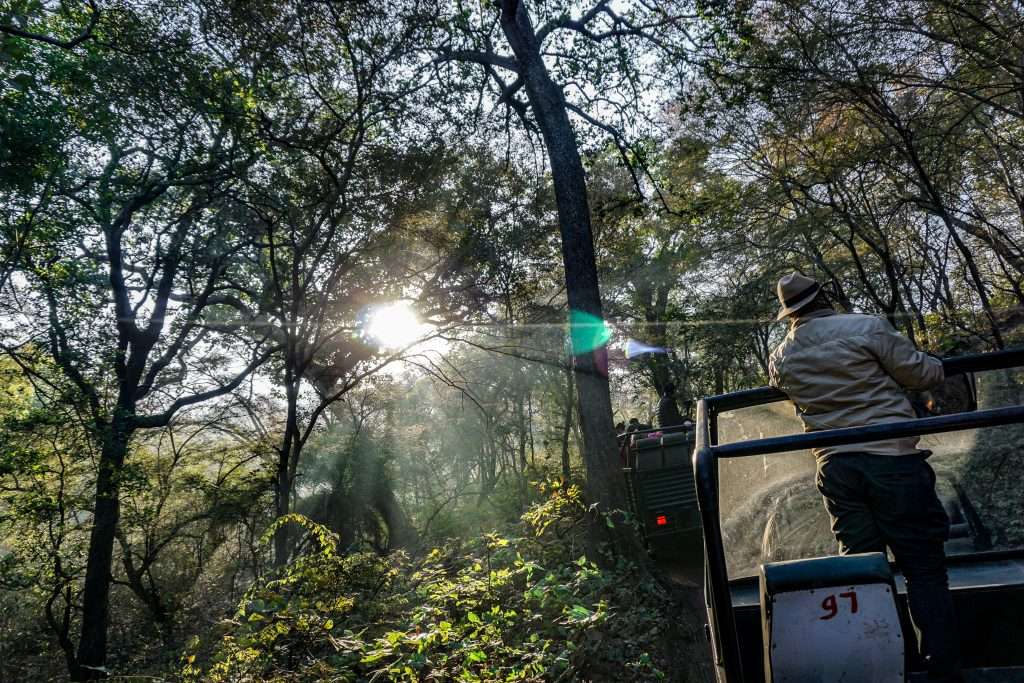
Choosing the right park depends on your interests, whether it is tiger sightings, birdwatching, landscape photography, or experiencing different ecosystems.
Read: Top National Parks in India for Wildlife Photography and Safari Experiences
Wildlife You May Encounter
Although many visitors hope to see tigers, India’s forests host a remarkable range of wildlife beyond the famous striped predator.
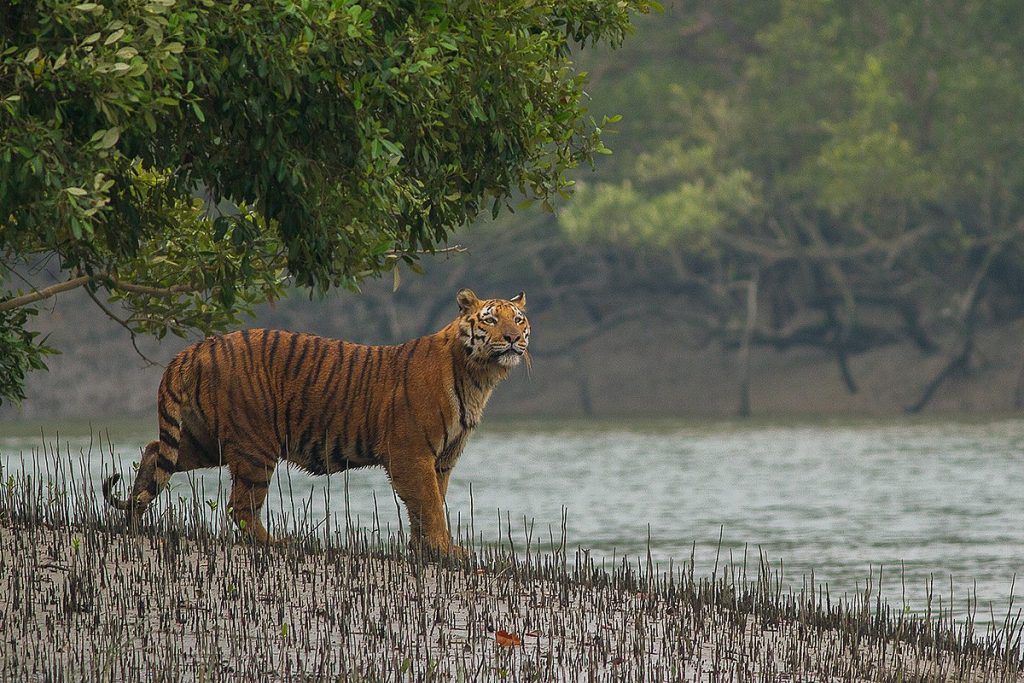
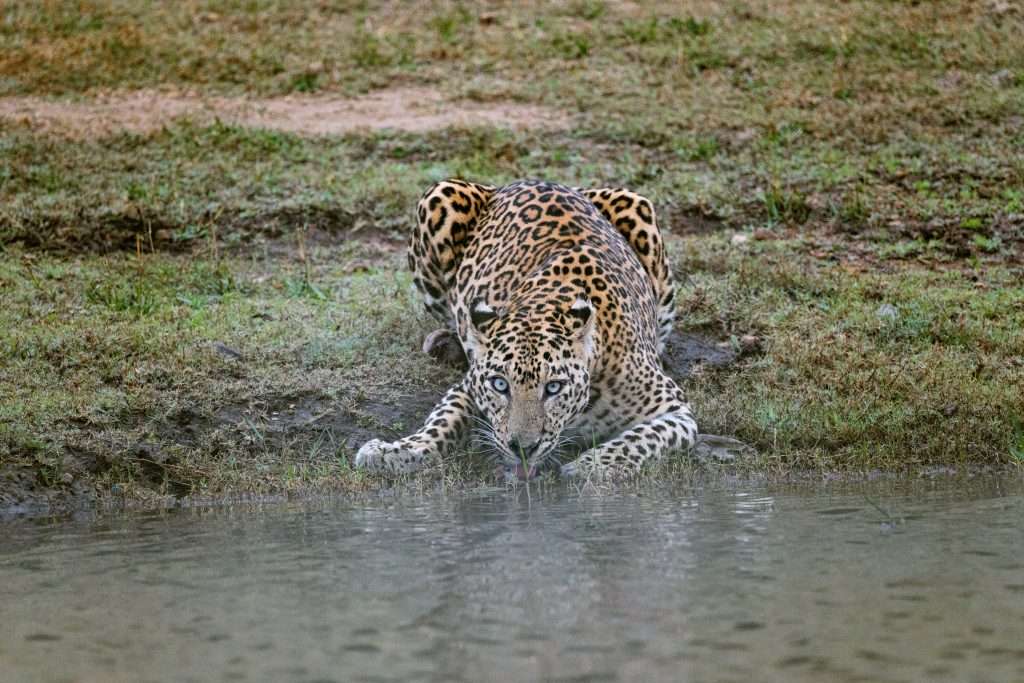
During a typical safari you may encounter species such as Bengal Tiger, Leopard, Dhole (Indian Wild Dog), Sloth Bear, Gaur, Sambar Deer, and Spotted Deer.
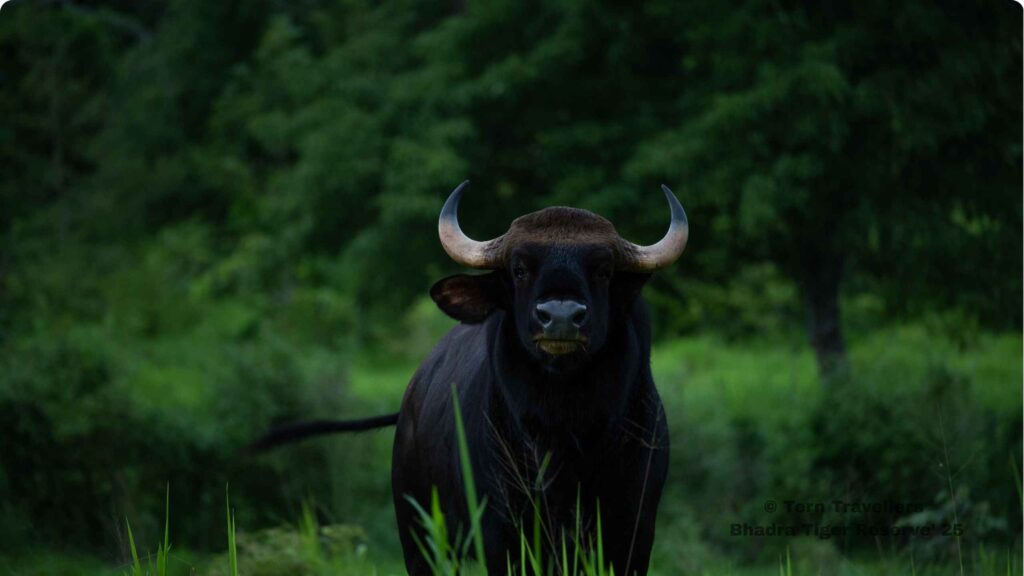
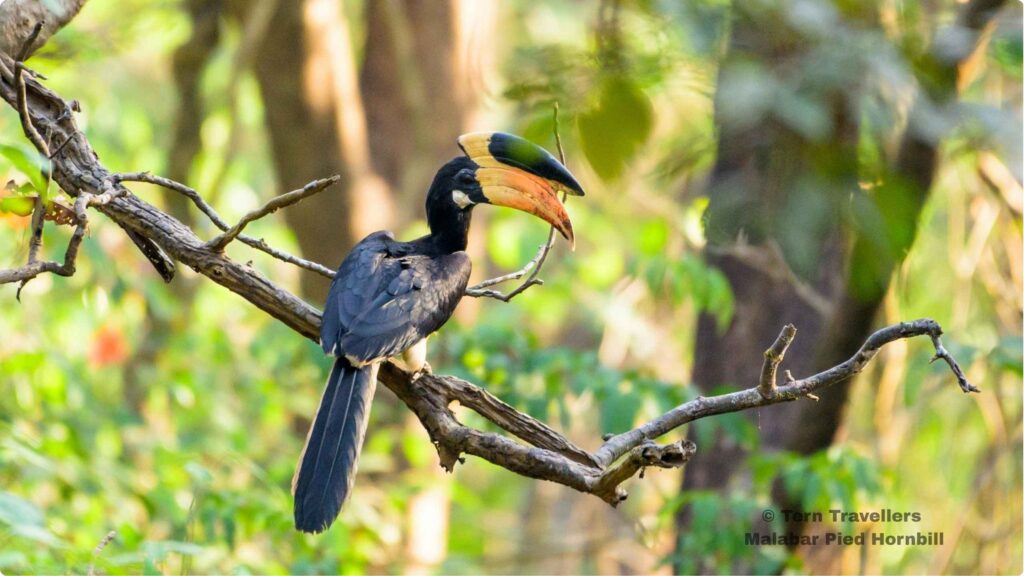
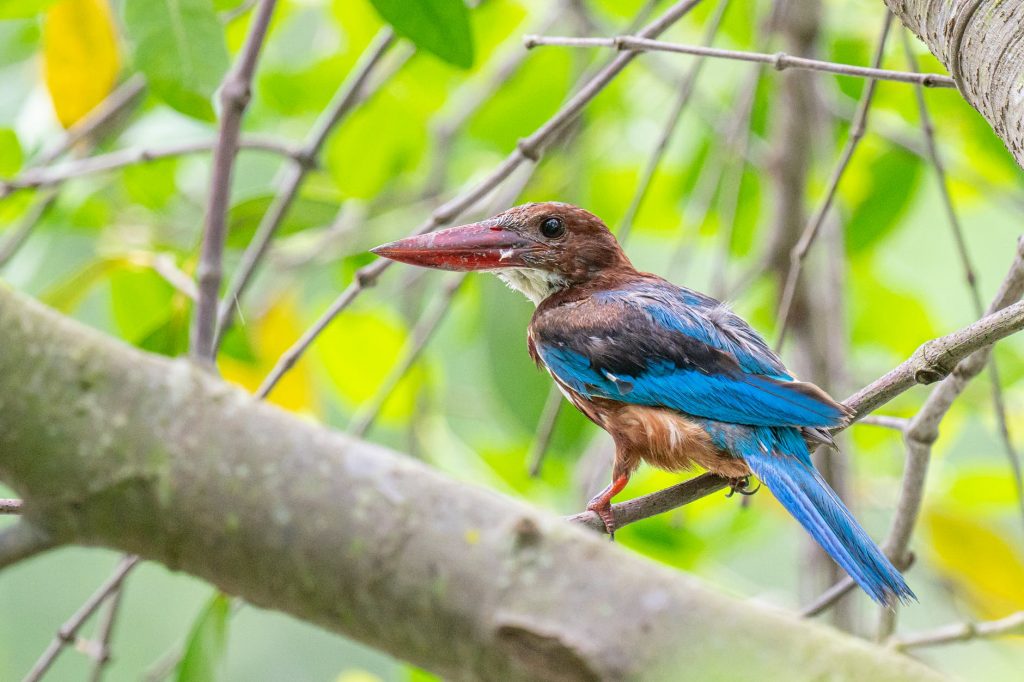
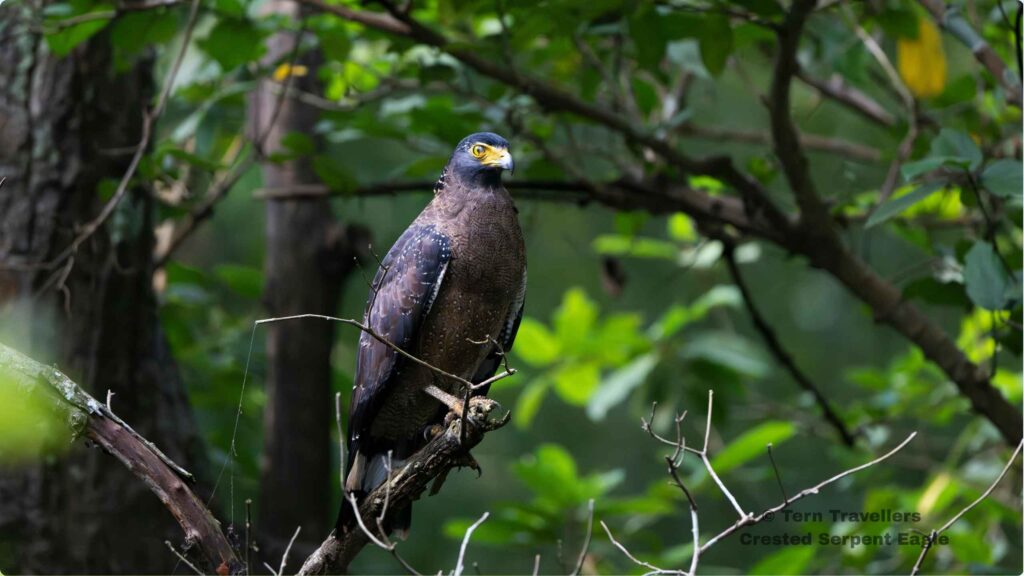
Birdlife is equally impressive. Many parks support more than 200 to 400 bird species including hornbills, kingfishers, owls, eagles, and migratory waterbirds. This diversity means that even if a tiger remains hidden, every safari still offers fascinating wildlife encounters.
Best Time for a Jungle Safari
The safari season across most Indian national parks runs between October and June, with each season offering different advantages.
Winter months from November to February provide pleasant temperatures and lush landscapes, making them ideal for birdwatching and comfortable safaris. Summer months between March and May are usually considered the best time for tiger sightings because animals gather near waterholes and thinning vegetation improves visibility.
Most parks remain closed during the monsoon season as forests receive heavy rainfall and wildlife enters breeding periods.
How Many Safaris Should You Plan?
Wildlife sightings depend on many natural factors including animal movement, weather, and habitat conditions. Because of this unpredictability, experienced travellers usually plan at least three to four safari drives during their stay.
Multiple safaris allow you to explore different zones and observe wildlife activity at different times of day, significantly increasing the chances of memorable sightings.
Responsible Wildlife Viewing
Respecting wildlife and following ethical safari practices is essential for protecting India’s forests.
Visitors should remain quiet during sightings, avoid littering, and never attempt to approach or disturb animals. Following instructions from forest guides ensures both visitor safety and minimal disturbance to wildlife.
Responsible tourism plays a vital role in supporting conservation efforts and protecting these ecosystems for future generations.
Read: Responsible Wildlife Tourism: A Guide to Ethical Travel and Conservation Impact
Why Guided Safari Expeditions Help
For first-time travellers, organizing permits, safari vehicles, and accommodations can be challenging. Guided wildlife expeditions simplify the process by handling logistics and providing experienced naturalists who understand animal behavior and habitats.
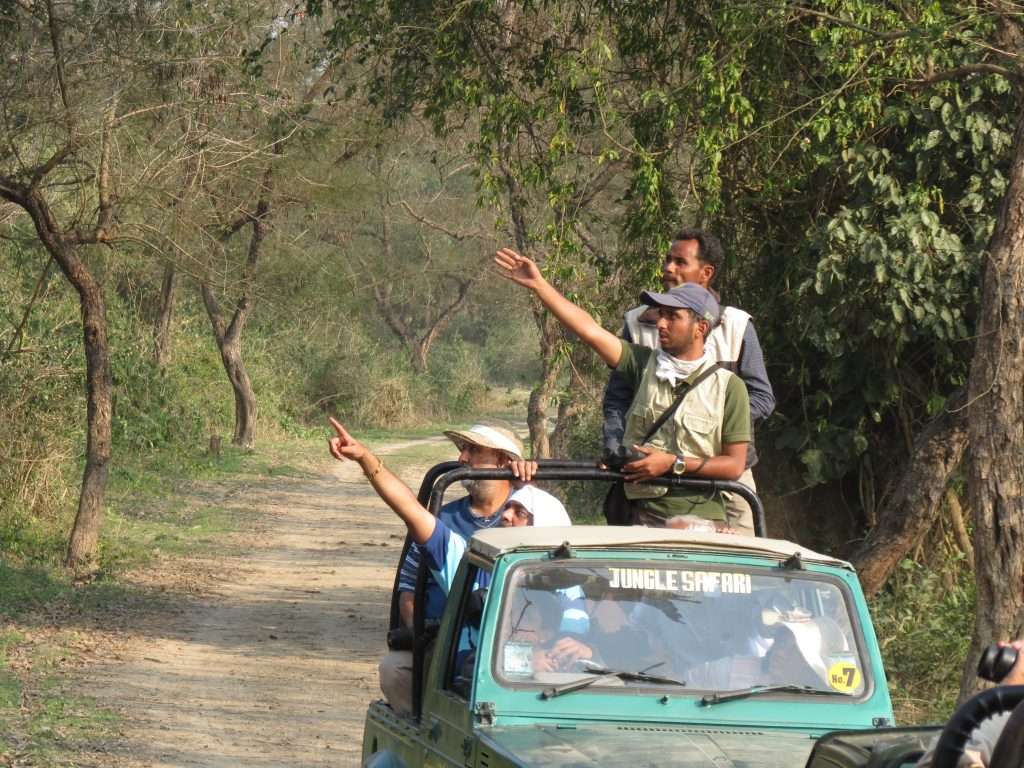
Well-planned expeditions often include carefully chosen safari zones, birdwatching sessions, and flexible schedules designed to maximize wildlife opportunities.
Read: Why Guided Nature Trails Reveal More Wildlife Than Regular Trekking
Final Thoughts
A jungle safari in India is much more than simply searching for a tiger. It is about immersing yourself in the sounds, scents, and rhythms of the forest — listening to alarm calls echo through the trees, watching birds move across the canopy, and witnessing nature unfold in its purest form.
For many travellers, their first safari becomes the beginning of a lifelong fascination with wildlife and conservation.
Begin Your Jungle Safari Journey 🌿🐅
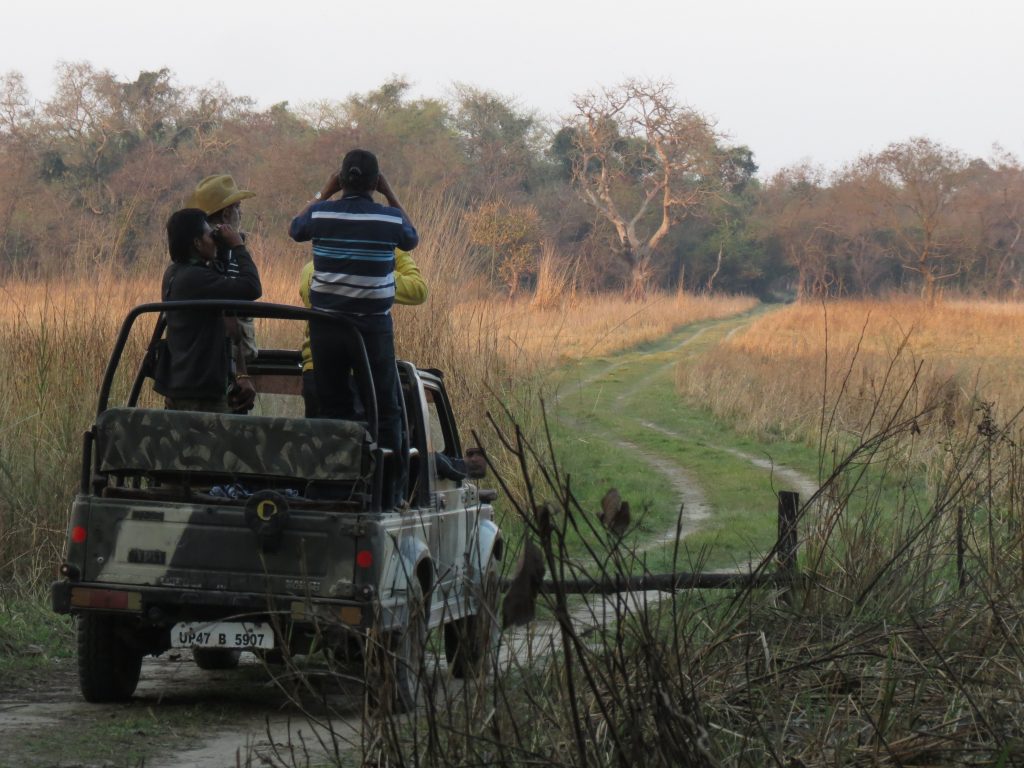
India’s national parks offer extraordinary wildlife experiences — from tracking tigers in Tadoba-Andhari Tiger Reserve to exploring the forests of Pench National Park, photographing wildlife in Bandhavgarh National Park, or discovering the biodiversity of Nagarhole National Park.
Thoughtfully planned wildlife journeys allow travellers to experience these landscapes more deeply with expert naturalists, carefully selected safari zones, and itineraries designed around wildlife movement.
Continue exploring: Best Tiger Safaris in India for First-Time Wildlife Travelers, Things You Can Learn on a Forest Walk: Trees, Birds, Insects and Ecosystems