
From silent forest trails to vast wetlands and open skies, birds are everywhere—but not all birds are built the same.
Each habitat creates its own challenges, and over time, birds have evolved unique features, behaviours, and activity patterns to survive and thrive in these environments.
Understanding bird habitats not only makes birdwatching more exciting—but also helps you predict where and when to spot different species.
Let’s break it down.
Why Bird Habitats Matter
Birds are highly adapted to their surroundings. Their body structure, feeding habits, flight style, and even active hours are shaped by where they live.
This is why you’ll rarely see the same type of bird in completely different environments.
Before we explore each habitat in detail, here’s a quick overview.
Major Bird Habitats & Their Adaptations
➤ Wetland Birds – Built for water, wading, and swimming
➤ Forest Birds – Agile and adapted for dense vegetation
➤ Grassland Birds – Designed for camouflage and endurance
➤ Raptors (Birds of Prey) – Masters of soaring and hunting
➤ Aerial Birds – Experts of continuous flight and open skies
➤ Coastal & Seabirds – Adapted to saltwater and long-distance travel
Wetland Birds – Life Around Water
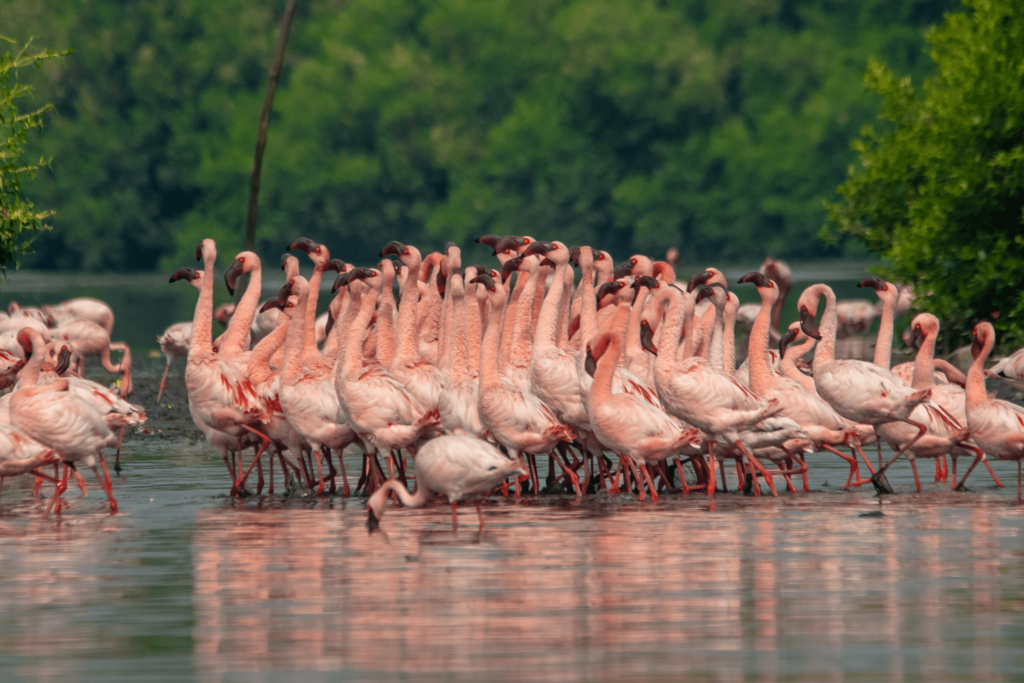
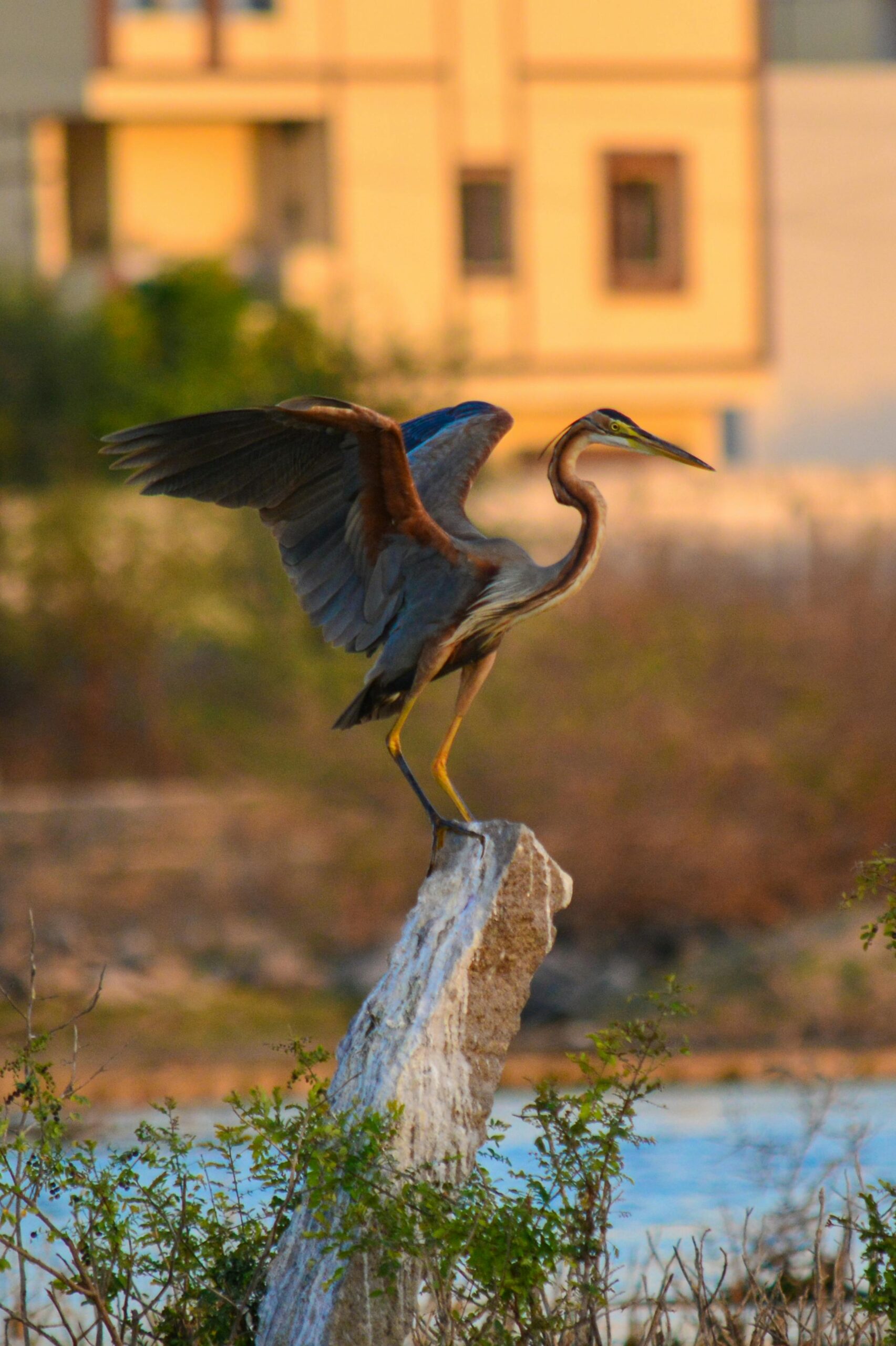
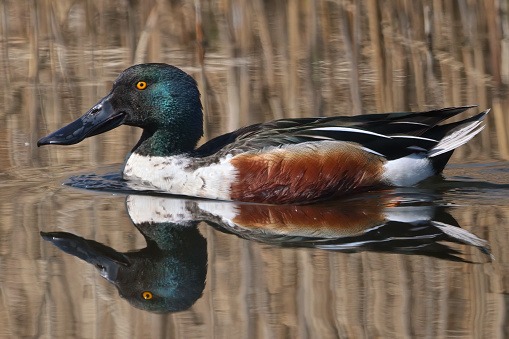
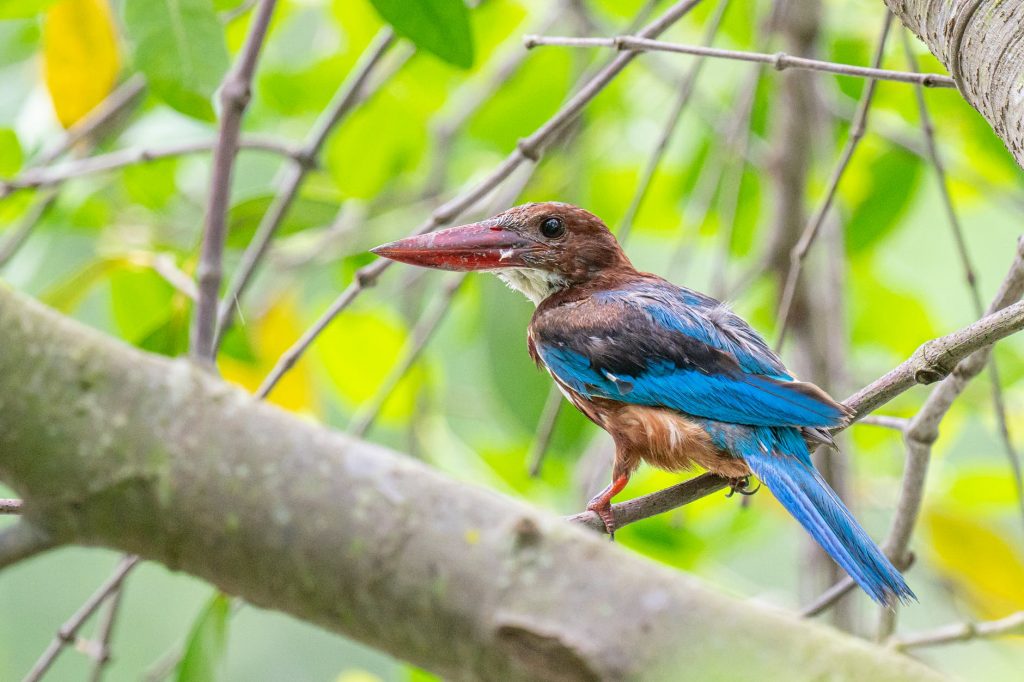
Wetlands are among the richest ecosystems for birdlife—lakes, marshes, mangroves, and estuaries attract a wide variety of species.
Environment:
Shallow water bodies, muddy edges, and aquatic vegetation
Best Time to Spot:
Early mornings and late evenings (feeding time)
Common Species:
➤ Flamingos
➤ Herons
➤ Egrets
➤ Ducks
➤ Kingfishers
Unique Features:
➤ Long legs for wading in water
➤ Webbed feet for swimming
➤ Long or specialised beaks for catching fish
These birds are often seen feeding, standing still in water, or flying low across wetlands.
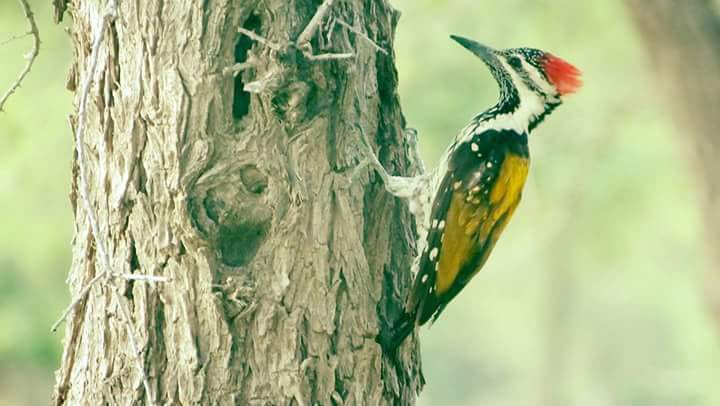
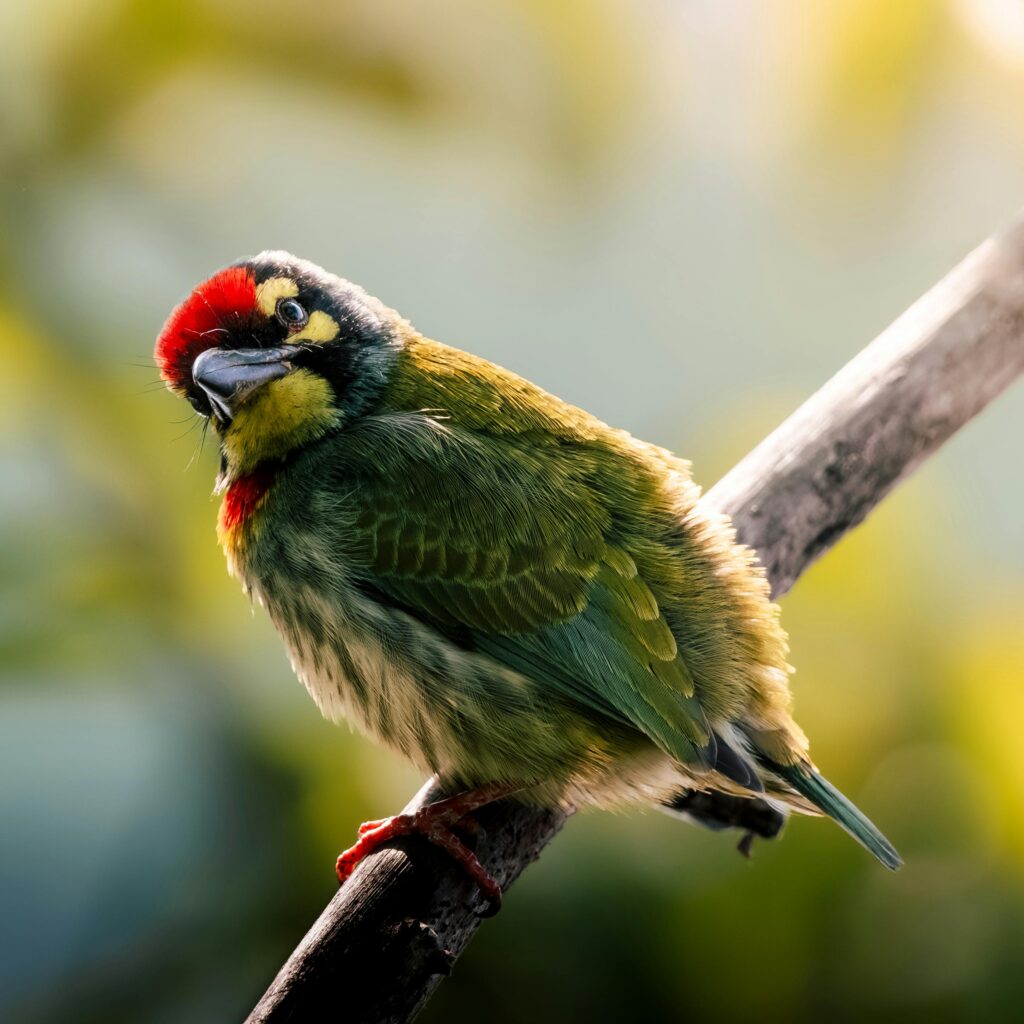
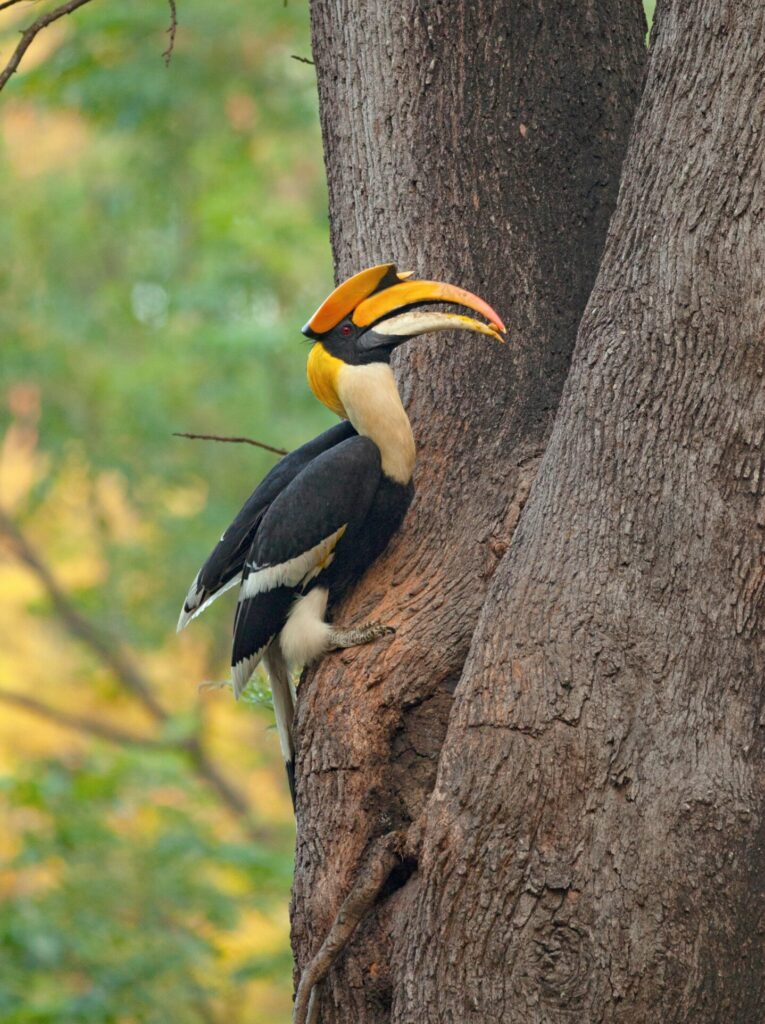
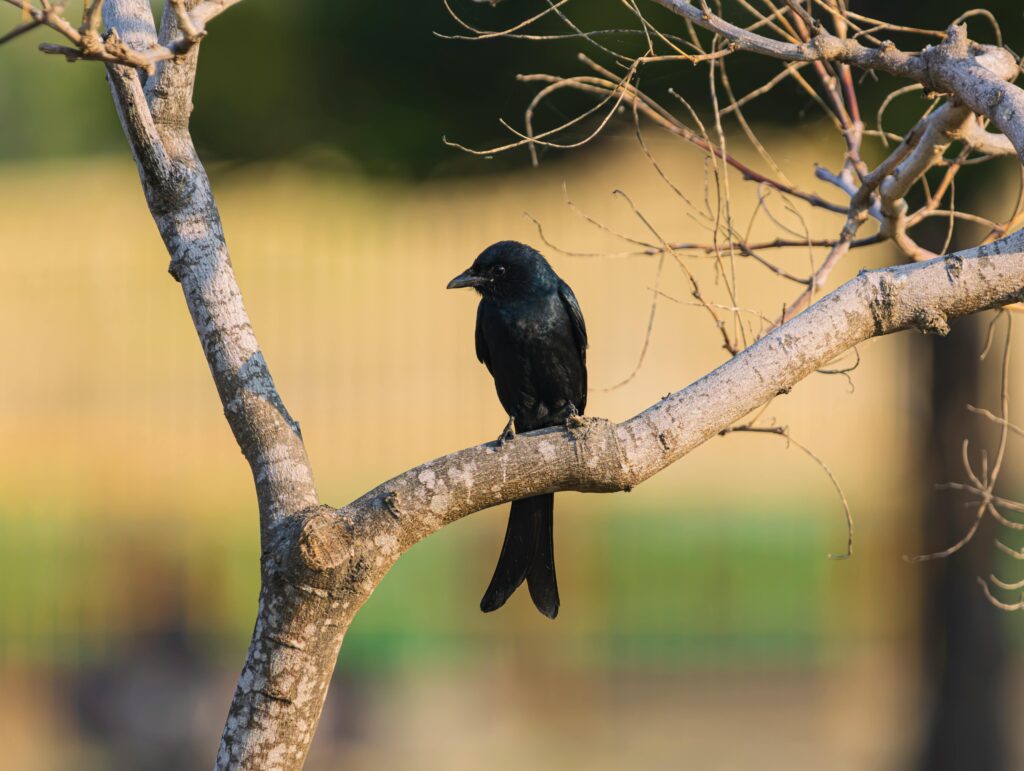
Forest Birds – Masters of Movement
Forests demand agility. Birds here must navigate through dense trees, branches, and foliage.
Environment:
Dense vegetation, tree canopies, shaded forest floors
Best Time to Spot:
Early morning (highest activity and bird calls)
Common Species:
➤ Woodpeckers
➤ Barbets
➤ Hornbills
➤ Drongos
➤ Sunbirds
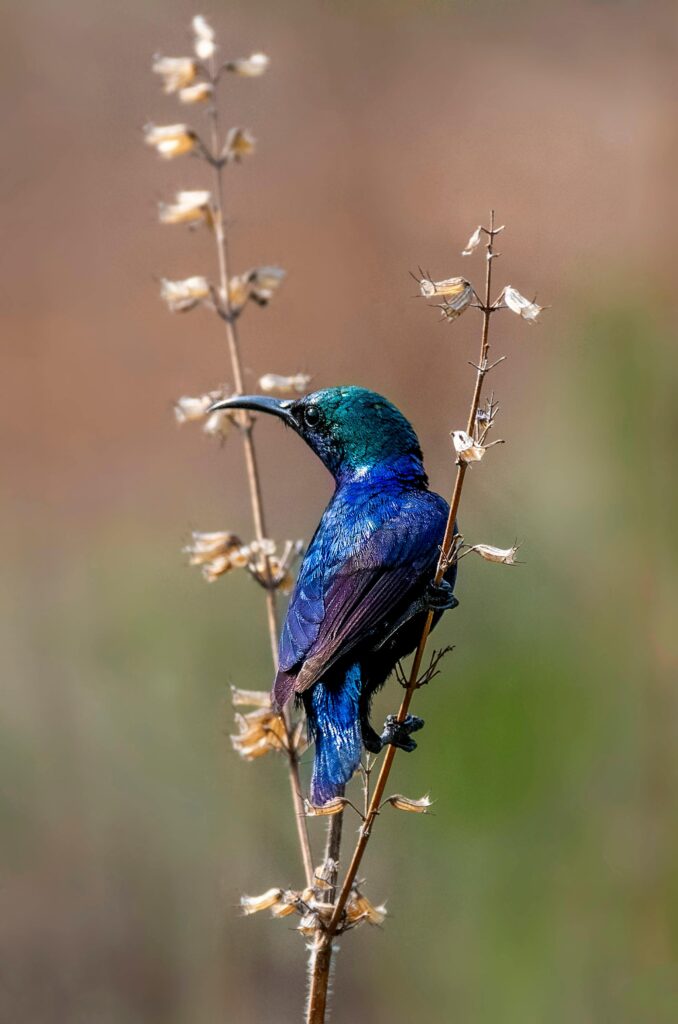
Unique Features:
➤ Strong claws for gripping branches
➤ Short, rounded wings for quick movement
➤ Camouflage colours to blend into surroundings
Forest birds are often heard before they are seen.
Grassland Birds – Hidden in Plain Sight
Grasslands may look open, but they are one of the most challenging habitats for birds due to exposure and predators.
Environment:
Open fields, scrublands, dry grass areas
Best Time to Spot:
Early morning and late afternoon
Common Species:
➤ Larks
➤ Lapwings
➤ Bustards
➤ Quails

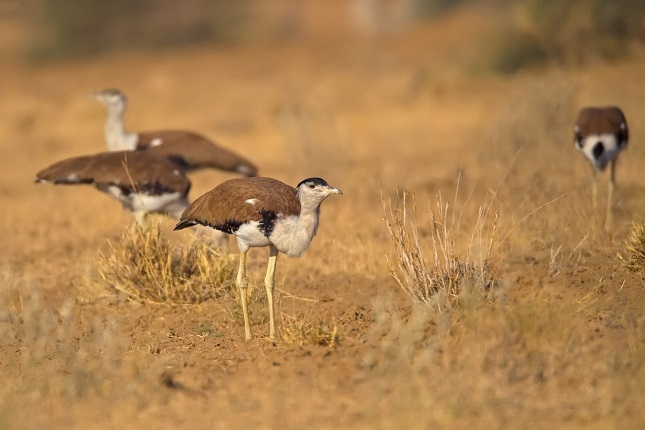
Unique Features:
➤ Camouflaged plumage matching dry grass
➤ Strong legs for running
➤ Ground-nesting behaviour
Spotting these birds requires patience—they blend almost perfectly into their environment.
Raptors – Kings of the Sky
Raptors are birds of prey, known for their sharp vision and powerful flight.
Environment:
Mountains, cliffs, open skies, and even urban areas
Best Time to Spot:
Late morning to afternoon (when thermals are strong)
Common Species:
➤ Eagles
➤ Hawks
➤ Kites
➤ Vultures
➤ Falcons
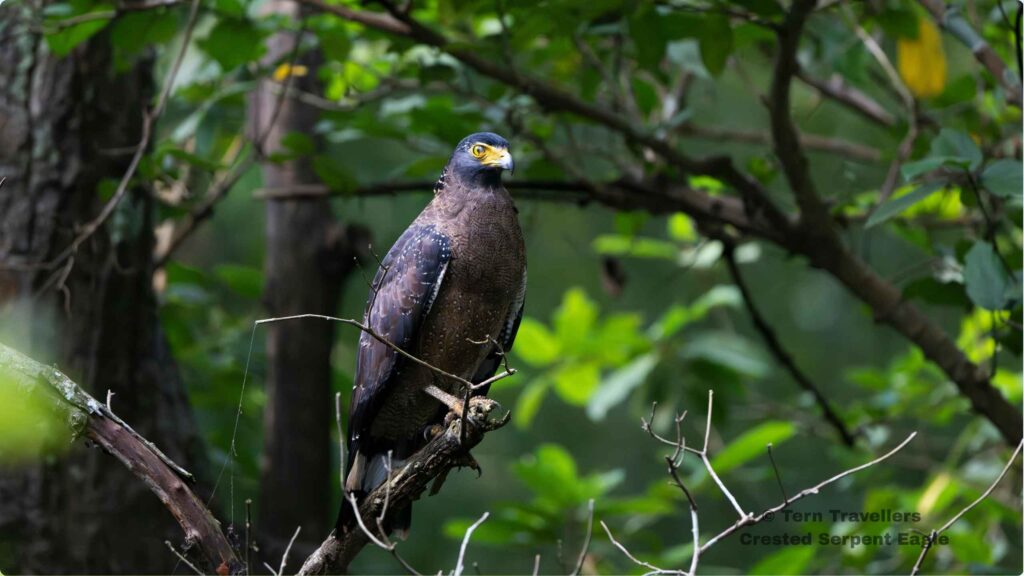

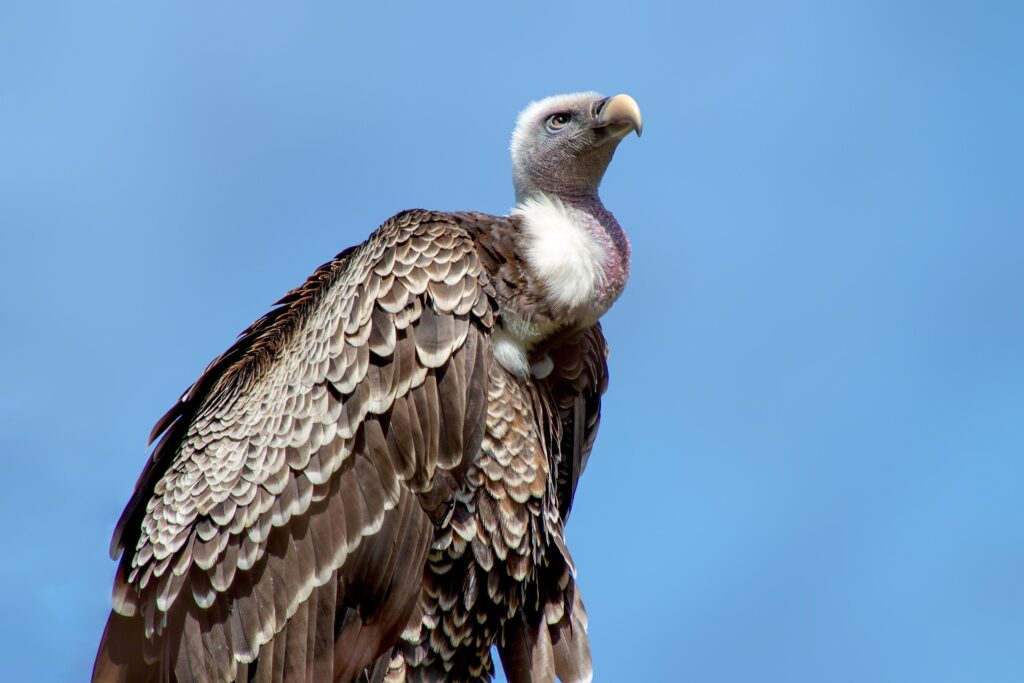

Unique Features:
➤ Sharp talons for hunting
➤ Hooked beaks for tearing flesh
➤ Broad wings for soaring on air currents
They are often seen gliding effortlessly at great heights.
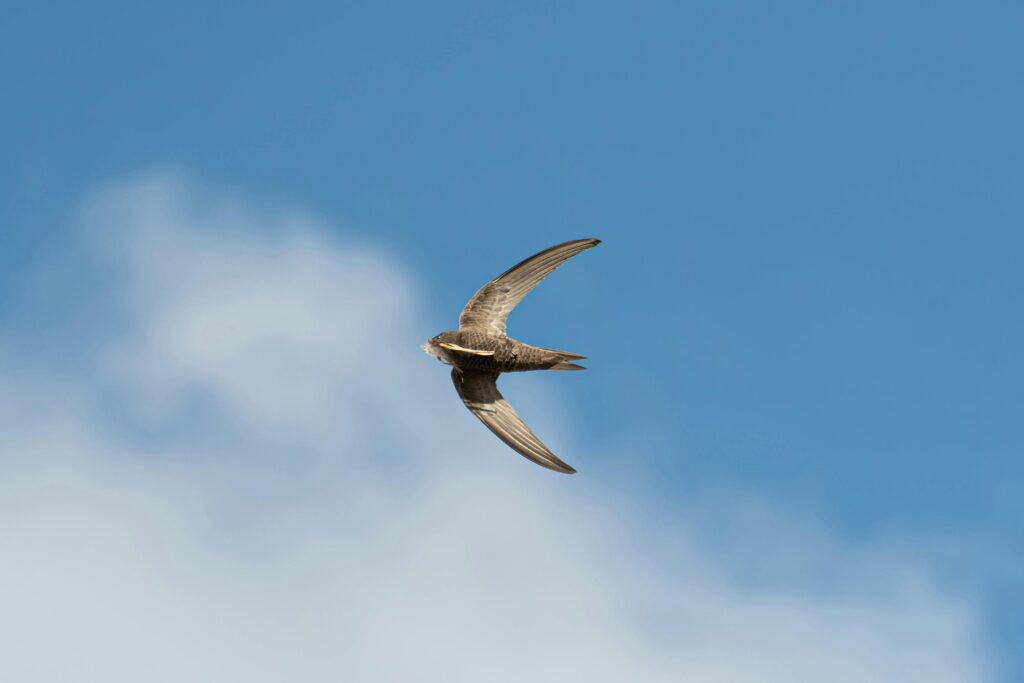
Aerial Birds – Life in the Open Sky
Some birds spend most of their lives in flight, rarely landing except to rest or breed.
Environment:
Open skies, urban areas, cliffs
Best Time to Spot:
Throughout the day, especially mornings and evenings
Common Species:
➤ Swifts
➤ Swallows
➤ Martins
Unique Features:
➤ Long, narrow wings for sustained flight
➤ Lightweight bodies
➤ Exceptional aerial agility
These birds catch insects mid-air and are constantly on the move.
Coastal & Seabirds – Surviving the Shores
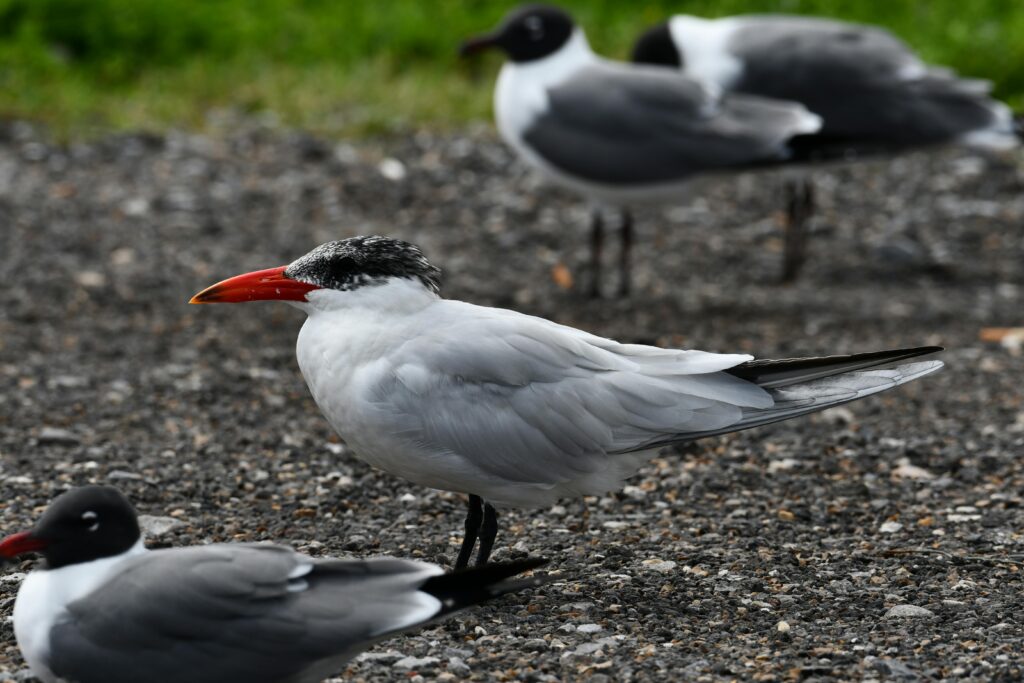
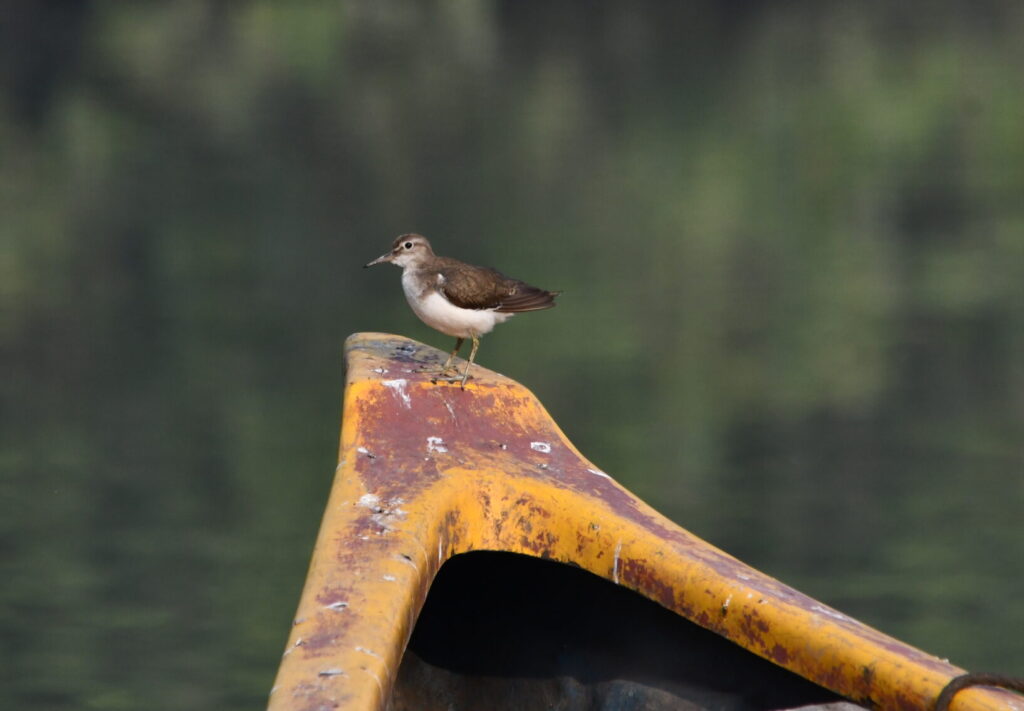
Coastal birds are adapted to life near oceans, where conditions can be harsh and unpredictable.
Environment:
Beaches, coastlines, estuaries, salt pans
Best Time to Spot:
Early mornings and during low tide
Common Species:
➤ Gulls
➤ Terns
➤ Sandpipers
➤ Plovers
Unique Features:
➤ Salt tolerance
➤ Strong wings for long-distance travel
➤ Sharp eyesight for spotting prey in water
Many of these birds are migratory, travelling thousands of kilometres.
Why Understanding Habitats Makes You a Better Birder
Once you understand habitats, birdwatching becomes much easier—and more exciting.
Instead of randomly searching, you start predicting:
➤ Where a bird is likely to be found
➤ What time it will be active
➤ How it will behave
It turns birding from luck into skill.
Experience Bird Habitats in Real Life
Reading about habitats is helpful—but experiencing them is something else.
Whether it’s watching flamingos in wetlands or spotting raptors soaring above, each habitat offers a completely different perspective of nature.
And once you start noticing these differences, every walk outdoors becomes more meaningful.
Join Our Guided Nature Walks
Explore wetlands, forests, and coastal ecosystems around Mumbai with expert naturalists and discover birds in their natural habitats.
Enjoyed reading? Explore more: Beginner’s Guide to Birdwatching, Best Birdwatching Destinations in India, Why Guided Bird Walks Are Better Than Exploring Alone, Ultimate Birdwatching Checklist