
Wildlife safaris are among the most exciting ways to experience nature. From tracking a tiger through the forest to observing rare birds in their natural habitat, every safari offers moments of discovery and excitement. However, the quality of the experience often depends on the group size.
Small group wildlife expeditions have become increasingly popular among wildlife travellers, photographers, and nature enthusiasts. Smaller groups allow participants to observe wildlife more closely, learn from expert naturalists, and experience forests in a quieter and more immersive way.
Whether you are exploring a tiger reserve or joining a birding trail near Mumbai, small group wildlife expeditions offer significantly better safari experiences compared to large tour groups.
Better Wildlife Sightings and Observation Opportunities
Wild animals are highly sensitive to noise and disturbance. Large groups often create more movement and sound, which can cause animals to retreat deeper into the forest.
Small groups move more quietly and patiently, increasing the chances of observing wildlife behaving naturally.
For example, during a safari in Tadoba-Andhari Tiger Reserve, a smaller group may be able to quietly observe a Bengal tiger resting near a waterhole or watch wild dogs coordinating a hunt. In birding habitats such as Karnala Bird Sanctuary, smaller groups are more likely to detect shy species like the Malabar Whistling Thrush or Asian Paradise Flycatcher without disturbing them.
Some wildlife species that are easier to observe in smaller groups include:
➤ Bengal Tigers
➤ Indian Leopards
➤ Sloth Bears
➤ Wild Dogs (Dholes)
➤ Malabar Giant Squirrels
➤ Hornbills and Woodpeckers
➤ Rare forest birds such as Indian Pitta and Paradise Flycatcher
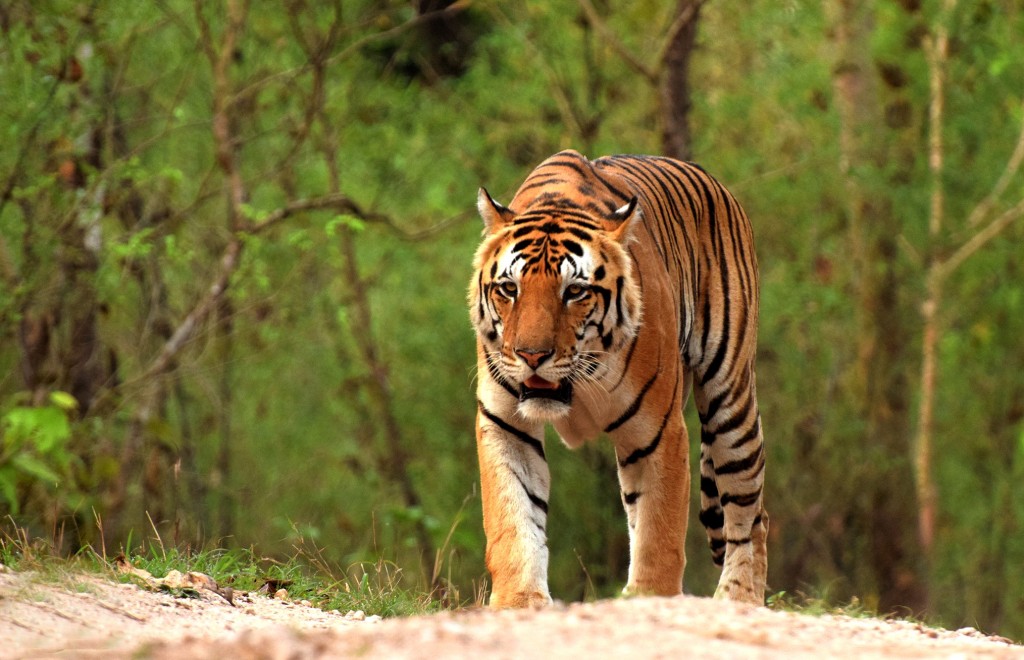
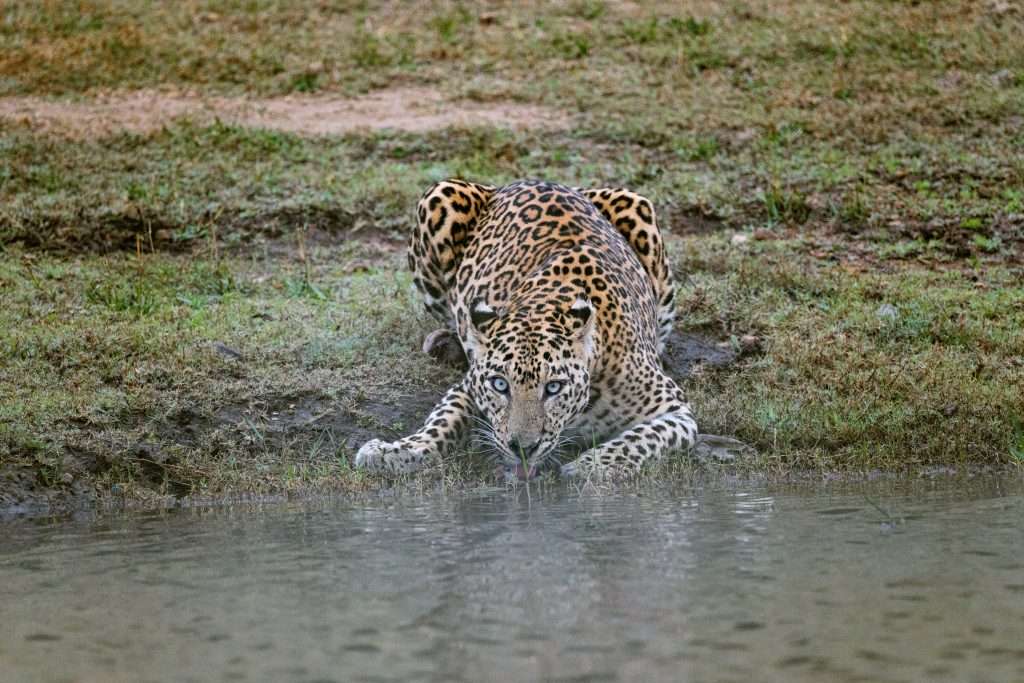
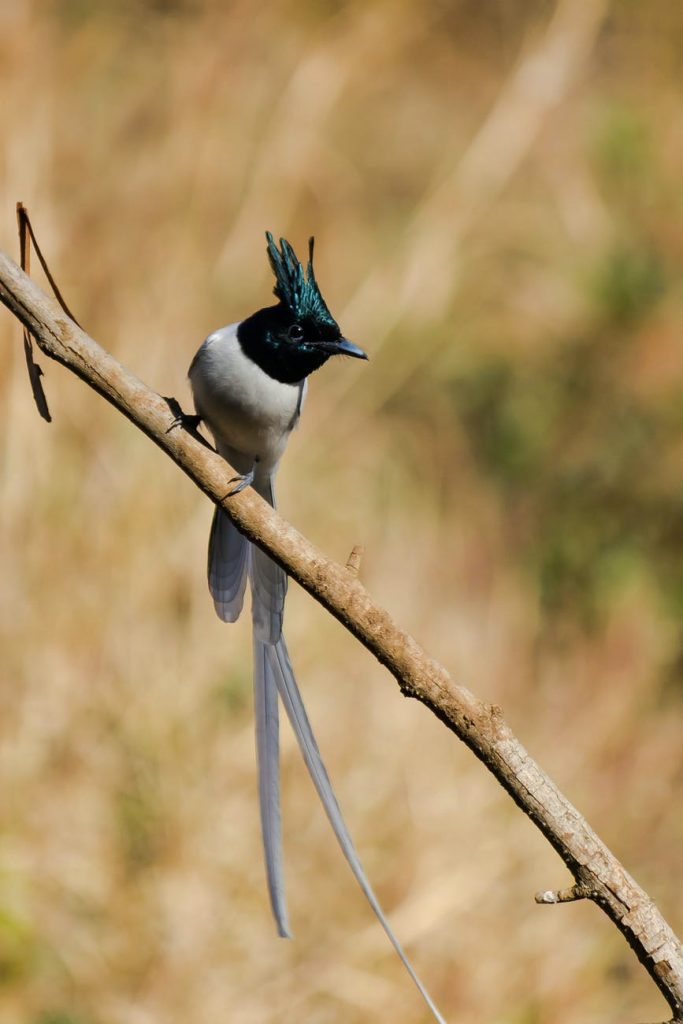
When disturbance is minimal, wildlife tends to stay visible for longer periods, creating more memorable sightings.
More Personal Interaction with Naturalists
One of the biggest advantages of small group expeditions is the direct interaction with experienced naturalists. In large groups, it can be difficult to ask questions or receive individual attention.
In smaller groups, participants can learn about:
➤ Bird calls and identification techniques
➤ Animal behaviour and tracking signs
➤ Forest ecology and seasonal wildlife patterns
➤ Photography techniques for wildlife and birds
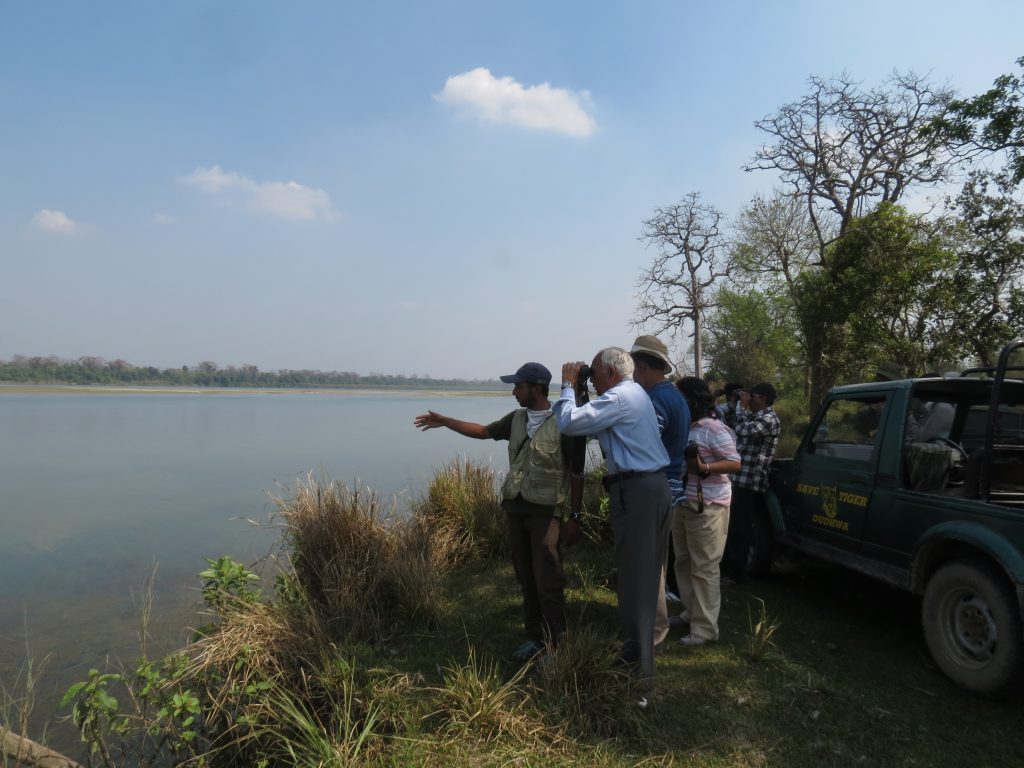
Naturalists often share fascinating insights about species behaviour. For example, they may explain how langur alarm calls can indicate the presence of a leopard, or how bird calls from drongos and treepies can signal predator movement in the forest.
This educational element transforms a safari from a simple sightseeing activity into a deep learning experience about wildlife and ecosystems.
Better Wildlife Photography Opportunities
For wildlife photographers, space and positioning during safaris are extremely important. In smaller groups, photographers often have better angles and more flexibility when positioning their cameras.
Large groups sometimes restrict movement and viewing angles, while smaller groups allow photographers to take time composing their shots.
Wildlife photographers often capture remarkable moments such as:
➤ A tiger walking along a forest track
➤ A crested serpent eagle perched on a branch
➤ A Malabar giant squirrel feeding in the canopy
➤ A pair of hornbills flying across the forest
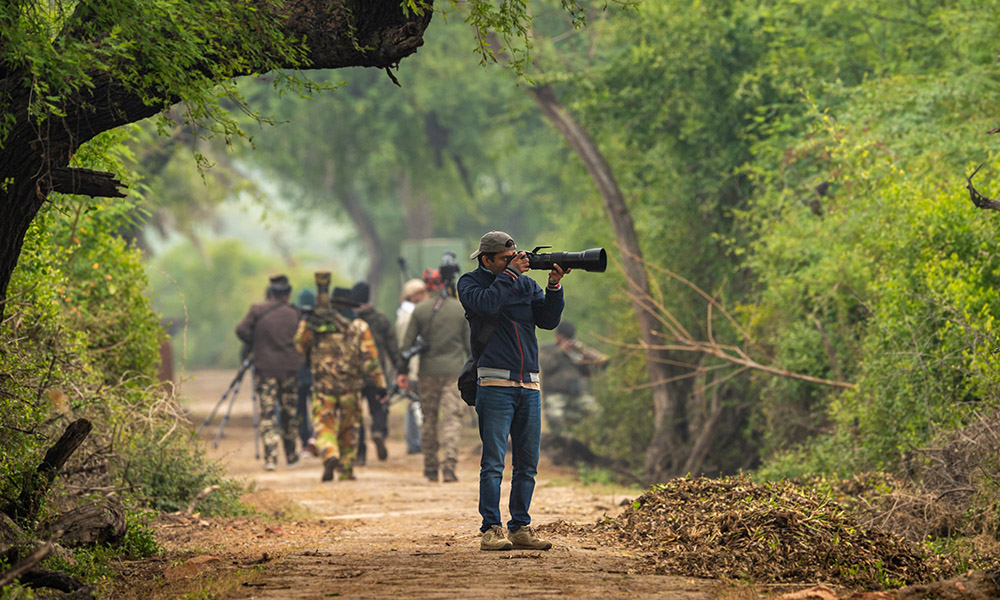
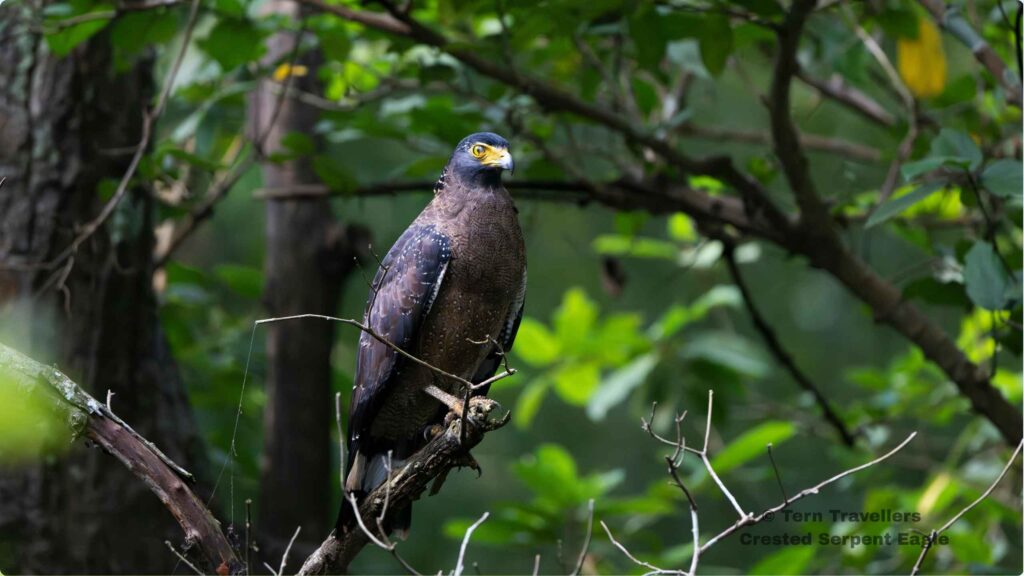
Because fewer people are competing for the same view, photographers can focus on capturing behaviour, lighting, and composition rather than rushing for quick shots.
A More Peaceful and Immersive Nature Experience
One of the most rewarding aspects of wildlife expeditions is the chance to experience the forest quietly and mindfully.
Smaller groups allow participants to fully absorb the sounds and movements of the forest.
You may hear:
➤ The distant call of a barking deer
➤ The rhythmic drumming of a woodpecker
➤ The alarm calls of langurs
➤ The wingbeats of hornbills flying overhead
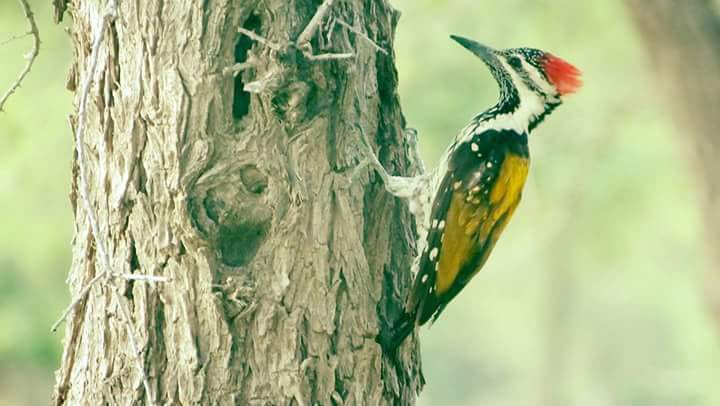
These moments create a deeper connection with nature that is often lost in crowded safari vehicles or large tour groups.
Flexible and Well-Paced Exploration
Small group expeditions also allow for more flexible schedules and better pacing. Naturalists can adjust the pace of the walk or safari depending on wildlife activity.
For example, if a rare bird such as the Indian Pitta is spotted along a trail, the group can pause and observe it carefully. If fresh tiger pugmarks are found on a safari track, the naturalist can take time to explain tracking behaviour and possible animal movement.
This flexibility ensures that participants experience the forest more thoughtfully rather than rushing through the landscape.
Learn Wildlife Observation Through Guided Forest Walks
Many wildlife enthusiasts begin their journey with guided forest walks before visiting major national parks. These experiences help participants develop observation skills and understand forest ecosystems.
Some beginner-friendly nature trails near Mumbai include:
➤ Sanjay Gandhi National Park Forest Walk
➤ Karnala Bird Sanctuary Birding Trail
➤ Matheran Forest Biodiversity Trail
➤ Bhandardara Forest and Grassland Bird Walk
➤ Tungareshwar Wildlife Sanctuary Nature Trail
➤ Yeoor Hills Forest Walk

These guided walks introduce participants to forest biodiversity including birds, reptiles, butterflies, insects, and native trees.
Join Our Guided Forest Walks
Explore forests, learn about birds and ecosystems, and discover the hidden biodiversity around Mumbai with expert naturalists.
Read more: Which Wildlife Expedition Is Right for You?, A Beginner’s Guide to Planning Your First Jungle Safari in India, Best Wildlife Expeditions in India for Nature Lovers – 2026 Guide