
A forest walk is far more than a relaxing stroll through greenery. For nature lovers, birdwatchers, photographers, and curious explorers, a guided forest walk becomes an immersive learning experience. Every trail reveals fascinating stories about trees, birds, insects, and the complex ecosystems that connect them.
Whether you are walking through the forests of Sanjay Gandhi National Park, the bird-rich trails of Karnala Bird Sanctuary, or the lush hills of Matheran, a forest walk helps you observe nature in ways most people never notice. Guided nature trails focus on slow exploration, helping participants understand the incredible biodiversity around them.
Here are some of the most fascinating things you can learn on a forest walk.
Understanding Trees and Forest Vegetation
Trees form the backbone of every forest ecosystem. On a guided forest walk, participants learn to identify different species of trees and understand their ecological roles.
In forests around Mumbai and the Western Ghats, you may encounter trees such as:
• Jamun
• Teak
• Banyan
• Mango
• Bamboo
• Various species of fig trees
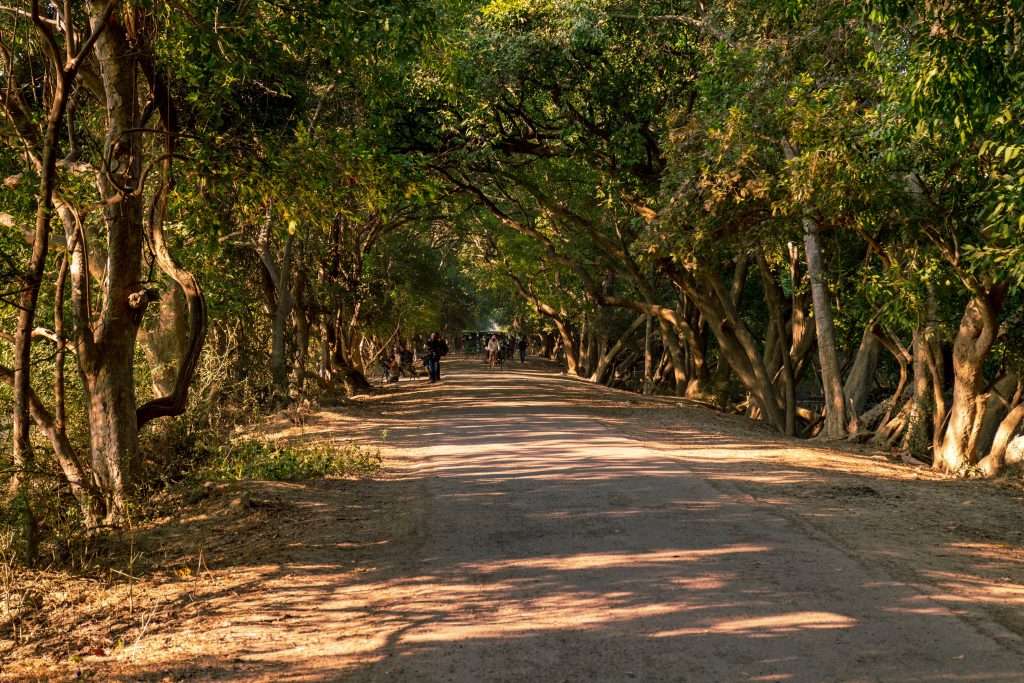
Each tree supports a variety of wildlife. Fig trees, for example, produce fruit that attracts birds such as barbets, parakeets, and bulbuls, along with mammals like squirrels and monkeys.
Naturalists often explain how seasonal changes affect forests. During pre-monsoon and monsoon months, forests become rich with flowering plants, new leaves, and fungi. In winter, fruiting trees attract migratory birds, making forests vibrant with bird activity.
Learning about these plant–animal relationships is one of the most rewarding parts of a forest walk.
Read: How Naturalists Identify Birds, Trees and Wildlife During Forest Walks
Identifying Birds by Sight and Sound
Birdwatching is one of the highlights of most forest trails. However, birds are often heard before they are seen. Guided walks help participants recognise birds through their calls, behaviour, and habitats.
Some common forest birds seen around Mumbai include:
• Malabar Whistling Thrush
• Asian Paradise Flycatcher
• Tickell’s Blue Flycatcher
• Coppersmith Barbet
• Greater Racket-tailed Drongo
• White-throated Kingfisher
• Indian Grey Hornbill
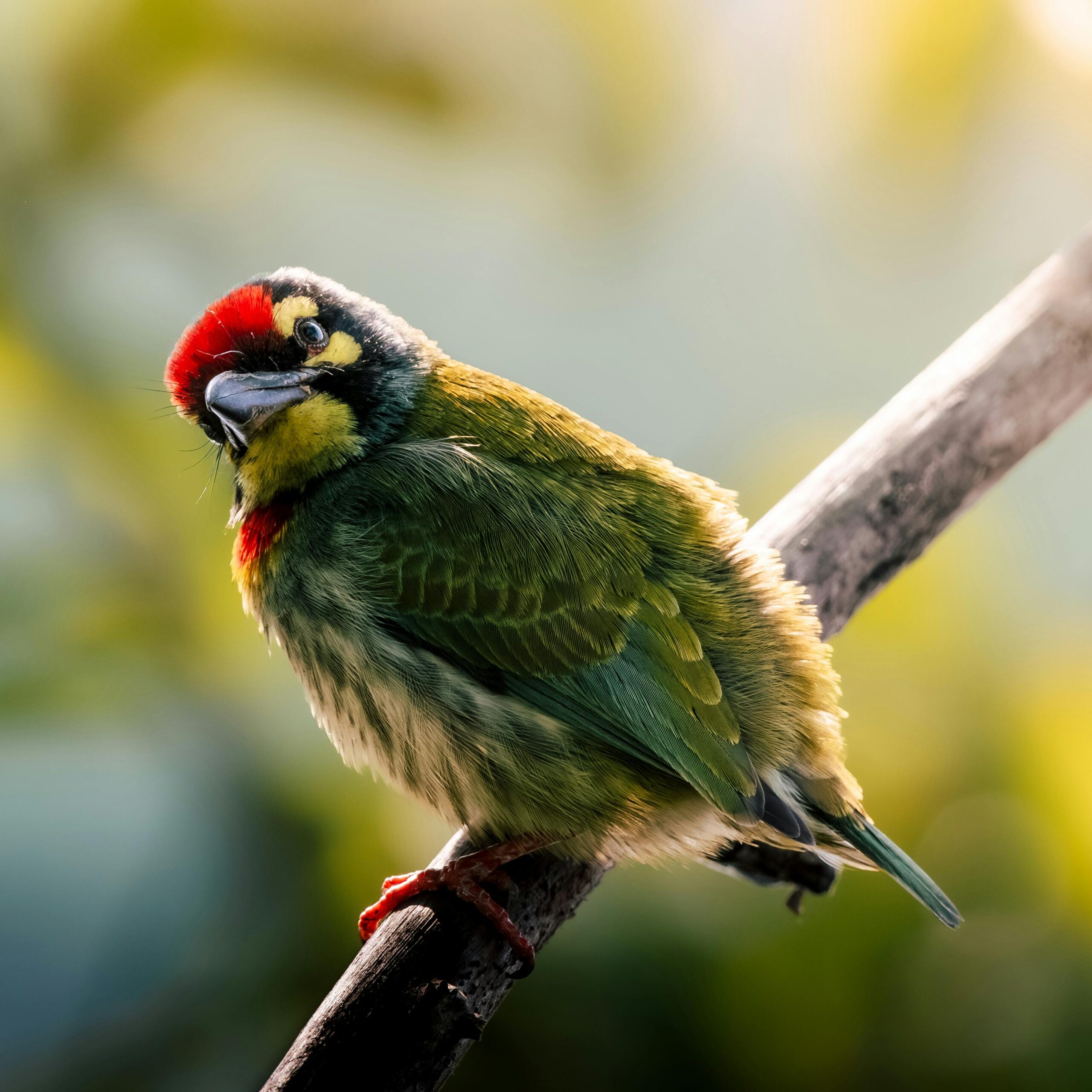
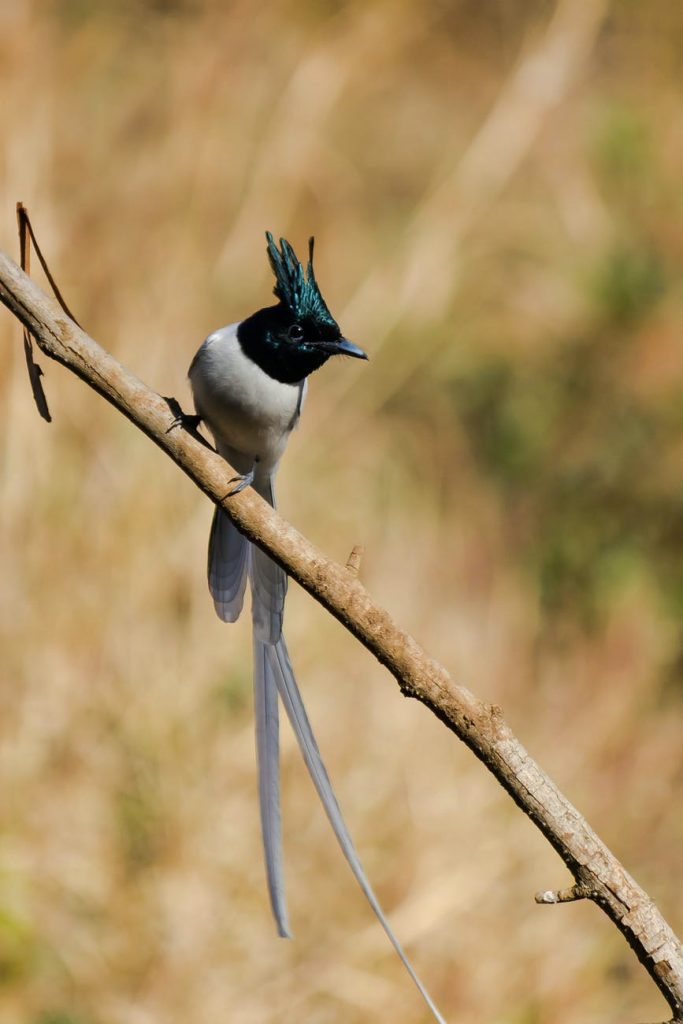
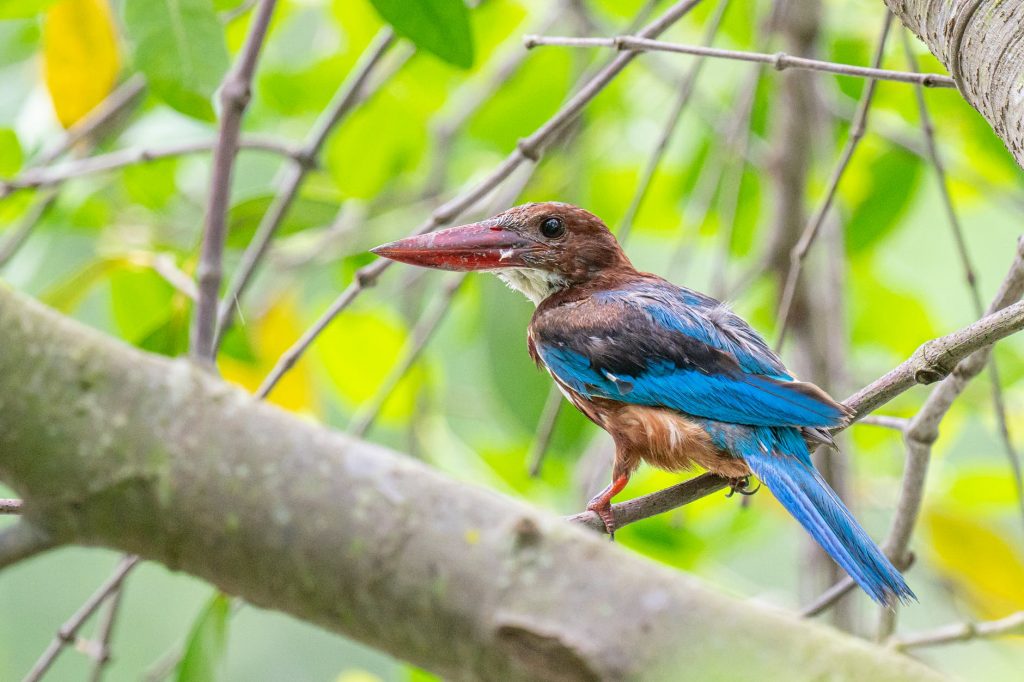
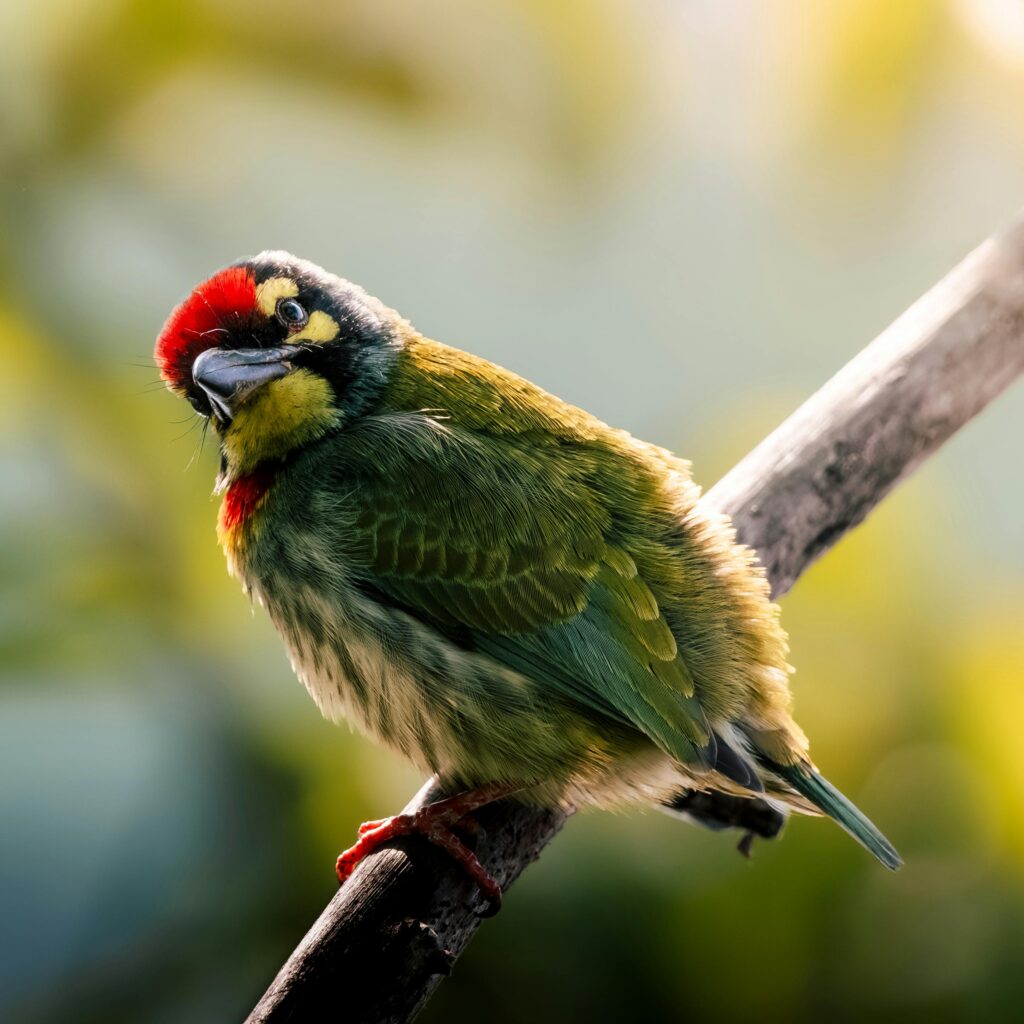
Naturalists often teach participants how to look for bird activity in the forest canopy. For example, a group of birds moving together may indicate a mixed hunting flock, where species like drongos, flycatchers, and leafbirds forage together for insects.
Understanding these behaviours helps beginners become better birdwatchers.
Discovering the World of Insects and Small Creatures
Many of the most fascinating forest creatures are small and easily overlooked. A slow nature walk allows participants to observe the incredible diversity of insects and other tiny organisms.
You might spot:
• colourful butterflies such as Blue Tiger, Blue Mormon, Common Jezebel, and Lime Butterfly
• dragonflies and damselflies near forest streams
• praying mantises camouflaged among leaves
• orb-weaver spiders building intricate webs
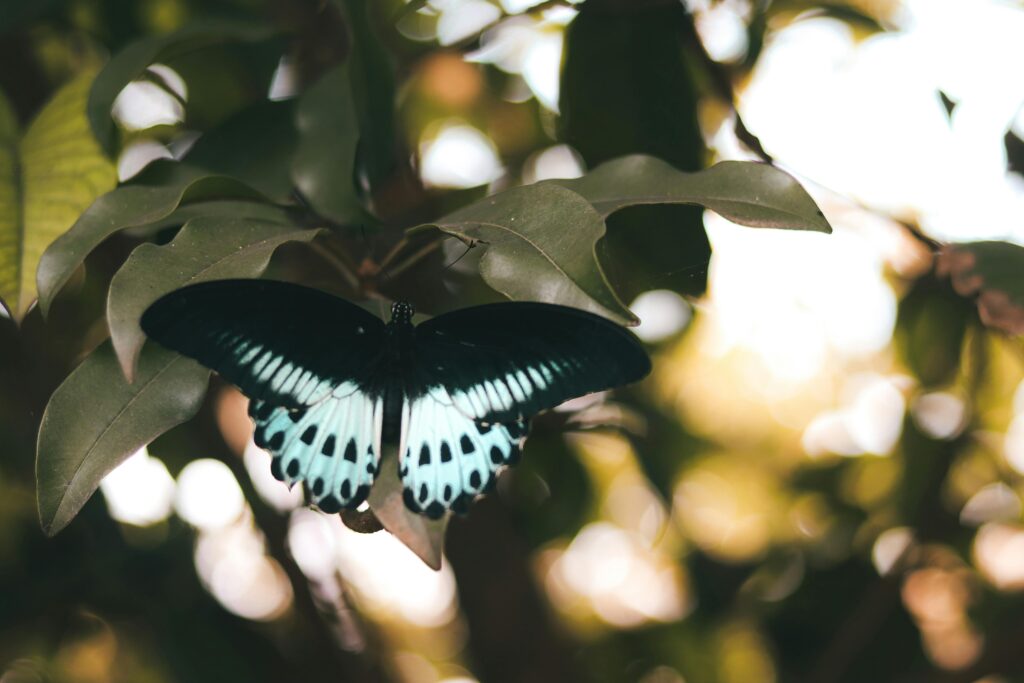
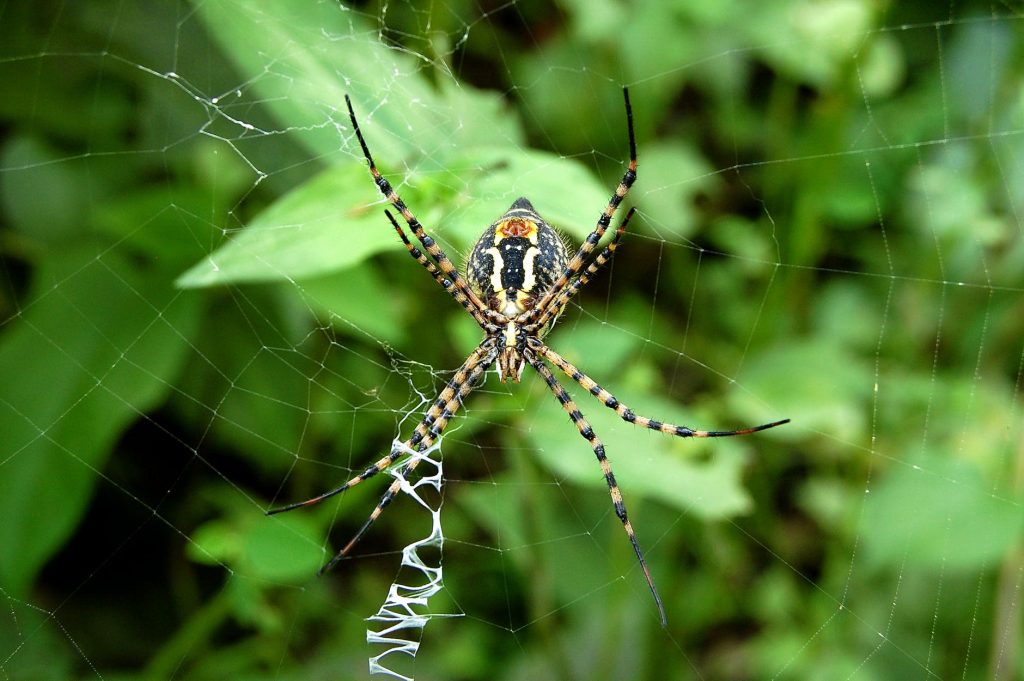
These insects play vital roles in forest ecosystems. Butterflies and bees pollinate plants, while spiders help control insect populations.
For macro photography enthusiasts, forests provide endless opportunities to capture close-up images of insects, fungi, and unique textures of the forest floor.
Learning to Read Wildlife Signs
Wild animals are often difficult to see directly, but forests constantly reveal signs of their presence. Guided forest walks teach participants how to identify these clues.
Some examples include:
• scratch marks on tree bark from squirrels or civets
• footprints of wild boar or deer in soft mud
• fallen fruit shells left behind by monkeys or birds
• alarm calls from birds warning of predators
These subtle indicators help naturalists understand which animals may be present in the area, even if they remain hidden.
Learning to recognise these signs makes every forest walk feel like a wildlife investigation.
Understanding Forest Ecosystems
One of the most valuable lessons from a forest walk is understanding how ecosystems function. Forests are complex systems where plants, animals, insects, fungi, and microorganisms interact constantly.
For example:
• flowering plants attract butterflies and bees
• insects attract insect-eating birds such as flycatchers
• fruiting trees attract birds, bats, and mammals
• decomposing leaves feed fungi and soil organisms
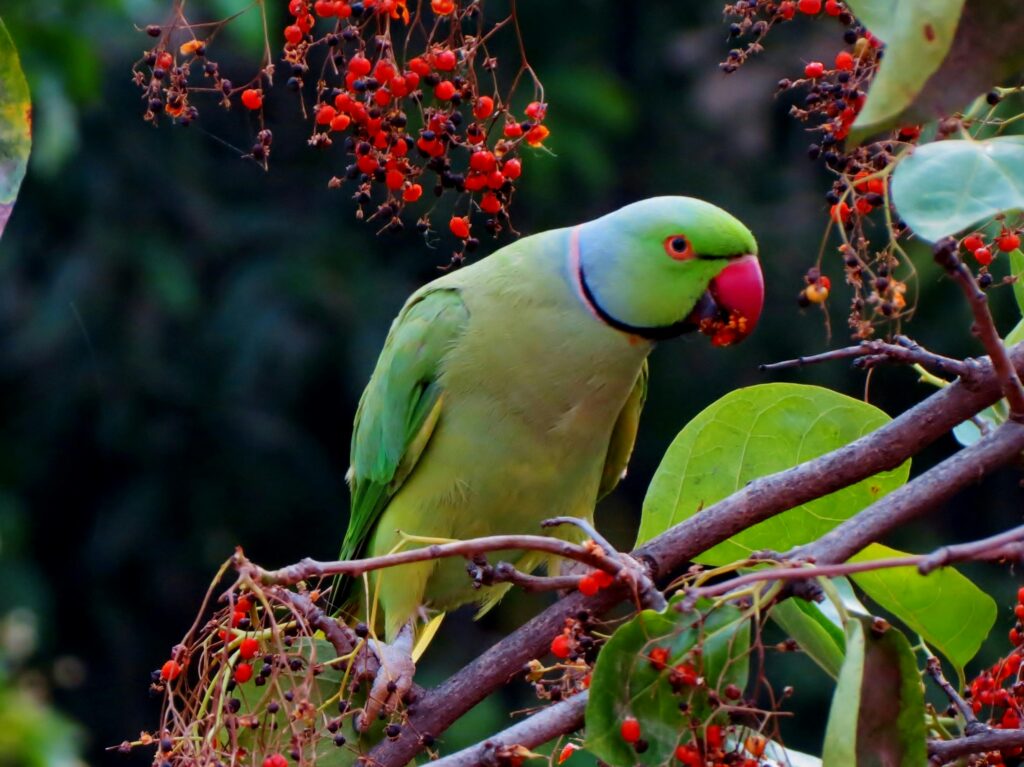
These relationships form an intricate web of life that keeps forests healthy and balanced.
Guided trails help visitors appreciate these ecological connections, making the forest feel alive with activity and purpose.
Why Guided Forest Walks Are the Best Way to Learn
While anyone can walk through a forest, exploring it with an experienced naturalist makes a huge difference. Naturalists help participants notice details that would otherwise be missed — from distant bird calls to camouflaged insects.
Guided forest walks are also designed to move slowly and quietly, allowing wildlife to remain undisturbed while participants observe nature closely.
These experiences are ideal for:
• beginner birdwatchers
• wildlife photographers
• families and children
• students interested in ecology
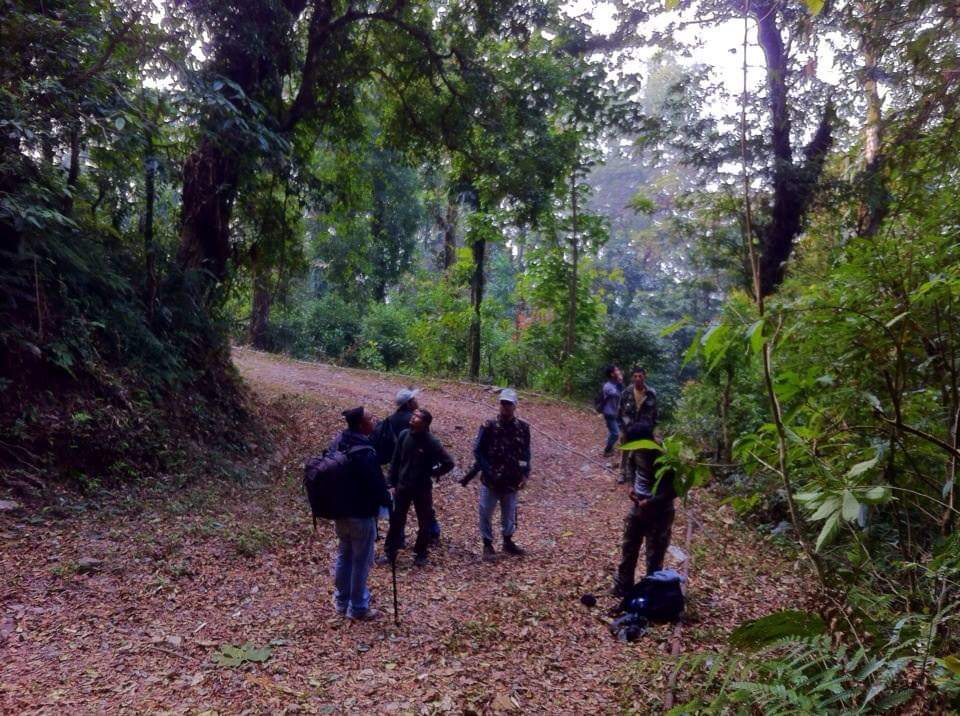
Even experienced nature lovers often discover new species and behaviours during guided trails.
Discover Nature on a Forest Walk
A forest walk is not just about reaching a destination. It is about slowing down and learning to observe the natural world carefully.
From towering trees and singing birds to hidden insects and complex ecosystems, forests offer endless opportunities for discovery.
With expert guidance and a curious mindset, even a short trail can reveal remarkable insights into how nature works.
Join Our Guided Forest Walks
Explore forests, learn about birds and ecosystems, and discover the hidden biodiversity around Mumbai with expert naturalists.
Continue exploring: Why Guided Nature Trails Reveal More Wildlife Than Regular Trekking, Beginner’s Guide to Birdwatching: Essential Tips for Your First Birding Trip, A Beginner’s Guide to Planning Your First Jungle Safari in India