
Rainforests are among the most biodiverse ecosystems on Earth. Dense vegetation, humid climates, and layered forest structures create ideal conditions for an extraordinary variety of insects, amphibians, fungi, and plant life. For photographers, this incredible diversity makes rainforests one of the best places to practice macro photography.
Unlike wildlife safaris that focus on large animals, macro photography reveals the fascinating details of the smaller world — colourful butterflies, intricate spider webs, glowing fungi, and tiny frogs hidden beneath leaves. Rainforests allow photographers to slow down and observe the delicate beauty of nature at close range.
From the Western Ghats to the Himalayan foothills, India’s rainforests offer countless opportunities for discovering and photographing small creatures that often go unnoticed during regular forest walks.
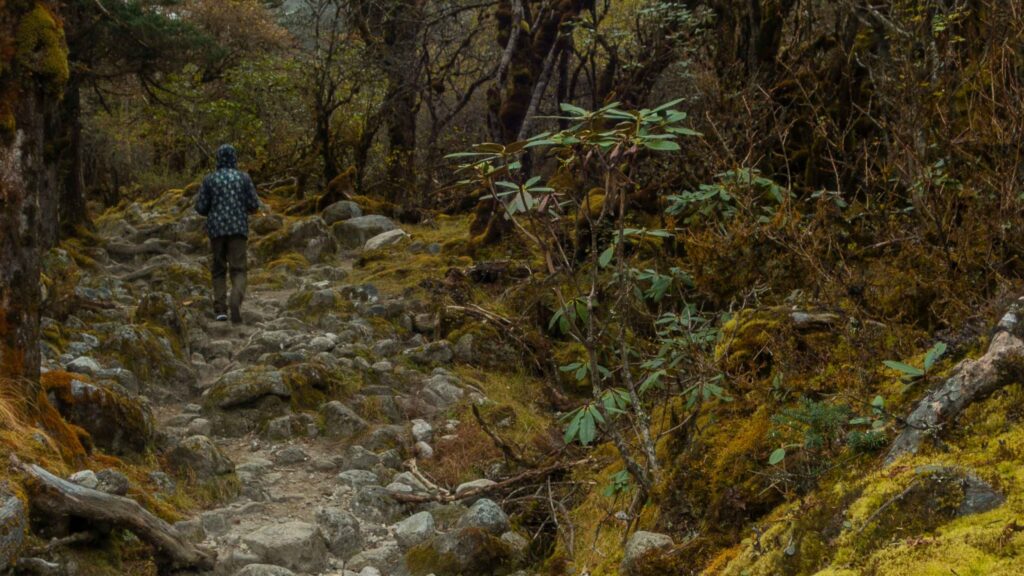
Incredible Diversity of Small Wildlife
Rainforests support a remarkable number of species, many of which are perfect subjects for macro photography. The warm and moist environment allows insects, reptiles, amphibians, and fungi to thrive throughout the year.
Photographers exploring rainforest habitats often discover fascinating macro subjects such as:
➤ Jewel-like jumping spiders hiding on leaves
➤ Tree frogs resting on moss-covered branches
➤ Leaf insects perfectly camouflaged among foliage
➤ Dragonflies and damselflies near forest streams
➤ Colourful beetles and mantises
In the rainforests of Western Ghats, photographers frequently encounter species such as the Malabar gliding frog, colourful bush frogs, and striking butterflies like the Blue Mormon.
Because so many species live close together in rainforest habitats, photographers rarely need to walk far before discovering interesting macro subjects.
Perfect Lighting Conditions Beneath the Forest Canopy
Rainforests provide unique lighting conditions that are particularly suitable for macro photography. The dense forest canopy filters sunlight, creating soft and diffused light that reduces harsh shadows.
This gentle lighting helps photographers capture:
➤ Fine textures on butterfly wings
➤ Dewdrops on spider webs
➤ The delicate structure of fungi and moss
➤ The detailed patterns of insects and beetles
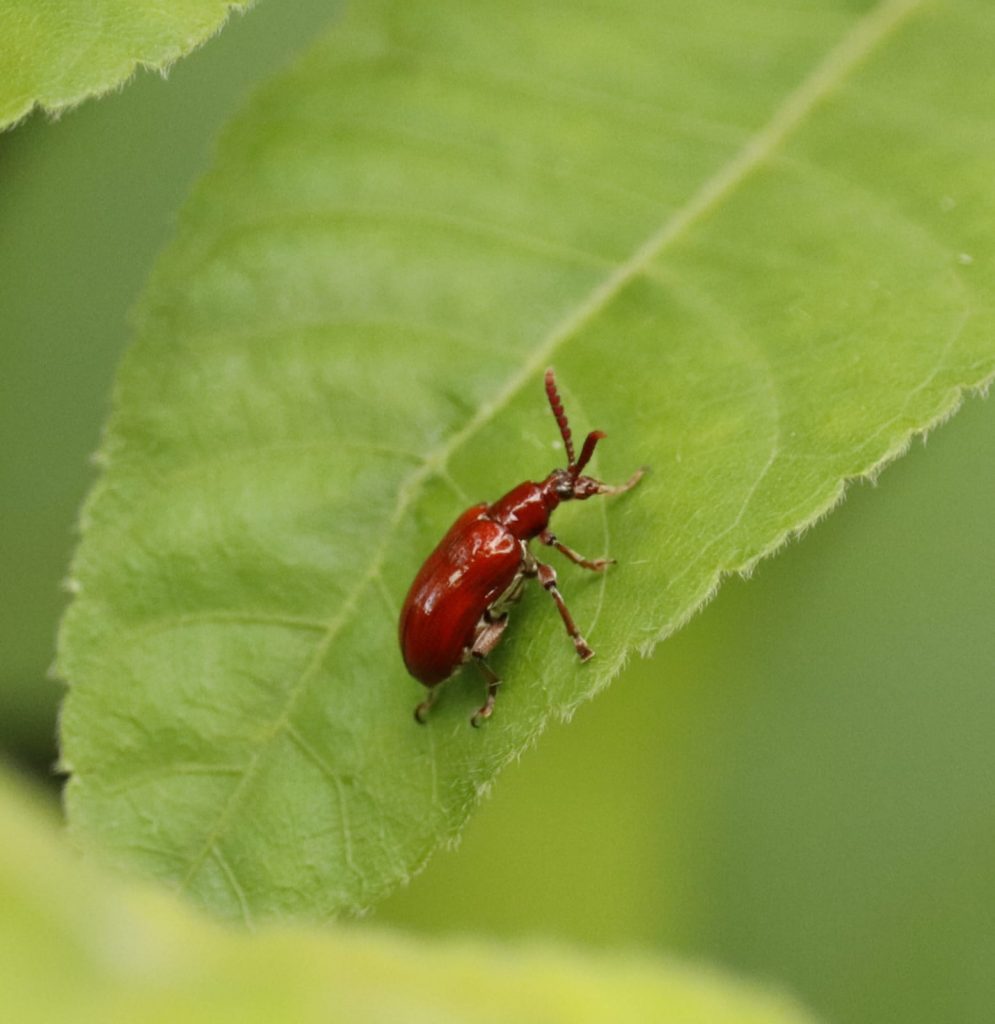
Soft forest light often produces beautifully balanced images without the strong glare commonly found in open landscapes.
Rainforests Reveal Hidden Microhabitats
One of the most exciting aspects of macro photography in rainforests is discovering microhabitats — small environments where unique organisms live.
Naturalists often teach photographers to look carefully at different parts of the forest to find these hidden subjects.
➤ Fallen logs often host colourful fungi, beetles, and termites
➤ Moss-covered rocks may hide tiny frogs and insects
➤ Leaf litter supports ants, millipedes, and forest spiders
➤ Flowering plants attract butterflies, bees, and hoverflies
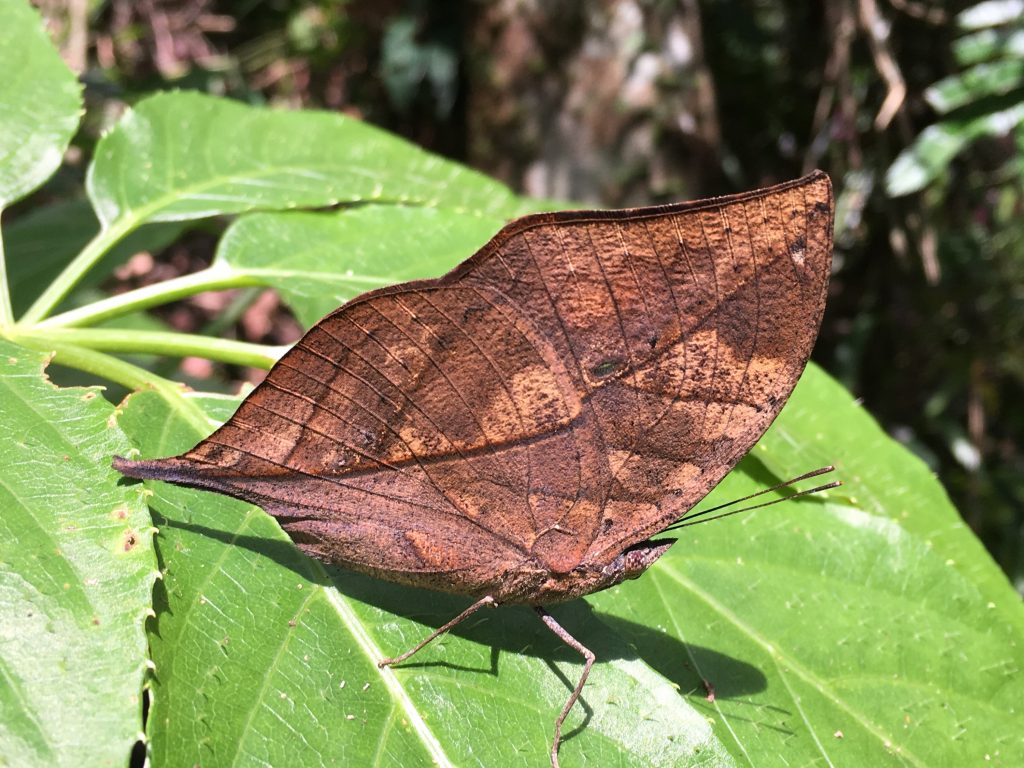
By observing these microhabitats, photographers begin to see the forest as a network of miniature ecosystems filled with life.
Ideal Conditions for Amphibian Photography
Rainforests are particularly rich in amphibian diversity because frogs and toads require moist environments to survive.
During humid evenings and the early monsoon season, forest trails come alive with amphibian activity.
Macro photographers in rainforest habitats may encounter:
➤ Malabar Gliding Frogs resting on leaves
➤ Bush Frogs calling from low vegetation
➤ Narrow-mouthed Frogs emerging after rain
➤ Tree Frogs perched on branches near streams
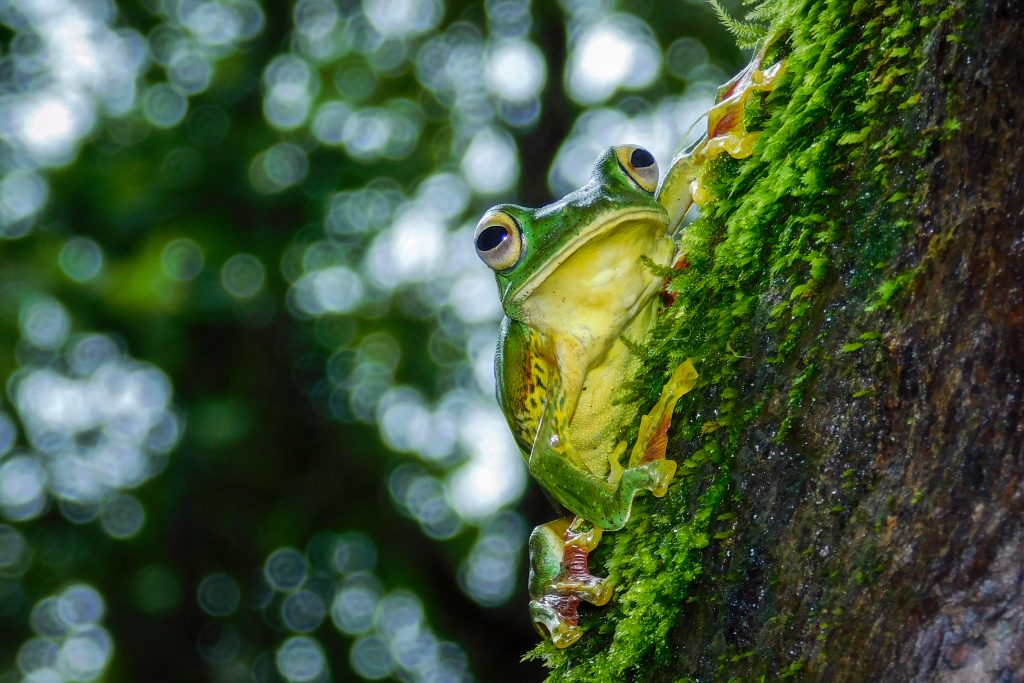
Capturing amphibians in their natural habitat often produces stunning macro photographs due to their vibrant colours and unique textures.
Butterflies and Insects Create Endless Photography Opportunities
Rainforests are also among the best locations for photographing butterflies and insects. Many species gather near flowering plants, forest streams, and damp soil where they absorb minerals.
Photographers exploring rainforest trails may observe:
➤ Blue Mormon butterflies gliding through forest clearings
➤ Crimson Rose butterflies feeding on nectar
➤ Leaf-mimicking Katydids hiding in vegetation
➤ Colourful jewel beetles reflecting sunlight
➤ Weaver ants building nests among leaves
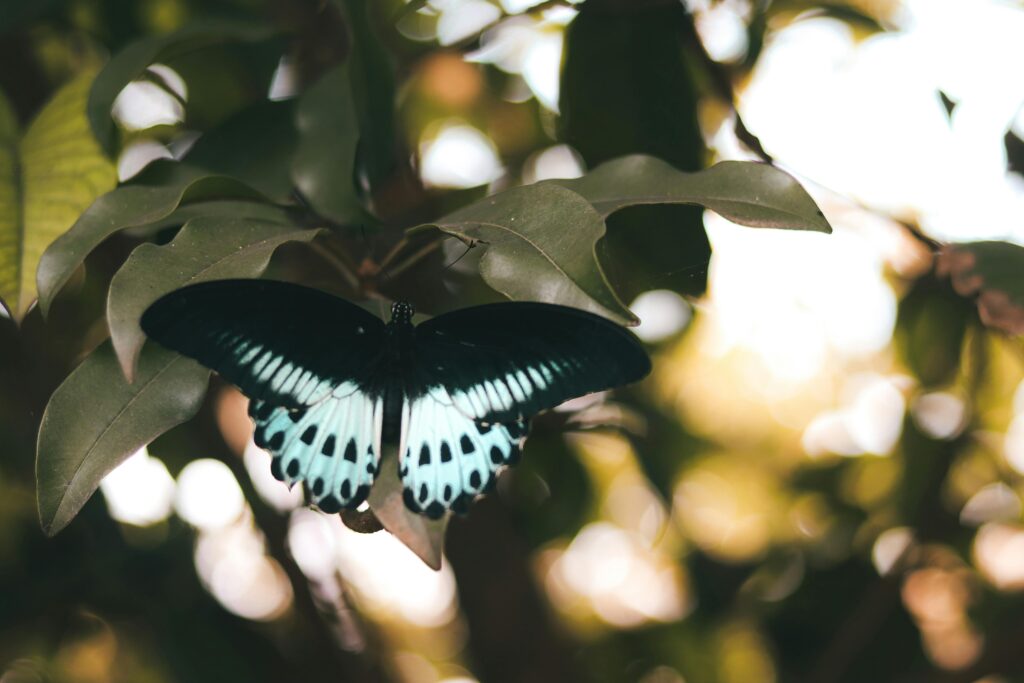
These subjects are ideal for photographers who enjoy capturing fine details and behavioural moments in nature.
Patience and Observation Are Key Skills in Macro Photography
Unlike photographing large mammals, macro photography requires slow and careful observation. Small subjects can be easily overlooked unless photographers take time to scan leaves, branches, and forest floors.
Successful macro photographers often:
➤ Move slowly along forest trails
➤ Observe vegetation closely
➤ Watch for insect movement on leaves
➤ Look under logs or near damp soil
Patience is often rewarded with unique encounters that reveal the hidden world of rainforest biodiversity.
Practice Macro Photography on Forest Trails
You do not always need to travel deep into remote rainforests to practice macro photography. Many forest habitats in the Western Ghats near Mumbai provide excellent opportunities to photograph insects, butterflies, reptiles, and amphibians.
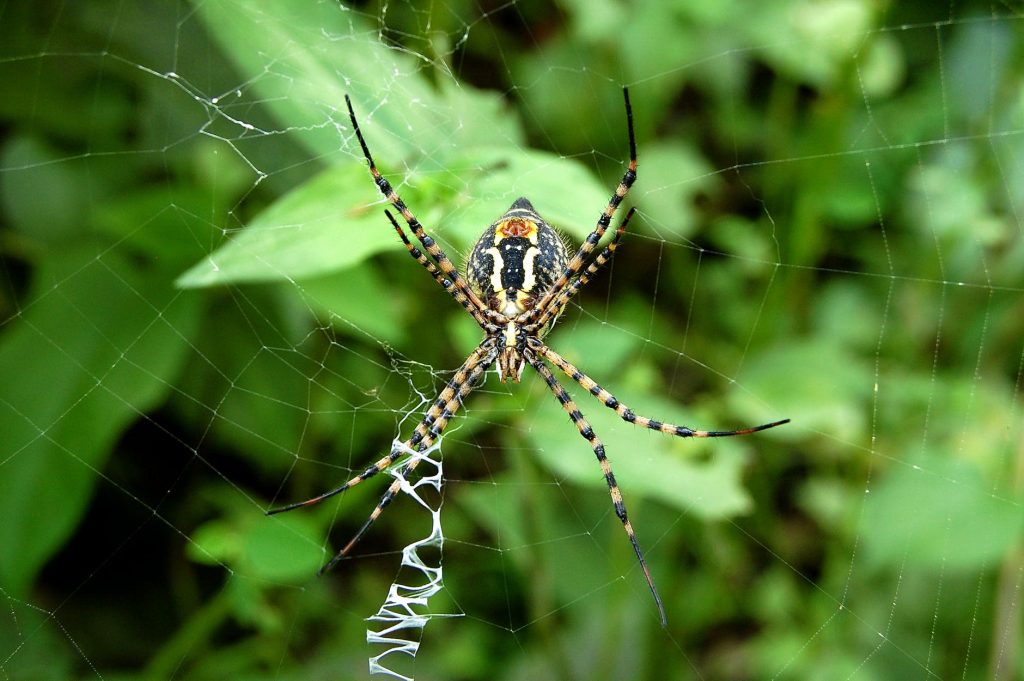
Nature trails such as the Matheran Forest Trail offer diverse rainforest habitats where photographers can discover butterflies, forest frogs, spiders, and other small wildlife.
Guided forest walks also help participants learn where to find interesting macro subjects and how to observe small creatures without disturbing them.
Explore Guided Forest Walks with The Tern Travellers
Guided forest walks are one of the best ways to learn about biodiversity while exploring nature responsibly. Experienced naturalists help participants identify birds, trees, insects, and wildlife while explaining the fascinating ecological connections within forests.
Our forest walks and biodiversity trails are designed to help nature lovers explore wildlife while learning practical field skills used by naturalists.
Join us on our upcoming nature trails and experience the forest the way naturalists see it — full of life, stories, and hidden discoveries.
Continue exploring: Agumbe Rainforest: India’s Hidden Biodiversity Paradise, Top Wildlife Photography Destinations in India for 2026, Beginner’s Guide to Wildlife Photography in India’s National Parks