
Deep in the forests of central India lies one of the most breathtaking wildlife destinations in the country — Kanha National Park. Known for its vast meadows, dense sal forests, and thriving wildlife populations, Kanha is widely regarded as one of the most scenic and well-managed tiger reserves in India. For wildlife photographers, nature enthusiasts, and safari travellers, Kanha offers a rare combination of dramatic landscapes and exceptional biodiversity.
Spread across nearly 940 square kilometres in the Maikal range of central India, Kanha forms the core of the larger Kanha Tiger Reserve. The park’s lush valleys, bamboo forests, and open grasslands create ideal habitat for a wide range of wildlife species. Most famously, Kanha is home to a healthy population of the majestic Bengal Tiger, making it one of the best places in India to experience the thrill of tracking a tiger in its natural environment.
Beyond tiger sightings, Kanha’s beauty lies in the harmony between wildlife, forests, and open landscapes — a setting that has inspired explorers, conservationists, and storytellers for generations.
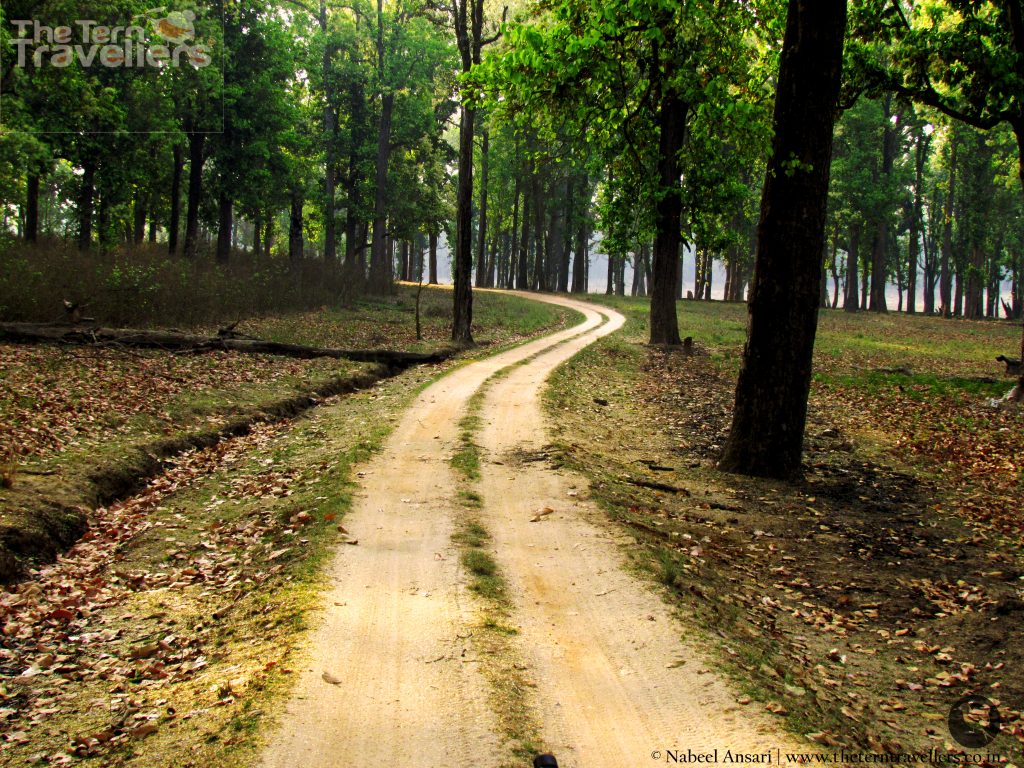
A Landscape That Inspired The Jungle Book
One of the reasons Kanha holds a special place in India’s wildlife history is its connection to the legendary book The Jungle Book by Rudyard Kipling. While Kipling never visited the park himself, the forests and wildlife of central India — including Kanha — strongly influenced the setting of his famous stories.
The rolling meadows and forests of Kanha evoke images of characters like Mowgli, Bagheera, and Baloo wandering through dense forests and river valleys. Even today, safari drives through Kanha’s wilderness often feel like stepping directly into the landscapes that inspired these iconic tales.
The Rare Barasingha Success Story
Kanha is globally recognised for one of India’s most successful wildlife conservation stories — the recovery of the rare Barasingha, also known as the hard-ground swamp deer.
In the 1970s, fewer than 70 barasingha remained in the wild. Through careful habitat management, grassland restoration, and strict protection measures, conservationists were able to revive the species population within the park.
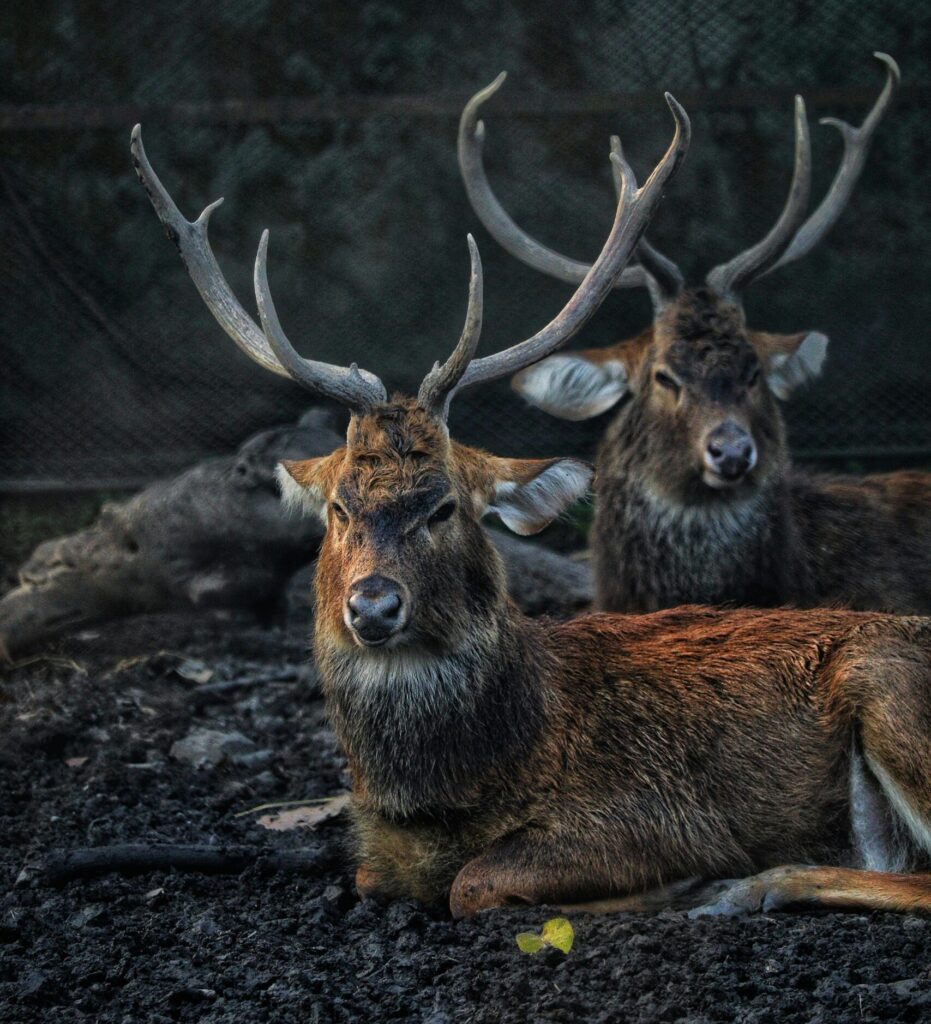
Today, Kanha is the only place in the world where the hard-ground barasingha thrives naturally. Visitors on safari frequently see herds grazing peacefully in Kanha’s vast meadows, often alongside species like:
• Gaur
• Sambar Deer
• Chital
• Wild Boar
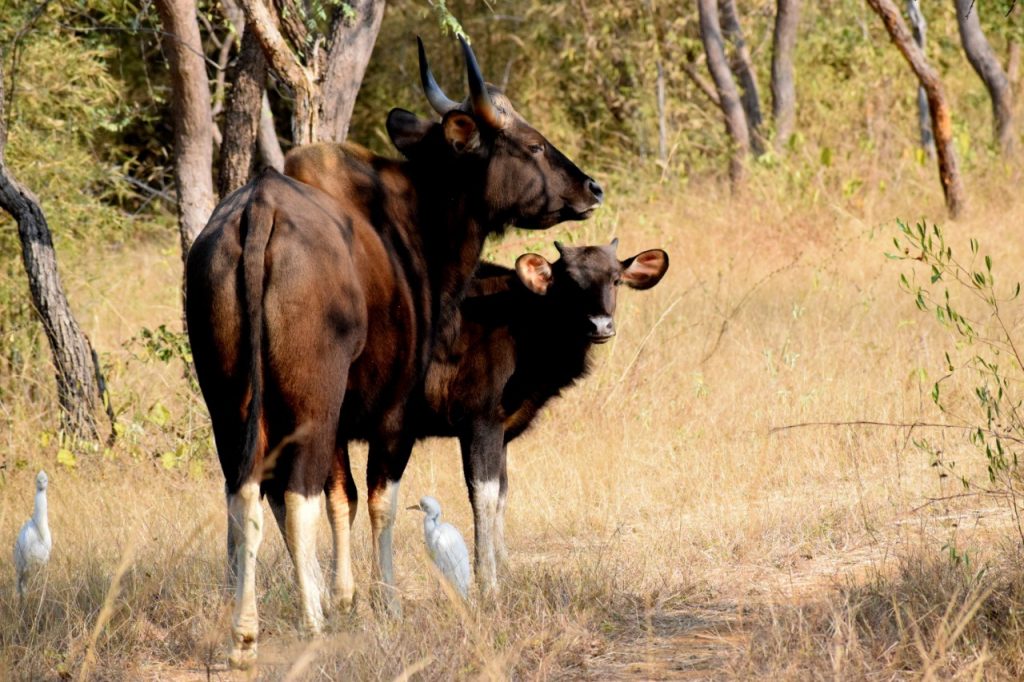
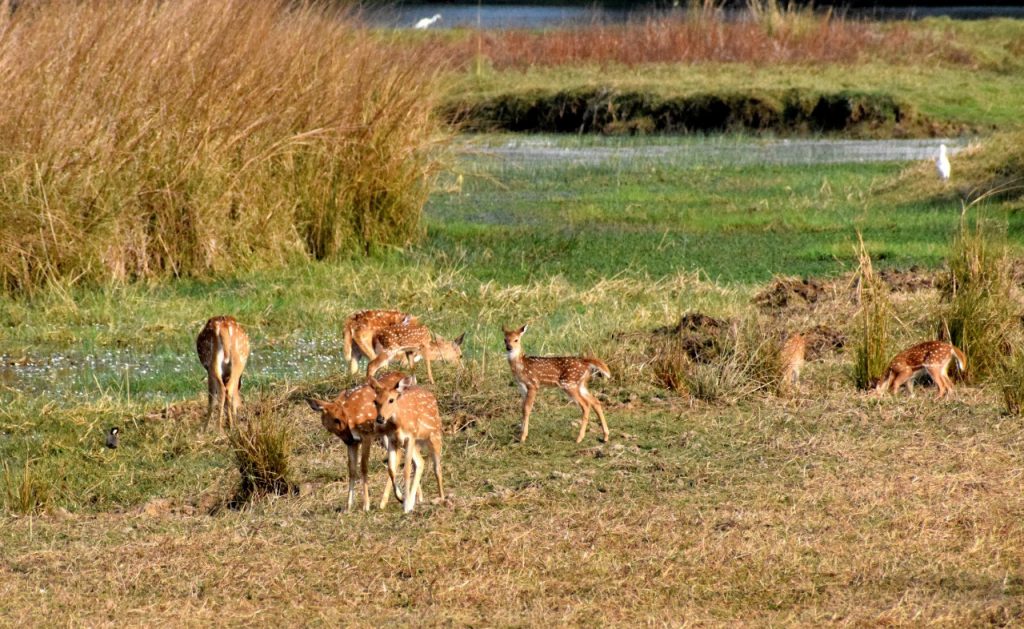
These herbivores form the prey base that supports the park’s predator population.
Predators of Kanha’s Forests
While tigers remain the star attraction, Kanha’s ecosystem supports an impressive range of predators that contribute to the balance of the forest.
Wildlife enthusiasts visiting Kanha may encounter:
• Indian Leopard moving silently through forest edges
• Dhole hunting in coordinated packs
• Sloth Bear searching for termites and fruit
• Golden Jackal along grasslands and forest trails
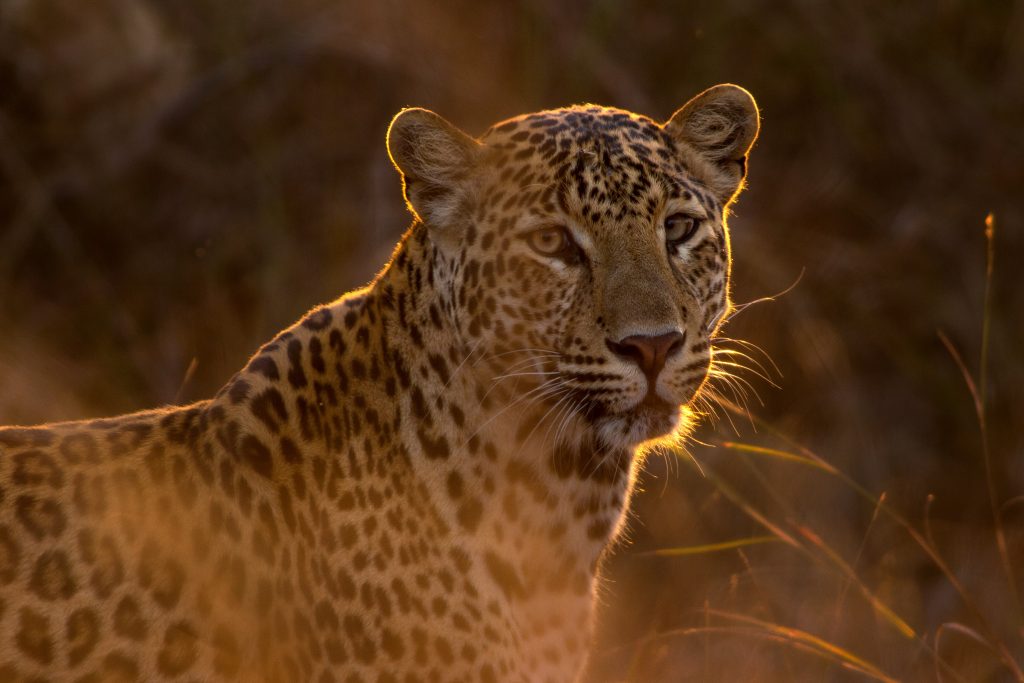
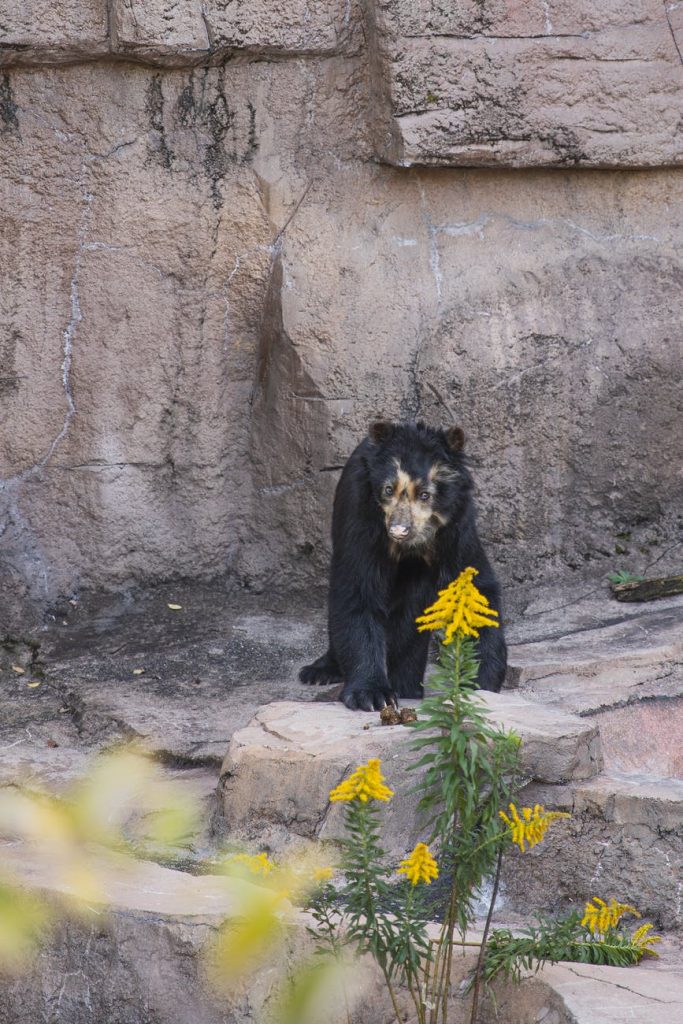
These predators are often spotted during early morning safaris when the forest is most active.
Over 300 Bird Species for Birdwatchers
Kanha is also a paradise for birdwatchers. The park’s mix of forests, wetlands, and grasslands supports over 300 species of birds.
Common sightings include:
• Indian Roller
• Crested Serpent Eagle
• Malabar Pied Hornbill
• Indian Paradise Flycatcher
• White-rumped Vulture

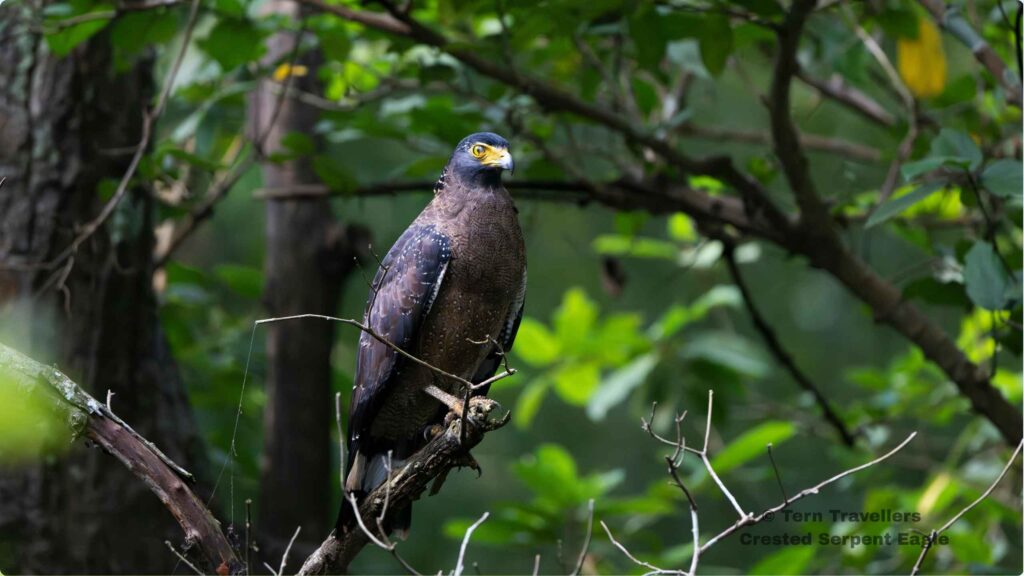
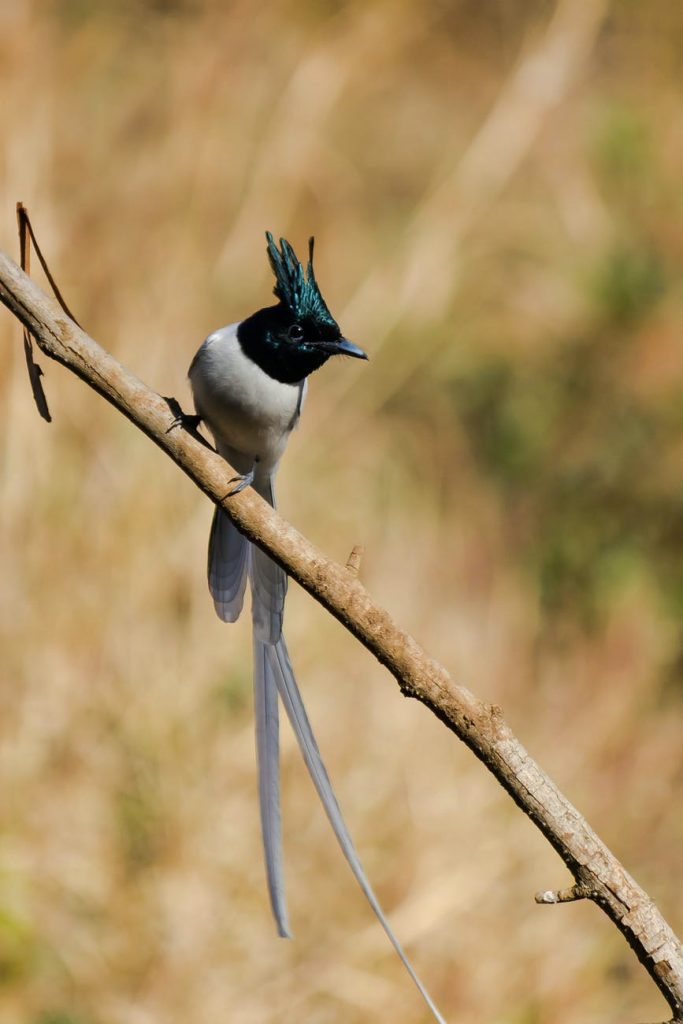
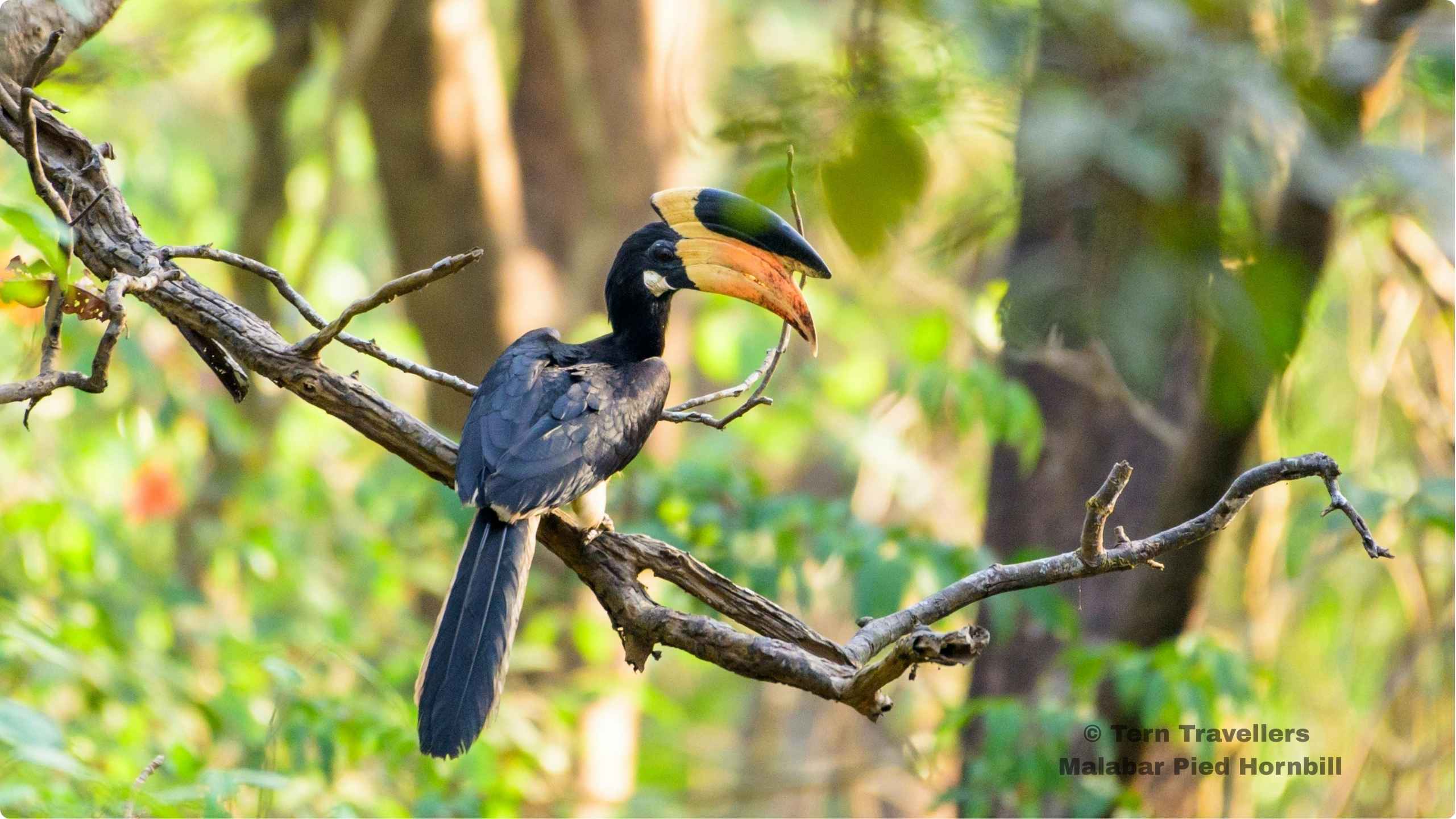
Early morning safaris and nature walks around the buffer zones often reveal spectacular bird activity.
The Four Safari Zones of Kanha
Wildlife safaris in Kanha are conducted across four main tourism zones, each offering unique habitats and wildlife encounters:
• Kanha Zone – Known for vast meadows and frequent herbivore sightings
• Kisli Zone – One of the oldest zones with dense forests and scenic drives
• Mukki Zone – Excellent for tiger sightings and predator tracking
• Sarhi Zone – Less crowded and ideal for birdwatching
Each zone reveals a different perspective of Kanha’s forests, ensuring that every safari experience feels unique.
The Scenic Beauty That Sets Kanha Apart
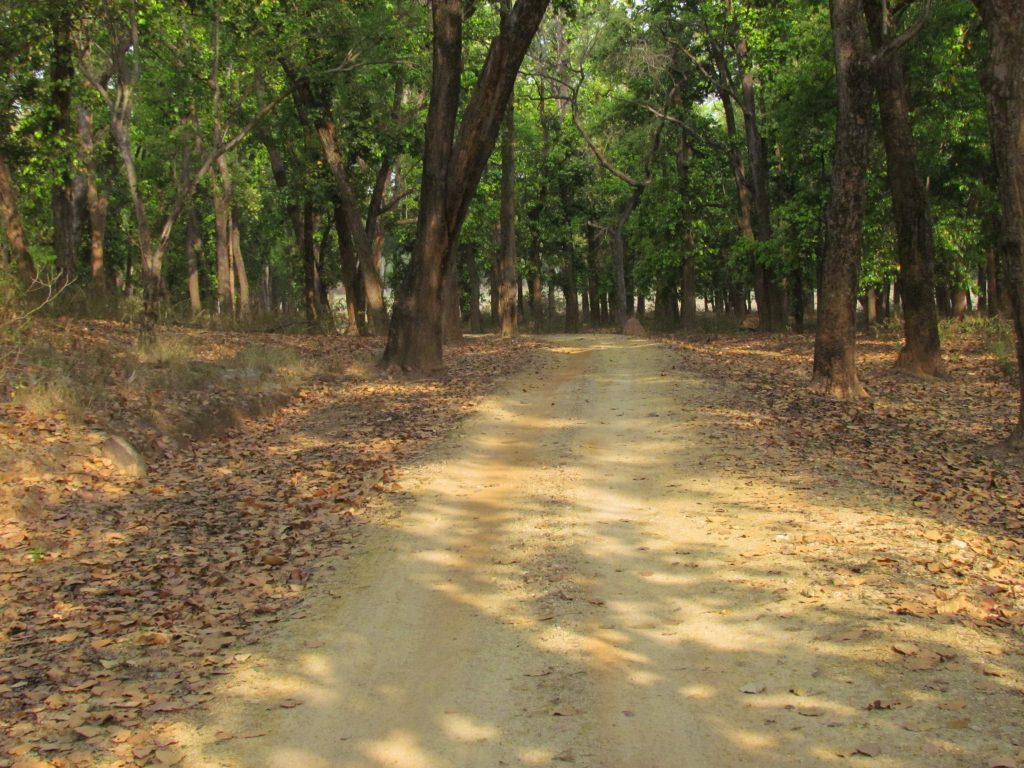
While many Indian national parks offer excellent wildlife sightings, Kanha stands apart because of its extraordinary landscapes. Wide grasslands like Sonf Meadows, misty sal forests, seasonal streams, and bamboo valleys create a visual spectacle that few tiger reserves can match.
Sunrise safaris often reveal golden light filtering through the forest canopy while herds of deer graze in the meadows — moments that wildlife photographers dream of capturing.
Interested in Wildlife Photography?
Read: Top National Parks in India for Wildlife Photography and Safari Experiences
Best Time to Visit Kanha National Park
The park is open from October to June, with each season offering different wildlife experiences.
October – February:
Cool weather, lush forests, and excellent birdwatching.
March – June:
The best time for tiger sightings as animals gather around water sources.
Summer months, though warm, are considered prime tiger-tracking season in central India.
A Model for Wildlife Conservation in India
Kanha is often cited as one of India’s best examples of successful wildlife conservation. Strict safari regulations, habitat protection programs, and community participation have helped maintain the ecological balance of the park.
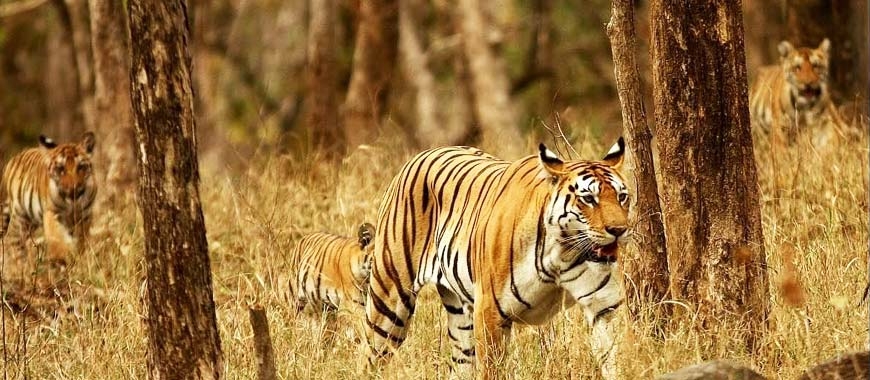
Sustainable tourism practices, eco-friendly lodges, and controlled visitor numbers ensure that the wilderness of Kanha remains protected for future generations.
A Landscape Every Wildlife Traveller Should Experience
Few wildlife destinations combine scenic beauty, biodiversity, and conservation success as seamlessly as Kanha. From tiger tracking to peaceful birdwatching, from misty forests to golden grasslands, the park offers one of the most immersive jungle experiences in India.
For anyone dreaming of exploring India’s wilderness, Kanha is not just a safari destination — it is a landscape that truly captures the spirit of the wild.
Plan Your Kanha Safari
Exploring Kanha becomes even more rewarding when your journey is carefully planned with experienced naturalists and well-designed itineraries. Our wildlife journeys often include tiger landscapes such as Kanha, Tadoba, Pench, and Bandhavgarh, allowing travellers to experience the diversity of India’s central forests.
Whether you are a wildlife photographer, birdwatcher, or someone planning a first jungle safari, a thoughtfully curated expedition can make all the difference.
Keep reading: Best Tiger Safaris in India for First-Time Wildlife Travelers, Why Summer Is the Best Season for Tiger Sightings in Central India, A Beginner’s Guide to Planning Your First Jungle Safari in India