
Mumbai may be known as a bustling metropolitan city, but it also lies along one of the most important bird migration routes in the Indian subcontinent. Every year, wetlands, mangroves, forests, and urban green spaces across the city transform into thriving habitats for hundreds of bird species. From familiar garden birds seen throughout the year to seasonal visitors arriving from thousands of kilometres away, Mumbai offers a fascinating opportunity to observe both resident and migratory birds in close proximity.
Natural ecosystems such as the wetlands of Thane Creek Flamingo Sanctuary, Panje-Dongri wetlands and forested landscapes within Sanjay Gandhi National Park support this remarkable seasonal movement of birds. Understanding the difference between resident and migratory species helps birdwatchers better appreciate why bird diversity in Mumbai changes dramatically across seasons.
What Are Resident Birds?
Resident birds are species that live in a particular region throughout the year. They breed, feed, and adapt to local climatic conditions without undertaking long-distance seasonal migrations. These birds are well adapted to Mumbai’s tropical climate and urban ecosystems — feeding on insects, fruits, seeds, and small aquatic organisms found across gardens, forests, wetlands, and coastal habitats.
Mumbai’s resident birds include a wide range of familiar and charismatic species — from urban adaptables to forest and wetland specialists. Below are some commonly observed resident birds in and around Mumbai:
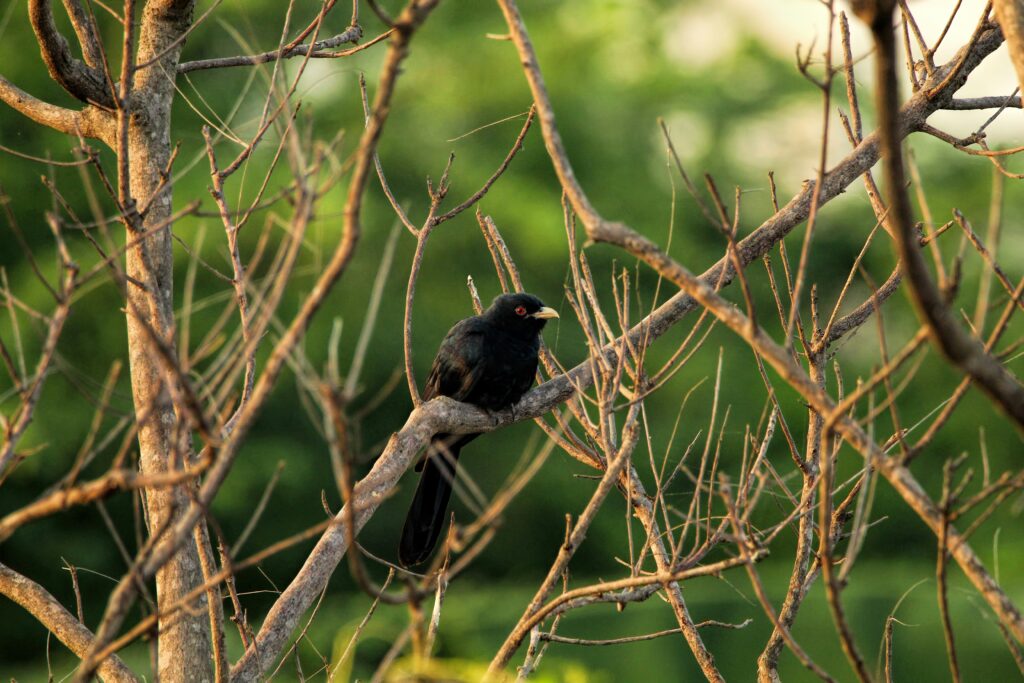
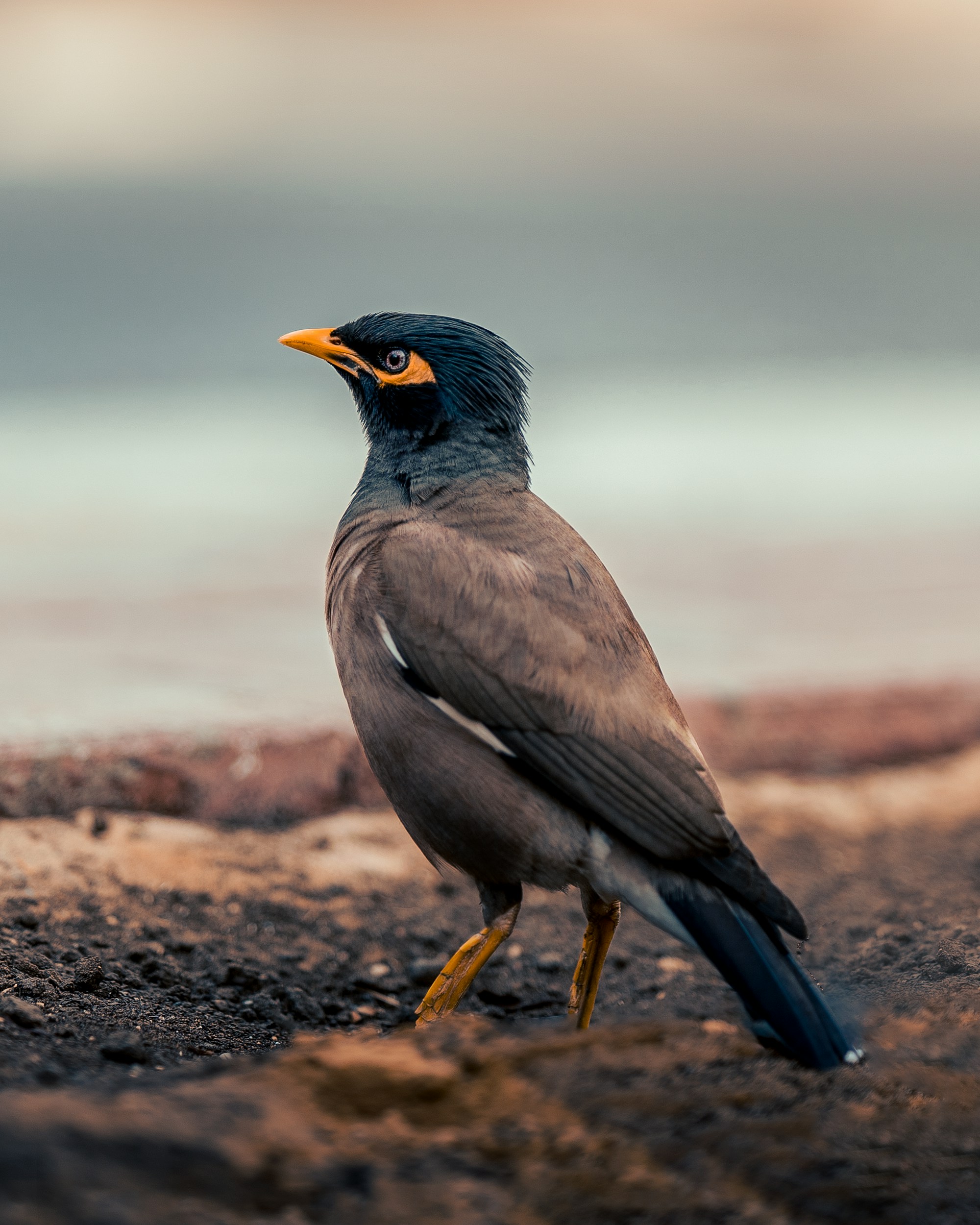

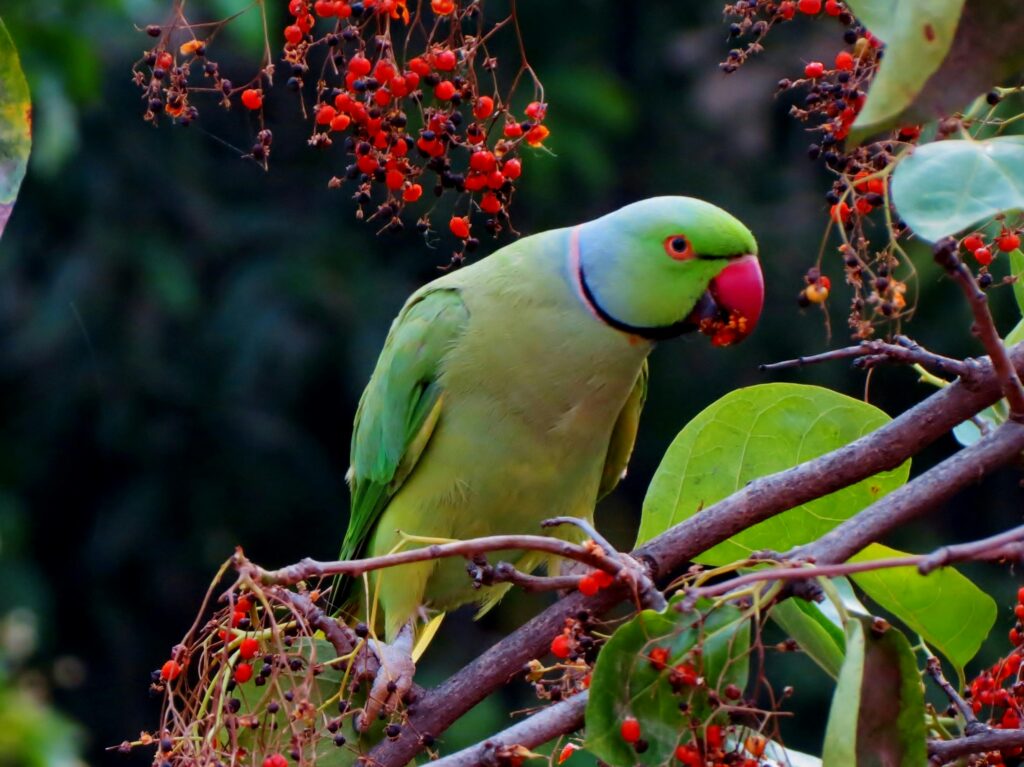
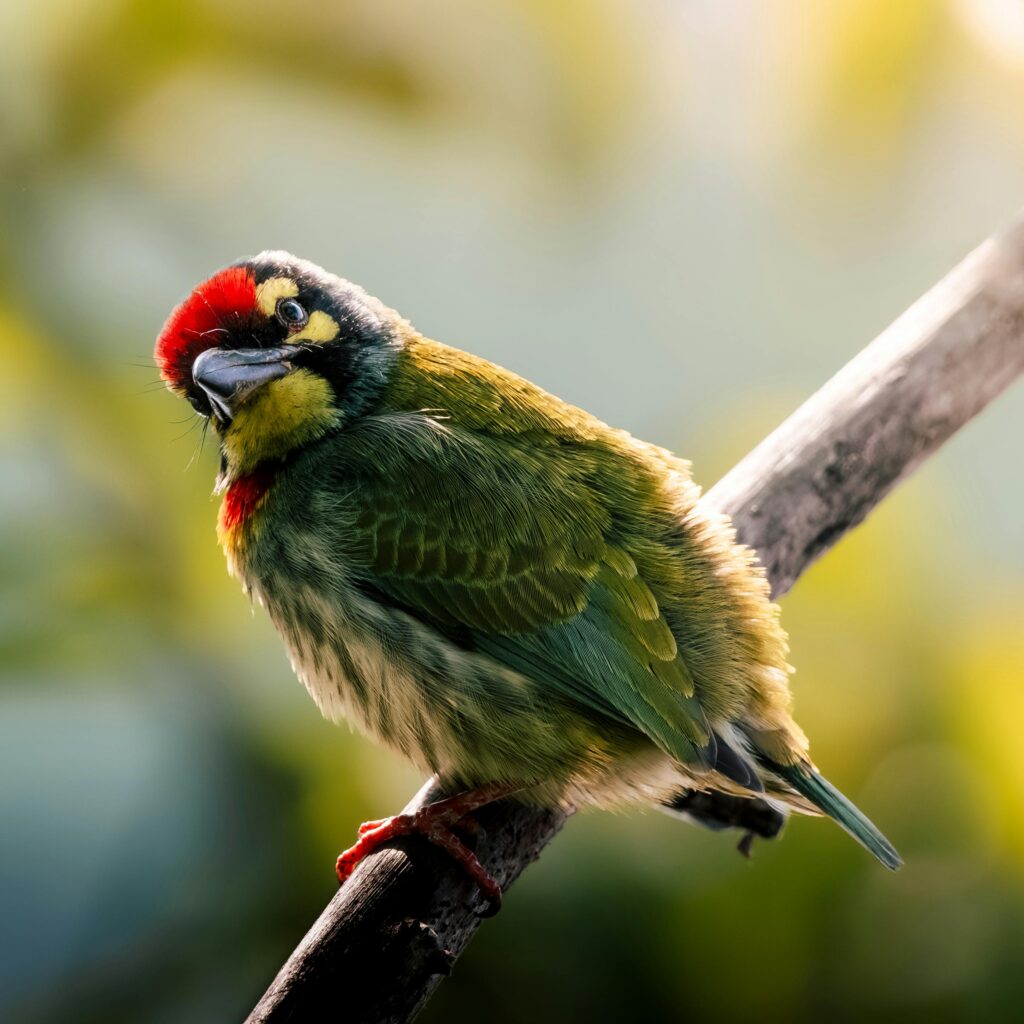
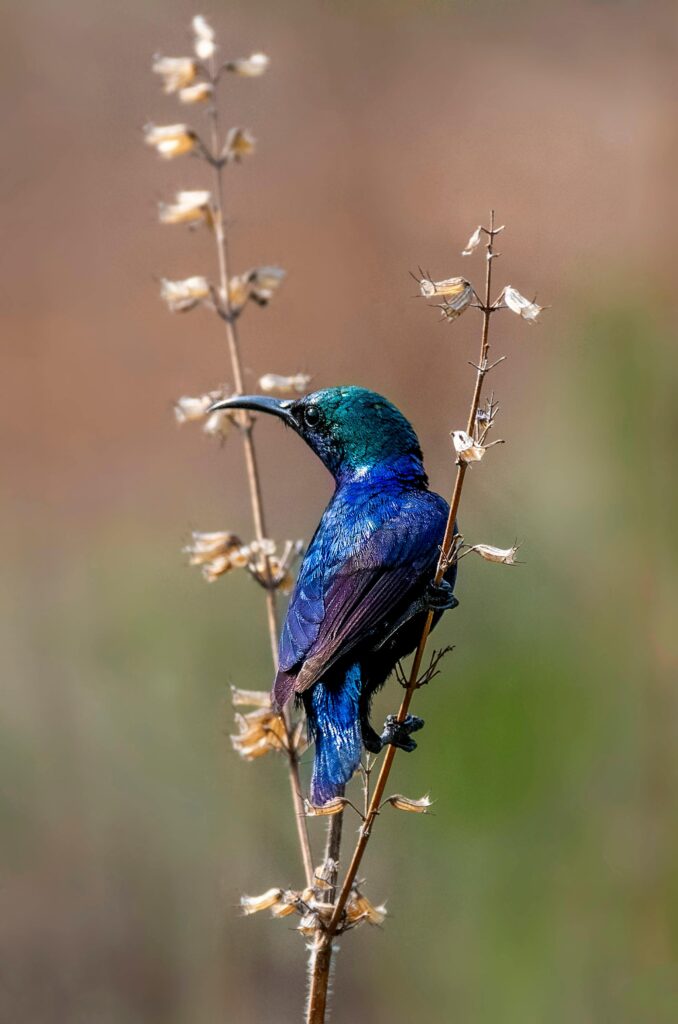
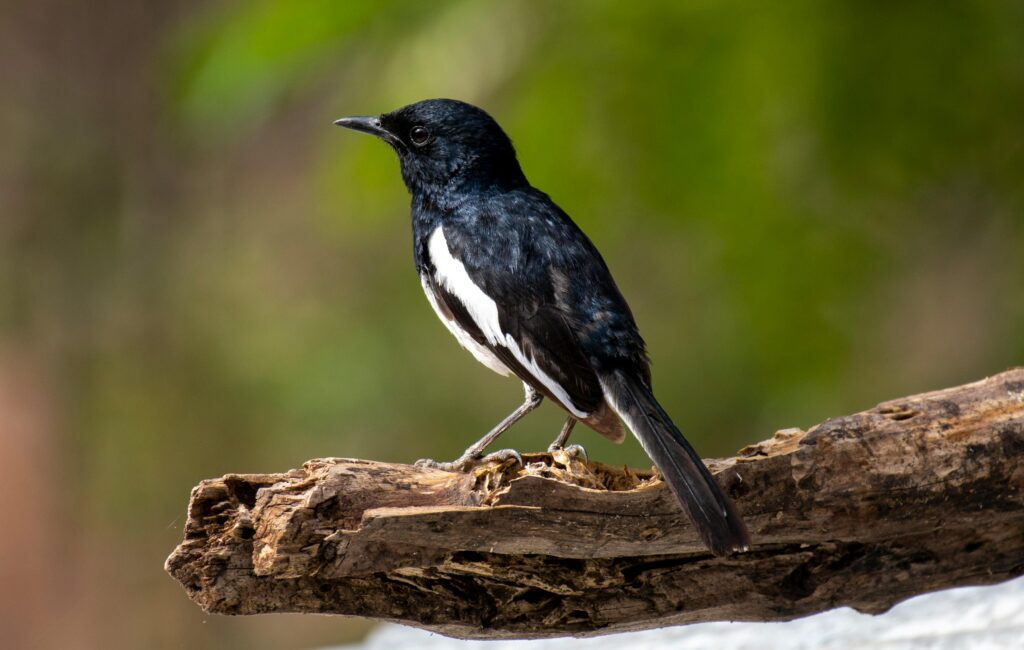
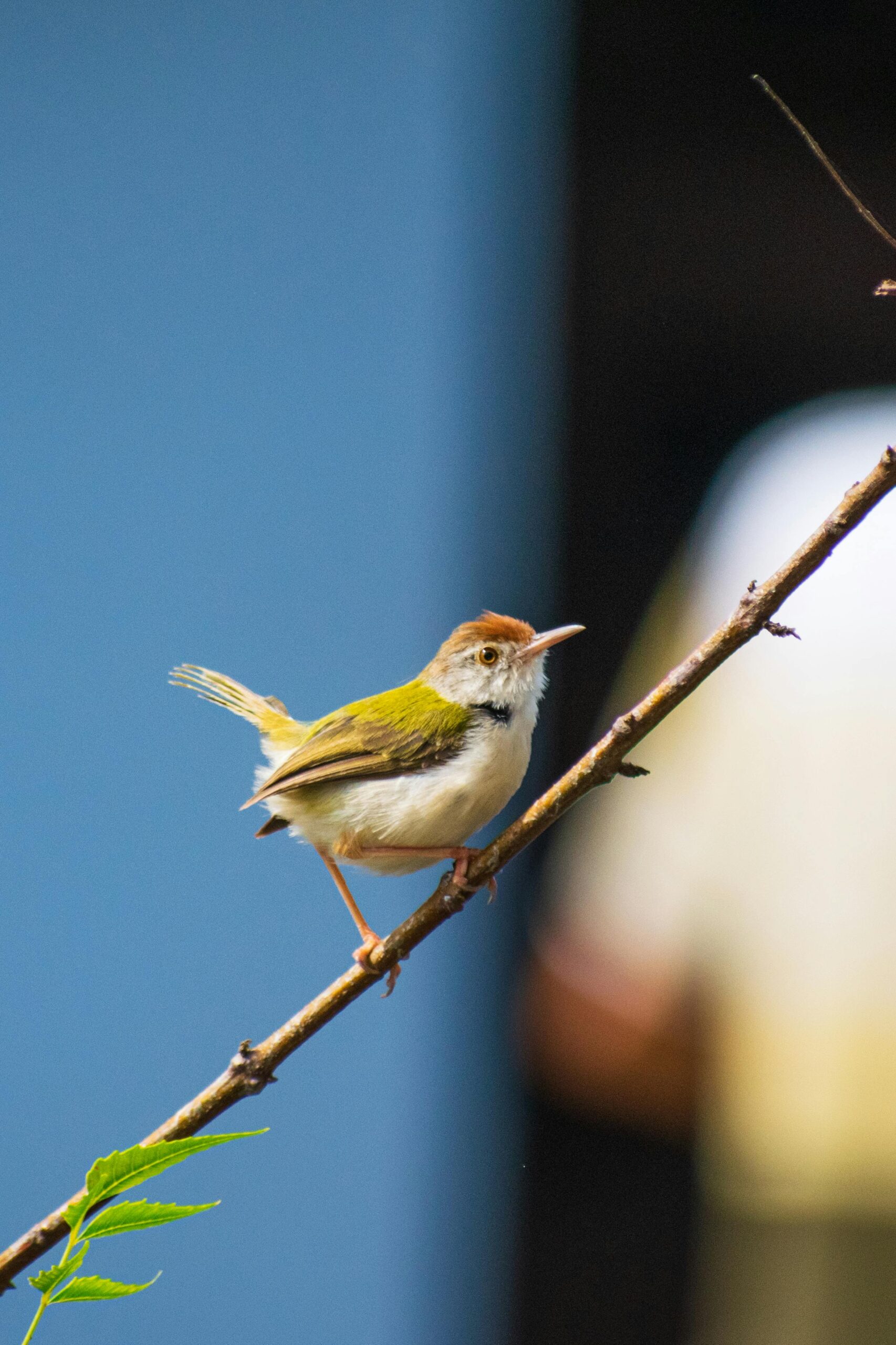
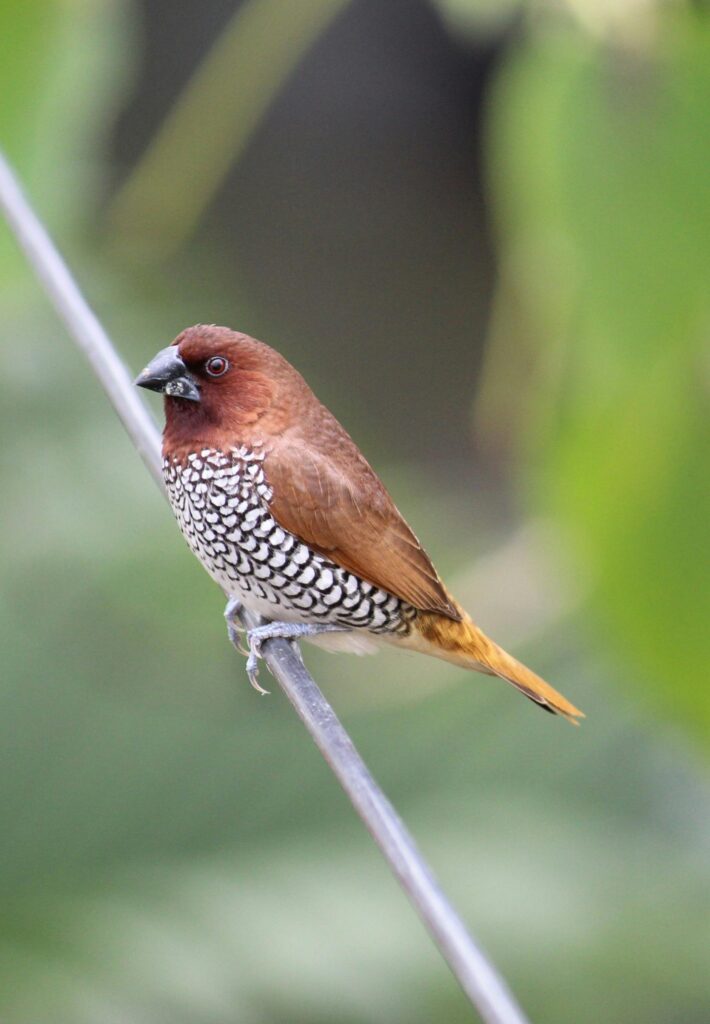
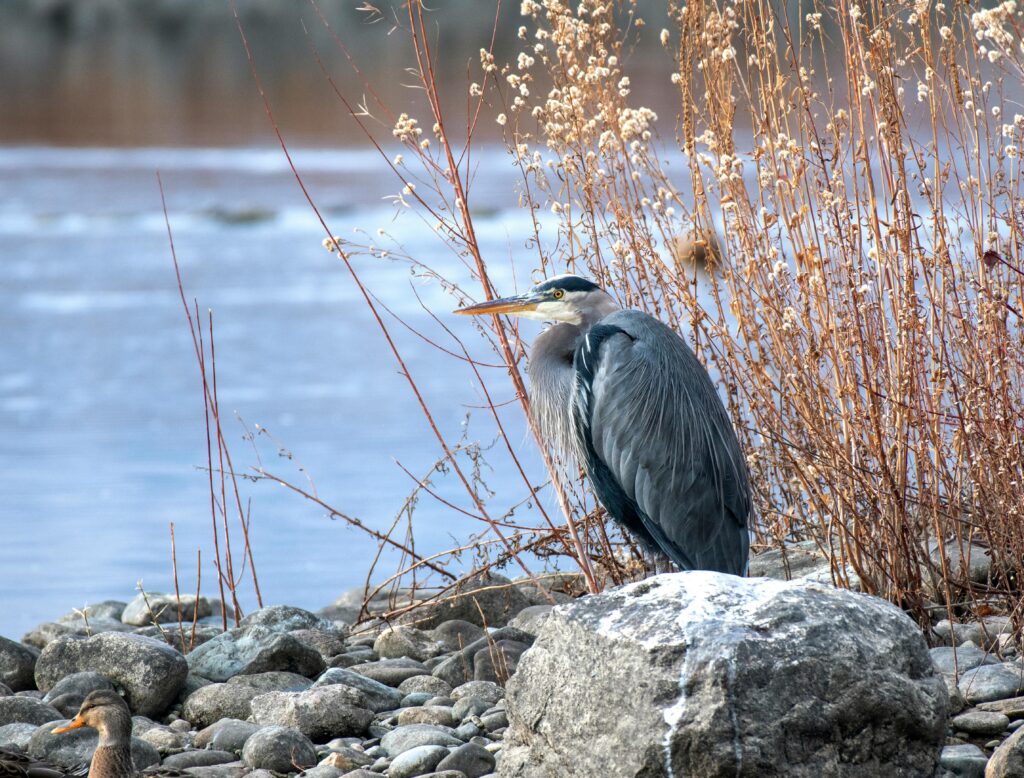
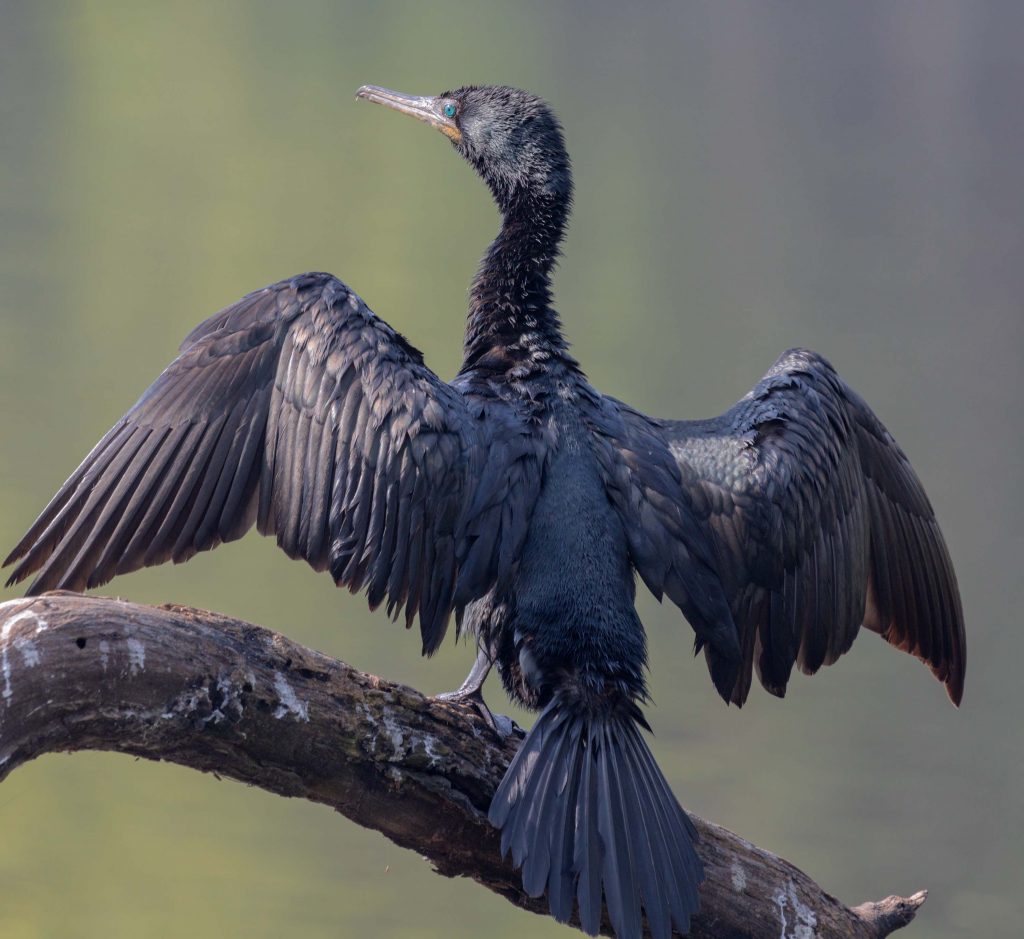
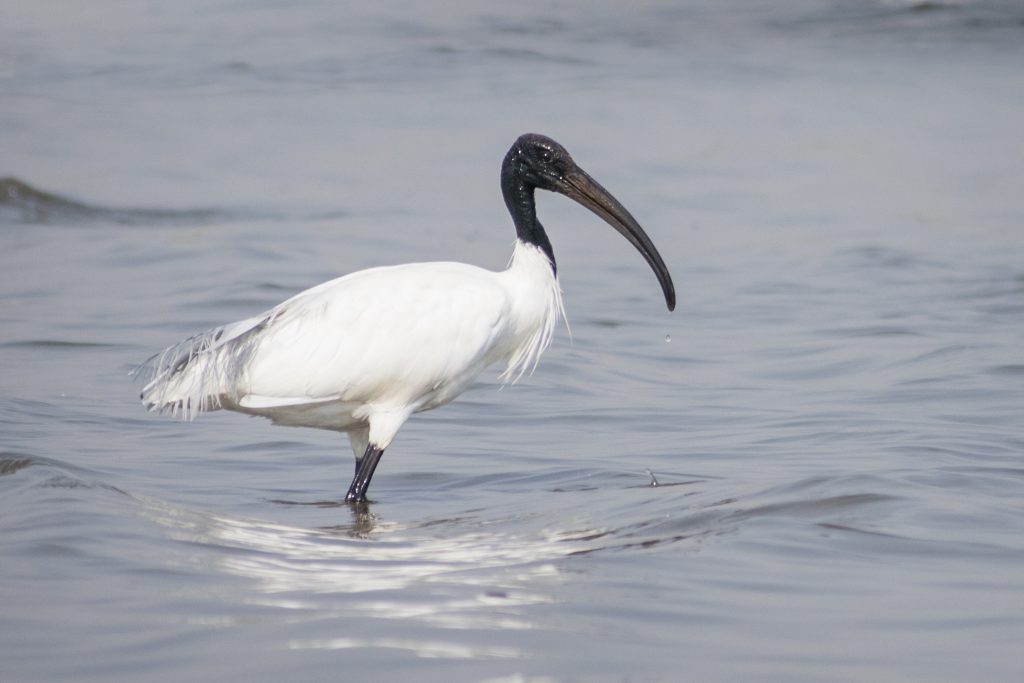
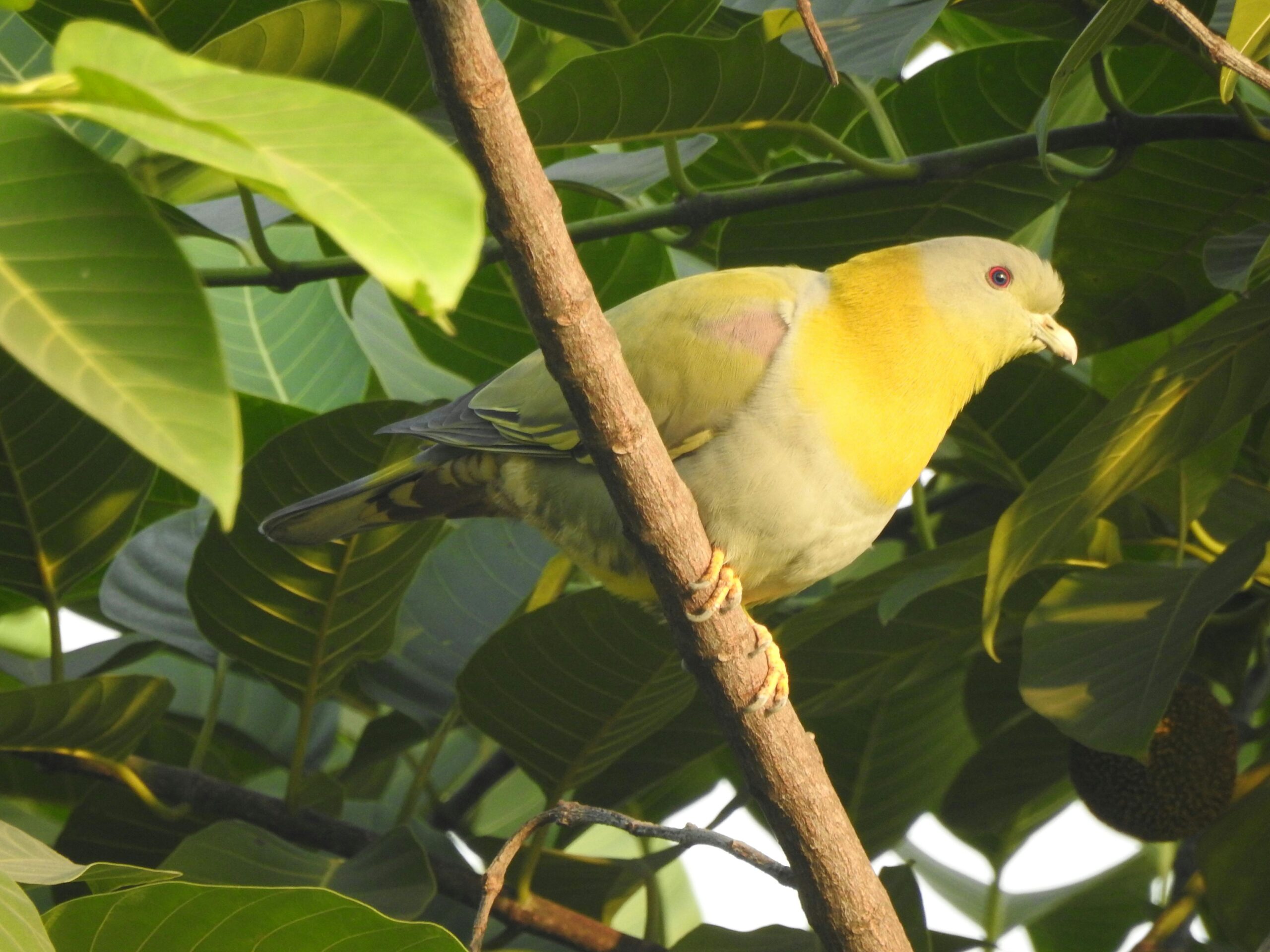
➤ Yellow-footed Green Pigeon — the state bird of Maharashtra
In addition to these iconic residents, Mumbai is also home to a variety of other common species that thrive in the city’s green spaces. Among them, you can often spot the White-breasted Waterhen, Indian Pond Heron, Green Bee-eater, Jungle Babbler, as well as other familiar residents like the House Crow and the Rock Pigeon. These species, along with many others, form a rich tapestry of birdlife that makes Mumbai a vibrant avian hotspot.
Because these birds remain throughout the year, they are ideal for beginner birdwatchers learning identification skills and behaviour patterns.
What Are Migratory Birds?
Migratory birds travel long distances between breeding and feeding grounds based on seasonal changes. These movements are primarily driven by temperature variations, food availability, and breeding requirements. Mumbai becomes especially important during the winter months, when birds migrate from colder regions of Central Asia, Europe, and Siberia to warmer coastal habitats.
Migratory birds typically begin arriving in Mumbai between October and November and depart by March or April.
Here are some migratory species frequently observed in Mumbai and nearby wetlands during the winter:
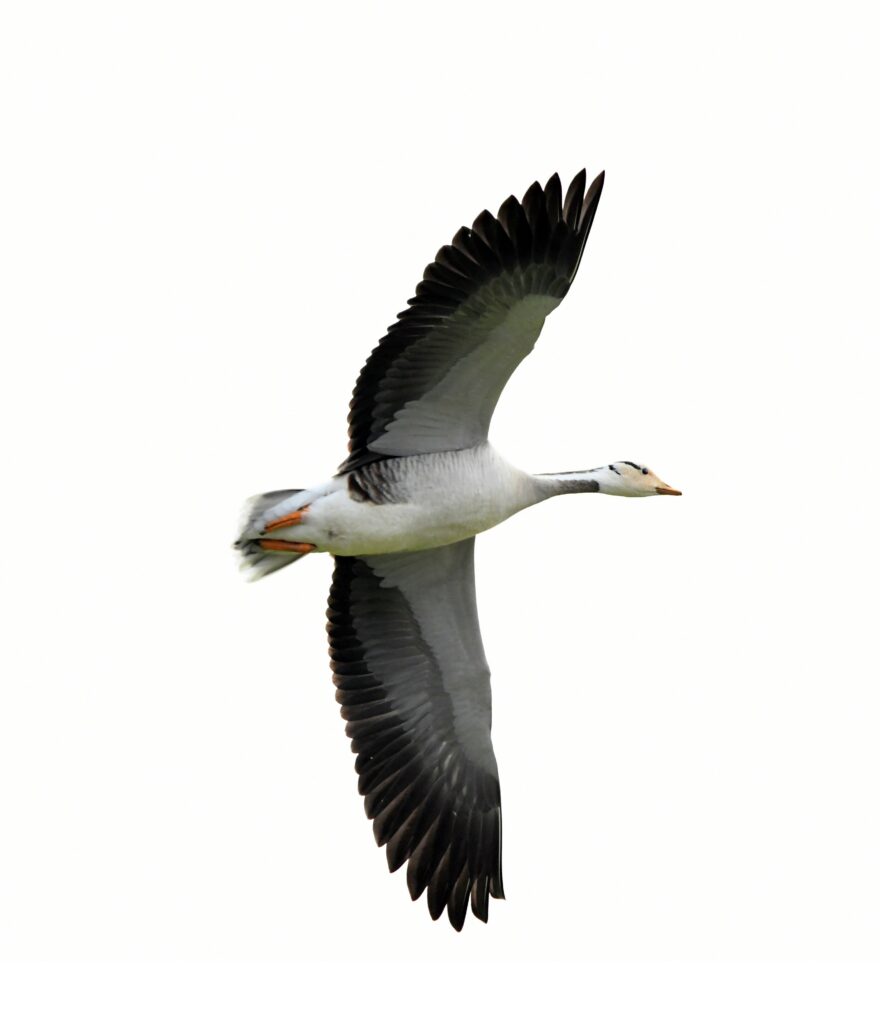
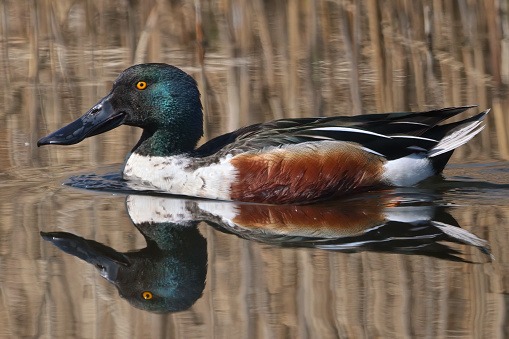
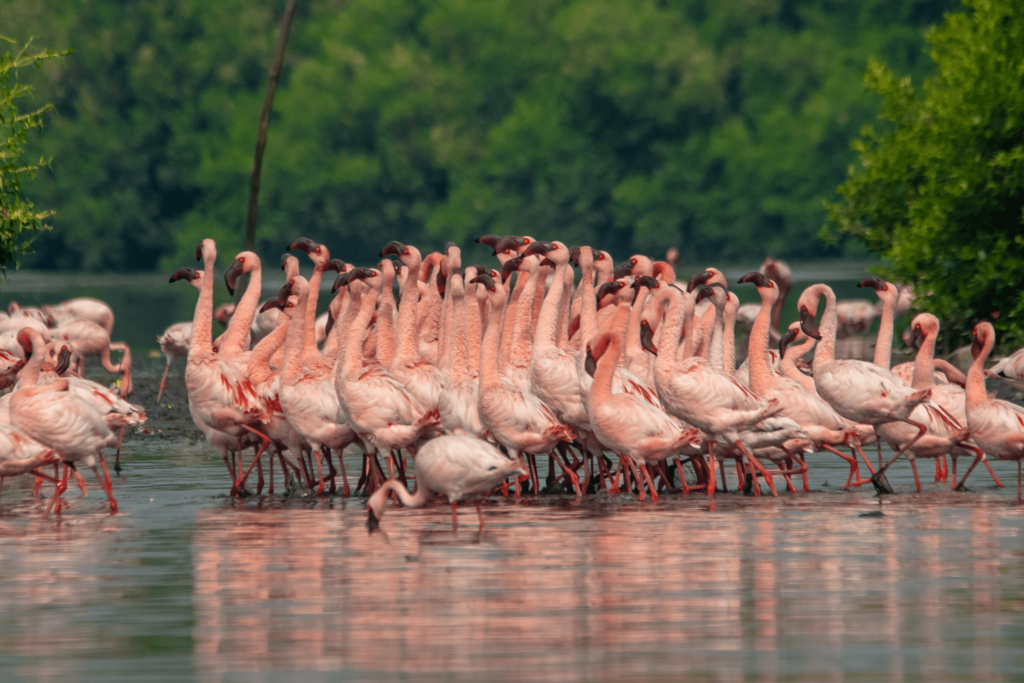
➤ Garganey
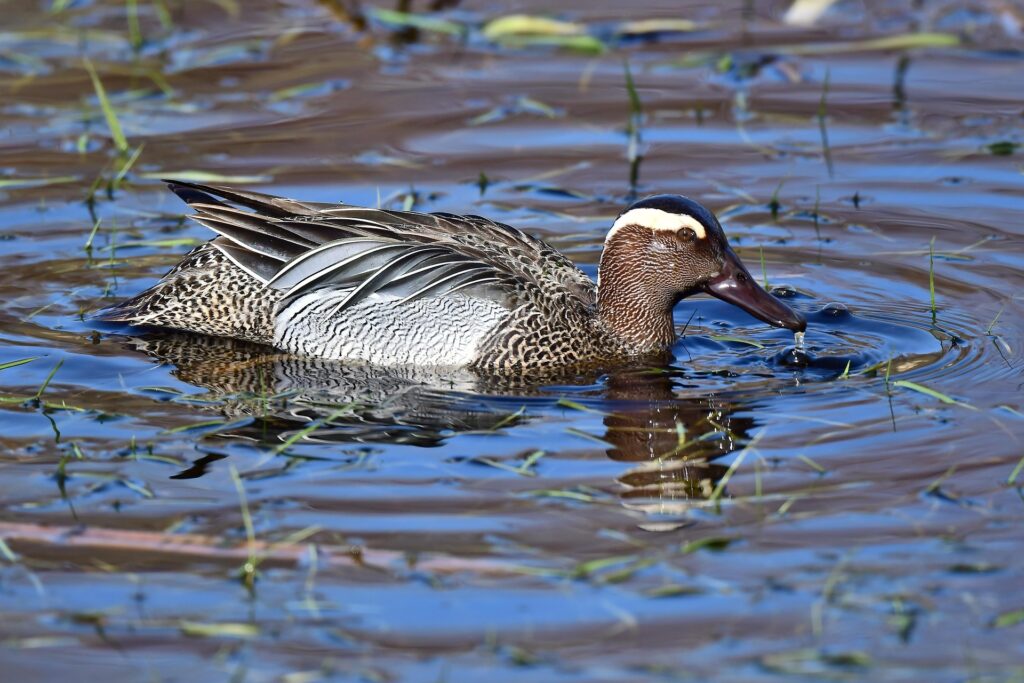
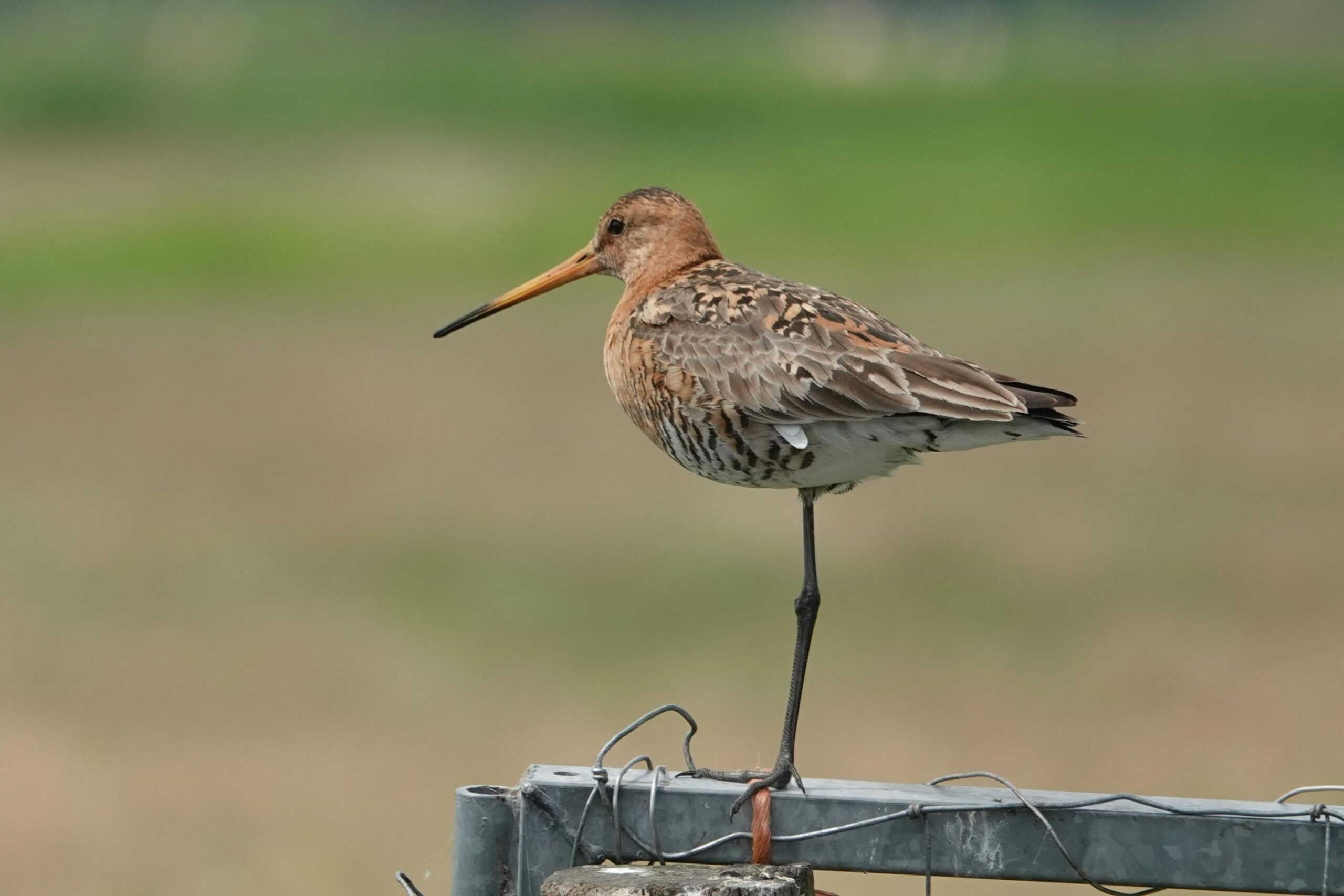
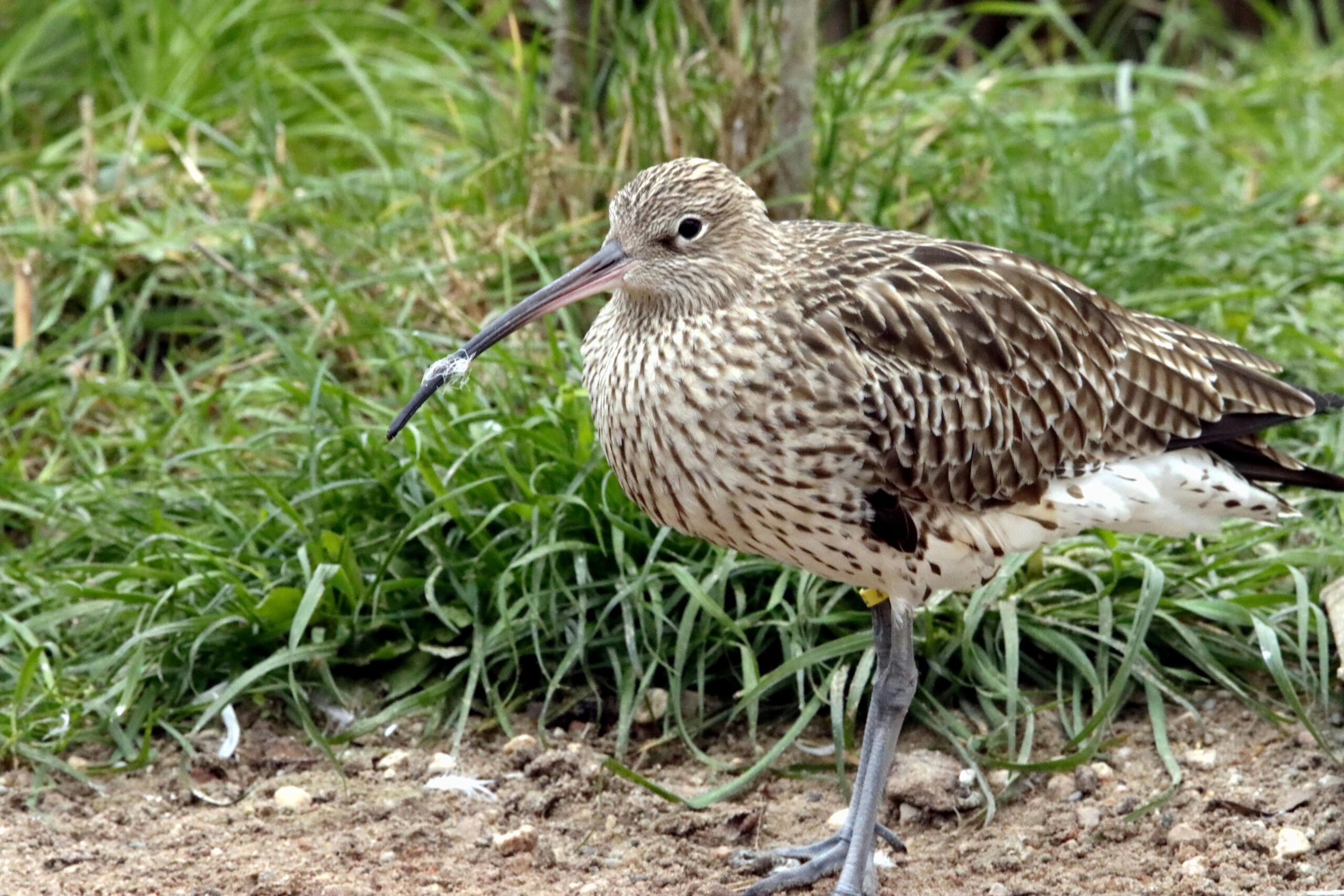
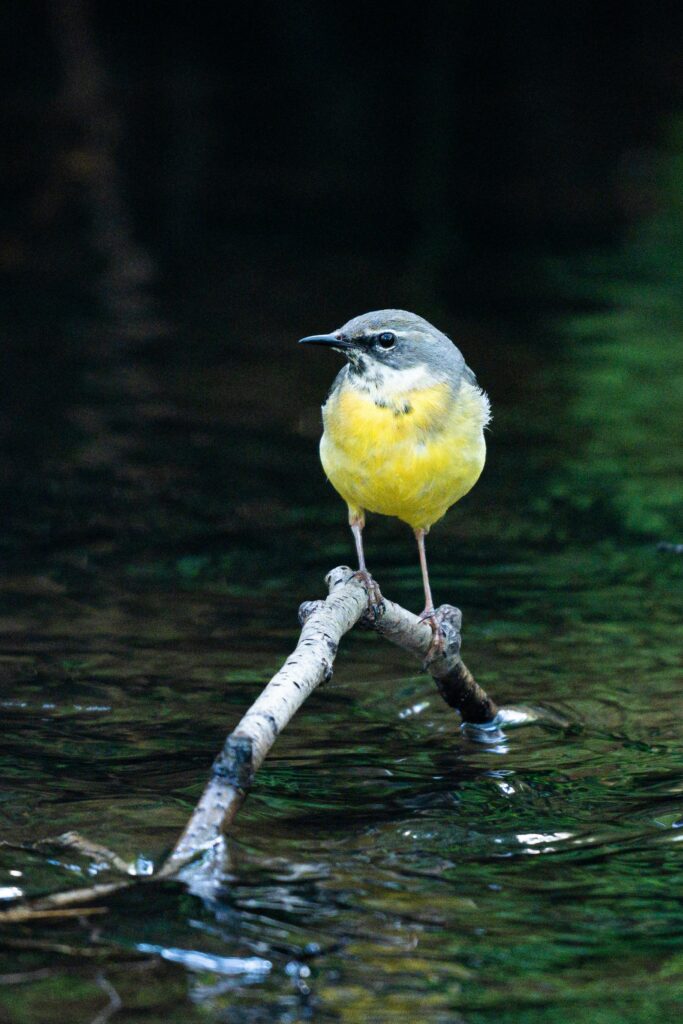
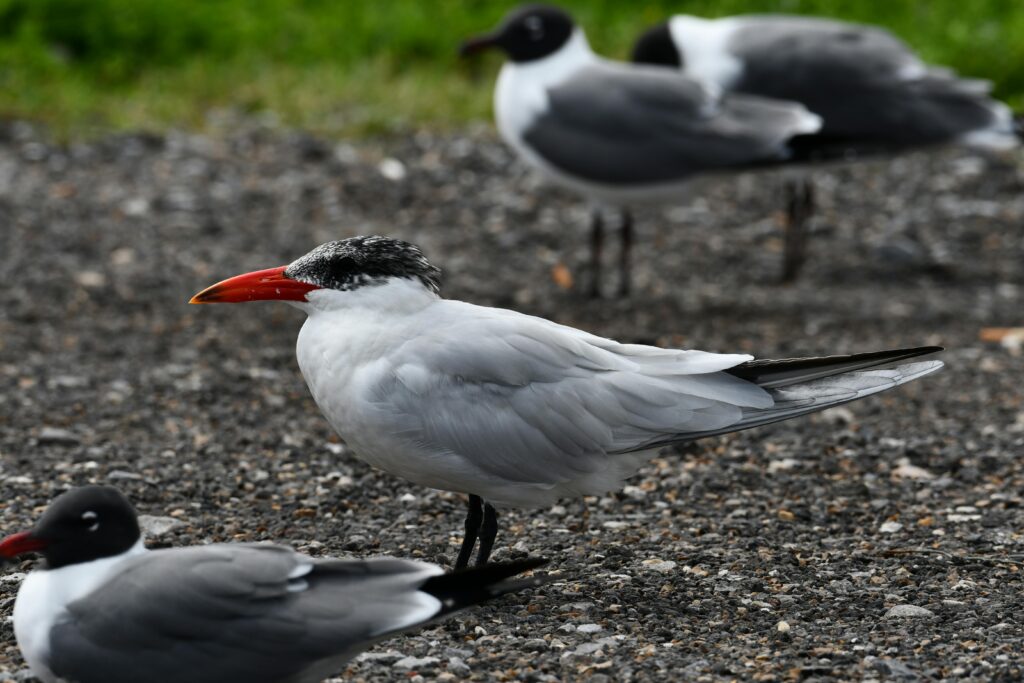
In addition to the species mentioned above, several other migratory birds are also observed in Mumbai during the winter months. These include the Common Tern, the Eurasian Wigeon, the Red-vented Bulbul, the Redshank, and the Common Pochard. Furthermore, birds like the Pintail, the Sandpiper, and the Arctic Tern also make seasonal stops, adding to Mumbai’s rich diversity of winter visitors.
After observing the incredible journeys these birds make, many birders seek to understand endurance patterns — Read: How Migratory Birds Survive 5,000 km Without Rest.
Key Differences Between Resident and Migratory Birds
Although both resident and migratory birds share the same landscapes, their lifestyles differ in clear ways:
➤ Presence Throughout the Year: Residents are present year-round; migrants arrive seasonally, usually in winter.
➤ Movement Patterns: Resident birds maintain stable local territories and small ranges, whereas migratory species travel thousands of kilometres between breeding and wintering grounds.
➤ Adaptability: Residents adapt to local climatic variability; migratory birds depend on networks of habitats across countries and continents to complete their life cycles.
➤ Birdwatching Experience: Residents offer consistent sightings throughout the year, while migratory birds create seasonal birding peaks, especially during winter when bird diversity surges.
Why Seasonal Bird Movement Matters
Seasonal bird movement is not just an observational spectacle — it’s a critical ecological signal. Wetlands, mangroves, and forest patches in the Mumbai Metropolitan Region act as vital stopover points and feeding grounds for migrating birds undertaking exhausting long-distance journeys. These habitats help sustain global bird populations by providing safe refuges where birds can rest, feed and replenish energy reserves.
Changes in migration timing, declining numbers or shifts in traditional routes often indicate environmental stress such as habitat loss, climate change, or water pollution. By observing migratory patterns over time, citizen scientists and birdwatchers can contribute tangible data for conservation efforts — making birdwatching not just a hobby, but a meaningful ecological contribution.
Still reading? Read more about birds: Common Myths About Birds: Facts That Might Surprise You, Nature’s Greatest Teachers: Life Lessons We Learn from Birds.
Conclusion
Mumbai’s birdlife tells a dynamic story shaped by seasons, geography, and global migration routes. Resident birds form the ecological backbone of the city’s biodiversity, while migratory species bring seasonal diversity and excitement to birdwatching experiences each year.
Understanding the difference between resident and migratory birds allows nature enthusiasts to observe habitats more thoughtfully and anticipate changing bird activity across seasons. From everyday garden sightings to rare winter visitors, Mumbai offers year-round opportunities to witness the fascinating rhythm of avian movement — reminding us that even within a busy urban landscape, nature continues to follow ancient migratory cycles.
Never went on a bird walk? Read: Things You’ll Notice Only After Your First Bird Walk — and get ready to see Mumbai’s birds with new eyes.
Join our upcoming guided bird walk which are designed for beginners as well as passionate nature enthusiasts who want to explore biodiversity more meaningfully.