
Wildlife is often misunderstood. Movies, social media, and popular storytelling have created several misconceptions about animals, forests, and natural ecosystems. While these beliefs may sound convincing, many of them are far from reality. Once people begin exploring forests, wetlands, and natural habitats through real wildlife experiences, these myths quickly disappear. Understanding the truth behind wildlife behaviour not only improves safari experiences but also builds respect for nature and conservation.
🐅Myth 1: Wild Animals Are Always Dangerous to Humans
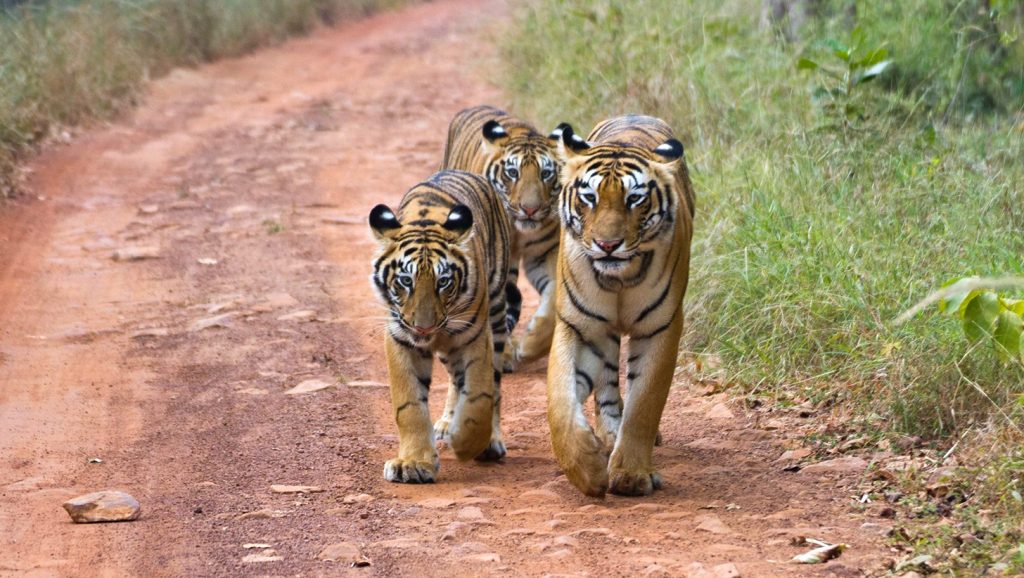
One of the most common misconceptions is that wild animals are constantly aggressive and pose a threat to humans. In reality, most wildlife actively avoids human interaction. Animals attack only when they feel threatened, cornered, or when humans unknowingly enter sensitive zones such as nesting or cub-rearing areas. In protected forests like Tadoba Andhari Tiger Reserve, tiger sightings often show animals calmly walking past safari vehicles without aggression because they do not perceive vehicles as threats. Wildlife survival depends on conserving energy, not unnecessary conflict.
🌙Myth 2: Wildlife Is Active Only at Night
Many people believe forests become active only after sunset. While some species are nocturnal, wildlife activity actually varies depending on temperature, habitat, and season. Early mornings and late evenings are among the most active periods for mammals and birds. During cooler winter months, animals may remain active longer during the day, while in summer they adjust movement to avoid heat. Understanding activity patterns significantly improves wildlife observation opportunities.
🌿Myth 3: Dense Forests Always Mean Better Wildlife Sightings
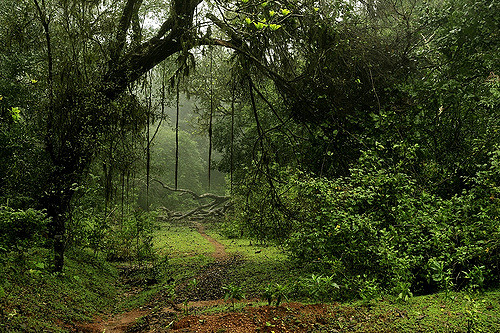
It seems logical to assume thicker forests guarantee more sightings, but the opposite is often true. Dense vegetation provides excellent camouflage, allowing animals to remain hidden even when nearby. As Maharashtra’s deciduous forests shed leaves approaching summer, visibility improves dramatically. This is why summer safaris often provide clearer sightings despite landscapes appearing drier. Forest structure influences visibility far more than animal population density.
🦅Myth 4: Migration Happens Because Birds Get Lost
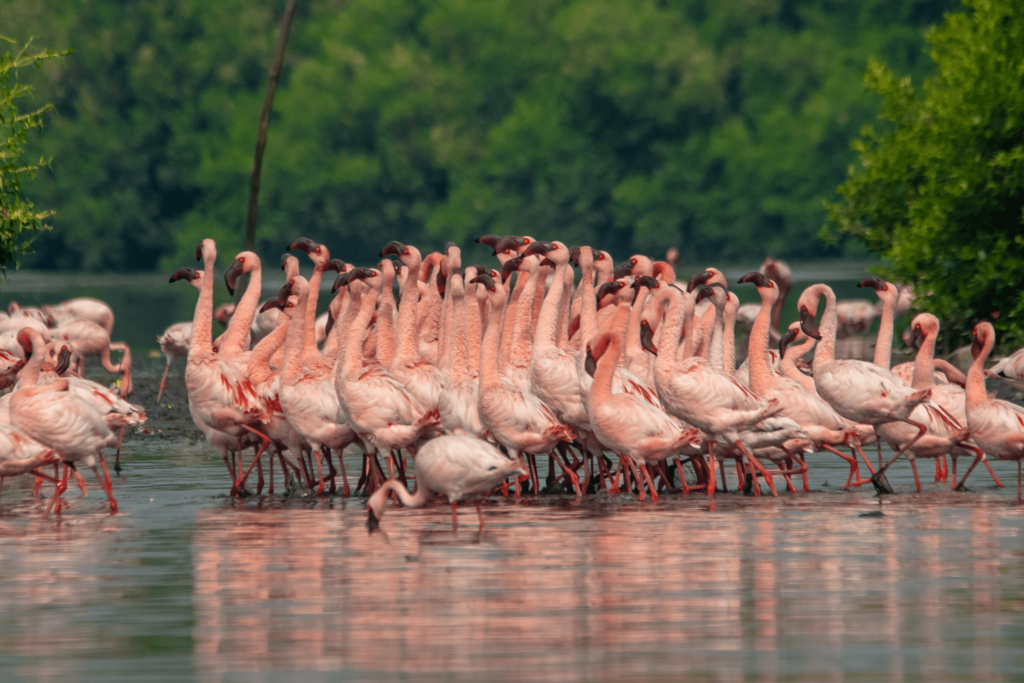
Migratory birds are sometimes thought to wander randomly in search of warmer climates. In reality, migration is one of nature’s most precise survival strategies. Birds follow fixed routes guided by celestial navigation, Earth’s magnetic field, and seasonal environmental cues. Every winter, thousands of flamingos arrive at wetlands such as the Thane Creek Flamingo Sanctuary — where they can be observed up close during the Flamingo Boat Safari, offering a rare opportunity to witness these magnificent migratory birds in their natural habitat. They travel thousands of kilometres with remarkable accuracy to reach feeding grounds that support their survival. Migration is planned adaptation, not accidental movement.
Read: How Migratory Birds Survive 5,000 km Without Rest
🐘Myth 5: Predators Hunt All the Time
Predators are often portrayed as constantly hunting machines. In truth, hunting requires enormous energy and carries risk of injury. Big cats and other predators spend most of their time resting and conserving strength. Successful hunts may occur only a few times a week depending on prey availability. Much of wildlife behaviour revolves around energy efficiency rather than aggression or dominance.
🌾Myth 6: Wildlife Exists Only Inside National Parks
Another widespread belief is that wildlife survives only within protected reserves. However, many species thrive in urban wetlands, agricultural landscapes, grasslands, and mangrove ecosystems. Birds, reptiles, and small mammals adapt remarkably well to shared landscapes when habitats remain undisturbed. Urban biodiversity hotspots around cities demonstrate that conservation extends beyond park boundaries.
🐾Myth 7: Summer Is a Bad Time for Wildlife Safaris
Many travellers assume summer is unsuitable for forest visits due to heat. Ecologically, summer is one of the most rewarding wildlife seasons. As water sources reduce, animals gather around predictable locations, increasing sighting opportunities. Predator-prey interactions become easier to observe, and animal movement patterns are more consistent compared to winter dispersion. Each season offers different advantages rather than limitations.
Read: Why Summer is Actually a Great Season for Trekking in Maharashtra, 10 Best Summer Treks Near Mumbai to Beat the Heat.
📸Myth 8: Wildlife Experiences Are Only for Experts or Photographers
Wildlife exploration is often perceived as a niche activity meant only for professional photographers or serious naturalists. In reality, guided experiences are designed for beginners, families, students, and curious travellers. Observation, learning, and connection with nature matter far more than technical expertise or equipment. Many first-time participants discover wildlife simply through curiosity and patience.
WHY CORRECTING WILDLIFE MYTHS MATTERS
Misconceptions influence how people interact with nature. Fear, unrealistic expectations, or misinformation can reduce appreciation for ecosystems and conservation efforts. Understanding real wildlife behaviour encourages responsible tourism, habitat protection, and coexistence with natural environments. Wildlife is not dramatic or violent by default — it is balanced, adaptive, and deeply interconnected with seasonal and environmental change.
Our guided wildlife and birding experiences are designed to help travellers see nature as it truly is — beyond assumptions and popular myths. Because the moment you observe wildlife in its natural habitat, the forest stops being a story you’ve heard and becomes an experience you genuinely understand.
Still reading? Explore more: Best Birdwatching Destinations in India Every Birder Should Visit, India’s Best Wildlife Experiences: Safaris, Birding and Forest Adventures, A Beginner’s Guide to Planning Your First Jungle Safari in India
Join us and experience the wild the way it was meant to be discovered.