
The Science Behind One of Nature’s Greatest Journeys
Every year, millions of migratory birds undertake journeys that seem almost impossible.
Some travel over 5,000 kilometres — sometimes even more — across oceans, deserts, mountains, and changing climates, often with little or no rest. These journeys connect continents and ecosystems, bringing seasonal visitors to wetlands, forests, and coastal habitats across India.
But the real question is:
How do such small creatures survive flights that challenge even modern aircraft routes?
The answer lies in extraordinary biological adaptations perfected over millions of years.
Migration Is Not Random — It’s Precision Navigation
Migratory birds do not simply fly in one direction hoping to reach land. Their journeys follow highly accurate migration routes developed through instinct and environmental cues.
Birds navigate using:
- The position of the sun during daytime
- Star patterns at night
- Earth’s magnetic field
- Wind direction and atmospheric pressure
- Landmarks such as rivers, coastlines, and mountain ranges
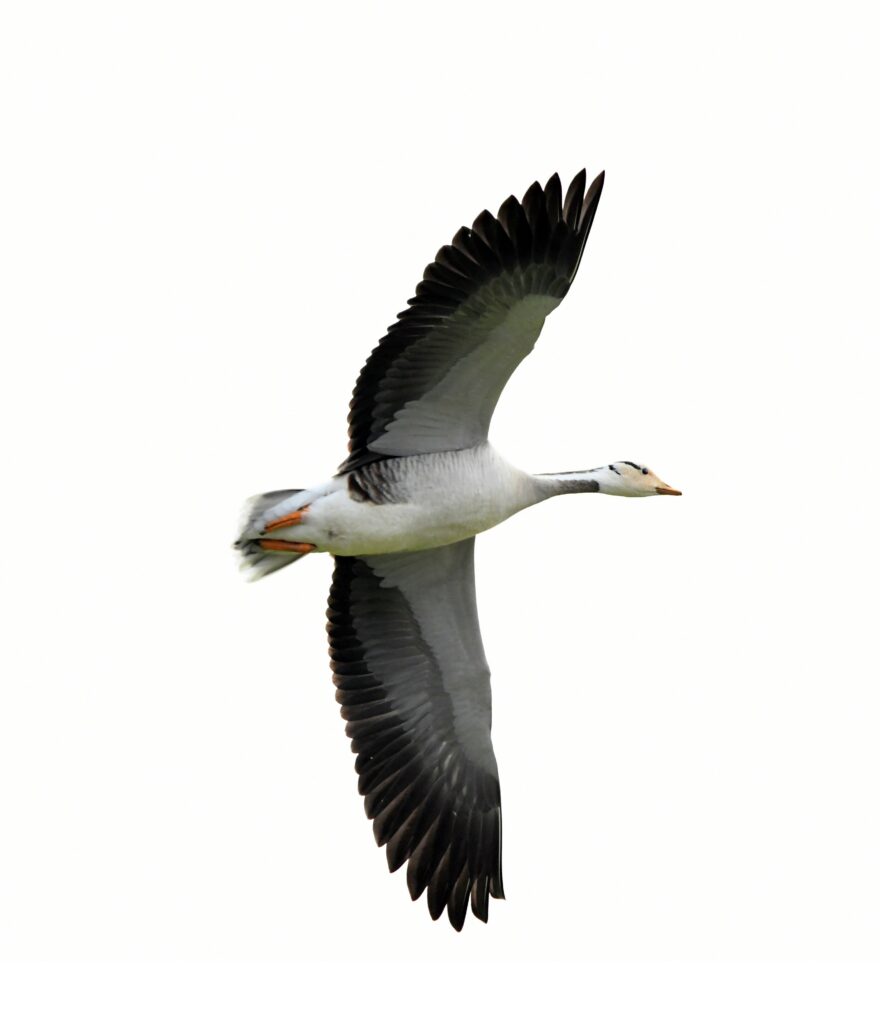
Species like the Bar-headed Goose, which migrates across the Himalayas, demonstrate remarkable navigation accuracy year after year, often returning to the exact same breeding or wintering grounds.
Built for Endurance: The Ultimate Flying Body
Before migration begins, birds undergo dramatic physical transformation.
They enter a phase called hyperphagia, where they eat continuously to build fat reserves. Unlike humans, migratory birds rely on fat as their primary fuel because it provides extremely high energy efficiency.
During long flights:
- Body fat can reduce by nearly 40–50%
- Organs temporarily shrink to conserve energy
- Flight muscles become stronger and more oxygen-efficient
This allows some species to remain airborne for days without stopping.
Sleeping While Flying — Yes, It Happens
One of the most fascinating survival strategies is unihemispheric sleep.
Certain migratory birds can rest one half of their brain while the other half remains alert enough to maintain flight direction and avoid danger. This enables brief periods of recovery without landing.
Flocking species also benefit from group movement, where individuals rotate positions to reduce air resistance and conserve energy.
An extraordinary example is the Common Swift, famous for spending most of its life in the air. Outside the breeding season, it can remain airborne for months — feeding on aerial insects, drinking raindrops, and even sleeping while flying — making it one of the most remarkable endurance flyers in the natural world.

Riding the Wind Instead of Fighting It
Migratory birds are expert energy managers. Rather than constantly flapping their wings, many species use natural air currents to travel efficiently.
They take advantage of:
- Tailwinds for faster travel
- Thermal updrafts to gain altitude
- Glide patterns to conserve energy
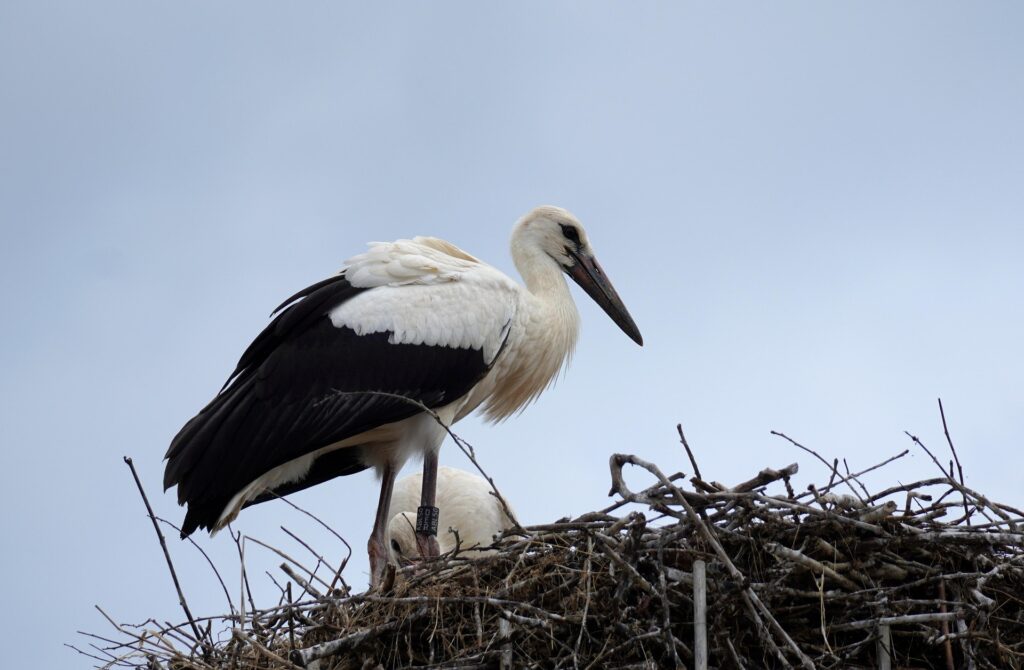
Large birds such as storks and raptors can travel hundreds of kilometres while expending minimal energy by soaring on warm rising air.
Real Example: The Flamingos Visiting Mumbai
Every winter, thousands of Greater and Lesser Flamingos migrate to wetlands around Mumbai, including the mangrove ecosystems of the Thane Creek Flamingo Sanctuary — where they can be observed up close during the Flamingo Boat Safari, offering a rare opportunity to witness these magnificent migratory birds in their natural habitat..
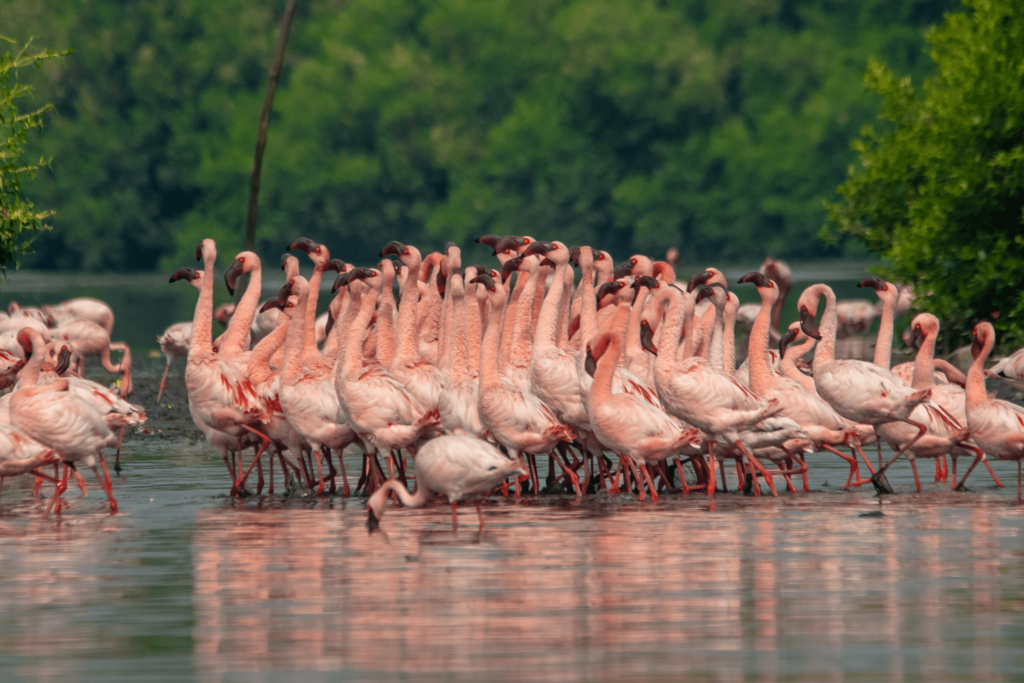
These flamingos travel from breeding grounds such as the Rann of Kutch in Gujarat, hundreds of kilometres away, and some flocks or flamboyances are even believed to include birds coming via regions like Pakistan, Iran, and the Middle East before arriving in large synchronized flocks precisely when feeding conditions around Mumbai’s wetlands become ideal.
Their survival depends on:
- Strategic stopover wetlands
- Energy-rich feeding grounds
- Favorable seasonal winds
This highlights how interconnected global ecosystems truly are.
Nonstop Champions of Migration
Some birds push endurance to astonishing limits.
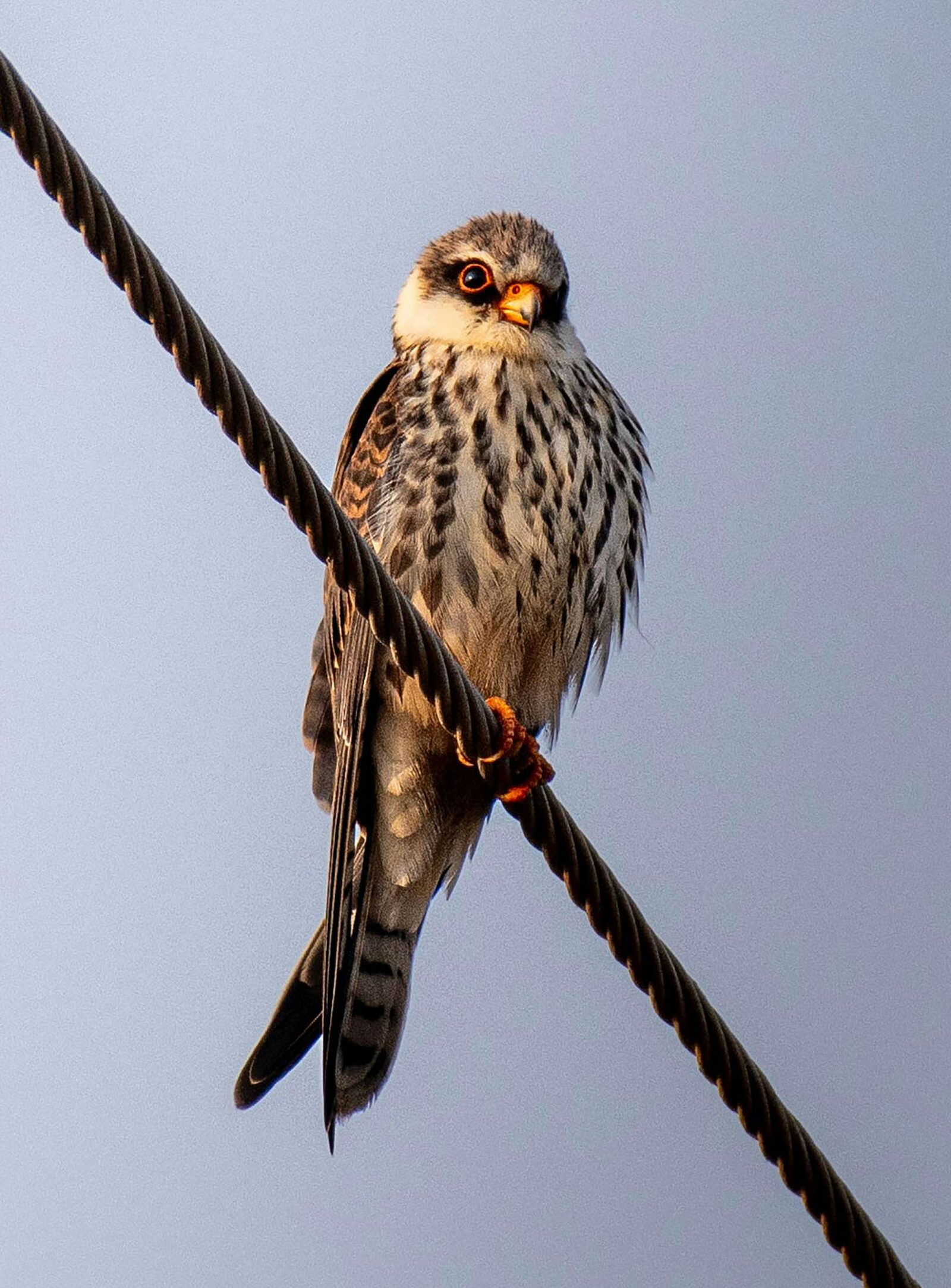
The Amur Falcon, for example, completes one of the longest uninterrupted migrations in the world, flying across the Arabian Sea during its journey between Asia and Africa.
Similarly, the Bar-tailed Godwit holds records for nonstop flights exceeding 10,000 km over open ocean without landing.
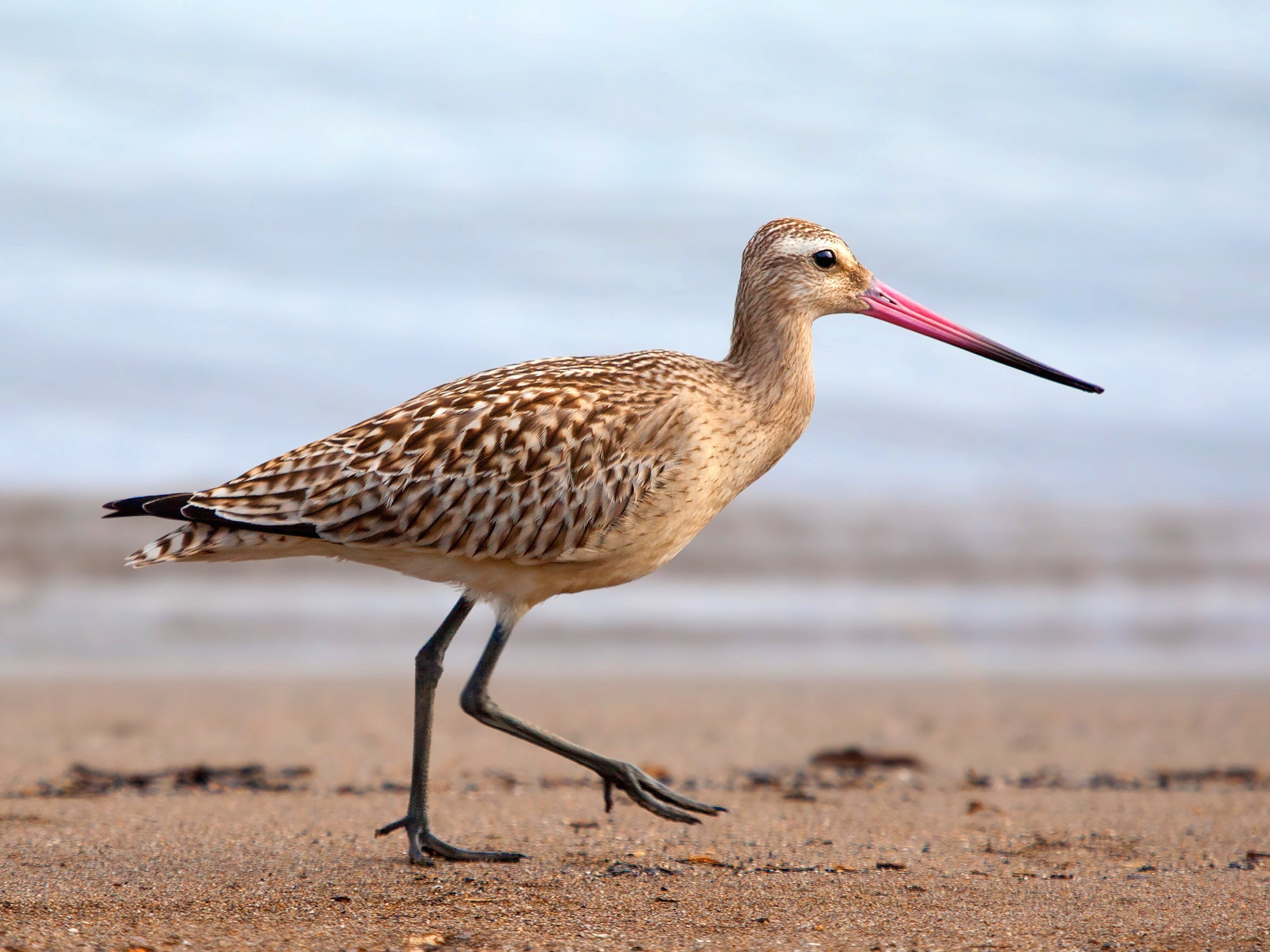
These journeys demonstrate biological efficiency unmatched in the animal kingdom.
Timing Is Everything
Migration timing is critical for survival.
Birds synchronize departure with:
- Food availability
- Temperature changes
- Breeding cycles
- Daylight duration
Arriving too early or too late can mean lack of food or unsuitable habitat conditions. This precision ensures survival across generations.
Why Migratory Birds Still Face Challenges
Despite their incredible abilities, migratory birds depend heavily on safe habitats along migration routes.
Major threats include:
- Wetland loss
- Urban expansion
- Climate change
- Light pollution
- Habitat fragmentation
Even a single disrupted stopover site can impact entire migratory populations.
Protecting wetlands, mangroves, and coastal ecosystems directly supports these global travellers.
Witness Migration Firsthand
Migration is not just a scientific phenomenon — it is one of nature’s most spectacular seasonal events.
Our guided birding experiences and flamingo safaris allow participants to observe migratory species in their natural habitats while understanding the science behind their journeys.
Because once you witness migration closely, a flock flying overhead is no longer just birds in the sky — it becomes a story of survival, endurance, and global connection.
Enjoyed reading? Discover more: Nature’s Greatest Teachers: Life Lessons We Learn from Birds, Why Guided Bird Walks Are Better Than Exploring Alone, 10 Birds Every Beginner Birder Should Learn to Identify in India.