
Stretching for over 1,600 km along India’s western coast, the Western Ghats are widely recognised as one of the most important biodiversity regions on the planet. Declared a UNESCO World Heritage landscape, these ancient mountains support an extraordinary concentration of wildlife, plants, and ecosystems found nowhere else on Earth.
From mist-covered rainforests and montane grasslands to river valleys and evergreen forests, the Western Ghats contain a remarkable variety of habitats. This diversity has allowed thousands of species to evolve in isolation over millions of years, making the region one of the world’s most biologically rich and scientifically significant natural landscapes.

For wildlife enthusiasts, birdwatchers, photographers, and conservationists, the Western Ghats represent one of India’s greatest ecological treasures.
A Global Biodiversity Hotspot
The term biodiversity hotspot refers to regions that contain exceptional levels of species diversity but also face significant conservation threats. According to the conservation organisation Conservation International, a region qualifies as a biodiversity hotspot if it has at least 1,500 endemic plant species and has lost a large portion of its original habitat.
The Western Ghats easily meet these criteria.
Scientists estimate that the region contains:
➤ Over 7,000 species of flowering plants
➤ More than 500 bird species
➤ Around 140 mammal species
➤ Over 220 reptile species
➤ Hundreds of amphibians and freshwater fish
What makes the Western Ghats particularly special is the high percentage of endemic species, meaning they are found nowhere else in the world.
Exceptional Levels of Endemism
Isolation and varied climate zones have allowed species in the Western Ghats to evolve uniquely over millions of years. As a result, a large number of animals and plants found here cannot be seen anywhere else on Earth.
Some iconic endemic wildlife species include:
➤ Lion-tailed Macaque – a rare rainforest primate with a distinctive silver mane
➤ Nilgiri Tahr – an endangered mountain goat adapted to steep cliffs
➤ Malabar Giant Squirrel – one of the most colourful squirrels in the world
➤ Purple Frog – a strange underground amphibian discovered only in 2003
➤ Malabar Trogon – a striking rainforest bird loved by bird photographers
➤ Great Hornbill – one of the largest forest hornbills in Asia
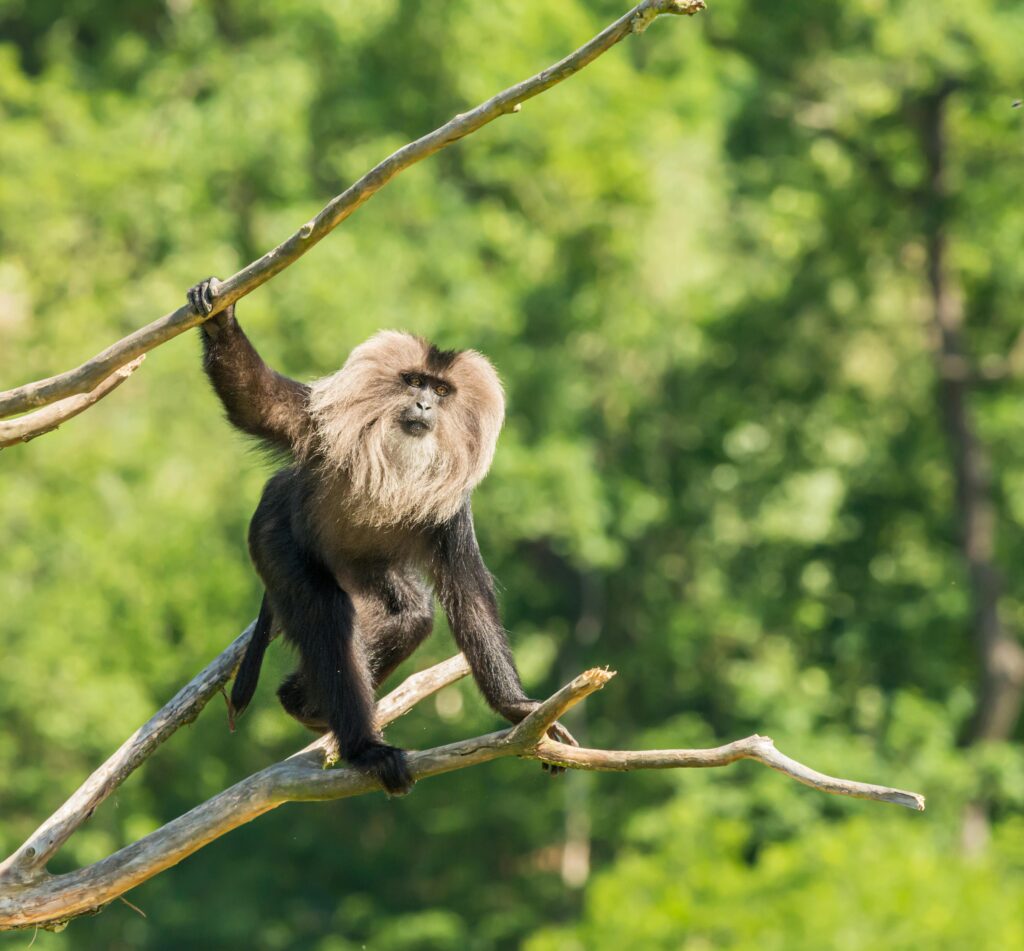
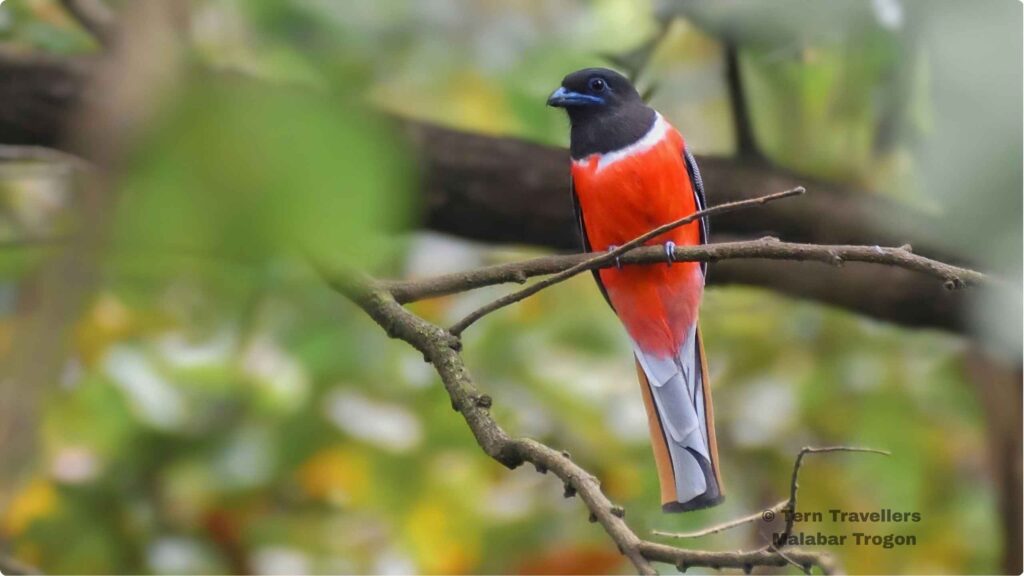
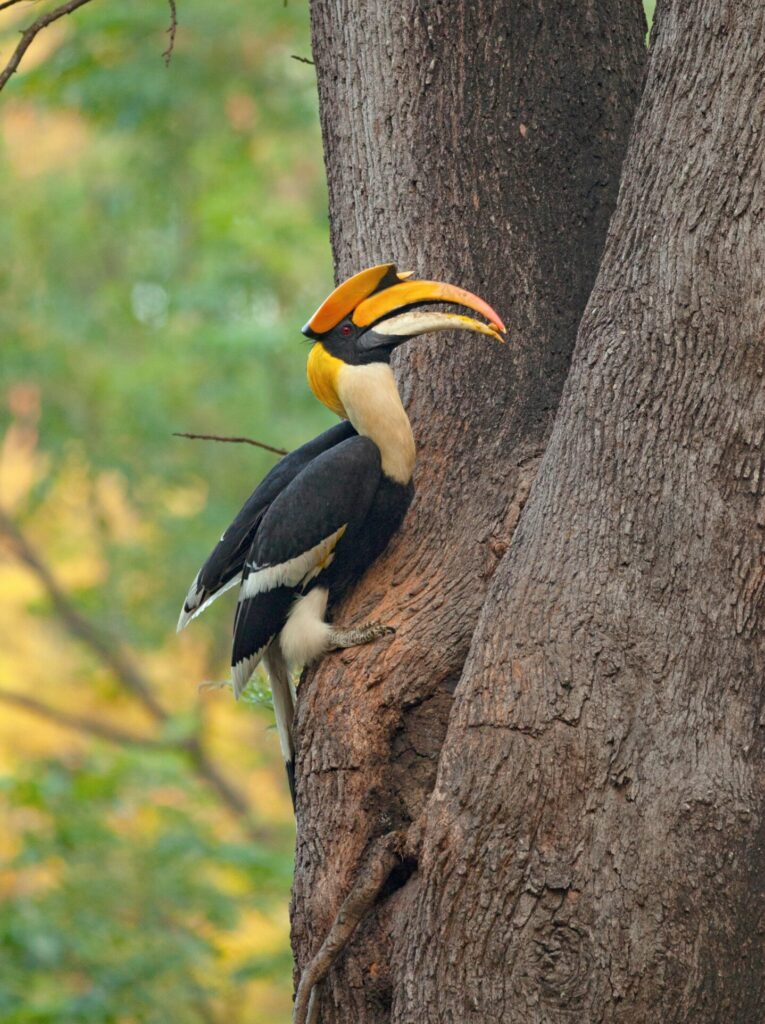
Many of these species rely on very specific habitats such as high-altitude shola forests, dense evergreen jungles, or river ecosystems.
Because of this habitat specialisation, even small changes in the environment can affect their survival, making conservation extremely important.
Rainforests That Support Incredible Life
The dense rainforests of the Western Ghats are among the most productive ecosystems in India. These forests receive heavy monsoon rainfall, creating ideal conditions for complex food chains and ecological interactions.
Large mammals such as the Bengal Tiger, Asian Elephant, and Indian Gaur move through these forests, while smaller species such as civets, flying squirrels, and reptiles thrive in the dense vegetation.
The rainforest canopy supports colourful birds including:
➤ Malabar Grey Hornbill
➤ White-bellied Treepie
➤ Nilgiri Flycatcher
➤ Black-and-orange Flycatcher
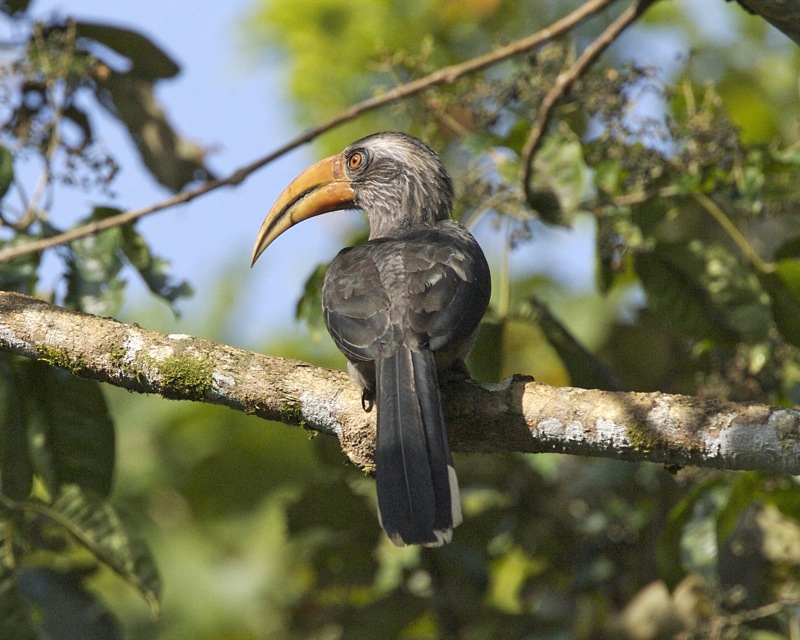
For birdwatchers and wildlife photographers, these forests offer some of the most rewarding wildlife experiences in India.
One of the Best Regions for Birdwatching in India
Bird diversity in the Western Ghats is exceptionally high. The region supports both resident forest birds and migratory species, making it a paradise for birders.
Several endemic birds make the Western Ghats particularly exciting for wildlife enthusiasts, including:
➤ Malabar Whistling Thrush
➤ Grey-headed Bulbul
➤ Wayanad Laughingthrush
➤ Nilgiri Wood Pigeon
Many of these species inhabit dense rainforest canopies, requiring patience, quiet observation, and expert guidance to spot them.
This is why guided birding expeditions and small-group wildlife tours have become increasingly popular for travellers visiting the Western Ghats.
Important Protected Areas in the Western Ghats
To protect this extraordinary biodiversity, many parts of the Western Ghats are safeguarded as national parks and wildlife reserves.
Some of the most famous protected landscapes include:
➤ Nagarhole National Park – known for tigers, elephants, and birdlife
➤ Bhadra Tiger Reserve – one of the best places to see the elusive black panther
➤ Silent Valley National Park – a pristine rainforest ecosystem
➤ Periyar Tiger Reserve – famous for elephants and scenic lake safaris
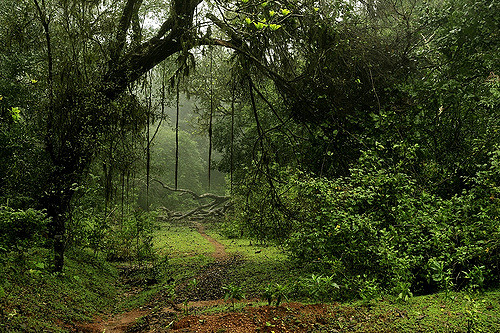
These protected areas play a vital role in conserving habitats and maintaining wildlife populations.
A Living Laboratory for Scientists
The Western Ghats are not just important for wildlife tourism — they are also one of the most significant ecological research regions in the world.
Scientists studying evolution, climate change, ecology, and species adaptation often conduct research here because the region contains many ancient ecosystems that have remained relatively stable for millions of years.
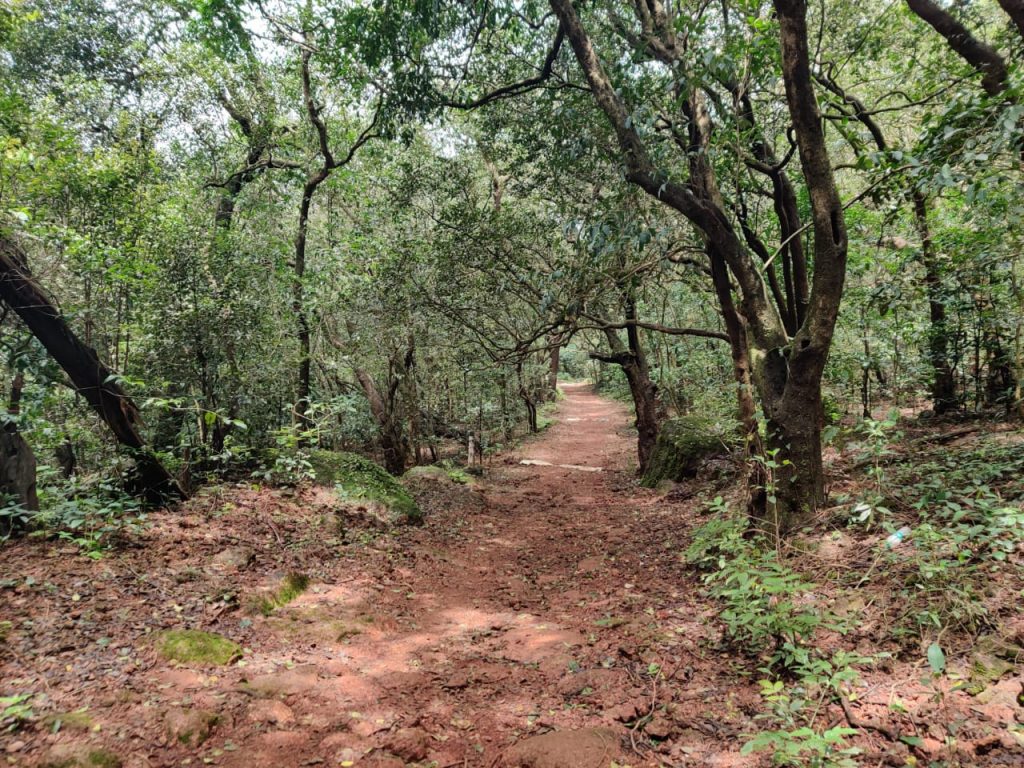
New species are still being discovered in the Western Ghats every year, particularly among amphibians, insects, and plants.
This ongoing discovery highlights how much biodiversity still remains hidden within these forests.
Threats to the Western Ghats Ecosystem
Despite their ecological importance, the Western Ghats face several environmental pressures.
Major challenges include:
➤ Deforestation and habitat fragmentation
➤ Agricultural expansion
➤ Infrastructure development
➤ Climate change
➤ Human–wildlife conflict
Protecting the Western Ghats requires careful conservation planning, sustainable tourism, and community participation.
Responsible travel and wildlife tourism can play a positive role by supporting conservation awareness and protecting natural habitats.
Why Nature Travellers Love the Western Ghats
For outdoor explorers, the Western Ghats offer an unmatched combination of wildlife, adventure, and scenic beauty.
Visitors can experience:
➤ Rainforest trekking
➤ Birdwatching expeditions
➤ Wildlife photography tours
➤ Camping in forest landscapes
➤ Nature trails through ancient ecosystems
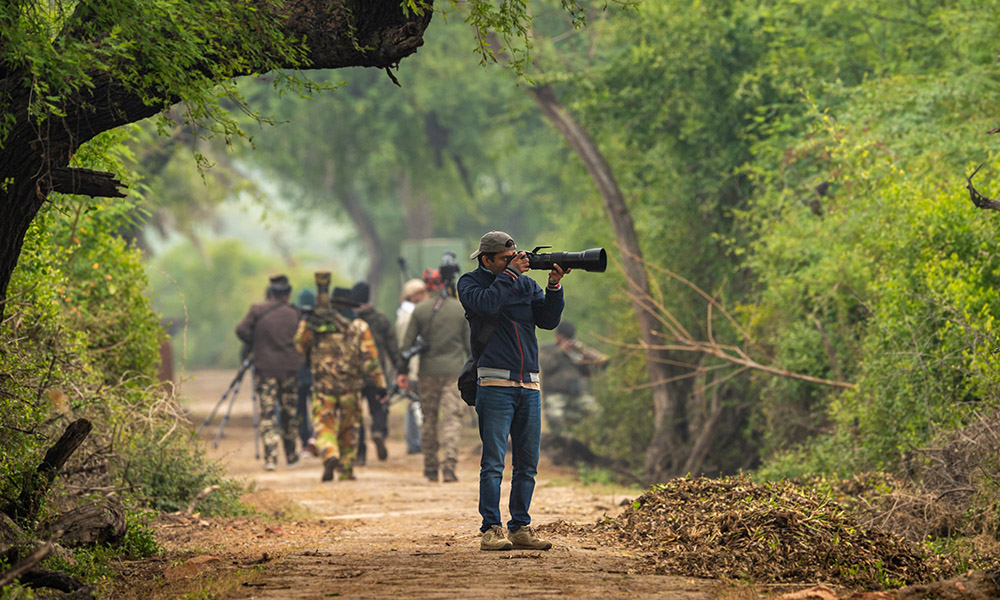
The region’s proximity to cities such as Mumbai and Bengaluru also makes it accessible for weekend nature escapes and guided forest experiences.
For anyone passionate about wildlife, the Western Ghats provide an opportunity to explore one of the richest natural landscapes on Earth.
Join Our Guided Forest Walks Explore forests, learn about birds and ecosystems, and discover the hidden biodiversity around Mumbai with expert naturalists.
Still reading? Explore more: Agumbe Rainforest: India’s Hidden Biodiversity Paradise, Top Biodiversity Forest Trails in Maharashtra Every Nature Lover Should Explore, What You Can Learn on a Forest Walk: Trees, Birds, Insects and Ecosystems